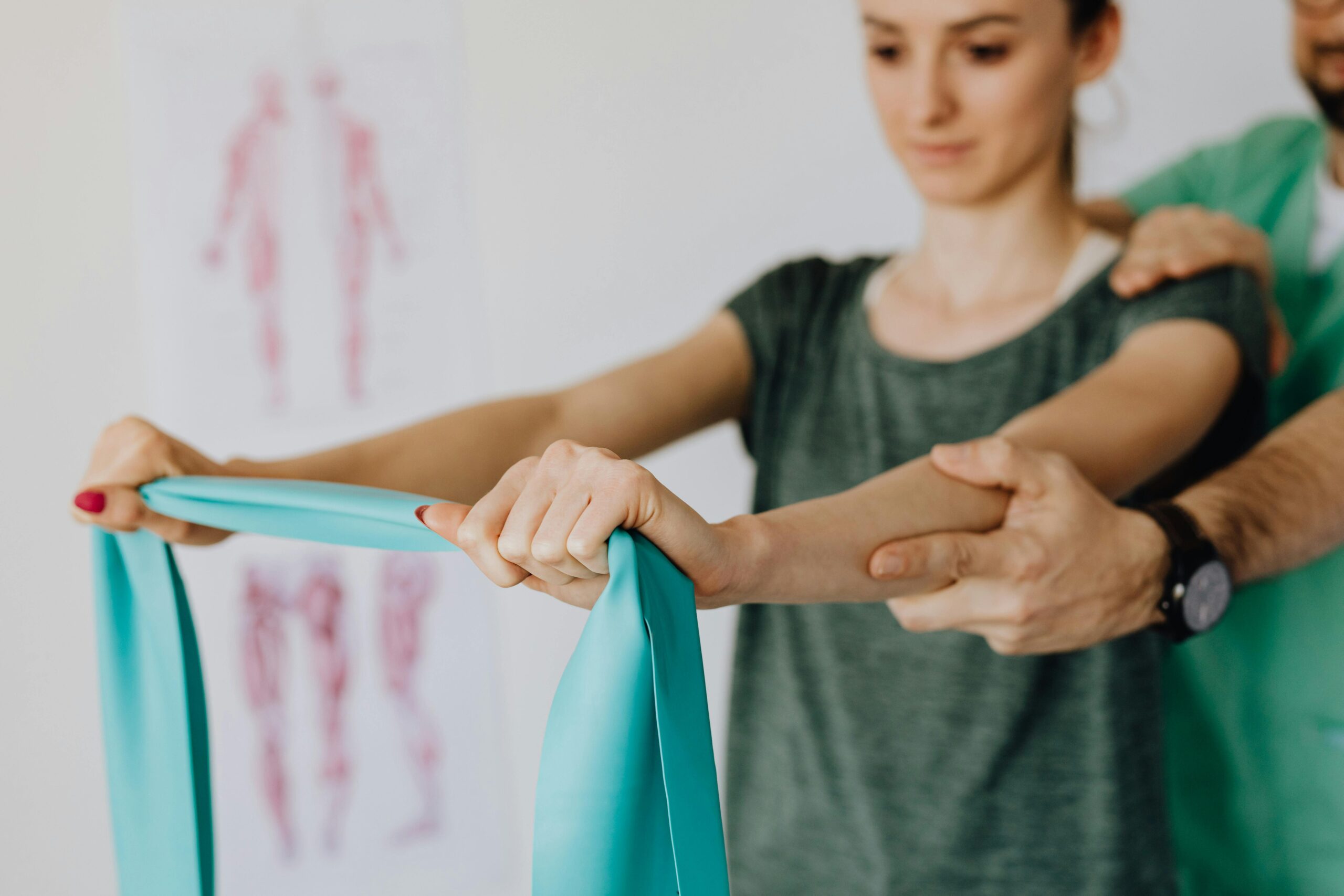
Hip control is the foundation of athletic performance, injury prevention, and functional movement. When your hips move through excessive ranges of motion without proper control, you risk instability, compensation patterns, and potential injury that can sideline your fitness goals.

Understanding how to master your hip movements isn’t just for athletes or dancers—it’s essential for anyone who wants to move efficiently, reduce pain, and build a resilient body. This comprehensive guide will explore targeted techniques to improve hip control and prevent the problems associated with hypermobility and unstable movement patterns.
🎯 Understanding Hip Mobility Versus Hip Stability
Before diving into techniques, it’s crucial to distinguish between mobility and stability. Many people assume that more flexibility is always better, but excessive range of motion without adequate control creates vulnerability rather than capability.
Hip mobility refers to the capacity for movement through a range of motion. Hip stability, on the other hand, is your ability to control that movement actively and resist unwanted motion under load. The ideal scenario combines adequate mobility with superior stability—having the range you need while maintaining complete control throughout that range.
Hypermobile individuals often struggle with this balance. Their joints naturally move beyond typical ranges, which can lead to compensation patterns, chronic inflammation, and joint instability. If you can easily touch your toes, do the splits, or perform extreme hip movements without warming up, you might have excessive mobility that requires additional stability work.
The Hidden Dangers of Uncontrolled Hip Movement
Excessive hip range of motion without proper neuromuscular control creates several problems that compound over time. Understanding these risks helps motivate consistent practice of control-focused exercises.
When your hips move beyond your strength capacity, surrounding muscles must compensate. This compensation often involves the lower back, which takes on stress it wasn’t designed to handle. Over time, this pattern contributes to chronic back pain, SI joint dysfunction, and disc issues.
The knee joint also suffers when hip control is lacking. Without proper hip stability, the femur rotates internally during movements like squatting or landing from jumps. This valgus collapse stresses the knee’s ligaments and can lead to patellofemoral pain syndrome, IT band issues, and increased ACL injury risk.
Additionally, the hip joint itself experiences uneven wear patterns. When movement occurs without muscular control, the joint capsule and labrum endure excessive stress, potentially leading to femoroacetabular impingement (FAI) or labral tears.
🧠 The Neuromuscular Connection: Training Your Brain to Control Your Hips
Effective hip control begins in your nervous system, not just your muscles. Your brain must learn to recruit the right muscles at the right time with appropriate force. This neuromuscular education is the foundation of all stability work.
Proprioception—your body’s ability to sense its position in space—plays a critical role. When proprioceptive feedback is poor, your brain can’t accurately assess hip position, making controlled movement impossible. Fortunately, proprioception is trainable through specific exercises.
Start with basic awareness drills. Lie on your back with knees bent and feet flat. Slowly tilt your pelvis forward and backward, feeling the movement through your hips. Notice when your lower back arches and when it flattens. This simple exercise builds the neural pathways for hip awareness.
Progress to single-leg balance work, which dramatically improves hip proprioception. Stand on one leg with your hands on your hips. Notice the micro-adjustments your hip muscles make to maintain balance. Close your eyes to increase the challenge, forcing your proprioceptive system to work harder without visual input.
Targeted Strengthening for Hip Stability
Once awareness is established, targeted strengthening builds the muscular capacity to control available range of motion. The key is strengthening muscles throughout the entire range, not just in comfortable mid-ranges.
Glute Medius and Minimus: Your Lateral Stabilizers 💪
The gluteus medius and minimus are essential for controlling hip abduction and preventing unwanted internal rotation. Weakness in these muscles is incredibly common and contributes significantly to poor hip control.
Side-lying hip abduction performed correctly is foundational. Lie on your side with your bottom leg bent and top leg straight. Keep your top hip stacked directly over your bottom hip—no rolling backward. Lift your top leg with your toes pointed slightly downward. The movement should be small and controlled, focusing on the muscle contraction rather than height achieved.
Copenhagen planks provide advanced lateral hip strengthening. Position yourself sideways with your top foot elevated on a bench and your bottom leg hanging. Hold a side plank position while squeezing your legs together. This exercise builds tremendous strength in the hip adductors and abductors simultaneously.
Deep Hip Rotators: The Forgotten Controllers
The deep hip rotators—including piriformis, obturators, and gemelli—control rotation and are critical for hip stability during complex movements. These small muscles are often overshadowed by larger muscle groups but play outsized roles in joint control.
Seated hip external rotation against resistance targets these muscles effectively. Sit on a bench with a resistance band around your knees. Slowly press your knees apart while maintaining an upright posture. Hold the end position for several seconds, feeling the deep burn in your outer hip region.
The 90/90 position offers another excellent option. Sit on the floor with one leg in front bent at 90 degrees and the other behind also at 90 degrees. Practice shifting your weight forward and backward while maintaining the position. This builds rotational control through challenging ranges.
Movement Pattern Retraining: Quality Over Quantity
Even with strong muscles and good awareness, movement patterns can remain faulty. Dedicated pattern retraining ensures your improved strength translates to better movement quality in functional activities.
The hip hinge is a fundamental pattern that many people perform with excessive spinal motion rather than true hip movement. Stand with a dowel along your spine, touching your tailbone, mid-back, and head. Push your hips backward while maintaining all three contact points. Your knees should bend slightly, but the movement occurs primarily at the hips. This drill teaches genuine hip articulation separate from spinal movement.
Squatting with proper hip control requires cueing internal focus. As you descend, think about spreading the floor apart with your feet (without actually moving them). This mental cue activates hip external rotators and prevents valgus collapse. At the bottom position, pause and ensure your knees track over your toes rather than diving inward.
📊 Progressive Control: Building Capacity Systematically
Improving hip control requires progressive overload not of weight alone, but of complexity and control demands. This systematic approach prevents overwhelm and builds solid foundations.
| Phase | Focus | Example Exercises | Duration |
|---|---|---|---|
| Foundation | Awareness & Activation | Pelvic tilts, side-lying abduction, single-leg balance | 2-3 weeks |
| Development | Controlled Strengthening | Clamshells, hip bridges, controlled squats | 3-4 weeks |
| Integration | Dynamic Stability | Single-leg deadlifts, lateral lunges, step-downs | 4-6 weeks |
| Performance | Sport-Specific Control | Plyometrics, agility drills, loaded movements | Ongoing |
Each phase builds upon previous accomplishments. Rushing through early phases compromises later development, while spending appropriate time on foundations creates remarkable progress in advanced stages.
Tempo Training: The Secret Weapon for Control
Tempo manipulation is perhaps the most underutilized technique for improving movement control. By deliberately slowing down portions of exercises, you expose weaknesses and build control through challenging ranges.
Eccentric emphasis—slowing the lowering phase—is particularly effective. During a single-leg squat, take five seconds to lower yourself. This extended time under tension in lengthened positions builds remarkable stability. Your nervous system adapts to control movement through ranges that previously felt unstable.
Isometric holds at end ranges challenge stability differently. Perform a lateral lunge and hold the bottom position for 20-30 seconds. Your stabilizing muscles must work continuously to maintain position, building endurance alongside strength. This endurance prevents fatigue-related form breakdown during longer activities.
🔄 Addressing Asymmetries and Imbalances
Most people have significant differences between their right and left hips. These asymmetries compound over time, creating compensation patterns that limit performance and increase injury risk.
Unilateral exercises expose these differences immediately. When you perform single-leg bridges, you’ll likely notice one side shakes more, fatigues faster, or doesn’t achieve the same height. Rather than avoiding the weaker side, give it additional volume. Perform extra sets on the weaker leg until it matches the stronger side’s capabilities.
Assessment should be ongoing. Every few weeks, retest basic movements like single-leg balance, single-leg squats, and hip mobility tests. Track which side performs better on each test. As imbalances resolve, you’ll notice improved overall movement quality and reduced compensatory discomfort.
Mobility Work That Doesn’t Compromise Stability
For those with excessive range of motion, traditional stretching often worsens problems by increasing mobility without accompanying stability. However, controlled mobility work that emphasizes active range of motion can be beneficial.
Active stretching involves moving into stretched positions using muscular contraction rather than gravity or external force. For hip flexor mobility, perform a kneeling hip flexor stretch while actively contracting your glute to pull your hip forward. This builds strength in the lengthened range, which is precisely what hypermobile individuals need.
Loaded stretching adds resistance to end-range positions. Use resistance bands or light weights while performing movements through full ranges. This creates stability alongside mobility, ensuring your nervous system can control the ranges you possess.
Daily Habits That Support Hip Control
Beyond dedicated training sessions, daily movement habits profoundly impact hip control. Small consistent actions accumulate into significant changes over time.
Sitting position matters more than most realize. Avoid W-sitting or crossing legs excessively, as these positions push hips into extreme rotation without muscular engagement. Instead, sit with feet flat on the floor and weight distributed evenly through both hips. When you must sit for extended periods, set reminders to stand and perform simple hip circles every 30 minutes.
Walking gait deserves attention. Many people walk with excessive hip drop on the stance leg or allow their knees to collapse inward. Periodically check your reflection in windows or record yourself walking. Focus on maintaining level hips and straight knee tracking. These small corrections, practiced consistently, retrain default movement patterns.
⚠️ When to Seek Professional Guidance
While many people can improve hip control independently, certain situations warrant professional assessment. Persistent pain during or after exercises indicates something beyond normal training discomfort. Sharp, pinching sensations in the hip joint especially suggest possible labral or impingement issues requiring medical evaluation.
Significant asymmetries that don’t respond to targeted work may indicate structural differences or old injuries requiring specialized intervention. Physical therapists can perform detailed assessments and create individualized programs addressing specific limitations.
If you have hypermobility syndrome or Ehlers-Danlos syndrome, professional guidance becomes essential. These connective tissue disorders require modified approaches that build stability without overstressing vulnerable tissues.
Tracking Progress and Staying Motivated
Improving hip control is a gradual process that can feel frustratingly slow. Systematic progress tracking helps maintain motivation by highlighting improvements you might otherwise miss.
Video recording provides objective feedback. Record yourself performing key exercises monthly. When you watch older videos, you’ll notice shakiness, compensation patterns, or limited control that has since improved. This visual proof of progress is incredibly motivating during plateaus.
Performance metrics offer another tracking method. How long can you hold a single-leg stance with eyes closed? How many controlled single-leg squats can you perform? How does your weaker side compare to your stronger side? Test these metrics regularly and celebrate improvements, even small ones.
Building Hip Resilience for Long-Term Function
Mastering hip control isn’t about achieving perfect movement—it’s about building resilient patterns that serve you throughout life. Bodies adapt to consistent demands, so ongoing practice maintains and builds upon achievements.
Vary your training to prevent adaptation plateaus. Rotate through different exercises targeting similar functions. This variation challenges your neuromuscular system to maintain control across diverse movements rather than just memorizing specific patterns.
Remember that setbacks are normal and informative. After illness, travel, or breaks from training, you may notice decreased control. Rather than feeling discouraged, view this as information about how quickly your system adapts—and how important consistency is for maintaining capabilities.

Integrating Hip Control Into Your Active Life 🏃♀️
Ultimate success means improved hip control transfers into the activities you love. Whether you run, play sports, dance, or simply want to move pain-free during daily tasks, integration ensures your training has practical payoff.
During your regular activities, periodically check in with hip position and control. Are you maintaining level hips while walking? Do your knees track properly during recreational sports? Is your pelvis neutral during standing tasks? These mindful check-ins reinforce patterns developed during dedicated training.
As control improves, you’ll notice reduced compensatory discomfort, improved athletic performance, and enhanced confidence in movement. These functional improvements are the ultimate markers of success—evidence that your dedicated work is transforming not just your exercises, but your life.
Mastering hip control through targeted techniques requires patience, consistency, and intelligent programming. By focusing on neuromuscular awareness, strengthening through full ranges, retraining movement patterns, and building systematically, you develop hips that move with power, precision, and resilience. This foundation supports everything else you want to accomplish physically, making the investment in hip control one of the most valuable contributions to your long-term movement health.