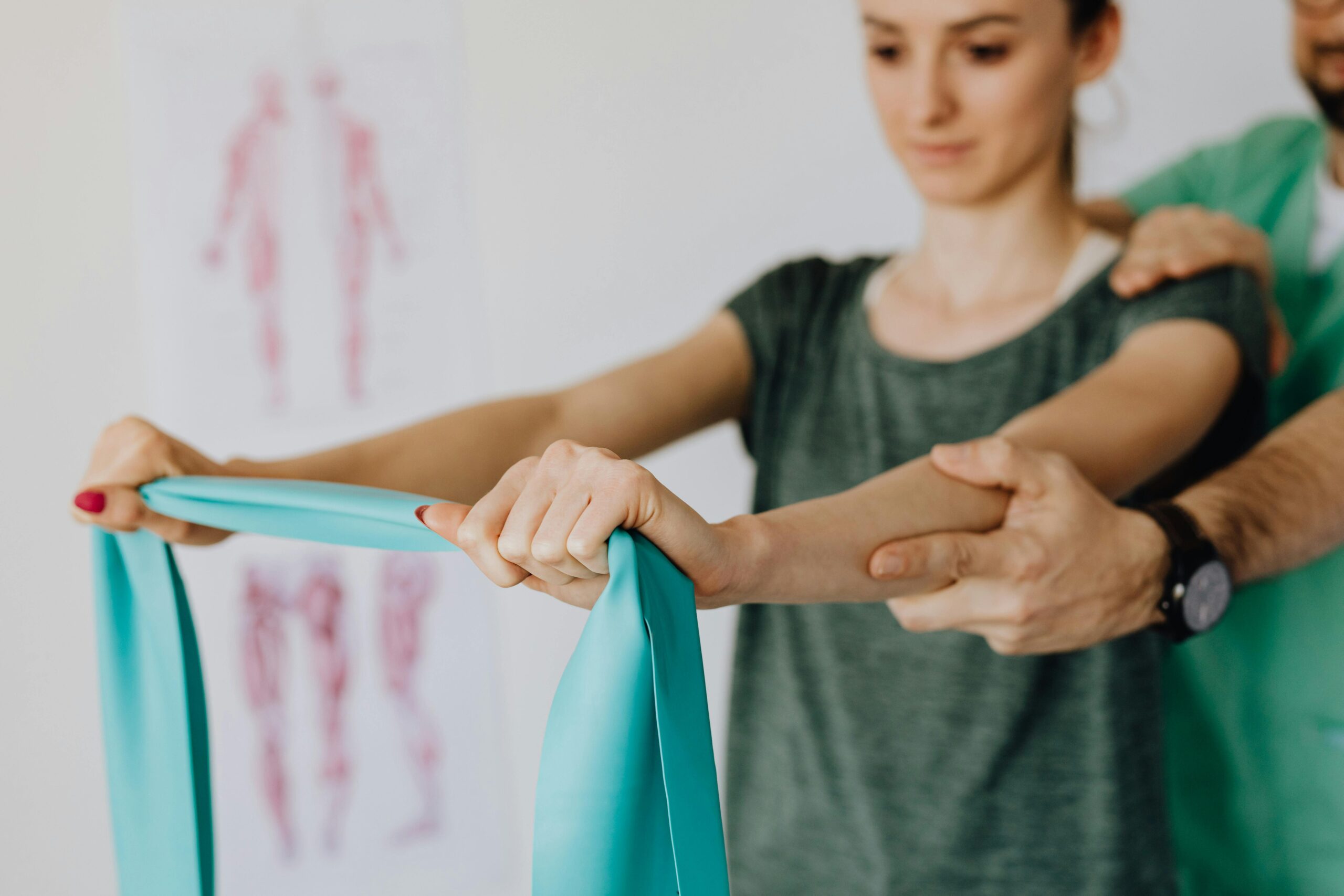
Staying active doesn’t have to mean putting unnecessary stress on your joints. Low-impact cardio workouts offer an excellent solution for maintaining fitness while protecting your body from pain and injury.

Whether you’re recovering from an injury, managing chronic joint conditions, or simply want to exercise smarter, joint-friendly fitness options can keep you moving comfortably. These workouts deliver cardiovascular benefits without the jarring impact that traditional exercises often bring, making them perfect for people of all ages and fitness levels.
Understanding Low-Impact Cardio and Why It Matters 💡
Low-impact cardio refers to any aerobic exercise that keeps at least one foot on the ground at all times or provides external support that reduces stress on your joints. Unlike high-impact activities such as running or jumping, these exercises minimize the force transmitted through your ankles, knees, hips, and spine.
The benefits extend far beyond joint protection. Low-impact workouts can improve cardiovascular health, build endurance, support weight management, and enhance overall mobility. They’re particularly valuable for individuals with arthritis, osteoporosis, or those in recovery from injuries.
Many people mistakenly believe that low-impact means low-intensity, but this couldn’t be further from the truth. You can absolutely achieve an elevated heart rate, burn significant calories, and build strength through joint-friendly exercises. The key is understanding which activities provide maximum benefit with minimum strain.
Swimming: The Ultimate Joint-Friendly Workout 🏊
Swimming stands as perhaps the most joint-friendly cardio exercise available. The water’s buoyancy supports your body weight, reducing stress on joints by up to 90%. This makes it an ideal choice for people with severe arthritis or significant mobility limitations.
Beyond joint protection, swimming engages nearly every major muscle group simultaneously. Whether you’re doing freestyle, breaststroke, backstroke, or butterfly, you’re building cardiovascular endurance while strengthening muscles that support your joints.
If traditional swimming feels too challenging, water aerobics or aqua jogging offer similar benefits. These activities allow you to control the intensity while the water provides natural resistance for muscle building. Most community centers and gyms with pools offer water-based fitness classes designed specifically for joint health.
Making the Most of Water Workouts
To maximize your swimming routine, aim for 30-45 minute sessions three to four times weekly. Vary your strokes to work different muscle groups and prevent repetitive strain. Consider using pool equipment like kickboards, pull buoys, or water dumbbells to add variety and challenge.
For those new to swimming, start with walking in chest-deep water. This simple activity provides resistance training and cardiovascular benefits while being extraordinarily gentle on joints. Gradually progress to more complex movements as your comfort and fitness improve.
Cycling: Pedaling Your Way to Better Joint Health 🚴
Cycling, whether outdoors or on a stationary bike, offers exceptional cardiovascular benefits without the impact of weight-bearing exercises. The circular pedaling motion promotes joint mobility while strengthening the muscles around your knees and hips.
Stationary bikes provide the advantage of controlled resistance and stable positioning, making them perfect for beginners or those with balance concerns. Recumbent bikes offer additional back support, distributing your weight more evenly and reducing pressure on your lower back and hips.
Outdoor cycling adds the element of fresh air and scenery, which can boost motivation and mental health. However, ensure your bike is properly fitted to your body to prevent unnecessary strain. The seat height should allow a slight bend in your knee at the bottom of the pedal stroke.
Creating an Effective Cycling Routine
Begin with 20-30 minute sessions at a comfortable pace, focusing on maintaining a steady rhythm rather than speed. As your fitness improves, gradually increase duration before intensity. Aim for a cadence of 60-80 revolutions per minute for optimal joint-friendly movement.
Interval training on a bike can provide excellent cardiovascular conditioning. Alternate between moderate and slightly higher resistance periods, but avoid standing on the pedals if you’re focused on joint protection. Seated cycling maintains consistent support and reduces impact.
Elliptical Training: Smooth Motion for Happy Joints
The elliptical machine combines the benefits of walking, running, and stair climbing without the impact. Its smooth, gliding motion eliminates the jarring foot strikes associated with running while still providing an effective lower body workout.
Many elliptical machines include movable handles that engage your upper body, turning your workout into a full-body cardio session. This comprehensive engagement burns more calories while distributing the effort across multiple muscle groups, reducing fatigue in any single area.
The adjustable resistance and incline features allow you to customize intensity without increasing impact. You can achieve a challenging workout that elevates your heart rate significantly while maintaining the joint-friendly benefits that make ellipticals so popular.
Walking: Simple, Accessible, and Surprisingly Effective 👟
Walking remains one of the most accessible and effective low-impact cardio exercises available. It requires no special equipment beyond comfortable shoes, can be done virtually anywhere, and easily fits into daily routines.
While walking involves impact, it’s significantly less than running—approximately 1-1.5 times your body weight with each step compared to 3-4 times when running. This makes walking sustainable for most people, including those with moderate joint concerns.
To enhance the cardiovascular benefits of walking, focus on posture, pace, and purposeful movement. Maintain an upright position, engage your core, and swing your arms naturally. Aim for a brisk pace that elevates your heart rate but still allows conversation.
Advancing Your Walking Workout
Once regular walking becomes comfortable, consider Nordic walking, which incorporates specially designed poles. This technique engages your upper body and core, increasing calorie burn by up to 40% while actually reducing stress on hip and knee joints.
Vary your walking terrain to challenge different muscles and prevent monotony. Hills provide natural resistance training, while different surfaces like trails, grass, or sand engage stabilizing muscles. However, ensure surfaces are even and stable to prevent trips or falls that could injure joints.
Rowing: Full-Body Cardio with Minimal Joint Stress
Rowing machines provide an outstanding full-body workout that engages approximately 85% of your muscles while remaining low-impact. The seated position and smooth pulling motion protect your joints while delivering serious cardiovascular and strength-building benefits.
Proper rowing technique is essential for maximizing benefits and preventing injury. The movement should be fluid, initiated with your legs pushing, followed by a slight backward lean, and finished with your arms pulling the handle to your chest. The return should reverse this sequence in a controlled manner.
Rowing strengthens your back, shoulders, arms, and core while the leg drive builds quadriceps, hamstrings, and glutes. This comprehensive muscle engagement makes rowing exceptionally efficient for those with limited workout time.
Yoga and Tai Chi: Gentle Movement with Profound Benefits 🧘
While not traditionally considered cardio, flowing yoga styles like Vinyasa or Power Yoga can elevate heart rate while improving flexibility, balance, and joint mobility. The controlled movements and emphasis on proper alignment make yoga exceptionally joint-friendly.
Tai Chi, often described as “meditation in motion,” involves slow, deliberate movements that improve balance, flexibility, and cardiovascular health. Research shows Tai Chi particularly benefits individuals with arthritis, reducing pain while improving joint function.
Both practices emphasize body awareness and breathing, helping you develop better movement patterns that protect joints during daily activities. This mind-body connection translates to improved posture and reduced injury risk in all aspects of life.
Building Your Joint-Friendly Fitness Plan 📋
Creating an effective low-impact cardio routine requires balancing variety, consistency, and progression. Aim for at least 150 minutes of moderate-intensity cardio weekly, spread across multiple sessions for optimal joint recovery between workouts.
Consider this sample weekly schedule as a starting framework:
- Monday: 30 minutes cycling (moderate intensity)
- Tuesday: 20 minutes elliptical + 15 minutes gentle yoga
- Wednesday: 30-40 minutes swimming or water aerobics
- Thursday: Rest or gentle stretching
- Friday: 35 minutes brisk walking or Nordic walking
- Saturday: 25 minutes rowing + 10 minutes Tai Chi
- Sunday: Active recovery with gentle yoga or leisure walking
Adjust this template based on your current fitness level, available equipment, and personal preferences. The key is consistency rather than perfection—regular moderate exercise provides far greater benefits than occasional intense workouts.
Essential Tips for Joint Protection During Exercise ✨
Always begin workouts with a proper warm-up consisting of 5-10 minutes of gentle movement and dynamic stretching. This increases blood flow to muscles and joints, preparing them for activity and reducing injury risk.
Invest in appropriate footwear designed for your chosen activity. Quality shoes with proper cushioning and support can significantly reduce joint stress, particularly for weight-bearing exercises like walking.
Listen to your body and distinguish between productive discomfort and pain signaling potential injury. Mild muscle fatigue is normal, but sharp pain, joint swelling, or pain that worsens during activity requires attention and possibly medical consultation.
Stay properly hydrated before, during, and after exercise. Adequate hydration maintains the synovial fluid that lubricates joints, reducing friction and wear. Dehydration can increase joint stiffness and discomfort.
Recovery and Joint Care
Recovery is equally important as the workout itself. Allow at least one full rest day weekly, and consider active recovery activities like gentle stretching or casual walking on other days. This gives your joints time to repair and adapt.
Apply ice to joints after workouts if you experience any swelling or discomfort. Contrast therapy—alternating between heat and cold—can also promote circulation and reduce inflammation in chronically stiff joints.
Consider incorporating strength training twice weekly to build the muscles that support and protect your joints. Focus on controlled movements with appropriate resistance, avoiding exercises that cause joint pain.
Nutrition and Supplements for Joint Health
Your diet significantly impacts joint health and recovery. Anti-inflammatory foods like fatty fish rich in omega-3s, colorful fruits and vegetables, nuts, and whole grains can help reduce joint inflammation and support tissue repair.
Maintain adequate protein intake to support muscle maintenance and growth. Strong muscles better protect joints during activity and daily life. Aim for lean protein sources distributed throughout the day.
Some people find supplements like glucosamine, chondroitin, or collagen helpful for joint support, though research shows mixed results. Consult with healthcare providers before adding supplements, especially if you take medications or have existing health conditions.
Adapting Workouts for Specific Joint Concerns
If you have knee issues, focus on non-weight-bearing exercises like swimming, cycling, and rowing. The elliptical can work well if you keep resistance moderate and avoid excessive incline. Strengthen the quadriceps and hamstrings to better support knee joints.
For hip problems, swimming and water aerobics typically provide the best options. Recumbent bikes offer better hip positioning than upright bikes. Avoid exercises requiring deep hip flexion or external rotation if these movements cause discomfort.
Shoulder concerns benefit from lower-body focused cardio like cycling or walking. If using machines with arm components, reduce upper body resistance. Swimming may or may not be appropriate depending on your specific shoulder condition.
Staying Motivated on Your Joint-Friendly Fitness Journey 🎯
Set realistic, specific goals that focus on consistency and how you feel rather than just numbers. Goals like “complete three 30-minute workouts this week” or “reduce knee stiffness” are more meaningful than purely aesthetic targets.
Track your progress through a journal or fitness app, noting not just duration and intensity but also how your joints feel during and after activity. This information helps identify which exercises work best for your body.
Find an accountability partner or join group classes focused on low-impact exercise. The social component increases adherence while making workouts more enjoyable. Many communities offer arthritis-specific fitness classes that provide both instruction and support.
Celebrate small victories and be patient with yourself. Improving joint health and fitness is a gradual process. Some days will feel easier than others, and that’s perfectly normal. Consistency over months and years creates lasting change.

Embracing Movement as Medicine
Low-impact cardio workouts prove that staying active doesn’t require sacrificing joint health. By choosing joint-friendly exercises and practicing them consistently, you can maintain cardiovascular fitness, manage weight, improve mood, and enhance overall quality of life without pain.
The variety of low-impact options means nearly everyone can find activities they enjoy and can sustain long-term. Whether you prefer the tranquility of swimming, the rhythm of cycling, or the meditative quality of Tai Chi, there’s a joint-friendly path to fitness that suits your preferences and needs.
Remember that movement is medicine for your joints. Regular low-impact exercise actually improves joint health by maintaining flexibility, strengthening supporting muscles, and promoting the circulation of nutrient-rich fluids. Start where you are, progress gradually, and trust the process. Your joints—and your entire body—will thank you for choosing active, pain-free living.