Starting a fitness journey can feel overwhelming, especially when you’re unsure where to begin or worried about injuring yourself. The good news is that building a strong, stable foundation doesn’t require advanced techniques or risky movements.

Learning fundamental movement patterns is the key to developing functional strength safely and effectively. These basic exercises form the foundation of all physical activity, from everyday tasks to athletic performance. By mastering these patterns first, you’ll build confidence, prevent injuries, and create a solid base for future progress.
🏋️ Understanding Movement Patterns: Your Body’s Natural Language
Movement patterns are categories of exercises based on how your body naturally moves through space. Rather than focusing on isolated muscles, these patterns engage multiple muscle groups working together as functional units. This approach mirrors real-life activities and creates balanced, coordinated strength throughout your entire body.
The primary movement patterns include squatting, hinging, pushing, pulling, carrying, and rotating. Each pattern serves a specific purpose and targets different muscle groups while promoting stability and mobility. When you understand these patterns, exercise becomes less intimidating and more intuitive.
Think of movement patterns as the alphabet of fitness. Just as letters combine to form words and sentences, movement patterns combine to create complex physical activities. Master the basics, and you’ll have the tools to perform virtually any movement safely and efficiently.
The Squat Pattern: Building Lower Body Foundation 💪
The squat is perhaps the most fundamental movement pattern humans perform. Every time you sit down or stand up, you’re squatting. This pattern primarily targets your quadriceps, glutes, hamstrings, and core muscles while improving hip and ankle mobility.
For beginners, the bodyweight squat is the perfect starting point. Stand with feet shoulder-width apart, toes slightly pointed outward. Imagine sitting back into a chair as you lower yourself, keeping your chest up and weight in your heels. Your knees should track over your toes without collapsing inward.
Squat Progression for Safety and Success
Start with box squats if regular squats feel challenging. Place a sturdy chair or box behind you and practice sitting down and standing up with control. This variation removes the fear of falling backward and helps you learn proper depth and positioning.
As you gain confidence, progress to goblet squats by holding a light weight at chest level. This anterior load helps counterbalance your body and encourages an upright torso position. Focus on quality over quantity—ten perfect repetitions are more valuable than twenty sloppy ones.
Common mistakes include allowing knees to cave inward, lifting heels off the ground, or rounding the lower back. If you experience any of these issues, reduce your range of motion and work on mobility exercises for hips and ankles.
The Hip Hinge: Protecting Your Back While Building Power
The hip hinge is crucial for lifting objects safely and developing posterior chain strength. This pattern emphasizes movement at the hips while maintaining a neutral spine, engaging your glutes, hamstrings, and lower back muscles.
Many people struggle with hip hinging because they’ve spent years bending incorrectly. The key difference is that hinging happens primarily at the hips, not the lower back. Imagine closing a door with your buttocks while keeping your spine straight.
Learning the Hinge Pattern Step-by-Step
Begin with the wall touch drill. Stand about a foot away from a wall, facing away. Push your hips backward until your buttocks touches the wall while keeping your back flat. Your knees will bend slightly, but the primary movement comes from your hips.
Progress to the Romanian deadlift using a broomstick or PVC pipe. Hold the stick against your back, touching three points: back of head, upper back, and tailbone. Hinge forward while maintaining these three contact points. This drill teaches proper spinal alignment throughout the movement.
Once you’ve mastered the pattern, you can add light weights like kettlebells or dumbbells. The deadlift and its variations become accessible and safe when built on proper hinge mechanics. This pattern translates directly to everyday activities like picking up groceries or lifting children.
🔄 Push and Pull: Creating Upper Body Balance
Pushing and pulling patterns work together to create balanced upper body strength and shoulder health. Pushing movements include exercises like push-ups and overhead presses, while pulling includes rows and pull-ups. Maintaining a ratio of equal push and pull work prevents muscle imbalances and postural issues.
Mastering the Push Pattern
The push-up is the fundamental horizontal pushing exercise, but many beginners find floor push-ups too challenging. Starting with elevated push-ups against a wall or countertop allows you to build strength gradually while perfecting your form.
Stand facing a wall at arm’s length. Place your hands on the wall at shoulder height and width. Keep your body in a straight line from head to heels as you bend your elbows, bringing your chest toward the wall. Push back to the starting position with control.
As this becomes easier, progressively lower the surface height—moving from wall to countertop to a sturdy table to a bench. Eventually, you’ll have the strength and stability for floor push-ups. This gradual progression eliminates the fear of collapse while building genuine strength.
Developing the Pull Pattern
Pulling movements often get neglected because they’re more challenging to perform without equipment. However, simple tools and modifications make them accessible to beginners. The inverted row using a table or suspension trainer is an excellent starting point.
Lie underneath a sturdy table with your body straight. Grab the edge of the table with both hands and pull your chest up toward the table, keeping your body aligned. Lower yourself with control. Adjust difficulty by changing your body angle—more vertical is easier, more horizontal is harder.
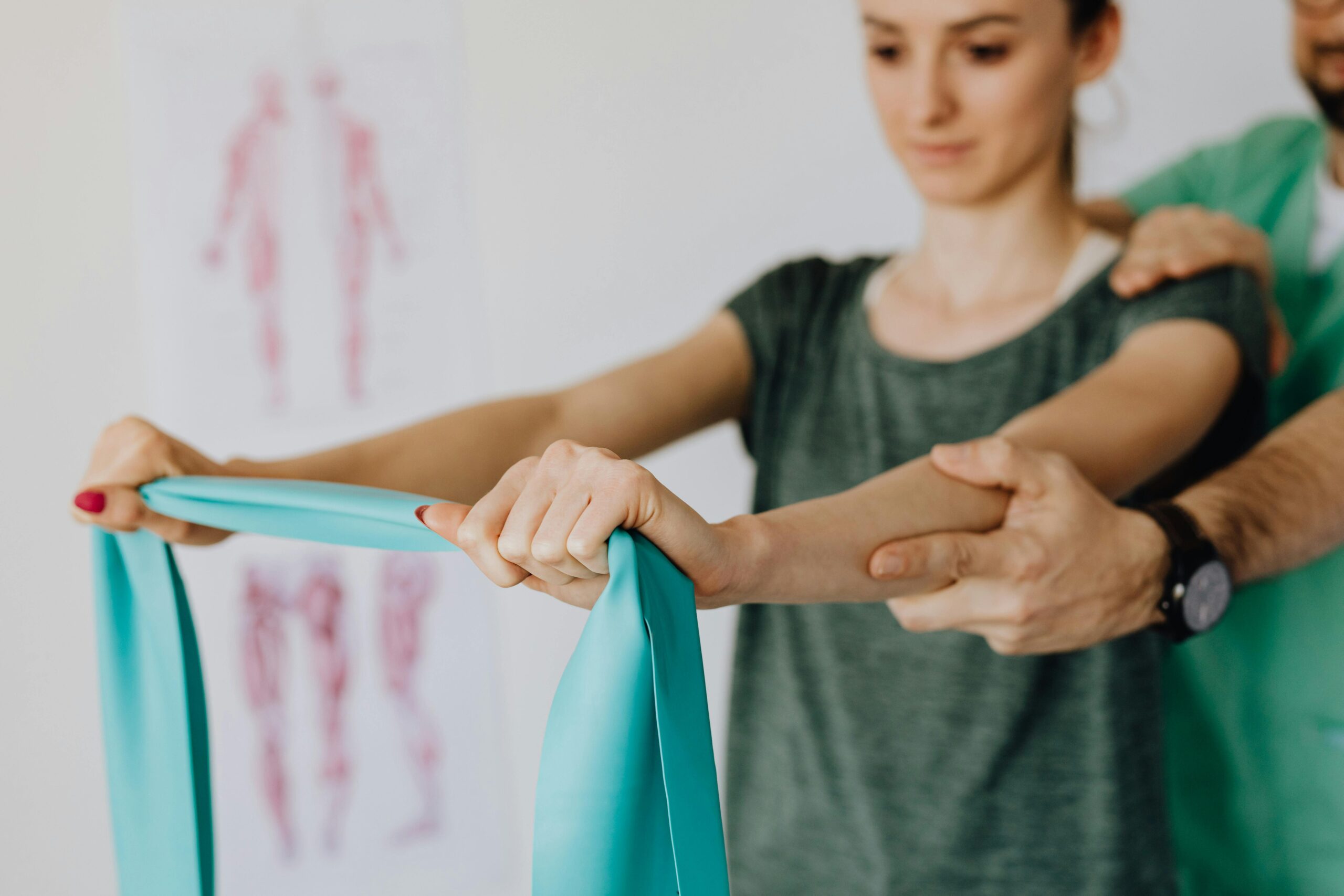
Resistance bands provide another beginner-friendly option for pull exercises. Secure a band at chest height and perform rows by pulling the band toward your ribcage while squeezing your shoulder blades together. This pattern strengthens your back muscles and improves posture.
The Carry Pattern: Functional Strength for Daily Life 🛒
Carrying might seem too simple to count as a movement pattern, but it’s one of the most functional exercises you can perform. Loaded carries build core stability, grip strength, shoulder stability, and total body coordination.
The farmer’s carry is the most basic version. Hold a weight in each hand with arms straight and walk with good posture. Keep your shoulders back, chest up, and core engaged. Even light weights become challenging when carried for distance or time.
Unilateral (single-side) carries create additional stability demands. The suitcase carry involves holding a weight in one hand while walking, forcing your core to resist side-bending. This variation translates directly to carrying grocery bags or luggage.
Carry Variations for Different Goals
The overhead carry challenges shoulder stability and thoracic mobility. Hold a light weight overhead with a straight arm and walk slowly. This variation requires significant control and teaches your body to maintain stability in extended positions.
Goblet carries involve holding a weight at chest level with both hands. This position loads the anterior core and upper back while being easier to balance than overhead carries. It’s perfect for beginners building foundational carrying strength.
Start with light weights and short distances. Carrying emphasizes time under tension rather than maximum load. Walking 20-30 feet with proper form provides more benefit than struggling with excessive weight.
🌀 Rotation and Anti-Rotation: Core Stability Beyond Crunches
Rotational movements are essential for athletic performance and injury prevention, yet they’re often overlooked in beginner programs. Your core’s primary function isn’t to crunch or bend—it’s to transfer force between your upper and lower body while maintaining spinal stability.
Anti-rotation exercises teach your core to resist unwanted movement. The pallof press is a foundational anti-rotation exercise. Attach a resistance band to a stable object at chest height. Stand perpendicular to the anchor point and hold the band with both hands at your chest. Press your hands straight out in front of you while resisting the band’s pull trying to rotate your torso.
Safe Rotational Movement Practice
Segmented rolls teach your body to rotate through the spine safely. Lie on your back with arms extended overhead. Slowly roll to one side, letting your head lead, followed by your shoulders, then your hips. This pattern improves spinal mobility and body awareness.
The standing wood chop using a light medicine ball or weight teaches controlled rotation. Move the weight diagonally across your body from high to low or low to high, rotating through your torso while keeping your spine neutral. This pattern appears in countless daily activities and sports movements.
Always prioritize control over speed with rotational exercises. Rapid, uncontrolled rotation increases injury risk, while smooth, deliberate movement builds functional strength and coordination.
Building Your Foundation: Programming Basics for Beginners
Understanding individual movement patterns is valuable, but combining them into a balanced program creates real results. A well-designed beginner program includes all major patterns throughout the week, ensuring comprehensive development without overtraining.
Start with two to three sessions per week, allowing adequate recovery between workouts. Each session should include at least one lower body pattern (squat or hinge) and one upper body pattern (push or pull). Add carries and core work as finishers to develop stability and work capacity.
Sample Beginner Movement Pattern Workout
Here’s a simple full-body session incorporating all major patterns:
- Box Squats: 3 sets of 8-10 repetitions
- Wall Push-Ups: 3 sets of 10-12 repetitions
- Inverted Table Rows: 3 sets of 6-8 repetitions
- Goblet Carry: 2-3 sets of 30 seconds
- Pallof Press: 2 sets of 10 repetitions per side
Rest 60-90 seconds between sets. Focus on movement quality rather than rushing through exercises. As you become comfortable with these patterns, gradually increase difficulty through additional repetitions, longer durations, or increased resistance.
🎯 Progression Principles That Prevent Plateaus
Intelligent progression ensures continuous improvement while minimizing injury risk. The principle of progressive overload means gradually increasing the demands placed on your body over time. However, beginners often mistake this for constantly adding weight or repetitions.
Progress manifests in multiple ways beyond just adding load. Improving your range of motion, increasing time under tension, reducing rest periods, or perfecting technique all represent legitimate progression. Sometimes taking a step back to refine form creates better long-term results than pushing forward prematurely.
Recognizing When to Progress
Progress to a more challenging variation when you can complete all prescribed sets and repetitions with excellent form and moderate difficulty. If the last few repetitions feel extremely challenging or compromise your technique, you’re not ready to advance.
The two-for-two rule provides a simple guideline: if you can perform two additional repetitions beyond your target for two consecutive workouts with good form, increase the difficulty. This approach ensures progress happens at an appropriate pace.
Don’t fall into the trap of comparing your progress to others. Everyone starts from a different baseline with unique strengths, limitations, and goals. Your only competition is the person you were yesterday.
Common Mistakes and How to Avoid Them ⚠️
Many beginners unknowingly develop counterproductive habits that limit progress or increase injury risk. Recognizing these mistakes early helps you build a stronger foundation from the start.
Training through pain is perhaps the most dangerous mistake. Discomfort during challenging exercises is normal, but sharp pain, joint pain, or pain that worsens during a set signals a problem. Stop the exercise, assess your form, and reduce the difficulty if needed. Learning the difference between productive discomfort and harmful pain is crucial.
Skipping warm-ups might save time initially but increases injury risk and reduces performance. Spend 5-10 minutes performing dynamic movements that rehearse the patterns you’ll train. This preparation improves movement quality and helps prevent injuries.
The Recovery Factor
Underestimating recovery needs leads to overtraining, fatigue, and frustration. Beginners often believe more exercise always equals better results, but your body builds strength during recovery periods between workouts, not during the workouts themselves.
Ensure adequate sleep, proper nutrition, and rest days between training sessions. If you feel consistently exhausted or notice declining performance, you likely need more recovery time. Building a sustainable practice yields better long-term results than sporadic intense efforts.
Inconsistency undermines even the best program. Training twice weekly for three months produces better results than training six days weekly for three weeks before burning out. Find a sustainable frequency that fits your lifestyle and commit to consistency over intensity.
🌟 Beyond the Basics: Where Movement Mastery Takes You
Mastering fundamental movement patterns opens doors to virtually any physical pursuit. Whether your goals involve sports performance, aesthetic development, functional fitness, or simply maintaining independence as you age, these patterns form your foundation.
As these movements become second nature, you’ll notice improvements extending beyond the gym. Daily activities like climbing stairs, carrying children, or doing yard work become easier. Confidence in your physical capabilities grows, encouraging you to try new activities you previously found intimidating.
The movement patterns you’re learning aren’t just exercises—they’re skills that serve you throughout life. A strong squat pattern helps you stand from chairs in your eighties. A solid hinge pattern protects your back during decades of lifting objects. Maintaining push-pull balance preserves shoulder health for all your daily activities.
Taking Your First Steps With Confidence
Beginning any new physical practice requires courage, especially if past experiences have been discouraging. Remember that everyone who now moves with confidence and strength started exactly where you are now—uncertain, perhaps intimidated, but willing to begin.
Start with the absolute basics and resist the temptation to skip ahead. Building a solid foundation takes time, but that time is an investment that pays dividends throughout your fitness journey. The person who masters a bodyweight squat before adding weight develops better long-term results than someone who loads up with poor mechanics.
Find ways to make the process enjoyable rather than purely goal-focused. Notice how your body feels after movement. Celebrate small victories like completing a full set without resting or achieving a deeper squat depth. These incremental improvements compound over time into transformative change.
Consider working with a qualified coach or trainer initially if possible. Professional guidance helps you learn proper technique faster and builds confidence in your abilities. Even a few sessions can provide valuable feedback that accelerates your progress and prevents developing bad habits.
Your body is remarkably adaptable and capable of incredible change regardless of your starting point. The fundamental movement patterns described here have built strength and stability for countless individuals who once felt exactly as you might feel now—uncertain but ready to begin. Take that first step, trust the process, and commit to consistent practice. The strength and confidence you’re building will serve you for a lifetime.