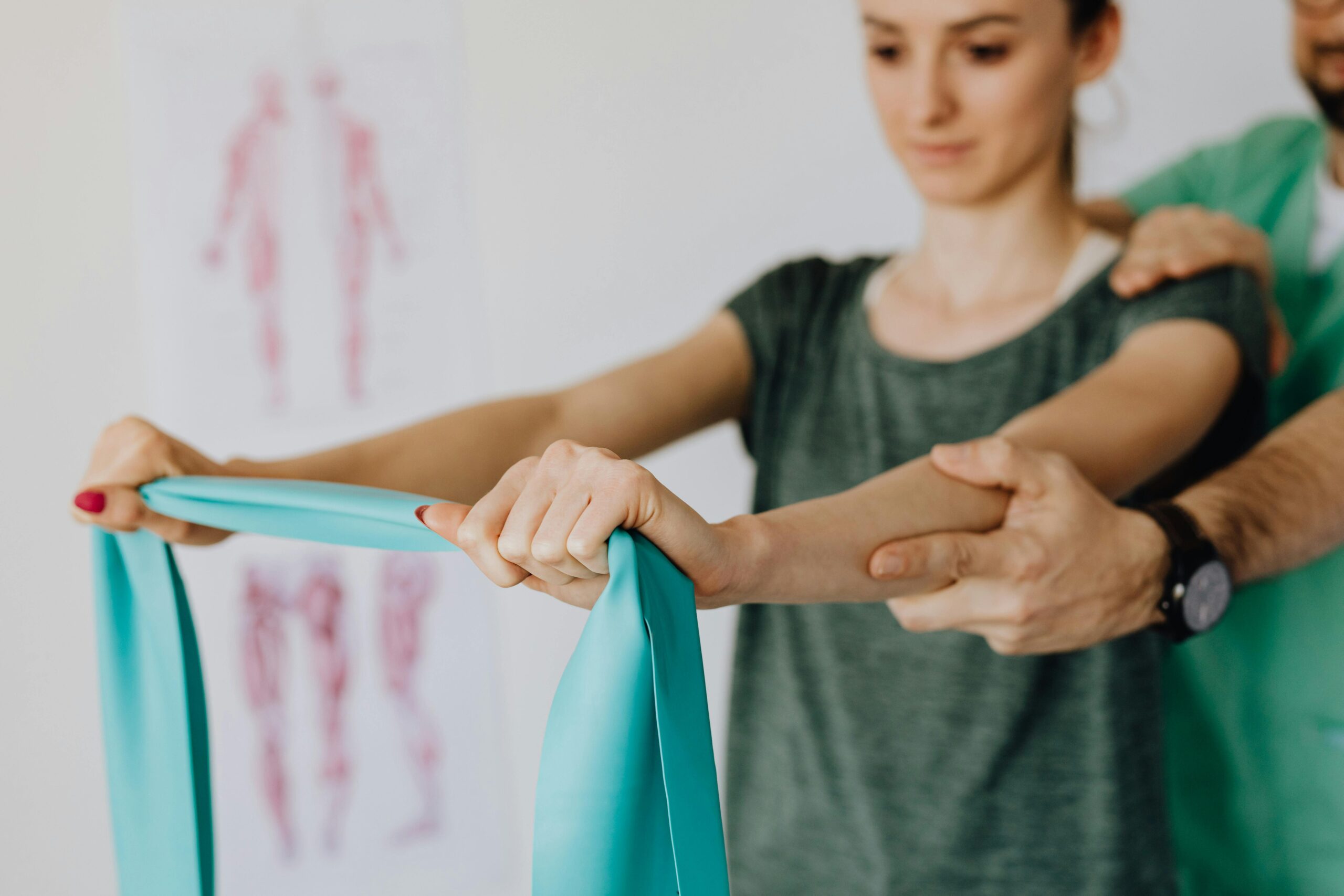
Living with hypermobility presents unique challenges that extend far beyond flexibility. While others may envy your ability to bend and stretch, you understand the reality: joints that move too freely often lack the stability needed for confident, pain-free movement.

Balance isn’t just about standing on one leg—it’s the foundation of everything you do. From walking up stairs to carrying groceries, from playing with your children to pursuing athletic goals, balance determines whether you move with confidence or caution. For those with hypermobile joints, developing full-body stability becomes not just a fitness goal, but a pathway to reclaiming independence and vitality.
🎯 Understanding Hypermobility and Its Impact on Balance
Hypermobility occurs when joints move beyond their typical range of motion, often due to differences in collagen structure. While this can seem advantageous in certain activities like dance or gymnastics, it creates significant challenges for everyday stability and balance.
Your proprioception—the body’s awareness of where it is in space—relies heavily on feedback from joints, muscles, and connective tissues. When joints are hypermobile, these signals become less reliable. It’s like trying to navigate with a compass that doesn’t point true north. Your brain receives inconsistent information about joint position, making it harder to maintain equilibrium and control movement precisely.
This proprioceptive deficit explains why many people with hypermobility experience frequent trips, stumbles, and a general sense of clumsiness. It’s not a lack of coordination—it’s a neurological challenge that requires specific training to overcome.
The Stability-Mobility Paradox
Having excessive mobility without corresponding stability creates a dangerous imbalance. Your muscles must work overtime to compensate for loose ligaments that should provide passive joint support. This constant muscular guarding leads to fatigue, pain, and eventually injury.
Think of your joints as door hinges. Normal hinges have just enough give for smooth movement but enough resistance to stay in place. Hypermobile joints are like loose hinges—they swing too freely, requiring constant attention to keep them from flapping open uncontrollably.
🏋️ Building Your Foundation: Core Stability Principles
Before progressing to dynamic balance exercises, you must establish a solid core foundation. The core isn’t just your abdominal muscles—it encompasses your entire trunk, including deep stabilizers that protect your spine and pelvis.
For hypermobile individuals, core work takes on special significance. Your naturally flexible spine may allow you to achieve impressive backbends or forward folds, but without proper muscular support, these ranges become dangerous rather than functional.
Deep Core Activation Techniques
Begin with gentle activation of your transverse abdominis—the deepest abdominal muscle that acts like a natural corset. Place your hands on your lower abdomen and imagine drawing your belly button gently toward your spine without holding your breath. This subtle engagement should feel like you’re creating internal tension without visible movement.
Practice this activation while maintaining neutral spine position. Avoid flattening your lower back completely or allowing excessive arch. Neutral spine respects your body’s natural curves while providing optimal stability.
Combine deep core work with diaphragmatic breathing. Hypermobile people often develop shallow breathing patterns as compensation for instability. Learning to breathe fully while maintaining core engagement transforms both your stability and overall well-being.
💪 Progressive Stability Exercises for Hypermobile Bodies
Progression is key when building balance with hypermobility. Moving too quickly to advanced exercises invites injury and reinforces compensation patterns. Instead, master each level before advancing.
Level One: Grounded Stability
Start with exercises that keep you close to the ground, reducing fall risk while building foundational strength:
- Quadruped Holds: On hands and knees, ensure your joints aren’t locked into hyperextension. Maintain a micro-bend in elbows and slight engagement in shoulders. Hold this neutral position for 30-60 seconds.
- Modified Planks: From your knees rather than toes, focus on alignment over duration. Keep your body in a straight line from head to knees without sagging or piking.
- Glute Bridges: Lying on your back, lift hips while keeping ribs down and avoiding excessive spinal extension. Focus on hip extensor strength rather than back arching.
- Side-Lying Leg Lifts: Control small movements in neutral alignment, building hip stabilizer strength essential for standing balance.
Level Two: Static Balance Challenges
Once you’ve established ground-based stability, progress to standing balance work with support available:
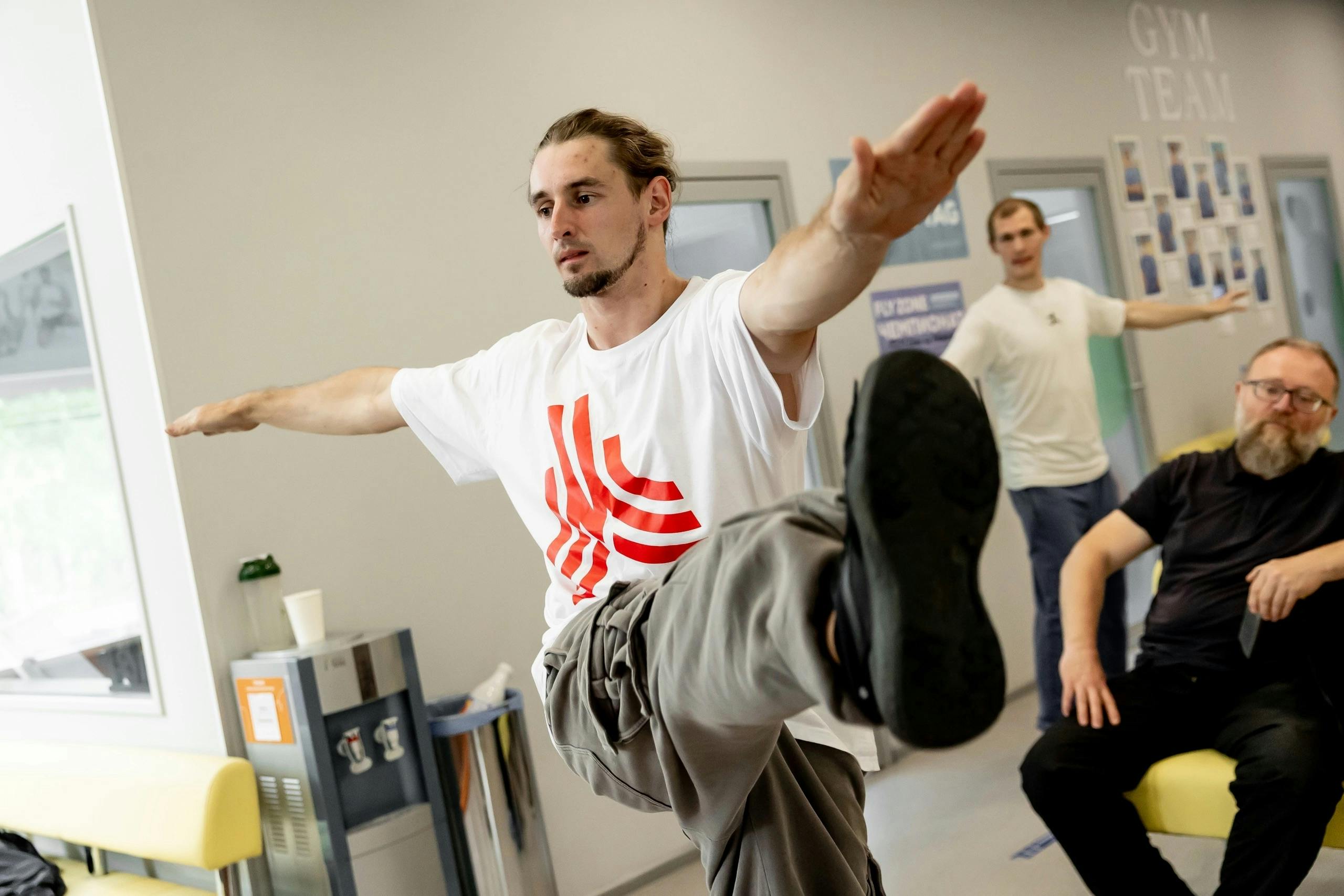
- Supported Single-Leg Stance: Stand near a wall or stable surface. Lift one foot just an inch off the ground, maintaining level hips and avoiding knee hyperextension. Start with 10-second holds.
- Tandem Stance: Place one foot directly in front of the other, heel to toe. This narrow base challenges your balance system without the complexity of single-leg work.
- Controlled Weight Shifts: Rock slowly from side to side or front to back, exploring the edges of your stability without losing control.
Level Three: Dynamic Balance Integration
Dynamic balance involves maintaining stability while moving—the true test of functional balance:
- Slow Walking Lunges: Focus on control through the transition rather than depth of the lunge. Keep your front knee tracking over your toes without wobbling.
- Step-Ups: Use a low step initially, emphasizing smooth ascent and controlled descent. Avoid momentum or pushing off the back leg.
- Single-Leg Deadlift with Support: Hinge at your hip while standing on one leg, lightly touching a wall for balance reference. This builds hip stability and proprioception simultaneously.
🧠 Neurological Training: Rewiring Your Proprioception
Physical strength alone won’t solve balance challenges with hypermobility. You must retrain your nervous system to interpret joint position more accurately and respond more effectively to balance perturbations.
Sensory Enhancement Strategies
Your brain relies on three primary systems for balance: visual, vestibular (inner ear), and proprioceptive (body position sense). People with hypermobility often over-rely on vision to compensate for poor proprioception.
Challenge this dependency by practicing balance exercises with eyes closed or partially closed. Start with simple exercises like standing on both feet, then progress to more challenging positions. This forces your brain to strengthen proprioceptive and vestibular pathways.
Vary the surfaces you practice on. Stable ground provides one type of feedback, while foam pads, wobble cushions, or even grass create different sensory challenges. This variety builds adaptable, robust balance responses.
Mindful Movement Practice
Slow, deliberate movement with focused attention creates stronger neural pathways than rushing through exercises. When performing any balance exercise, mentally scan your body. Notice which muscles are working, where you feel stable or unstable, and how your weight distributes through your feet.
This mindful approach transforms exercise from mere physical conditioning into neuromuscular re-education. You’re not just getting stronger—you’re teaching your nervous system new, more effective patterns of movement control.
🔄 Creating Sustainable Balance Routines
Consistency matters more than intensity when retraining balance with hypermobility. Short, frequent practice sessions yield better results than occasional lengthy workouts.
Daily Micro-Practices
Integrate balance work into everyday activities rather than isolating it to gym sessions. Brush your teeth while standing on one leg. Practice core engagement while washing dishes. These micro-practices accumulate, creating significant improvements over time.
Set environmental cues to remind you. Place a balance cushion where you’ll see it, or set phone reminders for brief balance checks throughout your day. Building habits ensures progress continues even when motivation wanes.
Sample Weekly Progression Plan
| Week | Focus Area | Key Exercises | Duration |
|---|---|---|---|
| 1-2 | Core Activation | Quadruped holds, modified planks, breathing drills | 10 min daily |
| 3-4 | Static Balance | Supported single-leg stance, tandem stance | 15 min, 5x weekly |
| 5-6 | Dynamic Integration | Slow lunges, step-ups, weight shifts | 20 min, 4x weekly |
| 7-8 | Challenge Progression | Unstable surfaces, eyes closed variations | 25 min, 4x weekly |
⚠️ Navigating Setbacks and Flare-Ups
Progress with hypermobility rarely follows a straight line. Pain flares, fatigue, and occasional regressions are normal parts of the journey, not signs of failure.
When experiencing a setback, resist the temptation to push through pain. Instead, return to earlier progression levels that feel manageable. This isn’t moving backward—it’s practicing intelligent adaptation, a crucial skill for long-term success.
Pain Versus Discomfort
Learning to distinguish productive discomfort from harmful pain is essential. The muscular fatigue of stability work feels different from the sharp or deep aching pain that signals joint stress or injury.
Productive discomfort occurs in muscles, feels like effort or mild burning, and resolves quickly after exercise. Harmful pain occurs in joints, feels sharp or deep, and persists or worsens after activity. Always honor the second type by backing off and potentially consulting a healthcare provider.
🌟 Beyond Exercise: Lifestyle Factors for Enhanced Stability
Your balance training doesn’t exist in isolation. Several lifestyle factors significantly impact your stability and overall function with hypermobility.
Footwear Considerations
Your feet are your foundation. Shoes that provide appropriate support without excessive cushioning allow natural foot mechanics while preventing hypermobile ankles from collapsing inward or outward excessively.
Minimize time in high heels or completely flat shoes without arch support. Both extremes challenge stability for hypermobile individuals. When possible, practice balance exercises barefoot to maximize proprioceptive feedback from your feet.
Hydration and Nutrition
Collagen health depends significantly on nutrition. Vitamin C supports collagen synthesis, while adequate protein provides building blocks for tissue repair. Chronic dehydration affects connective tissue quality and can worsen joint laxity.
Some evidence suggests that collagen supplementation may benefit people with hypermobility, though results vary individually. Consult with a healthcare provider knowledgeable about connective tissue disorders before starting any supplement regimen.
Sleep and Recovery
Quality sleep allows your nervous system to consolidate the motor learning from balance practice. During deep sleep, your brain processes and strengthens the neural pathways you’ve been developing through exercise.
Prioritize consistent sleep schedules and create an environment conducive to restorative rest. Your balance improvements depend as much on recovery as on training itself.
🎪 Real-World Application: Empowered Living Strategies
Ultimately, improved balance translates to enhanced quality of life. The stability you build through dedicated practice allows you to engage more fully with activities that bring joy and meaning.
Confidence in Daily Activities
As your balance improves, you’ll notice increased confidence in situations that previously felt risky. Navigating uneven sidewalks, reaching for items on high shelves, or carrying loads becomes less anxiety-provoking.
This psychological shift matters enormously. Many people with hypermobility develop movement avoidance patterns based on fear of injury. Breaking this cycle opens possibilities for richer, more active lives.
Athletic Pursuits and Recreation
Improved stability doesn’t mean abandoning flexibility or avoiding physical challenges. Instead, it means approaching activities from a position of strength and control rather than compensation and risk.
Whether you enjoy yoga, hiking, dancing, or team sports, balanced stability training allows you to participate more safely and effectively. You can still access your natural flexibility while protecting your joints through muscular control.
🚀 Your Empowered Future: Sustaining Long-Term Progress
Mastering balance with hypermobility is a journey, not a destination. Your body will continue changing throughout your life, requiring ongoing attention and adaptation.
Celebrate progress in all its forms. Perhaps you notice less daily pain, or you can walk longer distances without fatigue. Maybe you’ve stopped dropping things as frequently, or you feel more confident on stairs. These seemingly small victories represent significant neurological and physical adaptations.
Stay curious about your body. Continue exploring new balance challenges, seeking professional guidance when needed, and adjusting your approach as circumstances change. The awareness and skills you develop through this process serve you far beyond improved balance—they cultivate a deeper, more respectful relationship with your unique body.
Building Your Support Network
Consider working with healthcare professionals who understand hypermobility. Physical therapists specializing in hypermobility spectrum disorders can provide personalized guidance and identify specific weaknesses or compensation patterns you might miss independently.
Connect with others navigating similar challenges through online communities or local support groups. Sharing experiences, strategies, and encouragement creates accountability and reminds you that you’re not alone in this journey.
Your hypermobile body isn’t broken or defective—it simply requires different strategies than the standard fitness advice designed for typical joint mechanics. By honoring your body’s unique needs and committing to progressive, intelligent balance training, you unlock not just physical stability but genuine empowerment. You move from feeling vulnerable and uncertain to capable and confident, transforming hypermobility from a limitation into simply one characteristic of your remarkable, resilient body.