
Your core is more than just a six-pack. It’s the foundation of every movement you make, from lifting groceries to performing advanced athletic feats. Building true core strength transforms your entire body’s stability, posture, and power.

Whether you’re just starting your fitness journey or looking to elevate your training to elite levels, understanding how to properly develop your core musculature is essential. This comprehensive guide will take you through every stage of core development, ensuring you build a rock-solid midsection that supports all your physical activities and protects you from injury.
🎯 Understanding Your Core: More Than Just Abs
The core encompasses far more muscles than most people realize. While the rectus abdominis (the “six-pack” muscle) often gets the spotlight, your core actually consists of multiple muscle groups working in harmony to stabilize your spine and transfer force throughout your body.
Your core includes the transverse abdominis (your deep stabilizing muscle), internal and external obliques (for rotation and side bending), the erector spinae (lower back muscles), the multifidus, the pelvic floor muscles, and even the diaphragm. Together, these muscles create a muscular corset that protects your spine and enables efficient movement patterns.
Understanding this complexity is crucial because training only the superficial muscles while neglecting the deeper stabilizers leads to imbalanced development and increased injury risk. A truly strong core functions as an integrated unit, not as isolated muscle groups.
Why Core Strength Matters for Everyone
Core stability influences virtually every aspect of physical performance and daily life. A strong core improves posture, reducing the chronic back pain that affects millions of people who spend hours sitting at desks. It enhances balance and coordination, making you less prone to falls and injuries.
For athletes, core strength is the bridge that connects lower body power to upper body movements. Whether you’re throwing a ball, swinging a golf club, or sprinting, the force generation starts from the ground up and transfers through your core. Without adequate stability, this force dissipates instead of being efficiently channeled into your intended movement.
Even mundane activities like carrying groceries, playing with children, or gardening become easier and safer with a well-developed core. The investment in core training pays dividends across all areas of life, making it one of the most practical forms of exercise you can undertake.
🔰 Beginner Level: Building Your Foundation
If you’re new to core training or returning after a long break, starting with fundamental movements is essential. The beginner phase focuses on learning proper breathing techniques, establishing mind-muscle connection, and building baseline endurance in your stabilizing muscles.
Essential Beginner Exercises
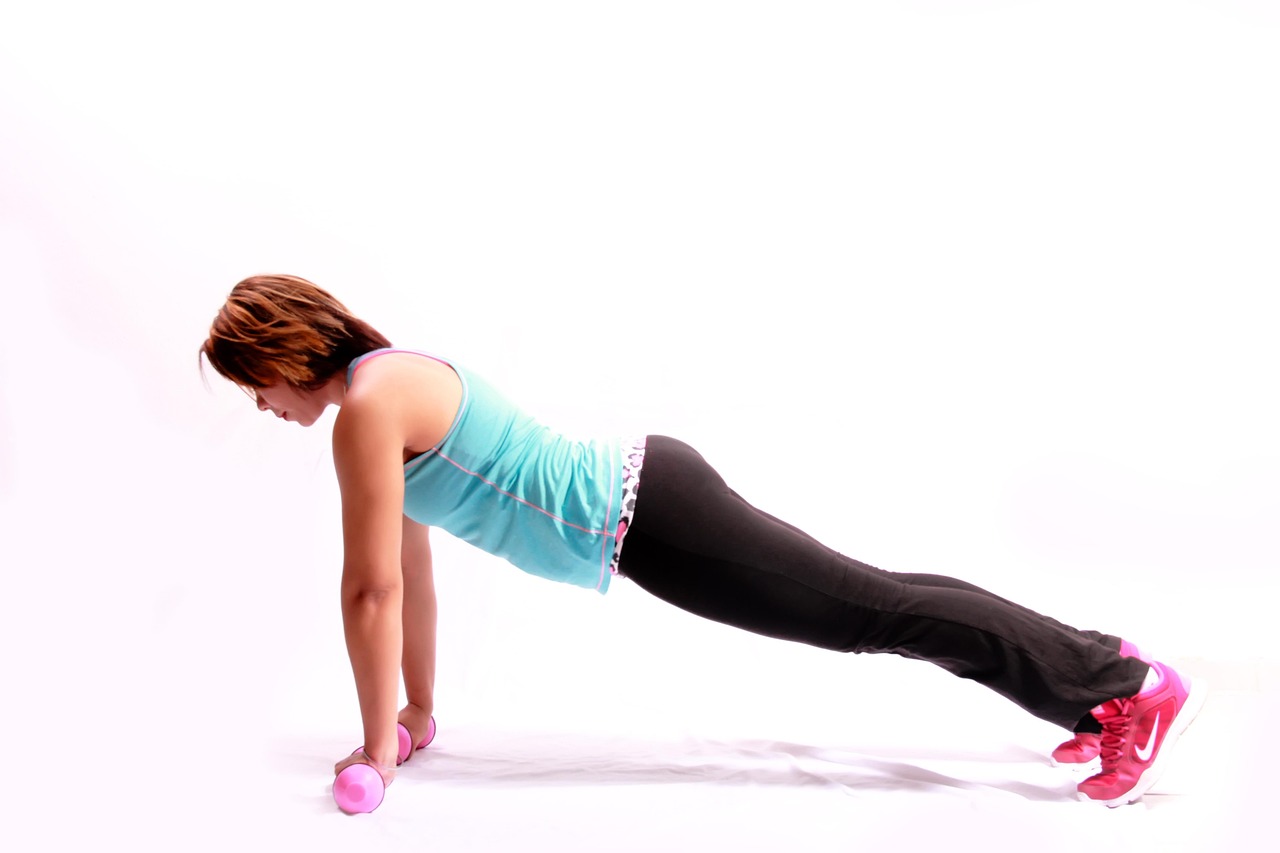
The plank is the cornerstone of beginner core training. Start with a modified plank on your knees if necessary, focusing on maintaining a neutral spine position. Your goal is to create a straight line from your head through your hips, avoiding the common mistakes of letting your hips sag or pike upward.
Dead bugs are another fundamental exercise that teaches core stability while moving your limbs. Lying on your back with arms extended toward the ceiling and knees bent at 90 degrees, you’ll lower opposite arm and leg while keeping your lower back pressed to the floor. This exercise trains anti-extension stability—your core’s ability to resist arching.
Bird dogs develop stability on all fours, extending opposite arm and leg while maintaining a steady torso. This movement pattern is particularly valuable because it mimics the cross-body coordination needed for walking and running.
Beginner Training Protocol
For beginners, frequency matters more than intensity. Aim to train your core 3-4 times per week, allowing at least one rest day between sessions. Each session should last 15-20 minutes, focusing on quality over quantity.
Start with holds of 20-30 seconds for static exercises like planks, performing 2-3 sets of each exercise. For dynamic movements like dead bugs, begin with 8-10 repetitions per side. As these become manageable, gradually increase duration or repetitions rather than rushing to advanced variations.
Remember that proper breathing is crucial. Many beginners hold their breath during core exercises, which increases blood pressure and reduces performance. Practice breathing steadily throughout each movement, never sacrificing breath for an extra second or repetition.
💪 Intermediate Level: Increasing Challenge and Complexity
Once you can hold a standard plank for 60 seconds with good form, perform 15 dead bugs per side without your back arching, and complete bird dogs with control, you’re ready for intermediate progressions. This level introduces movement, rotation, and anti-rotation challenges that build functional strength.
Progressive Intermediate Exercises
The Pallof press is an exceptional anti-rotation exercise that trains your core to resist twisting forces. Using a resistance band or cable machine, you’ll hold the handle at chest height and press it away from your body, resisting the band’s pull to rotate your torso. This directly translates to sports performance and injury prevention.
Hanging knee raises develop dynamic flexion strength while challenging your grip and shoulder stability. Start with small, controlled movements, focusing on using your abs to lift your knees rather than swinging with momentum. As you progress, straighten your legs for hanging leg raises.
Mountain climbers add a cardiovascular element while maintaining core stability. The key is keeping your hips level and core engaged rather than bouncing your hips up and down. Quality movement patterns matter more than speed at this stage.
Rotational Power Development
The intermediate phase is ideal for introducing rotational exercises that build the twisting power used in most sports and daily activities. Russian twists with a medicine ball, woodchoppers with a cable or band, and bicycle crunches all develop this crucial component of core strength.
When performing rotational exercises, remember that the movement should come from your torso, not from swinging your arms. Keep your core engaged throughout, moving with control rather than momentum. This ensures you’re building strength rather than just going through the motions.
Intermediate Training Structure
Intermediate trainees can handle 4-5 core sessions weekly, with greater volume and intensity than beginners. Each workout should last 20-30 minutes, incorporating 6-8 different exercises that target various functions of the core.
Structure your workouts to include anti-extension movements (like planks), anti-rotation exercises (like Pallof presses), flexion movements (like knee raises), and rotational work (like Russian twists). This comprehensive approach ensures balanced development across all core functions.
🏆 Advanced Level: Maximizing Strength and Athletic Performance
Advanced core training requires sophisticated exercise selection, periodization, and integration with your broader training program. At this level, you’re not just building strength—you’re developing power, endurance, and the ability to maintain stability under extreme conditions.
High-Level Core Exercises
The dragon flag, made famous by Bruce Lee, is one of the most challenging core exercises. It requires tremendous strength to keep your entire body rigid while lowering and raising it using only your shoulders as a pivot point. Most athletes need months or years to build up to a full dragon flag.
L-sits on parallettes or rings develop crushing core and hip flexor strength while also challenging your shoulders and triceps. Holding your entire body weight off the ground with legs extended forward requires exceptional strength throughout your entire anterior chain.
Weighted carries like the farmer’s walk, suitcase carry, and overhead carry train anti-lateral flexion—your core’s ability to resist side bending. These exercises are phenomenally effective for building real-world strength and improving posture under load.
Sport-Specific Core Development
Advanced athletes should tailor their core training to their specific sport demands. Runners benefit from exercises that train rotary stability and prevent excessive torso rotation during gait. Martial artists need explosive rotational power for striking and throwing movements.
Analyze the movement patterns and forces your sport demands from your core, then select exercises that specifically address those requirements. This targeted approach yields better performance improvements than generic core routines.
Advanced Programming Strategies
Advanced core training should be periodized like any other strength component. Alternate between phases emphasizing maximum strength, power, endurance, and integration with sport-specific movements. This prevents adaptation plateaus and ensures continuous progress.
Consider training your core both in dedicated sessions and as part of your warmup before other workouts. High-threshold movements like dragon flags belong in dedicated sessions when you’re fresh, while stability exercises can effectively activate your core before heavy lifting or sports practice.
⚠️ Common Core Training Mistakes to Avoid
One of the most pervasive mistakes is performing endless crunches while neglecting other core functions. Crunches only train spinal flexion, ignoring the stabilization roles that are actually more important for most activities. This creates imbalanced development and doesn’t translate well to real-world performance.
Another critical error is sacrificing form for higher numbers. A sloppy 90-second plank with sagging hips provides less benefit than a rock-solid 45-second hold. Always prioritize movement quality, only progressing when you can maintain perfect technique.
Many people also train their core in isolation from other movements. While dedicated core work has value, the most functional approach integrates core stability into compound exercises like squats, deadlifts, and overhead presses. These exercises demand core stability under load, building strength that transfers directly to daily life and sports.
🍽️ Nutrition and Recovery for Core Development
Visible abs require low body fat, which comes primarily from nutrition rather than exercise. You can build incredibly strong core muscles, but they’ll remain hidden under body fat if your diet doesn’t support fat loss. Focus on a sustainable caloric deficit if revealing your abs is a goal, prioritizing protein intake to preserve muscle mass.
Recovery is just as important as training. Your core muscles, like all muscles, grow and strengthen during rest periods, not during workouts. Ensure you’re getting adequate sleep, managing stress, and not training the same muscle functions on consecutive days without recovery time.
Hydration also plays a crucial role in core performance. The intervertebral discs in your spine depend on proper hydration to maintain their cushioning function. Dehydration can compromise spinal stability and increase injury risk during heavy core training.
Integrating Core Training Into Your Overall Fitness Program
Your core training shouldn’t exist in isolation from the rest of your fitness routine. Instead, it should complement and enhance your other training goals. If you’re focusing on building overall strength, perform your heavy compound lifts first when you’re fresh, then follow with dedicated core work.
For endurance athletes, core stability work fits well as part of your warmup or cooldown routines. The improved stability will enhance your running or cycling economy, allowing you to maintain better form as fatigue sets in during long efforts.
If fat loss is your primary goal, consider incorporating dynamic core exercises that elevate your heart rate, like mountain climbers or medicine ball slams. These provide both core strengthening and cardiovascular conditioning, making your training time more efficient.
📱 Tracking Progress and Staying Motivated
Measuring core strength progress requires more than just looking in the mirror. Track objective metrics like plank hold times, number of hanging leg raises completed, or the weight used in Pallof presses. Recording these numbers allows you to see tangible progress even when visual changes are slow.
Consider testing your core strength monthly with standardized assessments. This might include maximum plank hold time, maximum strict leg raises, or a timed L-sit hold. Watching these numbers improve provides powerful motivation to continue your training.
Many fitness apps can help you structure your core workouts, track progress, and provide video demonstrations of proper exercise technique. Using technology to support your training can improve consistency and ensure you’re always challenging yourself appropriately.
🎯 Creating Your Personalized Core Training Plan
Your ideal core training program depends on your current fitness level, available time, specific goals, and any physical limitations. A busy professional might thrive on three 15-minute sessions weekly, while a competitive athlete might dedicate five 45-minute sessions to comprehensive core development.
Start by honestly assessing your current ability level using the beginner exercises described earlier. If you struggle with basic planks and dead bugs, begin there regardless of your fitness in other areas. Building a proper foundation prevents injury and accelerates long-term progress.
Set specific, measurable goals for your core training. Instead of vague aspirations like “get stronger abs,” aim for concrete targets like “hold a plank for 90 seconds” or “complete 10 strict hanging leg raises.” These clear objectives keep you focused and motivated.
Building a Lifetime of Core Strength
Core training isn’t a temporary pursuit—it’s a lifelong investment in your physical health and capability. The stability and strength you build through consistent core training protects your spine, improves your quality of life, and enables you to stay active as you age.
As you progress through the levels from beginner to advanced, remember that mastery is a journey, not a destination. Even elite athletes continue refining their core training, finding new challenges and applications for their strength. Embrace this ongoing process of improvement and adaptation.
The roadmap provided here gives you everything needed to build exceptional core strength, but the actual journey is yours to take. Start where you are, use what you have, and commit to consistent effort. Your core is the foundation of your physical existence—invest in it wisely, and it will support everything else you do. 💪