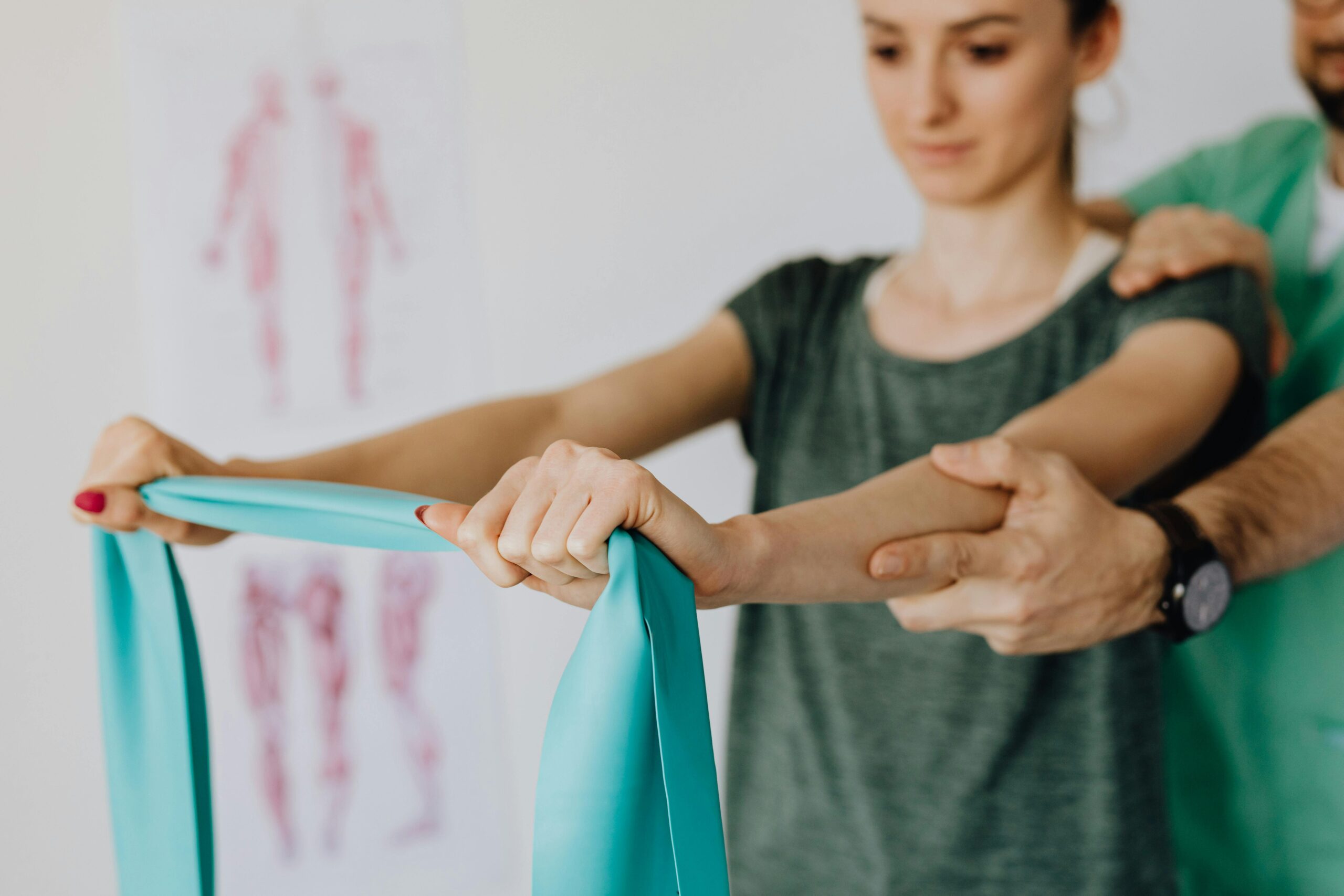
Lower-limb stability is the foundation of every movement you make, from walking to the gym to climbing stairs at home. When your legs, ankles, and hips work together harmoniously, you move with confidence, power, and grace through daily life.

Unfortunately, modern sedentary lifestyles and age-related muscle loss compromise this stability, leading to joint collapse, falls, and reduced mobility. The good news? You can reverse this decline and build remarkable strength and balance through targeted strategies that transform your lower-body foundation.
🦵 Understanding Lower-Limb Stability: Your Body’s Foundation
Lower-limb stability refers to your body’s ability to maintain control and balance through your legs, ankles, knees, and hips during static positions and dynamic movements. This complex system involves muscles, tendons, ligaments, and proprioceptive sensors working together to keep you upright and mobile.
When this system functions optimally, you enjoy effortless movement. When it weakens, you experience wobbling, compensatory movements, and eventually joint deterioration. The hip, knee, and ankle joints form a kinetic chain where weakness in one area creates problems throughout the entire system.
Joint collapse occurs when the supporting structures around your joints can no longer handle the loads placed upon them. This manifests as knee valgus (knees caving inward), ankle rolling, or hip drop during movement. Over time, these patterns accelerate cartilage wear, increase injury risk, and limit your active lifestyle.
The Hidden Cost of Poor Stability
Research shows that individuals with compromised lower-limb stability face significantly higher risks of falls, fractures, and chronic joint conditions. Beyond physical consequences, instability creates psychological barriers—fear of falling leads to activity avoidance, which further weakens the system in a vicious cycle.
Athletes and active individuals aren’t immune either. Poor stability limits performance, reduces power output, and increases vulnerability to ACL tears, ankle sprains, and overuse injuries. Whether you’re 25 or 75, stability matters for longevity and quality of life.
🎯 Key Components That Build Unshakeable Lower-Body Strength
Transforming your lower-limb stability requires addressing multiple components simultaneously. Focusing on just one element—like strength training alone—leaves gaps that compromise your results.
Muscular Strength and Endurance
Your quadriceps, hamstrings, glutes, and calf muscles provide the raw power needed to support joints and control movement. Weakness in any of these muscle groups forces other structures to compensate, creating imbalances and eventual breakdown.
The gluteus medius deserves special attention—this hip stabilizer prevents your knee from collapsing inward during single-leg activities. Strengthening this often-neglected muscle dramatically improves stability and reduces knee pain.
Proprioception and Neuromuscular Control
Proprioception is your body’s internal GPS—specialized sensors in your joints and muscles constantly feed information to your brain about position and movement. Sharp proprioception allows for instant adjustments that maintain balance and prevent injury.
Balance training on unstable surfaces, single-leg exercises, and coordination drills enhance this neurological component. Many people focus exclusively on strength while ignoring proprioception, leaving them strong but unstable.
Mobility and Flexibility
Restricted range of motion in your ankles, hips, or knees forces your body into compensatory movement patterns that stress joints. Adequate mobility allows proper joint alignment and optimal force distribution during movement.
Tight hip flexors from prolonged sitting, for example, inhibit glute activation and contribute to knee instability. Addressing mobility restrictions unlocks your body’s natural movement potential.
💪 Evidence-Based Exercises to Transform Your Stability
The following exercises target the critical components of lower-limb stability. Integrate them progressively into your routine, focusing on quality movement before adding difficulty or resistance.
Single-Leg Romanian Deadlifts
This exercise builds posterior chain strength while challenging balance and proprioception. Stand on one leg, hinge at the hip while extending the opposite leg behind you, then return to standing. This movement strengthens hamstrings, glutes, and ankle stabilizers simultaneously.
Start without weight to master the movement pattern, then gradually add dumbbells or kettlebells. Perform 3 sets of 8-12 repetitions per leg, focusing on controlled movement rather than speed.
Lateral Band Walks
Place a resistance band around your thighs just above the knees. Step sideways while maintaining tension in the band, keeping knees aligned over toes. This exercise specifically targets the gluteus medius, transforming hip stability and knee alignment.
Complete 3 sets of 15-20 steps in each direction. You should feel intense burning in the outer hip—that’s weakness being transformed into strength.
Single-Leg Balance Progressions
Begin by standing on one leg for 30-60 seconds with eyes open. Progress by closing your eyes, standing on an unstable surface like a foam pad, or adding upper-body movements while balancing. These variations dramatically improve proprioception and neuromuscular control.
Challenge yourself with multi-directional reaches—while balancing on one leg, reach the opposite leg forward, to the side, and behind you. This functional movement pattern translates directly to real-world stability.
Bulgarian Split Squats
Elevate your rear foot on a bench and perform single-leg squats with your front leg. This exercise builds tremendous strength in the quads, glutes, and stabilizing muscles while addressing left-right imbalances that commonly exist.
Start with bodyweight, then progress to holding dumbbells. Complete 3 sets of 10-15 repetitions per leg, descending until your front thigh reaches parallel with the ground.
Ankle Stability Series
Your ankles are the first point of contact with the ground and deserve dedicated attention. Perform calf raises on flat ground, then progress to single-leg variations and finally to unstable surfaces. Add alphabet traces—while standing on one leg, trace the alphabet with your opposite foot to challenge ankle stability from all angles.
🏃♀️ Creating Your Stability Transformation Program
Random exercise won’t produce systematic results. Structure your training with progressive overload and strategic variation to continuously challenge your neuromuscular system.
Weekly Training Template
Dedicate 3-4 sessions per week to lower-limb stability work. Each session should include a mobility warm-up, balance exercises, strength movements, and proprioceptive challenges. Sessions lasting 30-45 minutes produce excellent results when performed consistently.
Monday and Thursday might focus on strength exercises like Bulgarian split squats and single-leg deadlifts, while Tuesday and Friday emphasize balance drills and proprioceptive work. This approach balances muscular stress with neurological training.
Progressive Overload Strategies
Progression doesn’t always mean adding weight. For stability training, you can progress by increasing balance challenge, reducing rest periods, adding complexity to movements, or extending time under tension. Track your performance weekly to ensure continuous advancement.
When an exercise becomes easy with perfect form for the prescribed repetitions, increase difficulty by 10-15%. This gradual progression prevents plateaus while minimizing injury risk.
🍎 Nutrition and Recovery for Joint Health
Exercise provides the stimulus, but recovery and nutrition determine whether your body successfully adapts. Neglecting these elements sabotages even the best training program.
Anti-Inflammatory Nutrition
Chronic inflammation accelerates joint degradation and impairs recovery. Emphasize omega-3 fatty acids from fish, walnuts, and flaxseed, along with colorful vegetables rich in antioxidants. Minimize processed foods, excess sugar, and refined carbohydrates that promote inflammatory processes.
Adequate protein intake—roughly 1.6-2.2 grams per kilogram of bodyweight—provides the building blocks for muscle repair and growth. Distribute protein evenly across meals for optimal muscle protein synthesis.
Hydration and Joint Lubrication
Your joints require adequate hydration to maintain the synovial fluid that lubricates cartilage and reduces friction. Dehydration increases joint stiffness and discomfort. Aim for at least 2-3 liters of water daily, more if you’re training intensely or in hot conditions.
Sleep and Tissue Repair
Growth hormone release during deep sleep drives tissue repair and adaptation. Adults should target 7-9 hours of quality sleep nightly. Poor sleep impairs muscle recovery, increases inflammation, and reduces proprioceptive sharpness—all factors that compromise stability.
🧘♂️ Mobility Work That Unlocks Movement Potential
Mobility restrictions create compensatory patterns that stress joints and limit stability gains. Daily mobility work addresses these restrictions and enhances exercise effectiveness.
Hip Mobility Essentials
Perform 90/90 hip stretches, pigeon poses, and hip flexor stretches daily. Spend 2-3 minutes per position, breathing deeply to allow tissues to release. Improved hip mobility immediately enhances squat depth, stride length, and knee alignment.
Ankle Mobility Drills
Limited ankle dorsiflexion forces your knees forward excessively during squats and increases Achilles tendon stress. Practice wall ankle mobilizations—place your toes 4-5 inches from a wall and drive your knee forward to touch the wall while keeping your heel down. Gradually increase distance as mobility improves.
Dynamic Movement Preparation
Before training, perform dynamic movements like leg swings, walking lunges with rotation, and inchworms. These exercises increase blood flow, activate stabilizing muscles, and prepare your nervous system for the demands ahead.
⚠️ Recognizing and Preventing Joint Collapse Patterns
Identifying faulty movement patterns early allows you to correct them before they cause injury. Common collapse patterns include knee valgus, excessive foot pronation, and hip drop during single-leg activities.
The Mirror Test
Perform single-leg squats in front of a mirror, watching for knee position. Your knee should track over your second toe—if it collapses inward, you’re experiencing knee valgus from weak hip abductors and external rotators. This pattern accelerates knee joint wear and increases ACL injury risk.
The Step-Down Assessment
Stand on a step and slowly lower your opposite foot toward the ground. Watch for hip drop, knee collapse, or trunk lean. These compensations indicate specific weaknesses you can address with targeted exercises.
Video Analysis Benefits
Recording your movements from multiple angles reveals patterns invisible in real-time. Review footage to identify asymmetries, compensation strategies, and areas requiring additional work. Many smartphone apps now offer movement analysis features that highlight biomechanical issues.
👟 Footwear Considerations for Optimal Stability
Your shoes significantly influence lower-limb mechanics and stability. The wrong footwear can undermine your training efforts and promote joint collapse patterns.
Stability Versus Motion Control
Excessively cushioned or supportive shoes may feel comfortable but can reduce proprioceptive feedback and weaken foot stabilizers. Consider minimalist shoes or barefoot training for specific exercises to strengthen intrinsic foot muscles and improve ground feel.
However, individuals with significant structural issues or injury history may benefit from moderate support. Work with a movement specialist to determine optimal footwear for your unique biomechanics.
Training Surface Matters
Vary your training surfaces to challenge stability from different angles. Grass, sand, rubber, and foam surfaces each provide unique proprioceptive challenges. Outdoor terrain training—navigating uneven ground—builds adaptable, resilient stability that translates to injury prevention.
🎖️ Age-Specific Strategies for Lifelong Stability
Lower-limb stability requirements and training approaches differ across life stages. Tailoring your program to your age optimizes results and addresses stage-specific challenges.
Young Adults (20s-30s)
Build a robust foundation with challenging strength and plyometric exercises. This is the ideal time to develop maximum strength and neuromuscular efficiency that pays dividends throughout life. Focus on performance enhancement and injury prevention for sports and active pursuits.
Middle Age (40s-50s)
Combat age-related muscle loss with consistent resistance training while emphasizing joint health. Balance strength work with adequate recovery and mobility training. Address desk-job postural compensations that develop during career-building years.
Mature Adults (60s+)
Prioritize fall prevention and functional independence through balance-focused training. Strength remains crucial but should be built progressively with appropriate modifications. Research shows that even individuals in their 80s and 90s can make remarkable stability improvements with consistent training.
🚀 Tracking Progress and Maintaining Motivation
Measurable progress fuels motivation and helps you optimize your program. Establish baseline assessments and retest quarterly to document improvements.
Quantifiable Metrics
Track single-leg balance time with eyes closed, maximum Bulgarian split squat weight, and functional movement assessments. Record these numbers in a training journal or smartphone app to visualize your transformation over time.
Functional Improvements
Notice how daily activities become easier—climbing stairs without handrails, standing from the floor without assistance, or hiking longer distances without fatigue. These real-world improvements demonstrate that your training translates beyond the gym.
Community and Accountability
Training with partners or joining stability-focused classes provides accountability and social motivation. Sharing goals and progress with others creates positive pressure that keeps you consistent during challenging periods.
🔄 Integrating Stability Work Into Your Existing Routine
You don’t need to abandon your current training to build better stability. Strategic integration allows you to enhance existing programs without overtraining.
Replace bilateral exercises with unilateral variations—single-leg squats instead of regular squats, for example. This immediately increases stability demands without adding training time. Incorporate balance challenges during rest periods between strength sets to maximize efficiency.
Warm-ups offer another opportunity—spend 10 minutes on mobility and balance drills before your regular workout. This preparation enhances exercise performance while building stability systematically.
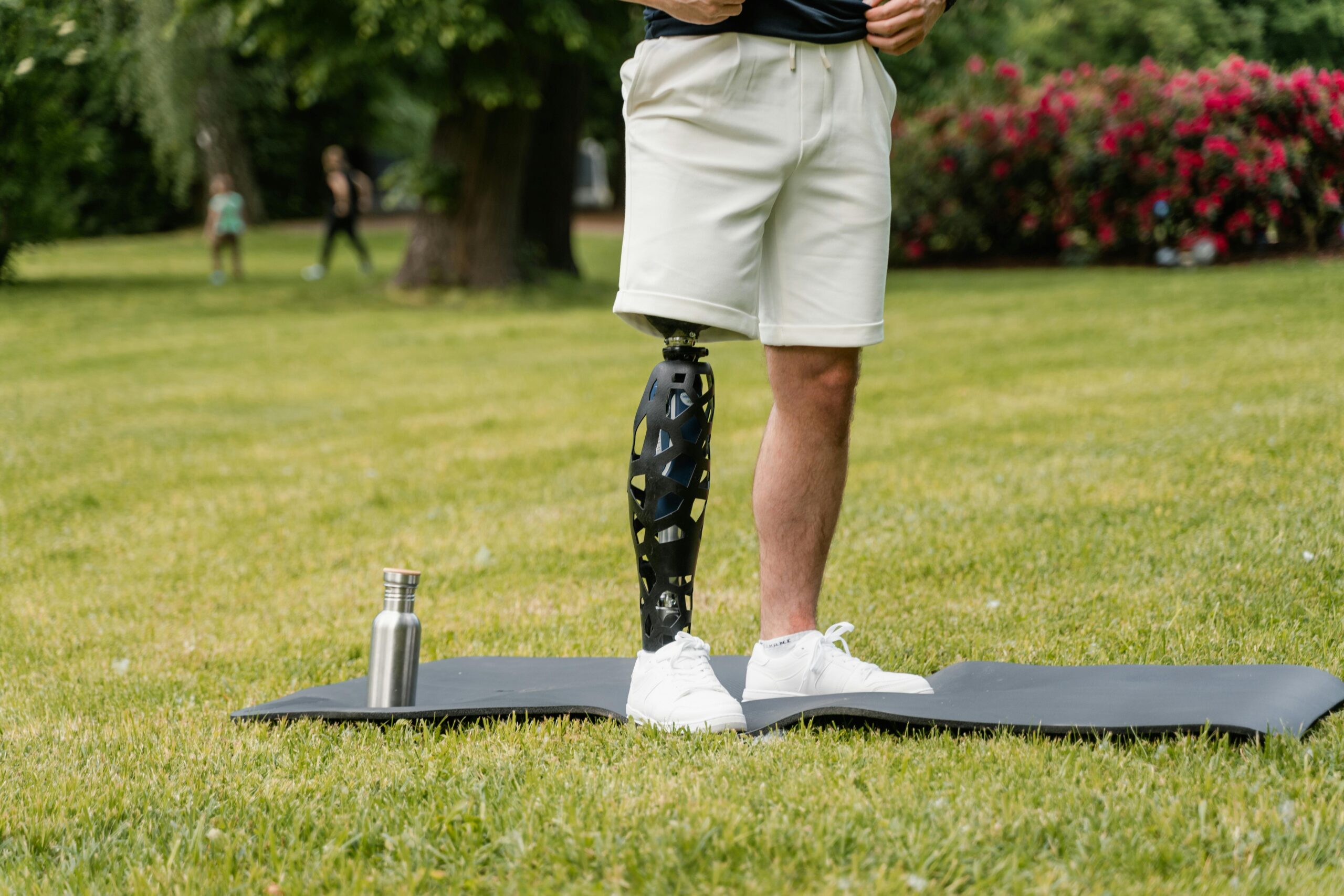
🌟 Transform Your Foundation, Transform Your Life
Lower-limb stability determines whether you move through life with confidence or caution, power or pain. The accumulated effects of consistent stability training extend far beyond preventing joint collapse—they enhance athletic performance, reduce injury risk, and preserve independence throughout aging.
Start with foundational exercises, progress systematically, and remain patient with the process. Neurological adaptations require time to solidify, but the investment pays remarkable dividends. Your future self—hiking mountains, playing with grandchildren, or simply navigating daily life without limitation—will thank you for the work you begin today.
Strong, stable lower limbs create the foundation for an active, fulfilling life at any age. The question isn’t whether you can improve your stability—research proves you can. The only question is whether you’ll commit to the process. Your transformation begins with the first single-leg balance, the first Bulgarian split squat, the first intentional step toward a more stable, powerful you.