
Your shoulders are among the most mobile yet vulnerable joints in your body, requiring a delicate balance of strength and stability to function optimally.

Whether you’re an athlete pushing performance limits, a fitness enthusiast, or someone recovering from shoulder discomfort, understanding how to systematically build shoulder and scapular health can transform your movement quality and prevent future injuries. This comprehensive phase-based program offers a structured approach to unlocking genuine shoulder strength while establishing the foundation of stability your body craves.
🎯 Why Shoulder and Scapular Health Matters More Than You Think
The shoulder complex represents one of the most intricate systems in human anatomy. Unlike the hip joint, which prioritizes stability through its deep socket structure, the shoulder sacrifices inherent stability for remarkable mobility. This design allows you to reach overhead, behind your back, and across your body—movements essential for daily activities and athletic performance.
However, this mobility comes at a cost. The shoulder joint relies heavily on muscular control rather than bony architecture for stability. The scapula, or shoulder blade, acts as the foundation for all shoulder movements, and when scapular control falters, shoulder problems inevitably follow.
Modern lifestyle factors compound these challenges. Hours spent hunched over computers, smartphones, and steering wheels create muscular imbalances that pull the scapulae forward and downward. The muscles that should stabilize the shoulder blade become weak and inhibited, while chest and anterior shoulder muscles become chronically tight. This pattern sets the stage for impingement syndromes, rotator cuff issues, and chronic pain.
Understanding the Kinetic Chain: From Scapula to Performance
Before diving into the program phases, understanding the relationship between scapular position and shoulder function is crucial. Think of your scapula as the launching pad for your arm. When this pad is unstable or poorly positioned, every movement your arm makes starts from a compromised foundation.
The scapula should move smoothly along the ribcage during arm elevation, maintaining specific rhythm patterns with the humerus (upper arm bone). This scapulohumeral rhythm ensures optimal joint mechanics and distributes forces appropriately throughout the shoulder complex. When this rhythm breaks down—often due to weak serratus anterior, lower trapezius, or rotator cuff muscles—compensatory patterns emerge that overload certain structures while underutilizing others.
Research consistently demonstrates that scapular dyskinesis (abnormal scapular movement) is present in up to 68% of individuals with shoulder pain. Addressing this foundational issue becomes paramount in any comprehensive shoulder program.
📋 Phase 1: Establishing Awareness and Foundational Control
The initial phase focuses on developing body awareness and activating muscles that may have become dormant through disuse or compensatory movement patterns. This phase typically lasts two to three weeks, though individual progress varies.
Scapular Setting and Position Awareness
Begin by learning to consciously control scapular position. Stand or sit with proper posture, placing your fingers on your shoulder blades. Practice gently drawing your scapulae down and back—not aggressively squeezing, but creating a sensation of the shoulder blades settling into a stable position. Hold this position for five seconds, then relax. Perform three sets of ten repetitions daily.
This seemingly simple exercise establishes the neural pathways necessary for more complex movements. Many people discover they’ve lost the ability to isolate these movements, highlighting the importance of this foundational work.
Serratus Anterior Activation
The serratus anterior muscle plays a critical role in scapular stability, particularly during arm elevation and protraction. To activate this muscle, begin with the scapular push-up plus. Start in a standard push-up position (or on your knees if needed). Once in the top position, actively push through your hands to protract your scapulae, creating additional elevation through your upper back. You should feel muscles along the side of your ribcage working.
Perform two to three sets of eight to twelve repetitions, focusing entirely on quality of movement rather than quantity.
Rotator Cuff Gentle Engagement
The rotator cuff muscles—supraspinatus, infraspinatus, teres minor, and subscapularis—function primarily as dynamic stabilizers of the humeral head within the glenoid socket. Begin with gentle isometric exercises that don’t involve movement but rather sustained contraction.
Wall external rotation isometrics work well for this purpose. Stand sideways to a wall with your elbow bent 90 degrees and pressed against your side. Place the back of your hand against the wall and gently push as if rotating your arm outward. Hold for six to eight seconds, rest, and repeat for three sets of six repetitions on each side.
💪 Phase 2: Building Strength Through Progressive Resistance
Once you’ve established basic awareness and can consistently demonstrate proper scapular control, progress to Phase 2. This phase typically spans four to six weeks and introduces progressive resistance to build genuine strength.
Banded Scapular Exercises
Resistance bands provide variable resistance that challenges muscles throughout their entire range of motion. The banded face pull exemplifies an ideal Phase 2 exercise. Attach a band at chest height, grasp both ends, and pull toward your face while externally rotating your arms. The key is maintaining scapular depression (shoulder blades down) and retraction (shoulder blades back) throughout the movement.
Perform three sets of twelve to fifteen repetitions, gradually increasing band resistance as strength improves.
Loaded Carries for Scapular Stability
Carrying loaded implements challenges scapular stabilizers in a functional context. The farmer’s carry—walking while holding heavy dumbbells or kettlebells at your sides—requires sustained scapular stability against gravitational and inertial forces.
Start conservatively with weights you can control for thirty to forty seconds of walking. Focus on maintaining upright posture with shoulders down and back. Perform three to four sets with adequate rest between efforts.
Strengthening the Lower Trapezius
The lower trapezius muscle is chronically weak in most individuals, contributing to scapular dysfunction. The prone Y-raise effectively targets this muscle. Lie face-down on a bench or floor with arms extended overhead in a “Y” position, thumbs pointing upward. Lift your arms by squeezing your shoulder blades down and together, raising your hands several inches off the surface.
Begin with body weight only, performing three sets of ten to twelve repetitions. As this becomes manageable, add light dumbbells (one to three pounds initially).
🚀 Phase 3: Integration and Performance Enhancement
Phase 3 represents the culmination of your shoulder development program, typically beginning after six to eight weeks of consistent training. This phase emphasizes integrating shoulder stability into complex, multi-joint movements that mimic real-world activities and athletic demands.
Turkish Get-Ups for Total Body Integration
The Turkish get-up challenges shoulder stability throughout a complex transitional movement from lying to standing. This exercise requires maintaining a vertically aligned arm (typically holding a kettlebell or dumbbell) while the body changes positions beneath it.
Begin with a light weight or even just your fist to learn the movement pattern. The complexity of this exercise demands focused practice, but the carryover to functional shoulder stability is exceptional. Perform three to five repetitions per side, treating each repetition as a practice session rather than merely work to be completed.
Overhead Pressing Variations
With proper foundation established, overhead pressing movements become safe and effective. The half-kneeling landmine press offers an excellent introduction to loaded overhead work. The angled pressing path reduces shoulder stress compared to strict vertical presses while still challenging strength and stability.
Perform three to four sets of six to ten repetitions per side, focusing on maintaining neutral spine position and avoiding compensatory trunk extension.
Advanced Scapular Control: Wall Slides and Floor Slides
These exercises challenge the ability to maintain scapular position during active arm elevation. For wall slides, stand with your back against a wall, arms at shoulder height with elbows bent. Slowly slide your arms overhead while maintaining contact between your arms, back, and the wall. This seemingly simple movement reveals restrictions in thoracic extension and shoulder flexion while challenging scapular upward rotation control.
Perform two to three sets of eight to ten repetitions, never forcing range of motion beyond what you can control with proper form.
🔄 Progressive Overload and Program Periodization
Sustainable progress requires systematic progression. Within each phase, manipulate training variables to continually challenge your system without overwhelming recovery capacity.
Consider these progression strategies:
- Increasing repetitions within a given set range before adding resistance
- Extending time under tension by slowing down movement tempo
- Decreasing rest periods between sets to increase density
- Progressing from bilateral to unilateral exercises for increased stability demands
- Advancing from stable to unstable surfaces when appropriate
Track your workouts to ensure consistent progression. Simple notebook documentation of exercises, sets, repetitions, and resistance provides valuable feedback on your trajectory.
⚠️ Red Flags and When to Seek Professional Guidance
While this program benefits most individuals, certain symptoms warrant professional evaluation. Seek guidance from a physical therapist or sports medicine physician if you experience:
- Sharp, stabbing pain during or after exercise
- Pain that wakes you at night or prevents sleeping on the affected shoulder
- Significant weakness that doesn’t improve with consistent training
- Numbness, tingling, or radiating pain down the arm
- Visible deformity or unusual clicking and catching sensations
- Symptoms persisting beyond six to eight weeks despite appropriate training
These signs may indicate structural issues requiring specific intervention beyond general exercise programming.
Nutrition and Recovery Considerations for Optimal Adaptation
Training represents only one component of the adaptation equation. Supporting your efforts with appropriate nutrition and recovery strategies amplifies results.
Protein intake supports tissue repair and muscle development. Aim for approximately 0.7 to 1.0 grams of protein per pound of body weight daily, distributed across multiple meals. Quality sources include lean meats, fish, eggs, dairy, legumes, and supplemental protein powders when convenient.
Anti-inflammatory nutrition patterns may accelerate recovery and reduce training-related soreness. Emphasize colorful vegetables, fruits rich in antioxidants, omega-3 fatty acids from fish or algae sources, and adequate hydration. Minimize processed foods, excessive sugar, and inflammatory oils that may impair recovery.
Sleep quality directly impacts recovery and adaptation. Prioritize seven to nine hours of quality sleep nightly, maintaining consistent sleep-wake schedules when possible. Poor sleep undermines training efforts and increases injury risk through impaired motor control and recovery capacity.
Creating Your Personalized Timeline and Tracking Progress
Individual starting points vary dramatically based on training history, injury status, and movement quality. Use this general timeline as a framework, adjusting based on your response:
| Phase | Duration | Weekly Frequency | Primary Focus |
|---|---|---|---|
| Phase 1 | 2-3 weeks | 4-6 sessions | Awareness and activation |
| Phase 2 | 4-6 weeks | 3-4 sessions | Progressive strengthening |
| Phase 3 | 6+ weeks | 2-4 sessions | Integration and performance |
Document baseline measurements to quantify progress. Consider tracking pain levels on a 0-10 scale, range of motion measurements, and specific performance metrics like repetitions achieved or weight lifted in key exercises. Photographic documentation from consistent angles can reveal postural improvements that occur gradually.
Long-Term Maintenance and Injury Prevention Strategies
Completing this program isn’t a finish line but rather establishes habits for lifelong shoulder health. Maintaining the gains you’ve achieved requires ongoing attention, though with reduced volume compared to initial development phases.
Dedicate two sessions weekly to shoulder-specific work even after completing all three phases. These maintenance sessions might include a selection of exercises from each phase, ensuring continued engagement of critical stabilizing muscles.
Incorporate movement variability into your routine. The shoulder joint thrives on diverse movement patterns rather than repetitive, limited ranges of motion. Explore activities like swimming, climbing, yoga, or martial arts that challenge shoulder function in various planes of motion.
Regular self-assessment helps catch problems early. Monthly check-ins evaluating pain levels, range of motion, and movement quality provide early warning signs if issues are developing. Address minor problems immediately rather than waiting until they become significant limitations.
🎓 Advanced Concepts: Velocity-Based Training and Proprioceptive Enhancement
For those seeking to maximize performance outcomes, advanced training concepts offer additional benefits. Velocity-based training uses movement speed as a metric for prescribing training intensity. Slower velocities under load indicate fatigue accumulation, providing objective data for managing training volume.
Proprioceptive training enhances the nervous system’s ability to sense joint position and control movement. Exercises performed on unstable surfaces, with eyes closed, or incorporating reactive elements challenge proprioceptive systems. For shoulder training, exercises like single-arm planks on a stability ball or catching and throwing medicine balls while maintaining scapular stability develop these qualities.
Implement these advanced methods only after establishing solid foundations through the three-phase progression outlined earlier. Adding complexity to dysfunctional movement patterns amplifies problems rather than solving them.
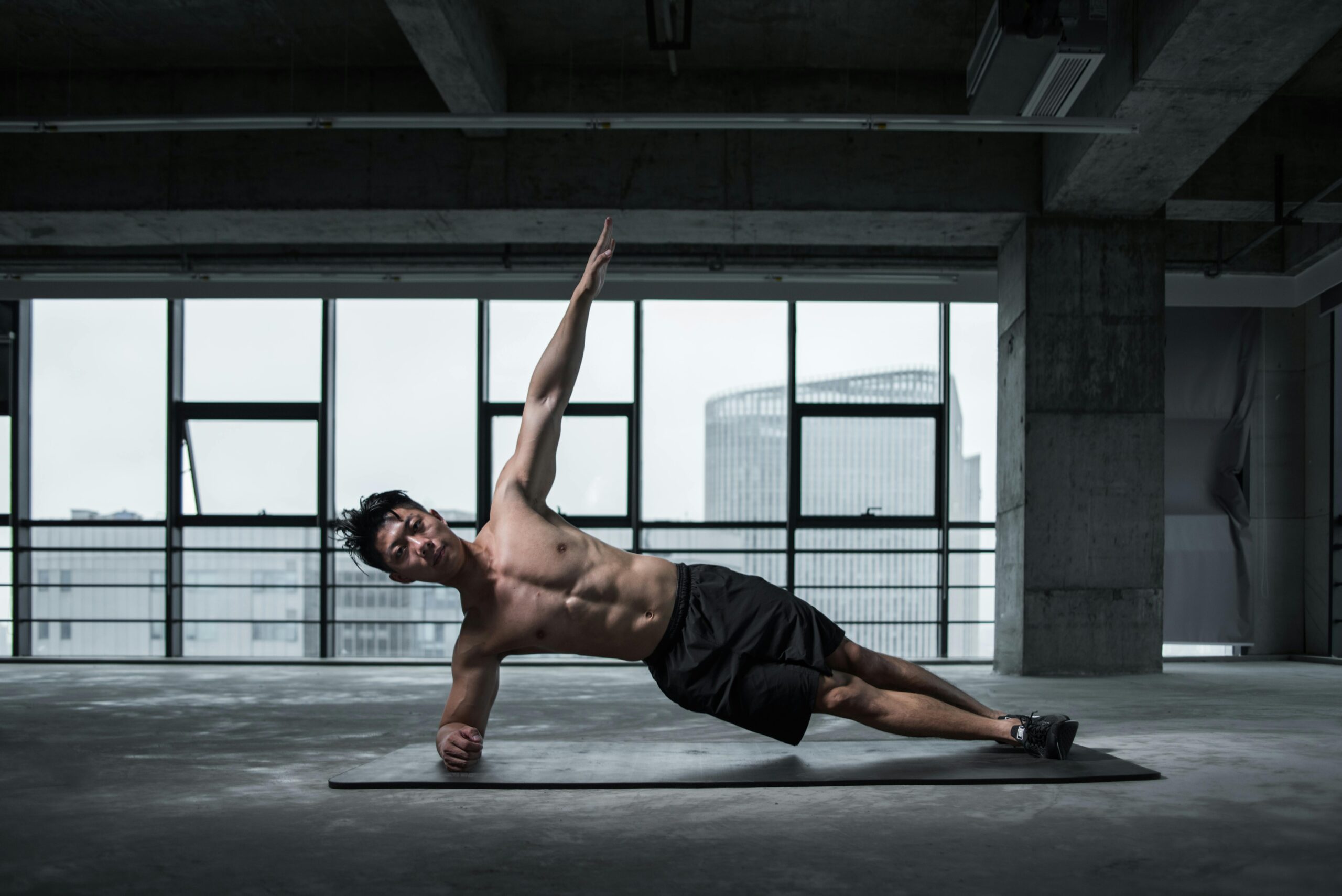
Your Journey Toward Resilient, Powerful Shoulders
Developing exceptional shoulder and scapular health requires patience, consistency, and attention to detail. This phase-based approach provides the roadmap, but your commitment to the process determines outcomes. The shoulders you build through systematic training become resilient to injury, capable of impressive performance, and free from the limitations that plague those who neglect these critical structures.
Start where you are, progress methodically through each phase, and trust the process. The investment you make today in shoulder health pays dividends for decades, supporting active lifestyles and athletic pursuits while keeping pain and dysfunction at bay. Your future self will thank you for the time and effort invested in building shoulders that are both strong and stable—truly unlocking the performance potential your body possesses.