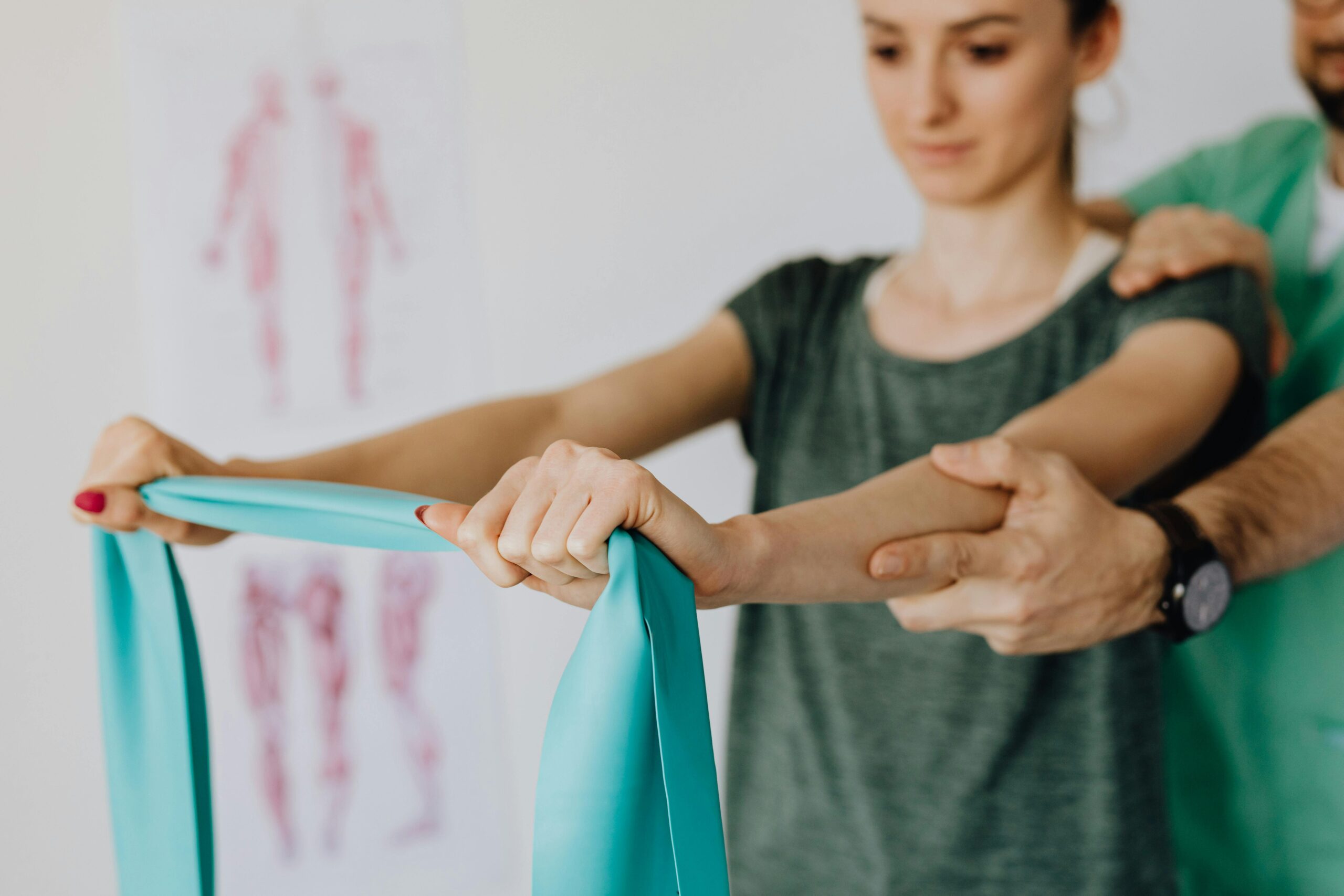
Living with hypermobility presents unique challenges that affect every step you take. Understanding how to transform your movement patterns while building genuine strength can revolutionize your daily life and long-term physical health.

Hypermobile individuals often experience unstable joints, frequent injuries, and chronic fatigue that stems from their bodies working overtime to maintain stability. The journey toward confident, pain-free movement begins with recognizing that traditional fitness approaches often fail those with hypermobility. What your body needs is a specialized gait stability program designed specifically for your unique biomechanical needs.
🦵 Understanding Hypermobility and Its Impact on Movement
Hypermobility occurs when joints move beyond the normal range of motion, creating excessive flexibility that many mistakenly celebrate as advantageous. While this increased range might seem beneficial for activities like yoga or gymnastics, it creates significant challenges for everyday movement and stability.
The connective tissues in hypermobile bodies are more elastic than average, meaning muscles must work considerably harder to control joint positions during basic activities like walking, standing, or climbing stairs. This constant muscular effort leads to premature fatigue, compensatory movement patterns, and increased injury risk.
Research indicates that approximately 10-20% of the population experiences some degree of joint hypermobility, with many remaining undiagnosed. These individuals frequently report ankle sprains, knee pain, hip instability, and difficulty with balance and coordination during routine activities.
Why Traditional Gait Training Falls Short for Hypermobile Bodies
Conventional walking programs and general fitness routines typically assume a baseline level of joint stability that hypermobile individuals simply don’t possess. These standard approaches often encourage stretching and flexibility work—precisely what hypermobile bodies don’t need more of.
Traditional gait training focuses on stride length, cadence, and cardiovascular endurance without addressing the fundamental stability deficits that hypermobile individuals face. This oversight can actually worsen symptoms by reinforcing poor movement patterns and overloading already stressed joints.
The disconnect between standard rehabilitation protocols and hypermobile needs has left countless individuals frustrated, confused, and convinced that their bodies are simply “broken” beyond repair. The truth is far more encouraging: with the right approach, hypermobile individuals can develop remarkable stability and strength.
🎯 The Core Principles of Effective Gait Stability Training
A truly effective gait stability program for hypermobile individuals must prioritize joint control over joint range. This fundamental shift in focus transforms outcomes by teaching your nervous system to maintain safe, stable positions throughout the movement cycle.
Proprioceptive Retraining: Your Body’s GPS System
Proprioception refers to your body’s ability to sense joint position and movement in space. Hypermobile individuals often have diminished proprioceptive awareness, making it difficult to recognize when joints are in vulnerable positions.
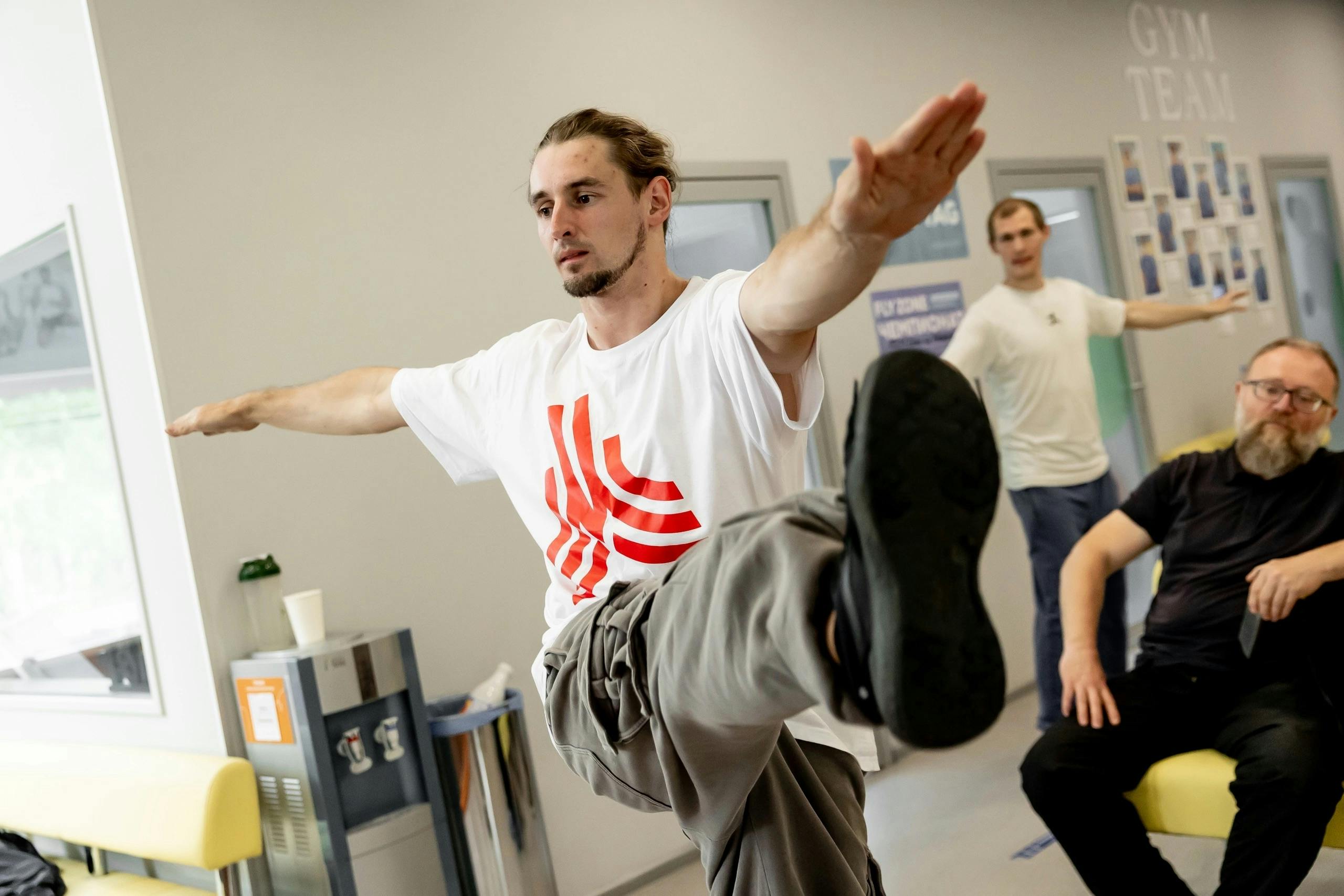
Effective proprioceptive training involves exercises that challenge your balance and position sense without pushing joints into extreme ranges. Single-leg balance work, wobble board exercises, and slow, controlled movements help rebuild this critical sensory feedback system.
The goal isn’t to restrict movement but to develop conscious awareness of joint positions so your body can automatically engage stabilizing muscles before problems occur. This neural retraining creates lasting changes that carry over into every step you take.
Strategic Strength Building Without Hyperextension
Strength training for hypermobile individuals requires meticulous attention to form and range of motion. The common fitness mantra of “full range of motion” can be dangerous when your “full range” extends well beyond safe biomechanical limits.
Controlled, partial-range exercises that emphasize muscle engagement in mid-ranges provide the stability foundation hypermobile bodies desperately need. Isometric holds, slow eccentric lowering phases, and exercises performed in slightly bent positions train muscles to protect joints effectively.
Progressive resistance training that prioritizes time under tension over heavy weights builds endurance in stabilizing muscles, which is far more valuable than maximum strength for improving gait patterns.
Building Your Foundation: Essential Exercises for Gait Stability
The most effective gait stability program begins with foundational exercises that establish control before progressing to dynamic walking patterns. These movements might seem simple, but they create profound changes in how your body organizes movement.
Ankle Stability Work: The Ground-Level Game Changer
Your ankles serve as the critical interface between your body and the ground, making ankle stability absolutely essential for confident walking. Hypermobile ankles tend toward excessive pronation or supination, creating instability that ripples up through the entire kinetic chain.
Standing heel raises performed with a slight knee bend and emphasis on controlled lowering strengthen the muscles around the ankle joint without encouraging hyperextension. Progress to single-leg variations only after mastering bilateral versions with perfect form.
Alphabet tracing exercises—writing letters in the air with your foot—improve ankle mobility control across multiple planes of motion. Perform these slowly and deliberately, focusing on smooth, controlled movements rather than speed or range.
Hip Stabilization: The Powerhouse of Gait Control
Hip stability directly influences how effectively you can control your pelvis and lower extremities during the walking cycle. Weak hip stabilizers force other joints to compensate, leading to problematic movement patterns and pain.
Side-lying hip abduction performed with the leg slightly forward of neutral and knee gently bent targets hip stabilizers without encouraging joint hyperextension. Maintain a subtle squeeze in your glutes throughout the movement, avoiding any swinging or momentum.
Standing hip shifts—slowly transferring weight from one leg to the other while maintaining level hips—teach dynamic weight transfer control that directly translates to better walking mechanics. This seemingly simple exercise challenges multiple stability systems simultaneously.
🚶 Progressive Gait Training Techniques That Actually Work
Once foundational stability improves, the program progresses toward dynamic gait training that respects hypermobile limitations while building functional capacity. This progression must be gradual, systematic, and highly individualized.
Slow-Motion Walking: Mastering the Mechanics
Walking at drastically reduced speeds allows conscious attention to every phase of the gait cycle, creating opportunities to correct problematic patterns before they become automatic at normal speeds.
Practice walking as slowly as possible while maintaining continuous forward motion. Notice where your joints feel unstable or where muscles fatigue quickly—these reveal areas requiring additional strengthening or motor control work.
Focus particularly on the stance phase, ensuring your standing leg maintains a slight knee bend rather than locking into hyperextension. This single correction can dramatically reduce knee pain and improve overall gait efficiency.
Cadence Training for Optimal Joint Loading
Research suggests that increasing step cadence—taking more frequent, shorter steps—reduces joint loading and may benefit hypermobile individuals. A cadence of 170-180 steps per minute often proves optimal for minimizing joint stress during walking.
Using a metronome app or music with the appropriate tempo can help establish and maintain ideal cadence. Initially, this faster stepping pattern may feel awkward, but it typically reduces pain and fatigue as your body adapts.
Shorter, quicker steps limit the time each joint spends in potentially vulnerable end-range positions, creating a more controlled and sustainable gait pattern. This adjustment alone can transform comfort during extended walking.
Creating Your Personalized Gait Stability Program
An effective program requires careful planning, consistent execution, and regular assessment of progress. Cookie-cutter approaches rarely succeed with hypermobile bodies that present highly individual challenges and capabilities.
Weekly Structure for Sustainable Progress
A balanced weekly schedule might include:
- Monday: Ankle and foot stability work (20 minutes) + slow-motion gait practice (10 minutes)
- Tuesday: Hip strengthening and proprioceptive training (25 minutes)
- Wednesday: Active recovery with gentle movement and mobility control exercises
- Thursday: Full-body stability circuit emphasizing gait-relevant muscles (30 minutes)
- Friday: Cadence training and progressive walking practice (20-30 minutes)
- Weekend: One day of targeted weakness work, one day complete rest
This structure provides adequate stimulus for adaptation while respecting the recovery needs of hypermobile tissues, which often require more rest than standard protocols suggest.
Tracking Progress Beyond Traditional Metrics
Standard fitness tracking emphasizes distance, speed, and intensity—metrics that often mislead hypermobile individuals about actual progress. More relevant indicators include reduction in post-activity pain, improved next-day recovery, decreased frequency of joint “giving out” episodes, and enhanced confidence during challenging terrain.
Maintaining a symptom journal that tracks pain levels, fatigue, and functional capabilities provides valuable insight into what’s working and what needs adjustment. Pattern recognition over weeks and months reveals true progress that daily fluctuations might obscure.
💪 Nutritional Considerations for Connective Tissue Support
While exercise forms the foundation of improved gait stability, nutritional strategies can support connective tissue health and optimize recovery from training efforts. Hypermobile individuals may benefit from targeted nutritional approaches that support collagen synthesis and reduce systemic inflammation.
Adequate protein intake—approximately 1.2-1.6 grams per kilogram of body weight—provides amino acids necessary for tissue repair and muscle development. Vitamin C plays a crucial role in collagen formation, making citrus fruits, berries, and leafy greens valuable dietary inclusions.
Omega-3 fatty acids from sources like fatty fish, walnuts, and flaxseeds may help modulate inflammation and support joint health. Staying well-hydrated ensures optimal tissue function and supports the viscosity of joint fluids.
Some individuals with hypermobility disorders report benefits from collagen supplementation, though research remains limited. Consulting with a healthcare provider or registered dietitian familiar with hypermobility can help develop an individualized nutritional strategy.
🎮 Technology and Tools to Enhance Your Training
Modern technology offers valuable tools for individuals working to improve gait stability. Wearable sensors, smartphone applications, and simple training devices can provide feedback and structure that enhance program effectiveness.
Metronome apps help establish and maintain optimal cadence during walking practice. Balance training apps that use smartphone accelerometers create engaging proprioceptive challenges. Video analysis using standard smartphone cameras allows detailed review of gait mechanics and form during exercises.
Resistance bands, wobble boards, and foam balance pads provide inexpensive equipment for home-based stability training. These tools create unstable surfaces and variable resistance that challenge stabilizing muscles effectively.
Overcoming Common Obstacles and Setbacks
The path toward improved gait stability rarely progresses in a straight line. Understanding common obstacles and developing strategies to navigate them prevents discouragement and program abandonment.
Managing Flare-Ups Without Losing Progress
Pain flare-ups and increased symptoms occasionally occur, even with perfect program adherence. These setbacks don’t necessarily indicate regression but often represent normal fluctuations in hypermobile bodies influenced by factors like weather changes, stress, or hormonal cycles.
During flare-ups, reduce training intensity and volume rather than stopping completely. Gentle movement often proves more beneficial than complete rest for managing symptoms and maintaining the neural patterns you’ve developed.
Return to foundational exercises, slow your movements further, and reduce resistance or complexity. This modified approach maintains engagement with your program while respecting your body’s current capacity.
Addressing the Frustration of Slow Progress
Hypermobile individuals often require more time to see measurable improvements compared to the general population. Connective tissue adaptations occur slowly, and neural retraining takes consistent repetition over extended periods.
Celebrate small victories: walking an extra block without pain, maintaining better form throughout an exercise, or experiencing improved next-day recovery all represent genuine progress worthy of recognition.
Comparison with others—or with your pre-hypermobility-aware self—creates unnecessary frustration. Your journey is unique, and the goal isn’t to match someone else’s capabilities but to maximize your own functional potential.
🌟 Long-Term Maintenance and Lifestyle Integration
True transformation occurs when gait stability work becomes an integrated aspect of your lifestyle rather than a temporary rehabilitation project. Sustainability requires finding approaches that fit realistically into your daily routine.
Many foundational exercises can be performed during everyday activities: practicing proprioceptive awareness while standing in line, engaging stabilizing muscles during routine tasks, or incorporating cadence awareness during any walking.
Periodic reassessment every 6-8 weeks helps identify emerging weaknesses before they create problems and ensures your program continues evolving with your capabilities. What challenged you initially will eventually require progression to continue driving improvements.
Building a support network—whether through healthcare providers familiar with hypermobility, online communities, or training partners who understand your unique needs—provides accountability and encouragement during challenging phases.
Empowering Your Movement Future
Transforming mobility and building genuine strength as a hypermobile individual requires patience, consistency, and a willingness to approach movement differently than conventional wisdom suggests. The gait stability program outlined here provides a framework, but your individual experience will shape the specifics of what works best for your unique body.
Every improved step represents a victory over the instability that once limited your confidence and capabilities. The strengthened muscles, refined proprioception, and optimized movement patterns you develop create lasting changes that extend far beyond walking—they transform how you experience your body in all activities.
Your hypermobile body isn’t broken or defective; it simply requires specialized understanding and targeted training to reach its full potential. By investing in gait stability work specifically designed for your needs, you’re not just improving how you walk—you’re reclaiming your right to move through life with confidence, comfort, and capability. The journey may be gradual, but each step forward represents genuine progress toward the empowered, stable movement you deserve. 💫