Knee alignment is the cornerstone of safe, efficient movement. Whether you’re squatting, running, or simply walking, proper knee tracking prevents injury and maximizes performance.

The phenomenon of knee valgus—when knees collapse inward during movement—affects athletes and everyday exercisers alike. This biomechanical fault not only limits your strength potential but significantly increases the risk of ACL tears, patellofemoral pain syndrome, and chronic joint degeneration. Understanding how to maintain optimal knee alignment transforms your movement quality and protects your joints for decades to come.
🦵 Understanding Knee Valgus: Why Your Knees Collapse Inward
Knee valgus, commonly called “knee cave” or medial knee collapse, occurs when your knee moves inward relative to your foot and hip during loaded or dynamic movements. This misalignment creates dangerous stress patterns throughout the kinetic chain, from your ankles to your lower back.
The primary culprits behind knee collapse include weak hip abductors and external rotators, particularly the gluteus medius and gluteus maximus. When these muscles fail to stabilize the femur, your thigh bone rotates inward, pulling the knee along with it. Additional contributing factors include tight hip adductors, limited ankle dorsiflexion mobility, and poor motor control patterns learned through years of compensatory movement.
Women statistically experience higher rates of knee valgus due to wider pelvic structures and hormonal influences on ligament laxity. However, anyone can develop this pattern through improper training, muscular imbalances, or inadequate movement education. Recognizing the problem is the essential first step toward correction.
The Biomechanical Chain Reaction of Poor Knee Alignment
When your knee collapses inward, the damage extends far beyond the joint itself. Your ankle must compensate by pronating excessively, collapsing the arch of your foot. Simultaneously, your hip rotates internally, placing the hip joint in a mechanically disadvantaged position.
This cascading effect compromises force production throughout your lower body. The quadriceps cannot generate optimal power when the knee tracks improperly, and your posterior chain muscles—hamstrings and glutes—work inefficiently. Over time, these compensations create muscular imbalances that reinforce the faulty pattern, making correction increasingly difficult without intervention.
The knee joint itself bears uneven loading when alignment fails. The medial compartment experiences excessive compression while lateral structures become overstretched. This unequal stress distribution accelerates cartilage wear, increases inflammation, and sets the stage for degenerative changes that may require surgical intervention if left unaddressed.
💪 Strengthening Your Hip Abductors: The Foundation of Knee Stability
Your gluteus medius serves as the primary defense against knee valgus. This fan-shaped muscle on the outer hip controls femoral position during single-leg stance and dynamic movements. Strengthening it directly translates to improved knee alignment across all activities.
Lateral band walks provide an excellent starting point for gluteus medius development. Place a resistance band around your thighs just above the knees, assume a quarter-squat position, and step sideways while maintaining tension. Focus on pushing the knees outward against the band rather than simply moving your feet. Perform three sets of 15 steps in each direction, progressively increasing band resistance as strength improves.
Single-leg bridge variations target both hip abductors and external rotators while challenging balance and motor control. Lie on your back with one knee bent and foot planted, extending the opposite leg straight. Drive through your planted foot to lift your hips while keeping your pelvis level. The working hip must resist dropping toward the floor, directly training the stability mechanisms that prevent knee collapse.
Clamshells remain a rehabilitation staple for good reason. Lying on your side with knees bent and feet together, open your top knee while keeping heels touching. This isolated movement pattern retrains the gluteus medius and posterior hip rotators without compensatory strategies. Perform controlled repetitions with deliberate pauses at maximum abduction to maximize muscle activation.
Progressive Loading Strategies for Hip Strength
As basic exercises become manageable, progress to more challenging variations that better replicate functional movement patterns. Single-leg deadlifts challenge hip stability in a standing position while requiring coordination between multiple muscle groups. Start with bodyweight only, focusing on maintaining a neutral knee position throughout the movement.
Bulgarian split squats provide unilateral loading that exposes and corrects strength asymmetries. Position your rear foot on a bench and descend into a split squat, carefully monitoring front knee alignment. Your knee should track over your second toe throughout the entire range of motion. If collapse occurs, reduce load and emphasize controlled tempo until proper mechanics become automatic.
Lateral step-downs offer exceptional specificity for preventing knee valgus during deceleration and landing mechanics. Stand sideways on a box or step, slowly lowering the outside leg toward the ground while maintaining perfect alignment of the stance leg. This eccentric challenge directly addresses the control deficit that allows knees to collapse during jumping and running activities.
🎯 Activating Your Glutes: Wake Up Your Body’s Natural Stabilizers
Many people exist in a state of “gluteal amnesia,” where years of sitting and poor movement patterns have essentially turned off these critical stabilizers. Reactivating your glutes requires deliberate practice and mindful attention to muscle engagement before and during training sessions.
Glute bridges with proper cueing establish the mind-muscle connection essential for gluteal recruitment. Before adding load, master the sensation of squeezing your glutes at the top position, ensuring your hamstrings don’t dominate the movement. Place your hands on your glutes during the exercise to feel the muscles contract, reinforcing the neural pathway between intention and action.
Banded glute activation sequences prepare your hips for demanding training sessions. Combine lateral walks, monster walks (diagonal stepping pattern), and standing abduction holds in a circuit format. Perform this routine before squatting, deadlifting, or running to ensure your stabilizers are firing properly when challenged with heavier loads or higher velocities.
Fire hydrants target gluteus medius from a different angle than traditional exercises. Begin in quadruped position and lift one knee out to the side while maintaining a 90-degree knee bend. This movement pattern mimics the hip abduction and external rotation needed for optimal knee control during functional activities.
Mobility Work: Removing the Restrictions That Force Compensation
Strength means nothing if mobility restrictions prevent you from accessing proper positions. Tight hip adductors pull your femur into internal rotation, directly contributing to knee valgus. Limited ankle dorsiflexion forces compensatory movement patterns higher up the chain, including knee collapse.
Deep hip flexor stretching releases tension that anteriorly tilts the pelvis and inhibits gluteal activation. The couch stretch provides an aggressive yet controlled stretch for the hip flexor complex. Kneel with one shin vertical against a wall and the opposite leg forward in a lunge position. Squeeze your glutes and slightly posteriorly tilt your pelvis to intensify the stretch through the rear hip flexor.
Ankle mobility drills restore the dorsiflexion range essential for proper squat and lunge mechanics. Face a wall and place one foot approximately four inches back, attempting to touch your knee to the wall while keeping your heel planted. If your knee cannot reach the wall without your heel lifting, your restricted ankle mobility likely contributes to knee alignment issues during lower body exercises.
Adductor stretching balances the strengthening work performed on hip abductors. The butterfly stretch, frog stretch, and side-lying adductor stretch each target these inner thigh muscles from different angles. Hold stretches for 60-90 seconds, breathing deeply and progressively relaxing into increased range as tension releases.
Dynamic Mobility Routines for Movement Preparation
Static stretching has its place, but dynamic mobility drills better prepare your body for movement demands. Leg swings in multiple planes—sagittal, frontal, and transverse—warm up hip musculature while reinforcing the full range of motion your joints should access during training.
The world’s greatest stretch combines hip flexor lengthening, thoracic rotation, and hamstring flexibility in one efficient movement. Step forward into a deep lunge, place your same-side hand on the ground inside your front foot, and rotate your opposite arm toward the ceiling. This comprehensive drill addresses multiple mobility restrictions that contribute to movement compensation patterns.
Walking knee hugs, quad stretches, and lateral lunges systematically prepare lower body joints for loaded exercise. Perform these movements deliberately, focusing on quality over speed. Your warm-up shouldn’t merely raise your heart rate—it should optimize your movement patterns for the training session ahead.
🏋️ Cueing and Feedback: Training Your Brain to Maintain Alignment
Proper technique requires conscious attention until the nervous system automates the pattern. Effective cueing strategies accelerate this learning process, providing the external and internal feedback necessary for motor skill acquisition.
The “knees out” cue remains fundamental during squatting and lunging movements. Rather than thinking about pushing your knees outward, imagine screwing your feet into the ground—rotating your right foot clockwise and left foot counterclockwise without actually moving them. This creates external rotation torque at the hip that naturally maintains knee alignment.
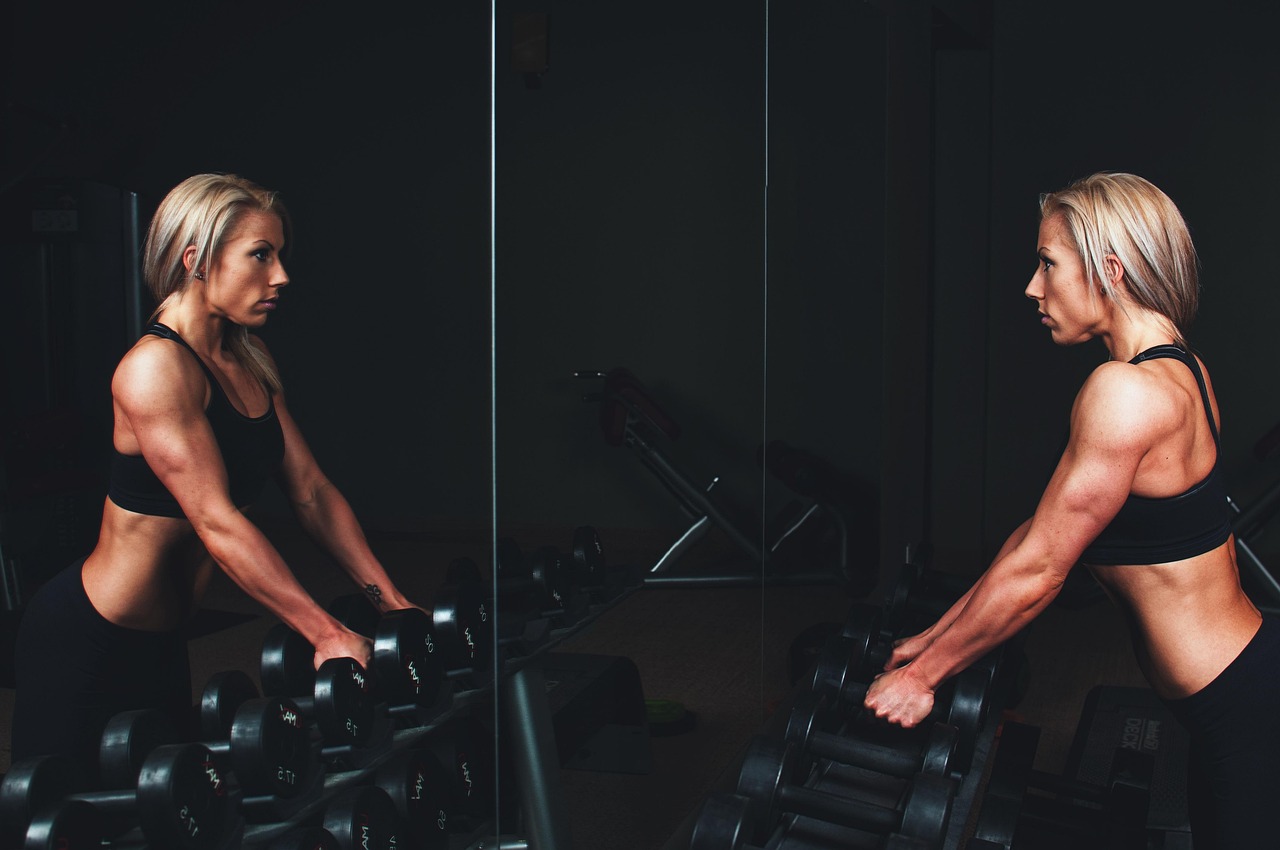
Visual feedback through mirrors or video recording reveals alignment issues you cannot feel. Many people believe their knees track properly when objective observation shows clear valgus collapse. Recording your squats from the front provides undeniable evidence of your movement patterns, creating awareness that enables correction.
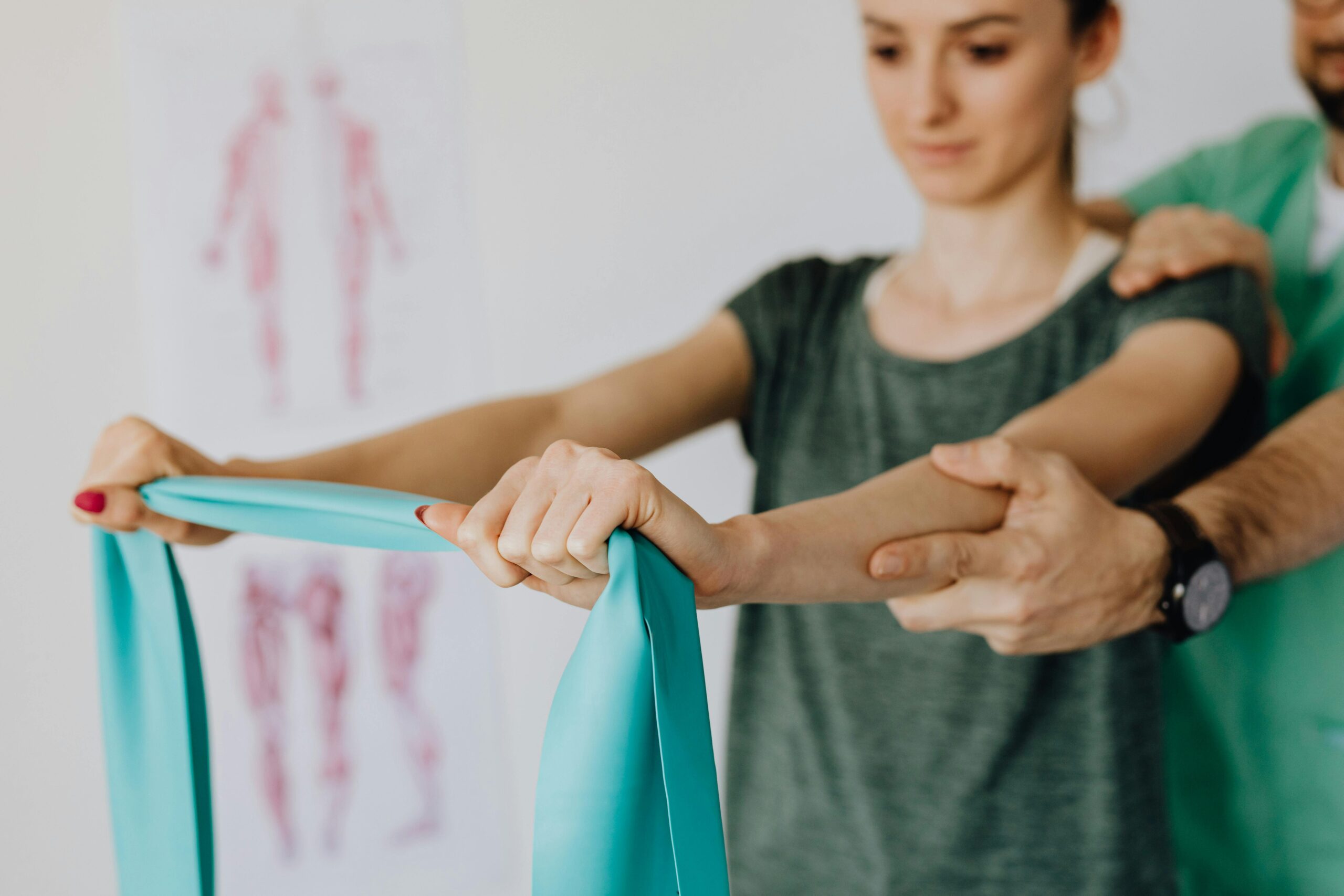
Tactile feedback through resistance bands or partner cueing reinforces proper mechanics. Loop a light band around your knees during bodyweight squats, creating resistance that your hips must push against. This external feedback teaches your nervous system the sensation of proper knee tracking, eventually allowing you to maintain alignment without the band.
Progressive Skill Development From Simple to Complex
Master basic patterns before progressing to complex movements. Wall squats with focused knee alignment establish the fundamental pattern without balance challenges. Once you consistently demonstrate perfect technique in this controlled environment, progress to goblet squats, then barbell variations.
Tempo training enhances motor control by increasing time under tension and conscious awareness. Descending slowly through a squat—perhaps five seconds down, two-second pause, explosive up—provides ample opportunity to monitor and correct knee position throughout the entire range of motion.
Single-leg variations expose asymmetries and force each leg to develop independent stability. Pistol squats, Bulgarian split squats, and single-leg Romanian deadlifts challenge balance and coordination while highlighting which side demonstrates poorer knee control. Address these imbalances rather than hiding them beneath bilateral movements.
⚡ Plyometric Progressions: Teaching Knee Stability During Dynamic Movement
Static strength means little if your knees collapse during reactive, high-velocity activities. Plyometric training develops the rapid muscle activation and coordination necessary for injury prevention during sports and dynamic exercise.
Begin with basic jump landing mechanics. Box drops from progressively higher platforms teach eccentric control during deceleration. Step off a box and land in a quarter-squat position, focusing entirely on maintaining knee alignment through impact. Video yourself from the front to verify proper tracking during landing.
Lateral bounds challenge frontal plane stability often neglected in traditional training programs. Jump sideways from one leg to the other, sticking each landing before transitioning to the next repetition. Your stance knee must resist valgus collapse while accepting your full body weight multiplied by ground reaction forces.
Single-leg hops progress landing mechanics toward sport-specific demands. Hop forward, backward, and laterally on one leg, focusing on controlled landings with perfect knee alignment. Start with small hops at low velocity, gradually increasing height and speed as technique remains flawless.
Common Training Mistakes That Perpetuate Knee Valgus
Many well-intentioned exercisers unknowingly reinforce faulty movement patterns through improper programming decisions. Loading movements before establishing proper mechanics ingrains dysfunctional patterns deeper into your nervous system, making correction increasingly difficult.
Neglecting unilateral exercises allows your dominant leg to compensate for weakness in your non-dominant side. Bilateral squats and deadlifts hide these asymmetries, permitting you to lift respectable loads despite significant left-right imbalances. Incorporate equal volumes of single-leg work to expose and address these discrepancies.
Insufficient hip strengthening relative to quadriceps development creates muscular imbalances that promote knee valgus. Programs heavily weighted toward squatting and leg pressing without adequate hip abduction and external rotation work leave your knees vulnerable to collapse under load.
Rushing progression before mastering fundamental patterns sabotages long-term development. Adding weight, speed, or complexity before you can perform basic movements with perfect technique ensures your advanced exercises will be executed with poor mechanics, limiting results and increasing injury risk.
🔬 Assessment Tools: Identifying Your Specific Limitations
Effective correction requires accurate diagnosis. Self-assessment tools help identify whether your knee valgus stems primarily from mobility restrictions, strength deficits, or motor control issues.
The overhead squat assessment reveals multiple movement compensations simultaneously. With arms extended overhead, perform a bodyweight squat while someone observes from front and side views. Knee valgus indicates hip weakness or ankle mobility restrictions. Forward trunk lean suggests hip or ankle limitations. Arms falling forward demonstrate thoracic or shoulder mobility deficits.
Single-leg balance testing exposes stability deficits. Stand on one leg with eyes closed for 30 seconds. If you cannot maintain position, your proprioceptive capabilities and stabilizer strength need dedicated attention. Notice whether your stance knee drifts inward during the test—clear evidence of the control patterns that will emerge during loaded movement.
The Thomas test identifies hip flexor tightness that inhibits gluteal function. Lie on the edge of a table with both knees pulled to your chest, then lower one leg toward the floor while keeping the other hugged to your chest. If the lowered thigh cannot reach parallel with the ground, hip flexor tightness may be limiting your movement quality.
Building Your Anti-Valgus Training Program
Sustainable improvement requires systematic programming that addresses all contributing factors while allowing adequate recovery. Balance strengthening, mobility work, and skill development within a coherent training structure.
Dedicate the first 10-15 minutes of every training session to activation and mobility work. This primes your nervous system for optimal movement patterns during subsequent exercises. Include glute bridges, band walks, ankle mobility drills, and dynamic stretching specific to your individual limitations.
Structure your strength training with unilateral exercises preceding bilateral movements. Single-leg Romanian deadlifts before conventional deadlifts, or Bulgarian split squats before back squats. This sequence ensures each leg develops independent stability before working together, preventing your dominant side from compensating for weaknesses.
Periodize plyometric complexity alongside strength development. Early training phases emphasize landing mechanics and isometric holds. Intermediate phases introduce low-velocity jumping variations. Advanced phases incorporate sport-specific reactive movements with perfect technique maintained throughout.
Long-Term Maintenance: Keeping Your Knees Healthy for Life
Correcting knee valgus isn’t a temporary fix—it requires ongoing attention to maintain optimal movement patterns. Environmental factors, training stressors, and natural aging processes constantly challenge your alignment, demanding continued focus on the fundamentals.
Regular movement screening identifies problems before they cause pain or injury. Monthly overhead squat assessments and single-leg balance tests reveal whether your mechanics are regressing, allowing you to address issues proactively rather than reactively.
Maintain hip strengthening work even as you pursue other training goals. Two dedicated sessions per week targeting hip abductors and external rotators preserve the strength foundation necessary for knee health across all activities. These sessions need not be lengthy—20-30 minutes of focused work maintains the adaptation you’ve built.
Listen to your body’s feedback signals. Knee discomfort, hip soreness, or asymmetric fatigue patterns indicate compensation occurring somewhere in your kinetic chain. Address these warnings immediately rather than pushing through them, preventing minor issues from becoming significant injuries.
Perfect knee alignment transforms not only your performance but your long-term joint health. The techniques outlined here provide a comprehensive framework for eliminating knee valgus and building movement patterns that serve you for decades. Consistent application of strengthening exercises, mobility work, and mindful cueing retrains your nervous system to default to optimal mechanics automatically. Your knees will thank you with pain-free movement, improved athletic performance, and resilience against the injuries that sideline so many active individuals. Start implementing these strategies today, and experience the confidence that comes from knowing your movement foundation is bulletproof. 💪✨