
Proper wrist and hand alignment forms the foundation of safe and effective weight-bearing exercises, preventing injuries while maximizing strength gains.

Whether you’re performing push-ups, planks, handstands, or working with dumbbells and barbells, the position of your wrists and hands directly impacts the stress placed on these delicate joints. Poor alignment can lead to chronic pain, tendonitis, carpal tunnel syndrome, and other debilitating conditions that sideline your fitness progress. Understanding and implementing proper form isn’t just about preventing injury—it’s about unlocking your true strength potential and ensuring long-term sustainability in your training regimen.
🎯 Why Wrist and Hand Alignment Matters More Than You Think
Your wrists are remarkably complex structures containing eight small bones, numerous ligaments, and tendons that facilitate an impressive range of motion. However, this complexity also makes them vulnerable to injury, especially under load. When you place weight on your hands without proper alignment, you create uneven pressure distribution that concentrates stress on specific areas rather than spreading it evenly across the entire joint.
The consequences of poor alignment extend beyond immediate discomfort. Repetitive stress from improper form can lead to inflammation of tendons, compression of the median nerve, and even structural damage to cartilage. Athletes and fitness enthusiasts often dismiss minor wrist discomfort as temporary soreness, but these early warning signs frequently escalate into chronic conditions requiring months of rehabilitation or even surgical intervention.
Proper alignment also directly influences performance. When your wrists are correctly positioned, force transfers efficiently from your hands through your forearms and into your larger muscle groups. This biomechanical efficiency allows you to lift heavier weights, hold positions longer, and generate more power—all while reducing injury risk.
🏗️ The Foundation: Understanding Neutral Wrist Position
The neutral wrist position is your baseline for safe weight-bearing exercises. In this alignment, your wrist maintains its natural slight extension without excessive bending in any direction. Imagine a straight line running from your forearm through your wrist and into the middle of your hand—this represents ideal neutral alignment.
To find your neutral wrist position, stand and let your arms hang naturally at your sides. Notice how your hands position themselves—this relaxed state approximates neutral alignment. Your wrist isn’t perfectly flat, nor is it significantly bent forward or backward. This is the position you want to maintain or approximate during weight-bearing exercises.
Common Deviations from Neutral
Several alignment errors repeatedly appear in gym settings and home workouts. Hyperextension occurs when the wrist bends too far backward, creating excessive angle between the forearm and hand. This position compresses the back of the wrist and overstretches the front, placing tremendous stress on supporting structures.
Conversely, excessive flexion happens when the wrist bends too far forward, common when grip strength fails during exercises like farmer’s carries or deadlifts. This position can compress the carpal tunnel and irritate the median nerve.
Lateral deviation—where the wrist bends sideways toward the thumb or pinky finger—creates uneven load distribution and can strain the ligaments on the sides of the wrist. This often occurs during single-arm exercises when stability is compromised.
✋ Proper Hand Placement and Finger Engagement
Your fingers play a crucial role in maintaining wrist alignment and distributing pressure effectively. Many people concentrate weight on their palms or the heel of their hands, but optimal technique involves active engagement of the fingers.
When your hands are on the ground or gripping equipment, your fingers should actively press down and create an arch in your palm. Imagine trying to create suction with your hand—this engagement activates the small muscles in your hand and forearm that stabilize the wrist joint.
The Tripod Foundation
Effective hand placement follows a tripod principle with three main contact points: the base of your index finger, the base of your pinky finger, and the heel of your hand. Weight should distribute relatively evenly across these three points, with your fingers actively gripping or pressing to maintain this distribution.
This tripod formation creates a stable base that prevents your wrist from collapsing into hyperextension. When you engage your fingertips and knuckles, you activate the flexor muscles in your forearm, which counterbalance the extension forces acting on your wrist during weight-bearing movements.
💪 Exercise-Specific Alignment Strategies
Push-Ups and Plank Variations
For push-ups and planks, hand position significantly affects wrist stress. Place your hands slightly wider than shoulder-width apart with fingers spread and pointing forward. Your middle finger should align approximately with your shoulder.
As you assume the position, actively press through your fingertips and knuckles while creating space under your palm. Your wrists should stack directly beneath your shoulders or slightly forward—never behind your shoulders, which increases hyperextension.
If you experience discomfort even with proper alignment, consider these modifications:
- Use push-up handles or parallettes to maintain a neutral wrist angle
- Perform push-ups on your fists with wrists straight
- Use a slightly inclined surface to reduce the percentage of bodyweight on your hands
- Decrease hold time for planks and gradually build endurance
Overhead Pressing Movements
During overhead presses with dumbbells or barbells, wrist alignment directly influences shoulder position and pressing efficiency. The weight should rest in your palm with your wrist in slight extension—not neutral, but not hyperextended.
Imagine the weight stacking directly over your forearm bones. When viewed from the side, a vertical line should run from the weight through your wrist and down your forearm. This alignment allows your skeletal structure to support the load rather than relying solely on muscular effort.
Grip the bar or dumbbell firmly with your fingers wrapped completely around it. Your thumb should oppose your fingers, creating a secure closed grip. Avoid open or false grips during pressing movements, as they provide insufficient control and increase injury risk.
Pulling Exercises and Deadlift Variations
Pulling movements and deadlifts challenge wrist alignment differently than pressing exercises. Here, the weight pulls your wrists into flexion rather than extension. Maintaining neutral alignment requires strong grip and active forearm engagement.
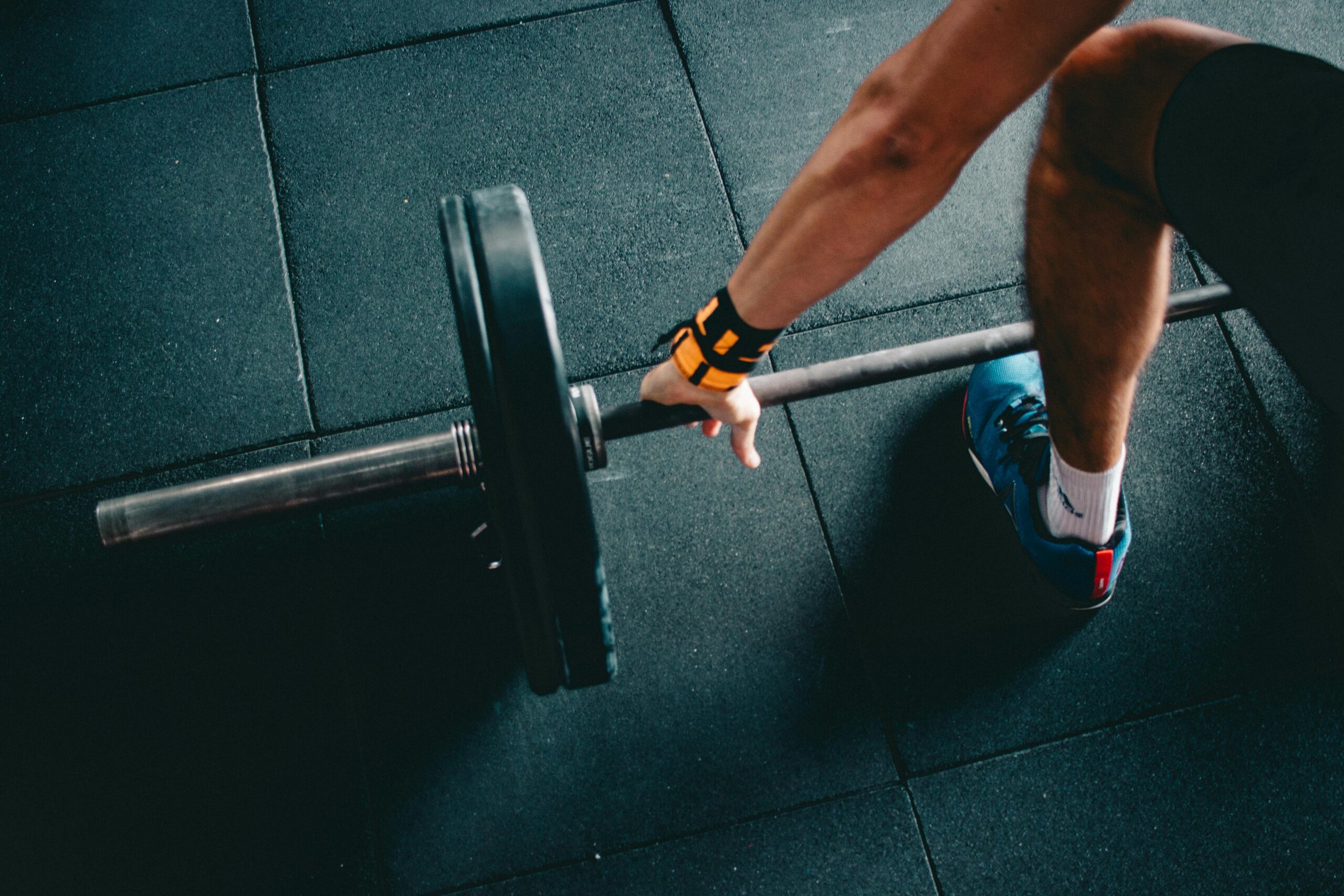
For deadlifts and rows, grip the bar in the fingers rather than the palm. The bar should rest in the crease where your fingers meet your palm, allowing your fingers to wrap around it securely. This position shortens the lever arm between the bar and your forearm, reducing the torque that pulls your wrist into flexion.
Keep your wrists straight throughout the movement—avoid letting them curl backward or bend forward. Think about keeping a straight line from your elbow through your wrist to your knuckles throughout the entire range of motion.
🔧 Progressive Wrist Strengthening and Mobility Work
Developing strength and mobility in your wrists and forearms is essential for maintaining proper alignment under load. Weak or inflexible wrists cannot sustain correct positioning when challenged by heavy weights or long holds.
Mobility Exercises
Wrist circles, performed in both directions, lubricate the joint and improve range of motion. Start with small circles and gradually increase the diameter as your wrists warm up. Perform these before any upper body workout.
Wrist flexion and extension stretches target the muscles that control wrist position. For extension stretches, extend your arm forward with palm down, then use your opposite hand to gently press your fingers toward your body. Hold for 20-30 seconds. For flexion stretches, flip your palm up and press your fingers downward.
Prayer position stretches improve overall wrist mobility. Place your palms together in front of your chest, then slowly lower your hands while keeping palms pressed together until you feel a stretch in your wrists and forearms.
Strengthening Protocols
Wrist curls and reverse wrist curls directly strengthen the flexor and extensor muscles. Sit with your forearm resting on your thigh or a bench with your hand extending beyond your knee. Hold a light dumbbell and curl your wrist through its full range of motion. Perform both palm-up (wrist curls) and palm-down (reverse wrist curls) variations.
Farmer’s carries build incredible grip strength and wrist stability. Hold heavy dumbbells or kettlebells at your sides and walk for distance or time while maintaining perfect posture and neutral wrist alignment. The constant challenge of controlling the weight strengthens all the stabilizing muscles around your wrist.
Dead hangs from a pull-up bar develop grip endurance and isometric wrist strength. Simply hang from the bar with straight arms for time, focusing on maintaining neutral wrists rather than letting them bend backward.
⚠️ Recognizing and Addressing Warning Signs
Your body provides clear signals when wrist alignment issues are developing into problems. Sharp pain during or after exercise indicates something is wrong and should never be ignored or pushed through. Dull aching that persists for hours or days after training suggests inflammation or overuse.
Numbness, tingling, or weakness in your hands or fingers can indicate nerve compression, potentially from carpal tunnel syndrome or other conditions exacerbated by poor wrist alignment. These symptoms require immediate attention and often necessitate modification of your training approach.
Clicking, popping, or grinding sensations in your wrist during movement may indicate structural issues or inflammation. While occasional painless clicking isn’t necessarily concerning, consistent sounds accompanied by discomfort warrant evaluation by a healthcare professional.
When to Modify or Rest
If you experience any warning signs, immediately reduce training volume and intensity for exercises that stress your wrists. This doesn’t mean complete rest from all training—it means intelligent modification while allowing recovery.
Substitute exercises that load your wrists differently or eliminate wrist loading altogether. For example, if push-ups cause discomfort, switch to chest presses on a bench. If overhead pressing hurts, focus on cable movements or machines that don’t require wrist stabilization.
Ice application after training can reduce inflammation. Apply ice for 15-20 minutes several times daily if you notice swelling or persistent discomfort. Compression wraps may provide support, but avoid becoming dependent on them for normal training—they should facilitate healing, not compensate for poor technique.
🎓 Building Long-Term Wrist Health Habits
Sustainable wrist health requires consistent attention to alignment, progressive strengthening, and intelligent program design. Don’t wait for pain to develop before addressing these factors—prevention is infinitely easier than rehabilitation.
Implement a regular warm-up routine that includes wrist-specific movements. Spend five minutes on wrist circles, stretches, and light activation exercises before any upper body training. This preparation increases blood flow, lubricates joints, and activates stabilizing muscles.
Vary your training to avoid repetitive stress. If you perform heavy pressing movements one day, focus on pulling movements or lower body training the next. This variation allows tissues to recover while maintaining training frequency.
Monitor training volume carefully. Wrist and hand structures are smaller and more vulnerable than major muscle groups, yet they’re involved in nearly every upper body exercise. Excessive volume, even with perfect form, can overwhelm their capacity for recovery.
Equipment Considerations
Strategic equipment choices can support proper wrist alignment. Wrist wraps provide external support during heavy pressing movements, though they shouldn’t replace proper technique or adequate strengthening. Use them for maximal effort sets, not routine training.
Push-up handles, parallettes, or gymnastics grips allow neutral wrist positioning during floor exercises. These tools eliminate the need for wrist extension, making movements more comfortable while maintaining training effectiveness.
Fat Gripz or other grip-thickening devices distribute pressure across a larger surface area of your hand, potentially reducing stress on individual structures. They also increase the challenge to your grip and forearm muscles, providing additional strengthening stimulus.
🌟 Integration into Your Complete Training Program
Perfect wrist and hand alignment isn’t an isolated skill—it integrates with your entire movement system. Shoulder position influences wrist alignment in pressing movements. Core stability affects how force transfers through your body during weighted carries. Even hip and ankle mobility can impact upper body positioning during complex movements.
Approach wrist health holistically by addressing your complete movement pattern. Film yourself performing exercises from multiple angles, specifically watching wrist position throughout the range of motion. Compare your actual form to the ideal alignment described here, identifying specific deviations to correct.
Work with a qualified coach or trainer for personalized feedback, especially when learning new movements or increasing training intensity. External observation catches errors you cannot feel or see yourself, accelerating improvement and preventing the reinforcement of poor movement patterns.
Remember that perfect form is a moving target—as loads increase, fatigue accumulates, or new exercises are introduced, alignment challenges evolve. Remain vigilant and humble, continuously refining your technique regardless of your experience level.
🚀 Taking Action: Your Wrist Health Roadmap
Begin today by assessing your current wrist alignment during common exercises. Perform a set of push-ups while consciously implementing the tripod hand position and active finger engagement. Notice how this feels different from your usual approach.
Add dedicated wrist mobility work to your warm-up routine this week. Commit just five minutes before training to circles, stretches, and activation exercises. Track how your wrists feel during and after workouts with this addition.
Incorporate one new strengthening exercise for your wrists and forearms. Start with light resistance and perfect form, gradually progressing over weeks and months. Whether you choose wrist curls, farmer’s carries, or dead hangs, consistency matters more than intensity initially.
Audit your existing program for excessive wrist stress. Calculate how many sets per week directly load your wrists and hands. If the volume seems high or you’re experiencing discomfort, redistribute work across different movement patterns or reduce frequency temporarily.
Most importantly, cultivate awareness. Each repetition offers an opportunity to reinforce proper alignment or ingrain dysfunction. Choose deliberately, move intentionally, and prioritize long-term joint health over short-term performance gains. Your wrists support thousands of daily activities beyond training—protecting them ensures both fitness progress and quality of life for decades to come.