
Movement mastery isn’t just about strength or flexibility—it’s about creating a stable foundation that supports every action you take. When you learn to synchronize your breathing with movement patterns, you unlock a powerful tool that transforms ordinary exercises into precision-controlled actions that build resilience and prevent injury.

The connection between breath and stability runs deeper than most people realize. Every inhale and exhale creates pressure changes within your core that either reinforce or compromise your body’s natural bracing mechanisms. Understanding this relationship gives you immediate access to enhanced performance, whether you’re lifting weights, practicing yoga, or simply moving through daily activities with greater confidence and control.
🎯 The Science Behind Breathing and Core Stability
Your core functions as a pressurized cylinder, with the diaphragm forming the top, the pelvic floor creating the bottom, and the abdominal and back muscles wrapping around the sides. When you breathe properly, this cylinder maintains optimal intra-abdominal pressure (IAP) that stabilizes your spine and transfers force efficiently throughout your body.
Brace loss occurs when this pressure system fails. The moment you lose tension in any part of this cylinder, your spine becomes vulnerable to unwanted movement, energy leaks occur, and your risk of injury increases dramatically. This breakdown typically happens when people hold their breath completely or breathe shallowly during challenging movements.
Research in biomechanics demonstrates that proper breathing patterns can increase core stiffness by up to 40% compared to uncoordinated breathing. This enhanced stiffness isn’t about rigidity—it’s about creating a stable platform from which all movement originates. Think of it as the difference between building a house on solid ground versus shifting sand.
Understanding Intra-Abdominal Pressure
Intra-abdominal pressure works like a balloon inside your torso. When you create the right amount of pressure, your spine receives 360-degree support that no single muscle group could provide alone. This distributed support system protects your vertebrae while allowing controlled movement in all directions.
The key lies in maintaining pressure without completely blocking airflow. Many athletes make the mistake of holding their breath entirely during exertion, which creates excessive pressure that’s unsustainable and potentially dangerous. Instead, controlled breathing allows you to maintain adequate IAP while continuously oxygenating your muscles.
🌬️ Breathing Cues That Transform Your Movement Quality
Effective breathing cues serve as verbal reminders that help your nervous system coordinate complex stabilization patterns. These cues work by directing your attention to specific aspects of the breath-stability connection, making unconscious processes more accessible to conscious control.
The 360-Degree Breath Expansion
Instead of breathing only into your chest or belly, imagine filling your entire torso like a cylinder. Your breath should expand your ribcage in all directions—front, back, and sides. Place your hands on your lower ribs and feel them expand laterally with each inhale. This circumferential expansion creates optimal IAP and engages all stabilizing muscles simultaneously.
Practice this pattern lying on your back first, then progress to seated, kneeling, and standing positions. The goal is to maintain this 360-degree expansion regardless of your body position or the movements you’re performing. When you can breathe this way while moving, you’ve achieved functional breathing integration.
The Exhale-on-Exertion Principle
Traditional wisdom suggests exhaling during the hardest part of an exercise, but this guidance requires nuance. A complete, forceful exhale can cause brace loss at precisely the moment you need maximum stability. Instead, practice a controlled exhale that maintains tension throughout the movement.
Think of slowly releasing air through pursed lips or making a gentle hissing sound. This controlled release maintains enough IAP to support your spine while preventing the pressure buildup that comes from breath-holding. You’re creating a managed pressure release rather than a complete deflation.
Pelvic Floor Coordination
Your pelvic floor responds to breathing patterns automatically, but you can enhance this connection through awareness. As you inhale, your pelvic floor naturally descends slightly to accommodate the downward movement of your diaphragm. On the exhale, it gently lifts.
Disrupting this natural rhythm causes coordination problems throughout your entire core system. If you forcefully grip your pelvic floor during movement, you create excessive tension that interferes with proper IAP regulation. Instead, maintain a baseline tone—imagine your pelvic floor as a trampoline that’s tensioned and ready but not rigidly locked.
💪 Practical Applications for Different Movement Scenarios
Understanding breathing principles means nothing without practical application. Let’s explore how to implement these cues across various movement contexts to prevent brace loss and maximize stability.
Strength Training Applications
During heavy lifts, establish your brace before the movement begins. Take a full 360-degree breath, create tension throughout your core, and maintain pressure as you perform the lift. For exercises like squats or deadlifts, you might hold this pressurized breath for a single repetition, then reset at the top.
For higher-repetition work, practice breathing behind the brace. This advanced technique involves maintaining core tension while allowing small, controlled breaths. The breath moves around your stable core rather than collapsing it. This skill takes practice but dramatically improves endurance while maintaining safety.
Dynamic Movement and Athletics
Sports and dynamic activities require responsive stability rather than rigid bracing. Your breathing must adapt rapidly to changing demands. Focus on maintaining a baseline brace level—about 20-30% of maximum tension—that you can quickly amplify when needed.
Practice rhythmic breathing that matches your movement patterns. Runners, for example, often develop cadence breathing patterns (inhaling for 2-3 steps, exhaling for 2-3 steps) that coordinate breath with gait. This rhythmic coordination prevents brace loss during prolonged activity.
Yoga and Flexibility Work
Flexibility training doesn’t mean abandoning stability. Your breath guides you deeper into positions while maintaining the tension necessary to protect your joints. Use slow, deliberate breathing to signal your nervous system that you’re safe, allowing muscles to gradually release while maintaining positional integrity.
In yoga, coordinate breath with movement transitions. Typically, inhale during opening or extending movements and exhale during folding or contracting movements. This pattern naturally supports your spine through postural changes and prevents the sudden brace loss that leads to injury.
🔍 Identifying and Correcting Brace Loss Patterns
Recognizing when you lose your brace is crucial for making corrections. Common signs include sudden lower back arching, ribcage flaring, shoulders hunching forward, or feeling unstable during movements that should feel controlled.
The Ribcage Flare Test
Stand sideways to a mirror and observe your ribcage position. When you breathe in, your ribcage should expand but maintain alignment with your pelvis—imagine stacking blocks. If your lower ribs thrust forward and upward, you’re losing anterior core tension and compromising your brace.
Correct this pattern by practicing exhales that draw your ribcage down and in. Place your hands on your lower front ribs and gently guide them toward your pelvis as you exhale. This movement pattern reestablishes the proper relationship between your diaphragm and abdominal muscles.
The Valsalva Trap
The Valsalva maneuver—holding your breath against a closed airway—creates maximum IAP but can’t be sustained and may cause dangerous blood pressure spikes. While appropriate for single maximal efforts, relying on it for all challenging movements indicates poor breathing strategy.
Develop breathing endurance by practicing loaded carries, planks, and other sustained holds while maintaining controlled breathing. Start with lighter loads or shorter durations, focusing entirely on breathing quality. Gradually increase difficulty while preserving your breathing pattern.
🎓 Progressive Training for Breathing-Movement Integration
Like any skill, breathing coordination improves through deliberate practice. Follow a progressive approach that builds foundational awareness before adding complexity.
Phase One: Positional Breathing Awareness
Begin by mastering 360-degree breathing in various static positions. Practice lying down, sitting, quadruped (on hands and knees), kneeling, and standing. Spend 2-3 minutes in each position, focusing entirely on the quality and distribution of your breath.
Notice how position affects breathing difficulty. Most people find lying down easiest and standing most challenging. This hierarchy reflects how gravity and postural demands influence breathing mechanics. Building competency in easier positions creates reserves you can draw upon when positions become more demanding.
Phase Two: Breathing with Simple Movements
Add basic movements while maintaining breathing quality. Practice exercises like:
- Deadbugs (alternating arm and leg extensions while lying on your back)
- Bird dogs (opposite arm and leg reaches from quadruped position)
- Pallof presses (anti-rotation holds with resistance)
- Goblet squats with pause at the bottom
During each exercise, your breath pattern becomes the primary focus. The movement is simply a challenge to your breathing coordination. If breathing quality deteriorates, reduce the difficulty or take a break. Never sacrifice breathing for movement completion.
Phase Three: Complex Movement Integration
Progress to compound movements and dynamic activities while maintaining breathing awareness. This phase involves applying your skills to real-world scenarios—your sport, your workout routine, or daily activities that previously felt unstable.
Film yourself performing movements with sound enabled. Watch for visual signs of brace loss (excessive spinal movement, position changes, grimacing) and listen for breathing irregularities (breath holding, gasping, or hyperventilation). This objective feedback accelerates your learning process.
🧘 Breathing Cues for Specific Exercises
Different exercises benefit from tailored breathing strategies. Here’s how to apply breathing cues to common movement patterns:
| Exercise Type | Breathing Strategy | Key Cue |
|---|---|---|
| Squats & Deadlifts | Inhale and brace before descent, controlled exhale through sticking point | “Fill the cylinder, maintain pressure” |
| Pressing Movements | Exhale during press, inhale during lowering phase | “Breathe behind the brace” |
| Pulling Movements | Exhale during pull, inhale during return | “Pull your ribs down as you pull” |
| Carries & Holds | Continuous controlled breathing throughout | “Breathe around the tension” |
| Rotational Exercises | Exhale during rotation, inhale during return | “Exhale into the twist” |
⚡ Troubleshooting Common Breathing-Stability Issues
Even with proper instruction, certain challenges arise frequently. Understanding common problems and their solutions accelerates your mastery of breathing-stability integration.
Problem: Feeling Dizzy During Breathing Practice
Dizziness typically results from hyperventilation—breathing too quickly or deeply for your current metabolic needs. This causes excessive carbon dioxide elimination, changing your blood pH. Solution: Slow your breathing rate, reduce breath depth slightly, and pause briefly after each exhale before inhaling again.
Problem: Upper Trap and Neck Tension
If your neck and upper shoulders become tight during breathing-focused work, you’re using accessory breathing muscles instead of your diaphragm. This compensation pattern indicates incomplete diaphragm engagement. Solution: Place one hand on your chest and one on your belly. Practice initiating breath from the lower hand while keeping the upper hand relatively still.
Problem: Inability to Maintain Brace During Longer Sets
Breathing endurance differs from general cardiovascular fitness. Your breathing muscles fatigue just like any other muscle group. Solution: Dedicate specific training sessions to breathing endurance using sustained holds, carries, or continuous tension exercises at moderate intensities.
🌟 Advanced Strategies for Elite Performance
Once you’ve mastered fundamental breathing-stability integration, advanced strategies can take your performance to the next level.
Anticipatory Breathing Patterns
Elite athletes develop anticipatory breathing that prepares their core before challenging moments. They increase IAP slightly before absorbing impact, changing direction, or initiating powerful movements. This anticipatory stabilization happens unconsciously through extensive practice but can be developed deliberately through focused training.
Practice this by adding unpredictable elements to your training. Have a partner call out movement changes, use reaction drills, or incorporate variable resistance. These challenges force your breathing system to respond adaptively rather than following memorized patterns.
Breath Holds for Resilience
Strategic breath-holding training—separate from movement practice—builds respiratory muscle strength and improves carbon dioxide tolerance. This doesn’t mean holding your breath during lifts, but rather dedicated breathing practice that enhances your system’s capacity.
Try box breathing: inhale for 4 counts, hold for 4 counts, exhale for 4 counts, hold empty for 4 counts. Gradually extend these intervals as your tolerance improves. This practice builds the respiratory reserve that translates to better breathing control during physical challenges.
🔄 Creating Your Personal Breathing-Movement Practice
Integration requires consistent practice tailored to your specific needs and goals. Design a personal practice that addresses your weaknesses while supporting your primary activities.
Begin each training session with 5 minutes of dedicated breathing practice. Use this time to establish quality patterns before adding movement complexity. Consider this your movement preparation—as important as warming up your muscles.
End sessions with breathing awareness as well. After challenging work, spend 3-5 minutes practicing calm, controlled breathing in various positions. This cooldown helps reset your nervous system while reinforcing good breathing habits when you’re fatigued—exactly when proper patterns matter most.
Track your progress not just through performance metrics but through subjective measures of breathing quality. Can you maintain conversation during moderate exercise? Do you feel stable and controlled during movements that previously felt precarious? Can you breathe through your nose during activities where you previously mouth-breathed?
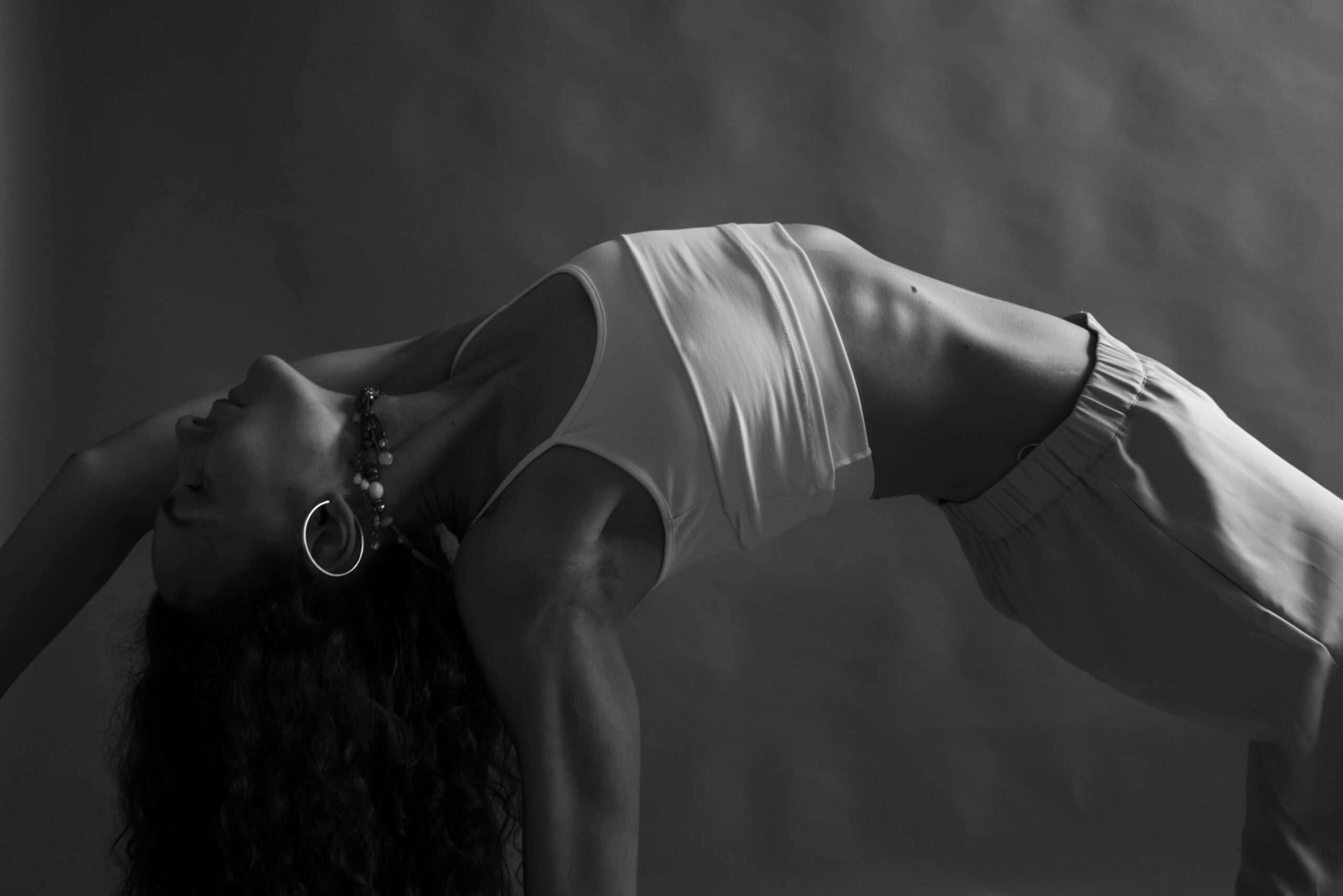
🎯 Integrating Breathing Mastery Into Daily Life
The ultimate goal isn’t just better performance during formal exercise but enhanced stability and movement quality throughout your entire day. Your breathing pattern during computer work, driving, or household tasks matters as much as during your workout.
Set periodic reminders to check your breathing throughout the day. Are you holding tension unnecessarily? Is your breath shallow and high in your chest? These moments of awareness gradually reshape your default patterns, making quality breathing your automatic response rather than something you must consciously create.
Notice how stress, posture, and breathing interact. Slumped postures compress your diaphragm and force shallow breathing. Stress triggers chest breathing that reinforces the stress response. By addressing breathing directly, you simultaneously improve posture and stress management—all while building better movement stability.
The mastery of movement through breathing cues represents a fundamental shift in how you approach physical training and daily activity. Rather than viewing breathing as automatic background noise, you recognize it as the foundation upon which all stable, powerful, efficient movement is built. When you harness breathing cues effectively, preventing brace loss becomes effortless because your body’s natural stabilization systems work as they were designed—coordinated, responsive, and endlessly adaptable to whatever challenges you face.