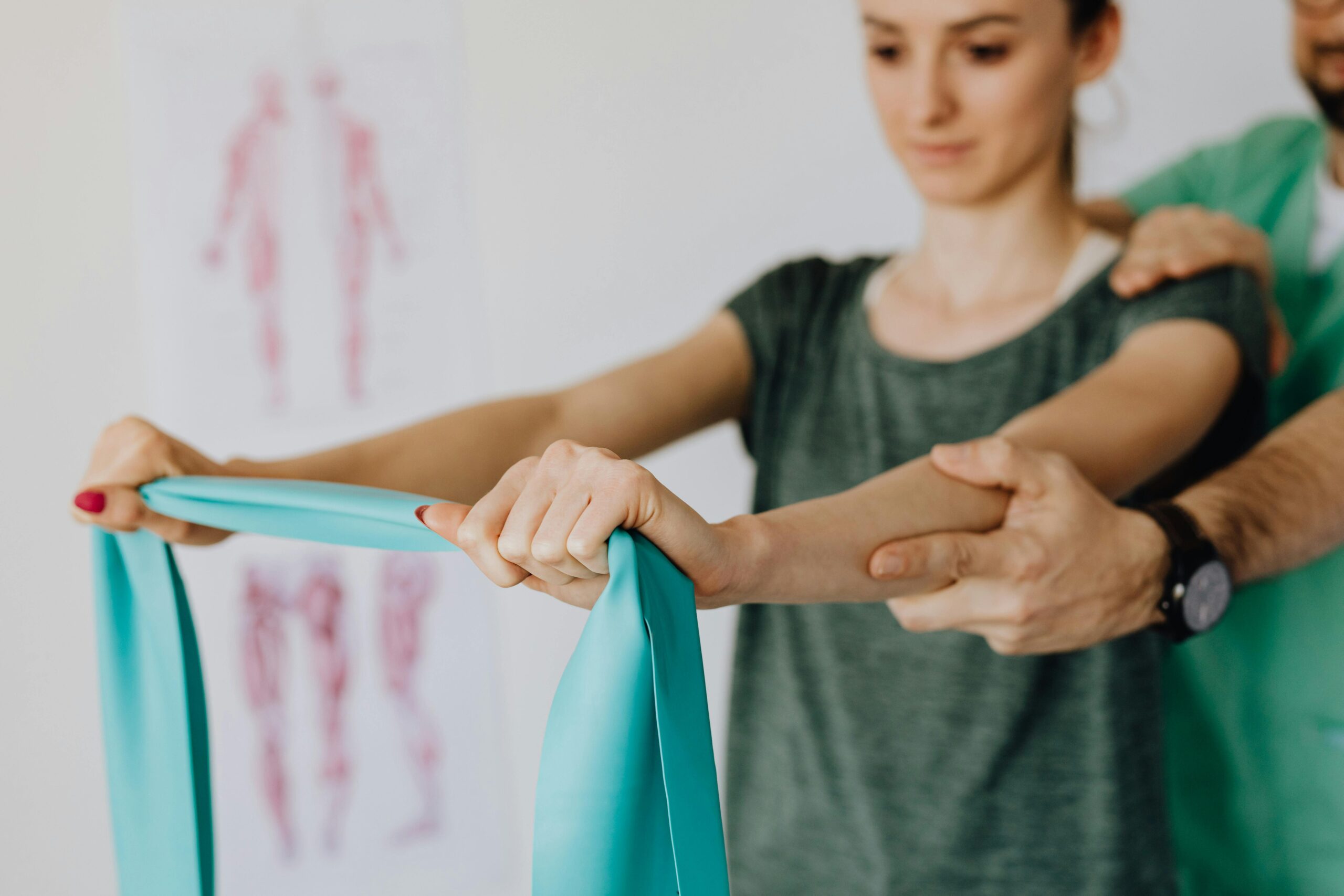
Joint health depends less on passive ligament strength and more on how well you actively control movement. When muscles fail to properly stabilize joints, ligaments bear excessive loads they weren’t designed to handle long-term.

Understanding the distinction between passive stability from ligaments and active stability from muscles transforms how we approach movement training. Most people unconsciously rely on their ligaments as primary stabilizers, creating patterns that lead to chronic pain, reduced performance, and increased injury risk over time.
🎯 The Hidden Cost of Ligament-Dominant Movement Patterns
Ligaments serve as your body’s last line of defense—they’re designed to prevent catastrophic joint displacement, not to control everyday movement. When you repeatedly push joints to their end ranges without muscular control, ligaments stretch and lose their protective tension. This gradual process happens so subtly that most people don’t notice until pain or injury forces their attention.
The modern sedentary lifestyle compounds this problem. Hours spent sitting weakens the deep stabilizer muscles responsible for joint centration—the optimal positioning of joint surfaces relative to each other. As these muscles atrophy, your nervous system adapts by allowing greater ligamentous tension during movement, establishing a dangerous compensation pattern.
Athletes and fitness enthusiasts face a different but equally problematic scenario. High-intensity training without proper movement foundations teaches the body to prioritize force production over joint integrity. The result is impressive strength or cardiovascular capacity built on a foundation of poor motor control, making injury almost inevitable as training volumes increase.
Understanding Joint Centration: The Foundation of Stable Movement
Joint centration refers to maintaining optimal contact between joint surfaces throughout movement. When properly centered, joints distribute forces evenly across cartilage, minimize ligament stress, and allow muscles to work efficiently. Loss of centration forces some structures to bear disproportionate loads while others remain underutilized.
The shoulder joint perfectly illustrates this concept. With seventeen muscles crossing the shoulder complex, maintaining the humeral head centered in the glenoid socket requires sophisticated neuromuscular coordination. When scapular stabilizers weaken or timing becomes disrupted, the humeral head migrates forward or upward, creating impingement patterns and overloading the anterior capsule and ligaments.
Recognizing Poor Joint Centration in Your Movement
Several signs indicate you’re relying more on passive structures than active muscle control. Clicking or popping sounds during movement, feelings of instability or “slipping,” and joints that feel tight yet weak simultaneously all suggest poor centration. You might also notice that stretching provides only temporary relief before tightness returns, as your body reflexively guards unstable joints.
Pay attention to how your joints feel at end ranges of motion. If you experience a hard, abrupt stop with pulling sensations, you’re likely hitting ligamentous limits rather than muscular ones. Properly controlled movement should feel smooth throughout the range, with muscles providing progressive resistance as you approach end ranges.
💪 Muscle Activation Sequences: Teaching Your Body Proper Stabilization
Effective joint stability depends on muscles activating in the correct sequence with appropriate timing and intensity. Research shows that stabilizer muscles should activate approximately 30 milliseconds before prime movers during functional movement. When this sequencing breaks down, joints lose centration before movement even begins.
The deep stabilizers of your spine—multifidus and transversus abdominis—exemplify this principle. These muscles should maintain low-level continuous activity that increases predictively before limb movements. In people with chronic back pain, studies consistently show delayed activation of these stabilizers, forcing larger superficial muscles and spinal ligaments to compensate inadequately.
Implementing Pre-Activation Drills
Before complex movements, practice isolating and activating deep stabilizers. For the shoulder, this means engaging the rotator cuff muscles before performing pressing or reaching movements. Feel for subtle muscle tension around the shoulder joint itself, distinct from the larger deltoid and pectoral muscles that produce visible movement.
A simple drill involves lying on your back with arms at your sides. Gently externally rotate your shoulders, feeling the back of your shoulders press slightly into the floor. Maintain this subtle tension while slowly raising your arms overhead. The goal isn’t to create maximum contraction but to establish background stabilization that persists throughout movement.
Breath Mechanics and Intra-Abdominal Pressure: Your Body’s Natural Weight Belt
Proper breathing creates intra-abdominal pressure that stiffens the spine and pelvis from the inside out, reducing dependence on ligaments for stability. This pressurization system works like hydraulics, supporting your core through fluid dynamics rather than passive tissue tension.
Most people breathe using their chest and shoulders, creating upper rib cage expansion that actually destabilizes the spine. Diaphragmatic breathing, where the belly and lower ribs expand 360 degrees, maintains intra-abdominal pressure while allowing adequate oxygen exchange. This breathing pattern should continue during movement, not just at rest.
The 360-Degree Breath for Spinal Stability
Practice expanding your lower ribs in all directions—front, sides, and back—as you inhale. Place your hands on your lower ribs to provide sensory feedback. You should feel circumferential expansion, not just forward belly movement. As you exhale, maintain some of this expansion rather than completely collapsing, preserving core stiffness.
During loaded movements, breathe behind the brace. This means maintaining intra-abdominal pressure throughout the breathing cycle by never fully exhaling or relaxing your core. The pressure fluctuates slightly with breathing but never completely dissipates, providing continuous stabilization for your spine and pelvis.
🔄 Movement Cues That Transform Joint Loading Patterns
The language you use to direct movement—whether internal self-talk or external coaching—profoundly influences which structures bear load. Effective cues shift attention toward muscular control and away from joint positioning extremes.
Consider the common instruction to “lock out” your knees or elbows. This cue encourages pushing joints to their ligamentous end range, creating unnecessary stress on passive structures. Alternative cues like “stand tall through your legs” or “keep your arms long and strong” achieve full extension through muscular tension rather than joint jamming.
Cues for Common Movement Patterns
For squatting movements, “spread the floor apart with your feet” activates hip external rotators and abductors that stabilize the femur in the hip socket. This cue prevents knee valgus collapse while maintaining optimal joint centration throughout the movement. Contrast this with “keep your knees out,” which focuses attention on joint position rather than the muscles controlling it.
During overhead movements, “reach long through your fingertips” maintains shoulder blade upward rotation and serratus anterior engagement. This keeps the humeral head properly centered versus “shrug your shoulders up,” which compresses structures and encourages substitution patterns.
For hip hinge movements like deadlifts, “push the floor away” emphasizes leg drive through muscular action rather than “stand up,” which often results in lumbar hyperextension and posterior ligament stress. The subtle shift in attention creates dramatically different loading patterns despite similar external movement.
Progressive Overload for Stability: Building Resilient Joint Control
Developing robust joint stability requires systematically challenging your neuromuscular system’s ability to maintain centration under increasing demands. This differs fundamentally from simply lifting heavier weights or performing more repetitions of the same movement patterns.
Stability progressions manipulate several variables: base of support, visual feedback, external load, movement speed, and cognitive demand. Removing visual feedback by closing your eyes, for instance, increases reliance on proprioception and vestibular input, forcing deeper stabilizer engagement. Narrowing your base of support or introducing unstable surfaces similarly challenges stability systems.
Designing Effective Stability Progressions
Begin with isometric holds that teach your nervous system to maintain positions against gravity without movement complexity. A simple example involves holding a plank position while focusing on maintaining neutral spine position and preventing shoulder blade winging. Gradually increase duration, but only while perfect form persists.
Progress to slow, controlled movements through partial ranges. This allows you to explore joint motion while maintaining complete centration awareness. For shoulder health, wall slides performed with extreme attention to scapular position and humeral head centering build stability before progressing to loaded overhead movements.
Add perturbations—unexpected disturbances that challenge reflexive stability. A partner can provide gentle, random pushes during single-leg balance exercises, forcing your stabilizers to respond reactively rather than predictively. This develops the rapid response capacity necessary for protecting joints during unexpected movements in sports and daily life.
⚡ Fascial Tensioning: Connecting Stability Across Movement Chains
Fascia creates continuous lines of tension throughout your body, distributing forces across multiple joints rather than concentrating stress at individual locations. Understanding and utilizing these fascial lines enhances whole-body stability while reducing local joint stress.
The anterior oblique sling connects your external oblique on one side through the abdominal fascia to the opposite hip adductor. Properly engaging this system during rotational movements stabilizes both the lumbar spine and hip joints simultaneously. Rather than thinking of isolated joint stabilization, you create stability through tensioned fascial networks.
Practical Fascial Integration Strategies
During lunging patterns, imagine creating spiral tension from your rear foot through your torso to your opposite hand. This visualization naturally engages fascial lines that span multiple joints, distributing stabilization demands. You’ll notice improved balance and reduced sense of effort at individual joints.
For upper body movements, connect hand position to shoulder stability through fascial awareness. Gripping tightly or making a fist during pressing movements sends fascial tension up the arm, automatically engaging shoulder stabilizers through myofascial continuity. This explains why gripless exercises often feel less stable despite identical joint positions.
🧠 Neuroplasticity and Motor Learning: Rewiring Movement Patterns
Changing how you move requires not just understanding principles but systematically retraining your nervous system. Motor learning research reveals specific practice strategies that accelerate the acquisition of new, more stable movement patterns.
Variable practice—performing the same movement in slightly different contexts—builds more robust and transferable motor patterns than blocked repetitive practice. If you’re working on improving squat mechanics, perform variations with different stances, tempos, and load positions rather than repeating identical repetitions. This forces your nervous system to solve the stability challenge adaptively rather than memorizing a single solution.
Attentional Focus for Accelerated Learning
Research consistently shows that external focus—directing attention to movement effects on the environment—produces superior learning compared to internal focus on body position. Instead of thinking about “pulling your shoulder blades back,” focus on “making your chest face forward.” The external consequence naturally organizes the internal motor pattern more effectively.
Combine external focus with constraint-led approaches. If someone struggles with knee valgus during squats, placing a light resistance band around their knees creates an environmental constraint that naturally cues correction. The nervous system solves the problem without conscious position monitoring, leading to more durable pattern changes.
Assessing Your Current Movement Quality: Simple Self-Tests
Regular movement assessments help you identify ligament-dominant patterns before they cause problems. These tests require no equipment and provide immediate feedback about your stability capabilities.
The single-leg stance test reveals hip and ankle stability. Stand on one leg with eyes open, then closed, timing how long you maintain balance. Inability to reach 30 seconds with eyes closed indicates compromised stability requiring attention. Watch for compensations like hip hiking, excessive arm movement, or weight shifting to your heel or toes.
Upper Body Stability Assessment
The closed kinetic chain upper body stability test assesses shoulder stability. Start in a push-up position with hands shoulder-width apart. Alternately move each hand to touch the opposite shoulder, counting total repetitions in 15 seconds. Men should achieve at least 21 touches, women at least 18. Lower numbers suggest inadequate scapular and rotator cuff stability.
During this test, observe your movement quality, not just repetition count. Does your torso rotate excessively? Do your shoulder blades wing away from your ribcage? Does your lower back sag? These compensations reveal specific stability deficits requiring targeted intervention.
🛠️ Building Your Daily Stability Practice
Improving joint stability doesn’t require extensive training time but demands consistent, quality practice. Even five minutes daily of focused stability work produces measurable improvements within weeks when practiced with appropriate attention and progression.
Structure your practice around three components: breathing and core activation, joint-specific stability drills, and integrated movement patterns. Begin each session with 60 seconds of 360-degree breathing to establish intra-abdominal pressure and nervous system readiness.
Sample Progressive Stability Sequence
Week one focuses on establishing positions. Practice a dead bug exercise, maintaining neutral spine while slowly extending opposite arm and leg. Perform three sets of 30-second holds per side, ensuring no compensatory movements occur. This teaches basic anti-extension core stability and limb dissociation.
Week two adds controlled movement. Perform the same dead bug pattern but with continuous alternating movement, maintaining perfect spinal position throughout. Slow the movement down whenever you feel your back arching or ribs flaring. This develops stability through motion rather than just static positions.
Week three introduces external load and perturbation. Hold light weights during the dead bug movement, or have a partner provide random gentle pushes to your knees or hands. These variations challenge your stability system to adapt to increased and unpredictable demands, building robust, reactive joint control.
Integrating Stability Into Sport and Life
The ultimate goal isn’t performing stability exercises but automatically maintaining joint centration during all activities. This transfer requires deliberately applying stability principles to your specific movement demands, whether athletic performance, occupational tasks, or recreational activities.
Identify the movement patterns most frequent in your life. Office workers might prioritize cervical and scapular stability for sustained computer work. Manual laborers might focus on lumbar stability during lifting and carrying. Athletes should analyze their sport’s specific demands and build stability that directly supports those movement patterns.
Practice your stability cues during actual activities, not just dedicated training time. Before lifting a box, take a 360-degree breath and establish core tension. Before reaching overhead, pre-activate your rotator cuff. These micro-practices throughout your day create thousands of additional learning repetitions, accelerating the integration of new movement patterns into automatic behavior.
🎓 Long-Term Joint Health: Prevention Through Movement Mastery
The investment in movement quality pays dividends across decades. Research tracking individuals over 20-30 years shows that movement quality in youth and middle age strongly predicts pain, function, and independence in later life. The habits you build now compound positively or negatively throughout your lifespan.
Joint degeneration isn’t inevitable with aging—it’s largely the accumulated result of decades of poor loading patterns. Cartilage, when loaded properly through well-centered joints, remains remarkably healthy even into advanced age. Conversely, even young joints subjected to chronic mal-alignment show degenerative changes.
View every movement as either a deposit into or withdrawal from your long-term joint health account. Each repetition performed with proper centration and muscular control strengthens protective patterns. Each repetition relying on ligamentous end ranges and compensatory patterns weakens joint integrity. Over thousands of daily movements, these small differences compound into dramatically different outcomes.
The path forward requires patience and attention. Movement pattern change doesn’t happen overnight—your nervous system needs time and repetition to rewire deeply ingrained habits. Progress appears in subtle improvements: joints that feel more stable, movements that flow more smoothly, exercises that feel easier despite using the same weight, and perhaps most importantly, the absence of pain or discomfort that previously limited you.
Start with awareness. Notice how your joints feel during movement. Do you sense muscular control throughout ranges of motion, or do you feel yourself “hanging” on ligaments at certain points? This awareness itself begins the change process, as your nervous system naturally seeks more efficient, comfortable movement solutions when you direct attention appropriately.
Building true joint stability through muscular control rather than ligamentous tension represents one of the most valuable investments you can make in your long-term health and physical capability. The principles and practices outlined here provide a foundation, but consistent application transforms knowledge into embodied skill. Your joints will thank you not just today but for decades to come.