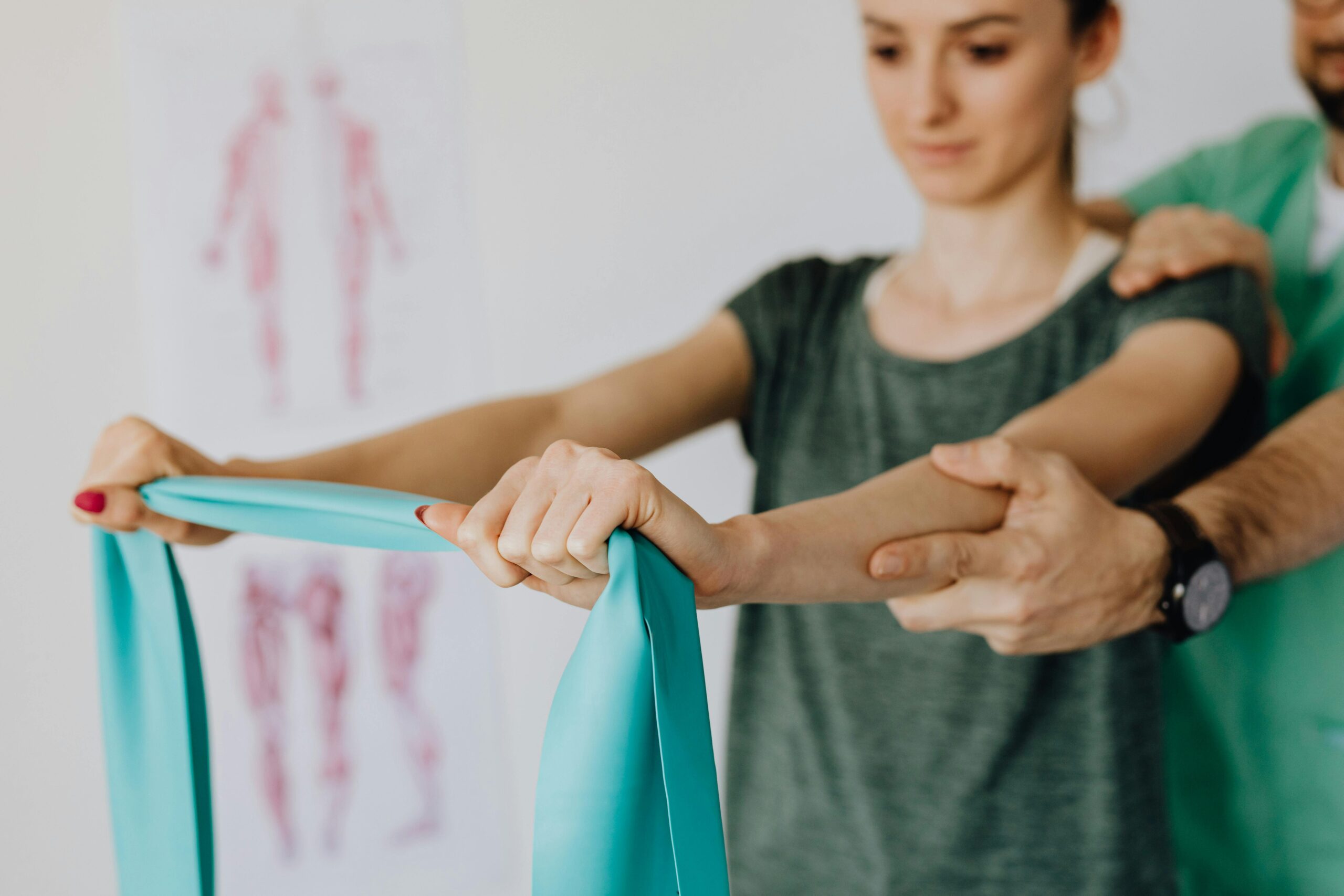
Your body is remarkably intelligent, but without proper guidance, even simple movements can compromise joint health over time. Understanding how to maintain joint stability during everyday activities is essential for preventing injuries and building lasting strength.

Whether you’re lifting groceries, playing with your children, or simply getting out of bed, every movement presents an opportunity to either protect or strain your joints. The good news? Mastering joint stability doesn’t require complex equipment or hours at the gym—just awareness and simple, effective cues you can apply immediately.
🔍 Understanding Joint Stability: The Foundation of Pain-Free Movement
Joint stability refers to your body’s ability to maintain proper alignment and control during movement. Think of your joints as hinges on a door—when properly aligned and supported, they work smoothly for years. When misaligned or unsupported, they wear down quickly and create discomfort.
The stability of any joint depends on three key components: the passive structures (ligaments and joint capsules), the active structures (muscles and tendons), and the neural control system (your brain’s ability to coordinate movement). When these systems work together harmoniously, you move efficiently and safely.
Many people experience joint pain not because of disease or injury, but simply because they’ve developed movement patterns that compromise stability. The repetitive strain of poor mechanics accumulates over months and years, eventually manifesting as chronic discomfort or acute injury.
💪 The Core Connection: Your Body’s Natural Weight Belt
Before diving into specific joint cues, we must address the foundation of all movement: core stability. Your core isn’t just your abs—it’s the entire cylinder of muscles surrounding your spine, from your diaphragm down to your pelvic floor.
The simple cue that transforms core engagement is “360-degree breathing.” Instead of sucking in your stomach, imagine filling your entire midsection with air—front, sides, and back. This creates intra-abdominal pressure that naturally stabilizes your spine, like inflating a sturdy balloon inside your torso.
Practical Core Cues for Daily Life
When lifting anything—whether a pen or a barbell—think “ribs down.” This cue prevents excessive arching of your lower back, maintaining a neutral spine position that distributes force evenly across your vertebrae. Your ribs should stay stacked over your pelvis, not flaring forward.
Another powerful cue is “long spine.” Imagine a string pulling the crown of your head toward the ceiling while your tailbone reaches toward the floor. This elongation creates space between vertebrae and engages the deep stabilizers that protect your spine during movement.
🦵 Hip Stability: The Powerhouse of Lower Body Movement
Your hips are the largest and most powerful joints in your body, yet they’re often the most neglected when it comes to stability training. Poor hip stability affects everything from your knees to your lower back, creating a cascade of compensation patterns.
The fundamental hip stability cue is “screw your feet into the ground.” Whether standing, walking, or squatting, imagine rotating your feet outward (without actually moving them). This external rotation activates your glutes and creates a stable base for all lower body movements.
Protecting Your Hips During Sitting and Standing
When sitting down or standing up from a chair, the cue “knees out” prevents the common pattern of knee collapse. Your knees should track in line with your middle toes throughout the movement. This alignment protects both your knees and hips from unnecessary stress.
For activities involving hip hinging—like picking up objects from the floor—think “push your hips back, not down.” This cue encourages proper loading of the posterior chain (glutes and hamstrings) rather than excessive knee bending, which can strain the knees and reduce power output.
🦴 Knee Protection: Alignment Is Everything
Knee pain is one of the most common complaints among active and sedentary people alike. The solution rarely lies in the knee itself—most knee issues stem from poor alignment originating at the hip or ankle.
The golden rule for knee stability is simple: “Knees follow toes.” During any movement, your kneecap should point in the same direction as your second and third toes. This alignment ensures optimal tracking of the patella and even distribution of forces across the joint.
Daily Movement Patterns That Save Your Knees
When climbing stairs, think “drive through your heel.” This cue shifts emphasis to your glutes and hamstrings, taking pressure off the knee joint. Many people push through their toes, which increases patellar compression and can lead to anterior knee pain over time.
During walking, the cue “soft knees” prevents hyperextension, which is surprisingly common and places excessive stress on the posterior structures of the knee. Your knees should never lock out completely during normal gait—maintain a slight, almost imperceptible bend.
👣 Ankle and Foot Stability: Your Foundation Matters
Your feet are your only contact points with the ground, making them critical for whole-body stability. Unfortunately, modern footwear and surfaces have weakened most people’s intrinsic foot strength, creating instability that reverberates up the entire kinetic chain.
The transformative foot cue is “tripod foot.” Imagine three points of contact with the ground: the base of your big toe, the base of your little toe, and your heel. Press all three points down evenly, creating an arch that acts like a spring, absorbing and distributing forces efficiently.
Activating Your Feet Throughout the Day
While standing, periodically practice “short foot” activation. Keeping your toes relaxed, draw the ball of your foot toward your heel, creating a dome in your arch. This exercise strengthens the intrinsic foot muscles responsible for dynamic stability during movement.
When walking, think “roll through your foot” from heel to toe. This complete foot roll engages the entire lower leg musculature and maintains ankle mobility, preventing the flat-footed slapping pattern that jars your joints with every step.
💼 Shoulder Stability: Protecting Your Most Mobile Joint
The shoulder is the most mobile joint in your body, which also makes it the most vulnerable to instability. Whether you’re reaching overhead, carrying bags, or working at a computer, shoulder positioning profoundly affects both immediate comfort and long-term health.
The essential shoulder cue is “pack your shoulders.” This means gently drawing your shoulder blades down and back, creating a stable platform for arm movement. Imagine tucking your shoulder blades into your back pockets—not aggressively, but with gentle, sustained engagement.
Shoulder Positioning for Overhead Activities
When reaching overhead, think “ribs down, shoulders down.” Many people compensate for limited shoulder mobility by arching their back and shrugging their shoulders. This compensation transfers stress to the lower back and neck, while reducing the safety and effectiveness of the overhead position.
For carrying bags or groceries, the cue “shoulders away from ears” prevents the chronic upper trap tension that plagues so many people. Your shoulders should remain relaxed and depressed, with the weight distributed through your entire body rather than hanging from your neck and upper shoulders.
🖐️ Wrist and Elbow Care: Small Joints, Big Impact
In our screen-dominated world, wrist and elbow pain have become epidemic. These joints weren’t designed for the sustained static positions modern life demands, making conscious positioning during daily activities crucial for long-term health.
For wrist health during computer work, the cue is “floating wrists.” Your wrists should remain in neutral alignment with your forearms, neither extended nor flexed. Many people rest their wrists on desk surfaces, creating prolonged compression and nerve irritation.
Protecting Elbows During Lifting and Carrying
When carrying objects, think “elbows close to ribs.” Allowing your elbows to drift away from your body reduces mechanical efficiency and places unnecessary stress on the shoulder and elbow joints. Keep your elbows tucked, creating a more stable and sustainable carrying position.
During pushing movements, the cue “break the bar” helps maintain elbow integrity. Imagine trying to bend a straight bar into a “U” shape—this creates external rotation at the shoulder and proper elbow tracking, protecting both joints during pressing activities.
🧘 Integrating Stability Cues Into Daily Routines
Knowledge without application remains theoretical. The real magic happens when you weave these stability cues into your everyday movements, transforming mundane activities into opportunities for strengthening and protection.
Start by choosing one or two cues to focus on each week. Trying to implement everything at once will overwhelm your nervous system and result in abandoning the practice altogether. Gradual integration allows new movement patterns to become automatic.
Morning Routine Stability Practice
Your morning routine offers multiple opportunities for stability practice. When brushing your teeth, stand on one leg and maintain tripod foot positioning—this simple addition transforms a passive activity into balance training. While showering, practice “long spine” and “ribs down” positioning, setting your alignment template for the day.
Getting dressed provides perfect moments for hip hinge practice. Rather than sitting to put on pants or shoes, practice single-leg balance with proper knee tracking. These small additions accumulate significant benefits over weeks and months.
Workplace Movement Solutions
If you work at a desk, set hourly reminders to check your alignment. Ask yourself: Are my shoulders packed? Is my spine long? Are my wrists floating? These brief check-ins interrupt compensation patterns before they solidify into chronic problems.
During breaks, perform mini-movement sessions focusing on the joints that feel stiffest. Five shoulder circles with proper packing, ten ankle circles emphasizing full range of motion, or twenty short foot activations can dramatically improve how you feel by day’s end.
🏃 Dynamic Stability: Moving With Confidence
Static stability is important, but life demands dynamic stability—maintaining proper alignment during complex, multi-directional movements. Sports, playing with children, and even avoiding hazards on the sidewalk require stable movement in unpredictable situations.
The foundational principle for dynamic stability is “move from your center.” Whether changing direction or responding to unexpected obstacles, initiate movement from your core and hips rather than leading with your extremities. This keeps your center of mass controlled and your joints protected.
Training Reactive Stability
Practice single-leg balance on various surfaces—firm ground, a pillow, grass, or sand. These varied challenges train your nervous system to maintain joint stability across different environments. Start with eyes open, then progress to eyes closed once you’ve mastered the basics.
During walks, occasionally incorporate direction changes, side steps, and backward walking. These multi-directional movements strengthen stability in all planes of motion, not just the forward-back emphasis of typical walking.
🎯 Troubleshooting Common Stability Challenges
Even with proper cues, certain situations consistently challenge joint stability. Understanding these common scenarios and how to address them prevents frustration and supports continued progress.
If you experience persistent difficulty maintaining a neutral spine, your breathing pattern may be the culprit. Many people are chest breathers, which promotes rib flaring and spinal extension. Practice diaphragmatic breathing while lying on your back, placing one hand on your chest and one on your belly. The belly hand should rise more than the chest hand.
Addressing Mobility Limitations
Sometimes poor stability reflects inadequate mobility. If you can’t maintain proper alignment during a movement, you may lack the necessary range of motion. For example, limited ankle dorsiflexion prevents proper squat mechanics, forcing compensation at the knees or lower back.
Address mobility restrictions through targeted stretching and movement practice. Focus on the specific ranges you need for daily activities rather than extreme flexibility. Functional mobility—the ability to move through positions you actually use—matters far more than impressive but impractical range of motion.
📊 Tracking Your Stability Progress
Improvement in joint stability manifests gradually, making it easy to overlook progress. Intentional tracking helps maintain motivation and reveals patterns that guide your ongoing practice.
Keep a simple movement journal noting which cues feel natural versus challenging. Over weeks, you’ll notice certain cues becoming automatic—this represents genuine neurological adaptation and improved motor control.
Pay attention to indirect markers like reduced joint discomfort, improved posture without conscious effort, better balance during daily activities, and increased confidence during physical tasks. These subjective improvements often precede objective measures like increased strength or endurance.
🌟 Creating Your Personalized Stability System
Every body is unique, with different strengths, weaknesses, and movement patterns. While the cues presented here provide an excellent foundation, customize them to address your specific needs and challenges.
Identify your primary stability weak points through honest self-assessment. Do your knees consistently collapse inward? Does your lower back ache after standing? Do your shoulders creep toward your ears during stress? These patterns indicate where to focus your attention and practice.
Experiment with cue variations to find language that resonates with your brain. Some people respond to mechanical descriptions (“screw feet into ground”), while others prefer imagery (“roots growing from your feet”). The most effective cue is the one that consistently produces the desired result for you.
🔄 Building Lasting Movement Habits
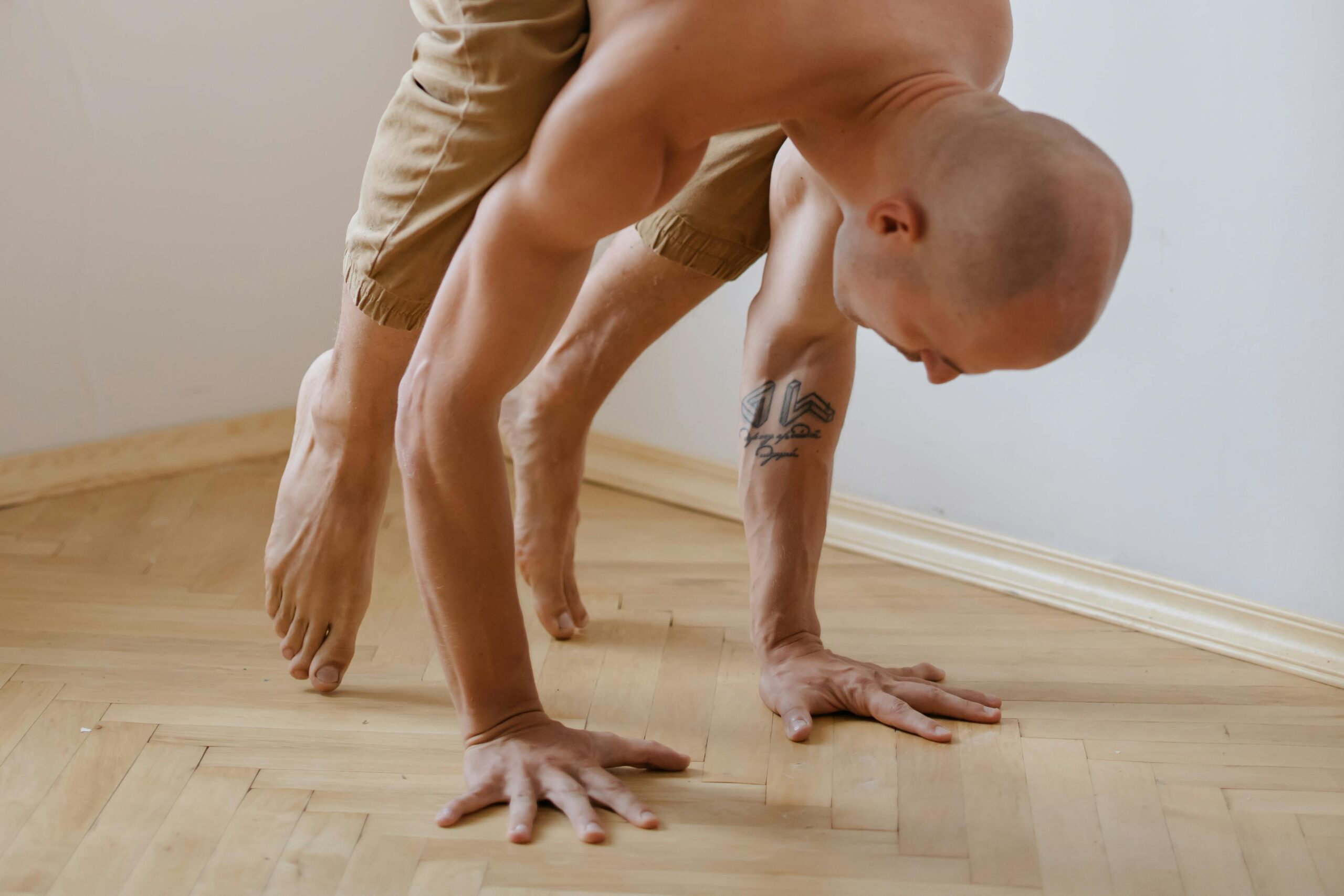
Transforming joint stability from conscious practice to unconscious habit requires consistency and patience. Your nervous system needs repetition to rewire movement patterns—the same repetition that created poor patterns can create healthy ones.
Start with ridiculously small commitments. Rather than attempting perfect alignment all day, commit to one properly executed movement per hour. This approach removes the overwhelm that sabotages most improvement efforts and builds sustainable momentum.
Link stability cues to existing habits through implementation intentions. For example: “When I open the refrigerator, I will check my shoulder position,” or “When I stand from my chair, I will push my hips back.” These if-then statements leverage habit stacking for effortless consistency.
Remember that setbacks are part of the process, not evidence of failure. You’ll forget cues, slip into old patterns, and experience frustrating plateaus. These experiences are normal and expected—what matters is returning to practice, not achieving perfection.
Joint stability isn’t a destination you reach and then abandon; it’s an ongoing practice woven into the fabric of daily movement. By applying these simple cues consistently, you protect your body from unnecessary wear while building the strength and resilience that support an active, pain-free life. Your joints will thank you today, tomorrow, and decades from now. ✨