Finding ways to stay active without putting excessive strain on your joints can transform your fitness experience. Low-impact cardio offers an effective solution for maintaining cardiovascular health while protecting your body from unnecessary stress and discomfort.

Whether you’re recovering from an injury, managing arthritis, starting your fitness journey later in life, or simply looking for sustainable exercise options, joint-friendly cardio workouts provide the perfect balance between effectiveness and safety. These exercises allow you to build endurance, burn calories, and strengthen your heart without the pounding impact that can lead to pain and long-term damage.
🏊 Understanding Low-Impact Cardio and Its Benefits
Low-impact cardio refers to any aerobic exercise that keeps at least one foot on the ground at all times or completely eliminates ground impact altogether. Unlike high-impact activities such as running or jumping, these exercises minimize the stress placed on your joints, particularly your knees, hips, and ankles.
The beauty of low-impact workouts lies in their accessibility and sustainability. They provide similar cardiovascular benefits to high-impact exercises while significantly reducing injury risk. Research consistently shows that low-impact cardio effectively improves heart health, increases stamina, supports weight management, and enhances overall fitness levels.
Many people mistakenly believe that low-impact means low-intensity, but this couldn’t be further from the truth. You can achieve an intense, calorie-burning workout while keeping your joints protected. The key is choosing the right exercises and maintaining proper form throughout your routine.
🚴 Top Joint-Friendly Cardio Exercises to Try
Swimming and Water Aerobics
Water-based exercises rank among the most joint-friendly options available. The buoyancy of water supports your body weight, reducing stress on joints by up to 90%. Swimming engages virtually every muscle group while providing excellent cardiovascular conditioning.
Water aerobics classes offer structured workouts that combine cardio and strength training in a supportive environment. The water’s natural resistance helps build muscle without requiring additional weights, while the cooling effect prevents overheating during intense sessions.
Cycling and Stationary Biking
Cycling provides an outstanding low-impact cardio option that builds leg strength while protecting your joints. The circular pedaling motion eliminates the jarring impact of running while still delivering an effective workout that can be adjusted to any fitness level.
Stationary bikes offer convenience and control, allowing you to exercise regardless of weather conditions. Many modern bikes include preset programs that vary resistance and simulate different terrains, keeping your workouts engaging and challenging.
Elliptical Training
The elliptical machine combines the benefits of running without the impact. Your feet remain in contact with the pedals throughout the movement, creating a smooth gliding motion that protects your joints while working both upper and lower body simultaneously.
Elliptical trainers allow for forward and backward pedaling, targeting different muscle groups and adding variety to your routine. The adjustable incline and resistance settings let you customize intensity without increasing joint stress.
Walking and Power Walking
Never underestimate the power of a good walk. Walking remains one of the most accessible forms of exercise, requiring no special equipment beyond comfortable shoes. It strengthens bones, improves cardiovascular health, and can be done virtually anywhere.
Power walking increases intensity by incorporating faster speeds, arm movements, and intentional posture engagement. Adding intervals of increased pace or incorporating hills creates a challenging workout while maintaining low impact on your joints.
Rowing
Rowing machines provide full-body cardio workouts with minimal joint stress. The seated position eliminates impact while the pulling motion engages your legs, core, back, and arms in a coordinated, fluid movement.
Proper rowing technique is essential for maximizing benefits and preventing injury. Focus on driving through your legs first, then engaging your core and arms in a smooth, controlled motion that emphasizes the pushing phase over the pulling.
💪 Building Your Joint-Friendly Cardio Routine
Creating an effective low-impact cardio program requires thoughtful planning and gradual progression. Start with sessions lasting 15-20 minutes and slowly increase duration as your fitness improves. Aim for at least 150 minutes of moderate-intensity cardio per week, as recommended by health organizations worldwide.
Variety prevents boredom and ensures balanced muscle development. Rotate between different low-impact exercises throughout the week, allowing certain muscle groups to recover while working others. This approach also reduces the risk of overuse injuries.
Consider this sample weekly schedule as a starting point:
- Monday: 30 minutes of swimming or water aerobics
- Tuesday: 25 minutes on the elliptical trainer
- Wednesday: Active recovery with gentle yoga or stretching
- Thursday: 30-40 minutes of cycling (outdoor or stationary)
- Friday: 20 minutes of rowing machine intervals
- Saturday: 45-minute power walk in nature
- Sunday: Rest or light activity like casual walking
Intensity Without Impact
Increasing workout intensity doesn’t require adding impact. Manipulate other variables to challenge yourself progressively. Increase resistance on machines, add intervals of higher speed, extend workout duration, or reduce rest periods between sets.
Heart rate monitoring helps ensure you’re working at an appropriate intensity. Aim for 50-70% of your maximum heart rate for moderate intensity, or 70-85% for vigorous activity. These zones deliver cardiovascular benefits while keeping the workout manageable and sustainable.
🧘 Essential Warm-Up and Cool-Down Practices
Proper warm-up prepares your joints for exercise by increasing blood flow and synovial fluid production, which lubricates joints and reduces friction. Spend 5-10 minutes performing gentle movements that mimic your planned activity at reduced intensity.
Dynamic stretching during warm-up improves range of motion without the risks associated with static stretching on cold muscles. Leg swings, arm circles, hip rotations, and gentle torso twists activate the body’s natural movement patterns.
Cooling down allows your heart rate to gradually return to normal and prevents blood pooling in your extremities. Continue your activity at a very low intensity for 5-10 minutes, followed by static stretching when muscles are warm and pliable.
🩺 Managing Joint Health During Exercise
Listening to your body remains crucial for joint health. Some muscle soreness after workouts is normal, but sharp pain, persistent discomfort, or swelling indicates a problem that requires attention. Distinguish between the temporary discomfort of challenging yourself and warning signs of injury.
Proper form trumps speed or duration every time. Poor technique places unnecessary stress on joints and connective tissues, potentially causing injury even during low-impact activities. Consider working with a qualified trainer initially to ensure correct movement patterns.
Adequate rest between workouts allows joints and muscles to recover and adapt. Overtraining syndrome affects joints just as much as muscles, leading to chronic inflammation and increased injury risk. Schedule at least one complete rest day weekly.
Nutrition for Joint Support
What you eat significantly impacts joint health and inflammation levels. Omega-3 fatty acids found in fish, walnuts, and flaxseed possess anti-inflammatory properties. Colorful fruits and vegetables provide antioxidants that combat oxidative stress in joints.
Adequate protein intake supports the tissues surrounding and protecting joints. Collagen supplements may benefit some individuals, though whole food sources like bone broth provide similar benefits naturally. Stay hydrated, as proper fluid intake maintains the cushioning properties of cartilage.
🔧 Equipment and Technology for Joint-Friendly Fitness
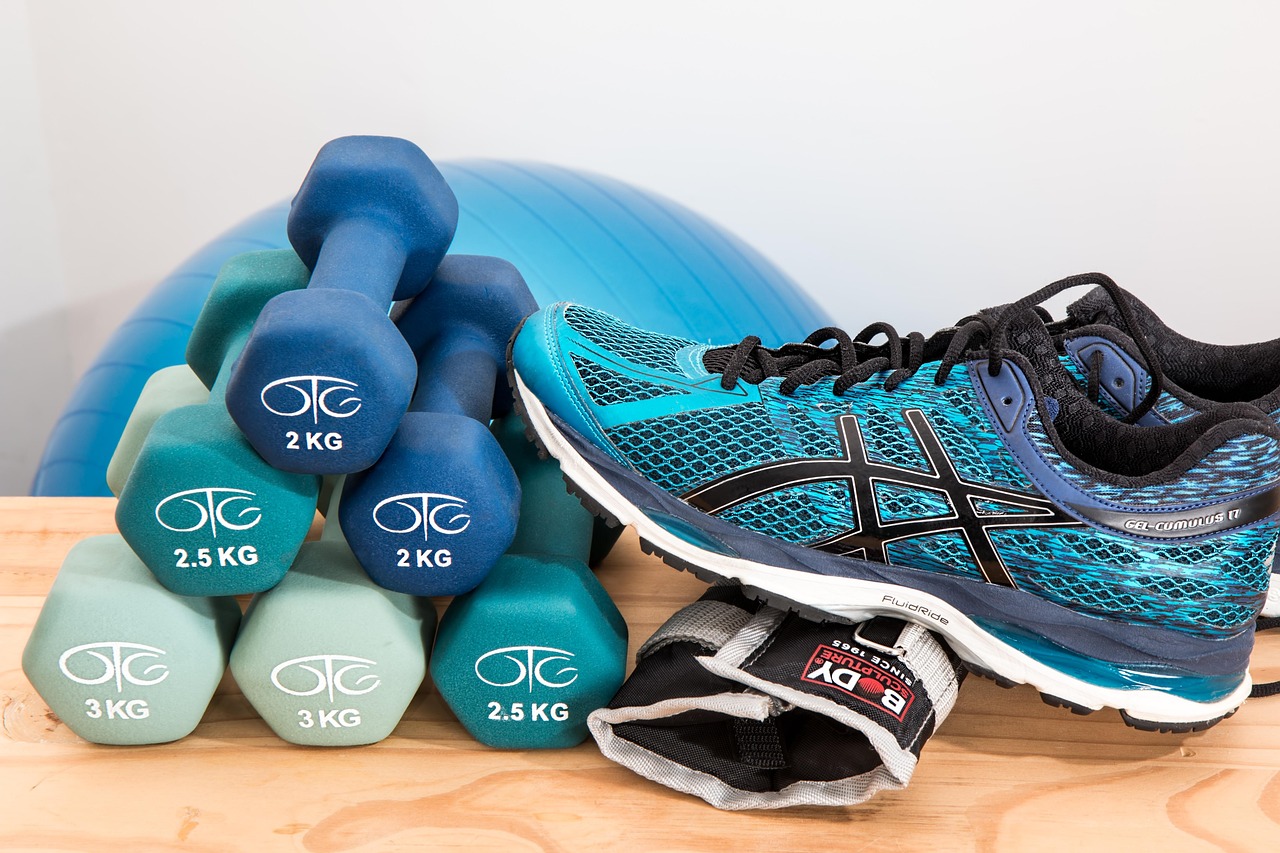
Investing in quality footwear designed for your specific activity makes a substantial difference. Proper shoes provide cushioning, support, and stability that protect joints during weight-bearing exercises like walking or using the elliptical.
Fitness trackers and smartwatches help monitor heart rate, track progress, and maintain motivation. Many devices include reminders to move regularly throughout the day, combating the joint stiffness associated with prolonged sitting.
Foam rollers and massage tools aid recovery by increasing blood flow and reducing muscle tension that can pull on joints. Regular self-myofascial release sessions complement your cardio routine and enhance overall joint mobility.
🌟 Overcoming Common Challenges and Staying Motivated
Starting and maintaining an exercise program presents challenges for everyone. Joint concerns may create additional mental barriers, with fear of pain or injury limiting your willingness to begin. Remember that appropriate low-impact exercise actually strengthens joints and reduces long-term discomfort.
Set realistic, specific goals that focus on process rather than just outcomes. Instead of “lose 20 pounds,” aim for “complete three 30-minute cardio sessions weekly for one month.” These achievable targets build confidence and create sustainable habits.
Finding an exercise buddy or joining group classes increases accountability and makes workouts more enjoyable. Social connections formed through fitness activities provide motivation during challenging times and celebrate your successes along the journey.
Adapting to Physical Limitations
Pre-existing conditions or past injuries may require modifications to standard exercises. Chair-based cardio workouts offer effective alternatives for those with severe mobility limitations, incorporating arm movements and seated marching to elevate heart rate safely.
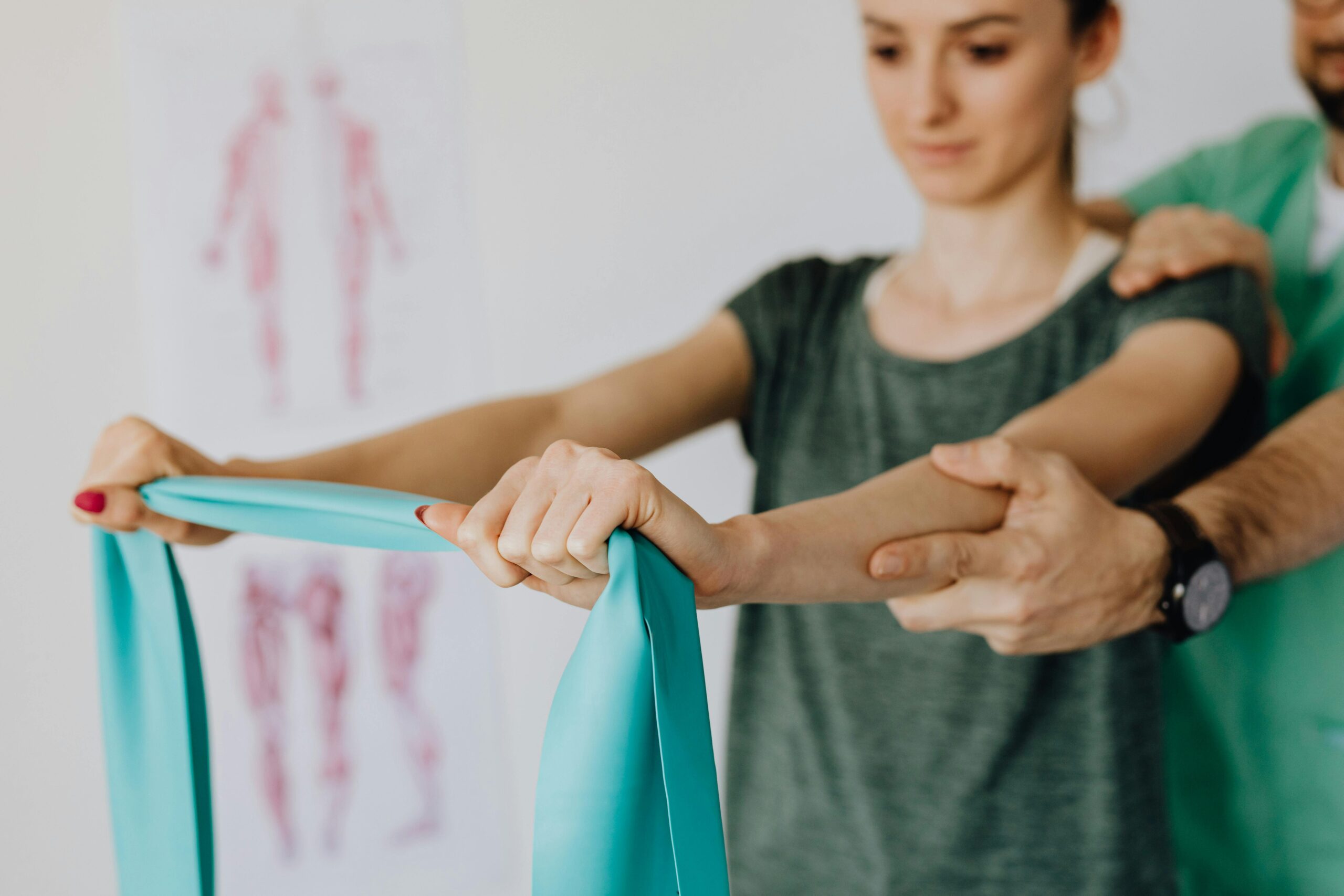
Consult healthcare providers or physical therapists before beginning any new exercise program, especially if you have diagnosed joint conditions like arthritis or previous injuries. These professionals can provide personalized recommendations based on your specific situation.
📊 Tracking Progress and Celebrating Success
Measuring progress extends beyond the scale. Track improvements in how long you can exercise comfortably, reductions in joint pain during daily activities, better sleep quality, increased energy levels, and enhanced mood throughout the day.
Maintain a simple fitness journal noting workout duration, type, intensity, and how you felt afterward. Patterns emerge over time, helping you identify which exercises provide the most benefit and which may need adjustment.
Celebrate non-scale victories enthusiastically. Climbing stairs without breathlessness, playing with children or grandchildren without joint pain, or simply feeling stronger and more capable in daily life represents true fitness success.
🌈 Creating a Sustainable, Pain-Free Fitness Lifestyle
Long-term fitness success requires viewing exercise as a permanent lifestyle component rather than a temporary intervention. Low-impact cardio provides the sustainability necessary for lifelong health, allowing you to remain active at any age without accumulating joint damage.
Balance cardio with strength training and flexibility work for comprehensive fitness. Strong muscles better support and protect joints, while good flexibility maintains range of motion and prevents stiffness. This holistic approach delivers the best results for joint health.
Remember that fitness journeys aren’t linear. Some weeks will feel easier than others, and occasional setbacks are completely normal. What matters is consistency over time, not perfection in every single workout. Be patient with yourself and trust the process.
Your joints carry you through life’s adventures. Treating them with respect and care through appropriate exercise ensures they’ll continue supporting you for decades to come. Low-impact cardio offers the perfect solution for staying active, healthy, and pain-free throughout your fitness journey and beyond.
Start today with just one small step. Choose a single joint-friendly cardio activity that appeals to you and commit to trying it this week. Your future self will thank you for the investment in sustainable, joint-protective fitness that enhances quality of life without unnecessary pain or limitation.