
Your joints are the unsung heroes of every workout, silently supporting every movement you make. When they’re healthy, you feel invincible, but when they’re compromised, even simple exercises become painful obstacles that derail your fitness journey.

Joint-safe training isn’t just another fitness trend—it’s a fundamental approach that prioritizes longevity and sustainable performance. By understanding how to protect your joints while building strength, you’re investing in a body that will serve you well for decades to come, not just through the next few gym sessions.
🔍 Understanding Joint-Safe Training: The Foundation of Sustainable Fitness
Joint-safe training represents a holistic approach to exercise that balances intensity with preservation. Unlike traditional workout methods that push through pain or ignore biomechanical limitations, this methodology emphasizes proper movement patterns, appropriate loading, and strategic recovery to maintain joint health while achieving fitness goals.
Your joints are complex structures where bones meet, cushioned by cartilage and stabilized by ligaments and tendons. Every repetition, every jump, and every weighted movement places stress on these structures. While controlled stress strengthens them, excessive or improper loading creates inflammation, wear, and eventual injury that can sideline you for weeks or months.
The beauty of joint-safe training lies in its preventative nature. Rather than waiting for pain signals to emerge, this approach proactively addresses movement quality, muscle imbalances, and training volume before problems develop. It’s the difference between a fitness journey that spans decades versus one that ends prematurely due to preventable injuries.
💪 The Science Behind Joint Protection During Exercise
Understanding the biomechanics of joint stress helps explain why certain exercises feel different than others. When you perform a movement, forces distribute across joint surfaces, with pressure varying based on your position, load, and speed. Optimal joint positioning ensures even distribution of these forces, while poor alignment concentrates stress on vulnerable areas.
Synovial fluid acts as your joints’ natural lubricant, reducing friction and providing nutrients to cartilage. Movement stimulates its production, which is why properly programmed exercise actually benefits joint health. However, excessive repetitive stress without adequate recovery depletes this protective mechanism, leaving cartilage vulnerable to degradation.
Key Factors That Influence Joint Stress
- Range of motion: Extreme ranges often place joints in mechanically disadvantaged positions where supporting structures are stretched and vulnerable
- Loading patterns: How weight is distributed through your kinetic chain determines whether stress is shared appropriately or concentrated dangerously
- Movement speed: Ballistic or uncontrolled movements create impact forces significantly higher than the actual weight being moved
- Training volume: Cumulative stress from high repetitions or frequency can overwhelm your body’s recovery capacity
- Muscle activation patterns: Proper muscle engagement stabilizes joints and distributes forces efficiently across multiple structures
🎯 Identifying Your Joint Vulnerabilities and Risk Factors
Not everyone enters the gym with the same joint health baseline. Previous injuries, genetic factors, anatomical variations, and lifestyle habits all influence your individual risk profile. Recognizing your specific vulnerabilities allows you to customize your training approach for maximum safety and effectiveness.
Age plays a significant role in joint considerations. As we mature, cartilage naturally loses some elasticity and regenerative capacity, making joint-conscious training progressively more important. However, younger individuals aren’t immune—poor movement patterns developed early can create problems that manifest later in life.
Body composition affects joint stress, particularly in weight-bearing joints like knees, hips, and ankles. Every excess pound creates multiplied forces during dynamic movements. A person carrying extra weight experiences significantly higher impact forces during activities like running or jumping compared to their lighter counterparts.
Common Joint Problem Areas and Why They Occur
Shoulders suffer frequently in fitness environments due to their exceptional mobility, which comes at the cost of inherent stability. Overhead pressing, heavy bench pressing, and excessive internal rotation movements can create impingement and rotator cuff issues when programming lacks balance.
Knees bear tremendous loads during squatting, lunging, and jumping movements. Poor tracking patterns, where the knee caves inward or shifts excessively forward, concentrates stress on the patellofemoral joint and stresses the ACL and meniscus structures.
Lower back problems often stem from insufficient core stability combined with loaded flexion or extension movements. The lumbar spine prefers neutral positioning during loaded exercises, yet many common movements challenge this principle.
🛠️ Essential Principles of Joint-Safe Exercise Selection
Not all exercises are created equal when it comes to joint stress. Strategic exercise selection based on your biomechanics, training history, and goals forms the cornerstone of joint-safe programming. This doesn’t mean avoiding challenging exercises—it means choosing variations that match your current capabilities and structural realities.
Closed-chain exercises, where your hands or feet remain fixed, generally provide better joint stability than open-chain variations. For example, a squat (closed-chain) typically offers better knee joint congruency than a leg extension machine (open-chain), making it a safer choice for most people when performed correctly.
Joint-Friendly Exercise Modifications
| Traditional Exercise | Joint-Safe Alternative | Benefit |
|---|---|---|
| Behind-the-neck press | Front military press or landmine press | Reduces shoulder impingement risk |
| Full-depth barbell squat (if limited mobility) | Box squat or goblet squat | Controls depth and reduces knee/hip stress |
| Running for cardio | Cycling, rowing, or elliptical | Lower impact on knees and ankles |
| Upright rows | Cable face pulls or lateral raises | Minimizes shoulder impingement |
| Leg extensions | Step-ups or Bulgarian split squats | More natural knee loading pattern |
🏋️ Progressive Overload Without Joint Compromise
Building strength requires progressively challenging your muscles, but this principle must be applied intelligently to avoid overwhelming your joints. The traditional approach of simply adding weight each session often leads to form breakdown and cumulative joint stress that exceeds recovery capacity.
Alternative progression methods provide joint-safe options for continued development. Increasing time under tension through tempo manipulation challenges muscles without additional load. Adding repetitions within a target range builds work capacity gradually. Improving movement quality and control represents progression that simultaneously enhances joint safety.
Undulating periodization, where training variables change regularly, prevents the repetitive stress injuries common with linear progression models. By varying rep ranges, exercise variations, and intensity across training cycles, you provide joints with varied stimulus patterns that promote adaptation without overuse.
🧘 Mobility and Stability: The Dynamic Duo of Joint Health
Optimal joint function requires the perfect balance between mobility (range of motion) and stability (control within that range). Excessive mobility without stability creates joints that move freely but lack protective control, while excessive stability without mobility restricts movement and forces compensation patterns.
Different joints require different ratios of mobility versus stability based on their anatomical design and functional role. Ankles, hips, and thoracic spine generally benefit from mobility emphasis, while knees, lumbar spine, and shoulders need stability prioritization, though all require both elements.
Essential Mobility Practices for Joint Health
Dynamic warm-ups that take joints through controlled ranges of motion prepare synovial fluid production and neuromuscular activation. These movement-based preparations outperform static stretching for pre-workout joint preparation, saving static work for dedicated mobility sessions or post-workout cooldowns.
Joint-specific mobility drills address individual limitations. Hip CARs (Controlled Articular Rotations), shoulder dislocations with bands, and ankle mobility exercises systematically improve available range while teaching your nervous system to control these ranges safely.
Consistency matters more than intensity for mobility development. Brief, frequent mobility sessions—even five minutes daily—produce better long-term improvements than occasional marathon stretching sessions that may actually create temporary instability.
💊 Recovery Strategies That Support Joint Regeneration
Your joints don’t strengthen during workouts—they strengthen during recovery when your body rebuilds stressed tissues. Inadequate recovery between sessions prevents this regeneration, leading to accumulated microtrauma that eventually manifests as chronic pain or acute injury.
Sleep represents your most powerful recovery tool. During deep sleep phases, your body releases growth hormone and other compounds that facilitate tissue repair. Chronic sleep deprivation impairs this process, leaving joints in a partially recovered state that makes them vulnerable to injury.
Nutrition directly impacts joint health through several mechanisms. Adequate protein provides building blocks for cartilage and connective tissue repair. Omega-3 fatty acids reduce inflammatory responses that can damage joint structures. Vitamin D and calcium support bone health, while vitamin C is essential for collagen synthesis in tendons and ligaments.
Active Recovery Techniques
- Low-intensity movement: Walking, swimming, or gentle cycling promotes blood flow without creating additional stress
- Foam rolling and self-myofascial release: Addresses muscle tension that can alter joint mechanics and create compensation patterns
- Contrast therapy: Alternating heat and cold applications can reduce inflammation and promote circulation
- Deload weeks: Periodically reducing training volume by 40-50% allows accumulated joint stress to dissipate
🎓 Learning Proper Movement Patterns and Form
Perfect practice creates perfect movement patterns, while repeated poor form ingrains dysfunctional patterns that eventually cause injury. The initial learning phase of any exercise represents a critical window where proper technique must be established before adding significant load or intensity.
Video analysis provides invaluable feedback that your internal perception often misses. Recording your lifts from multiple angles reveals subtle form breakdowns that feel correct but place joints at risk. Comparing your technique to textbook examples highlights areas needing correction.
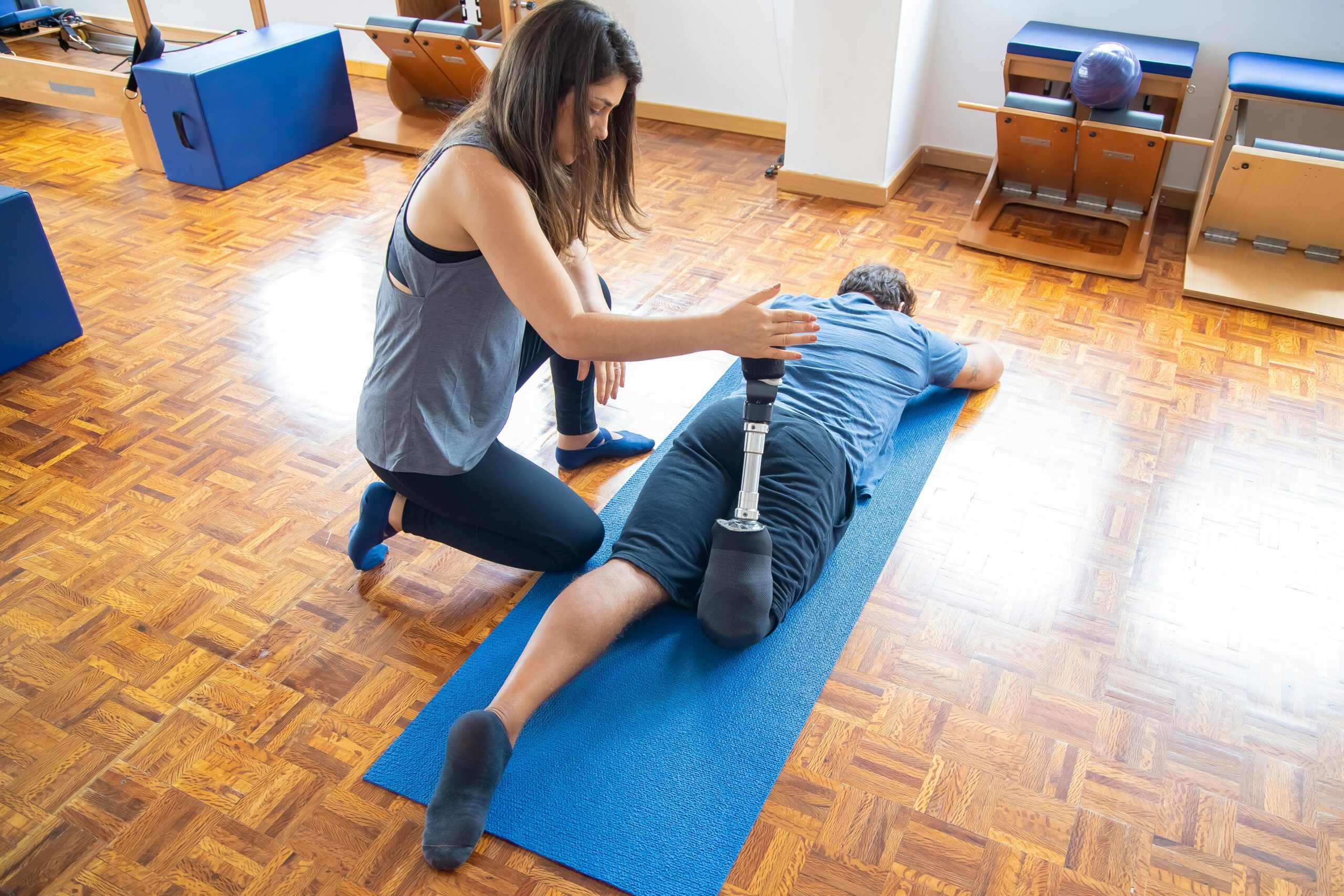
Working with qualified coaches or trainers accelerates proper movement pattern development. An experienced eye catches compensation patterns and provides targeted corrections that self-taught individuals might spend months or years discovering. This investment pays dividends through injury prevention and faster strength gains.
📱 Technology and Tools for Joint-Safe Training
Modern technology offers unprecedented resources for supporting joint-conscious fitness journeys. Wearable devices track training volume and provide objective recovery metrics that help prevent overtraining. Movement analysis apps use smartphone cameras to assess form and identify asymmetries or limitations.
Specialized fitness apps now incorporate joint-safe programming principles, offering workout plans that emphasize proper progression, exercise modifications, and recovery integration. These digital coaching tools democratize access to intelligent programming that was once available only through expensive personal training.
🌟 Building Your Personalized Joint-Safe Training Program
Creating an effective joint-safe training program begins with honest assessment of your current capabilities, limitations, and goals. This foundation determines appropriate exercise selection, training frequency, and progression rates that challenge you without overwhelming your joints’ adaptive capacity.
Balance remains crucial across multiple dimensions. Each training session should balance pushing movements with pulling, flexion with extension, and bilateral work with unilateral variations. Weekly programming should balance training stress with adequate recovery, and monthly periodization should balance progressive phases with strategic deloads.
Flexibility within structure allows your program to adapt to daily readiness variations. Some days your joints feel excellent and can handle planned intensity, while other days accumulated fatigue or poor sleep necessitates scaling back. Listening to these signals prevents pushing through into injury territory.
Sample Weekly Joint-Safe Training Framework
- Day 1: Lower body strength focus with joint-friendly variations (goblet squats, Romanian deadlifts, step-ups)
- Day 2: Upper body pushing and pulling with shoulder-safe positioning (incline press, seated rows, face pulls)
- Day 3: Active recovery with mobility work and low-intensity cardio
- Day 4: Full body functional training with moderate loads and controlled tempos
- Day 5: Upper body strength with joint-conscious variations (landmine press, pull-ups or lat pulldowns)
- Day 6: Lower body power and conditioning with low-impact options (cycling intervals, sled work)
- Day 7: Complete rest or gentle movement practice (yoga, walking, swimming)
🚀 Long-Term Success: Making Joint Health a Lifestyle
Joint-safe training transcends workout programming—it represents a fundamental mindset shift toward sustainable fitness. This perspective values training consistency over decades rather than maximum intensity over weeks. It recognizes that the person who trains intelligently at 70 years old has achieved more than the person who burned out at 35.
Regular assessment and program evolution maintain relevance as your body, goals, and life circumstances change. What worked perfectly at 25 may need modification at 45, not due to weakness but due to wisely adapting to natural physiological changes. This flexibility demonstrates strength, not limitation.
The compound benefits of joint-conscious training extend far beyond pain prevention. Improved movement quality enhances athletic performance. Better body awareness reduces injury risk in daily activities. The discipline of intelligent training develops patience and strategic thinking that apply to other life areas.
⚡ Taking Action: Your Next Steps Toward Pain-Free Training
Begin your joint-safe training journey by honestly evaluating your current situation. Identify any existing joint discomfort, movement limitations, or exercises that consistently cause problems. These insights guide your initial modifications and focus areas, creating a personalized starting point rather than following generic programs.
Implement changes gradually rather than overhauling everything simultaneously. Start by replacing your most problematic exercises with joint-friendly alternatives, then progressively refine other program elements. This measured approach prevents overwhelming yourself and allows proper assessment of what modifications provide the greatest benefit.
Track your progress beyond just weights and repetitions. Monitor how your joints feel during and after workouts, your energy levels, and your movement quality improvements. These qualitative measures often provide earlier indicators of program effectiveness than purely quantitative metrics, allowing timely adjustments that keep you progressing safely.
Your joints carry you through every life experience, from intense training sessions to playing with grandchildren decades from now. Protecting them through intelligent training practices isn’t limiting—it’s liberating. By embracing joint-safe principles today, you’re investing in a future where movement remains joyful, pain-free, and empowering for as long as you live.