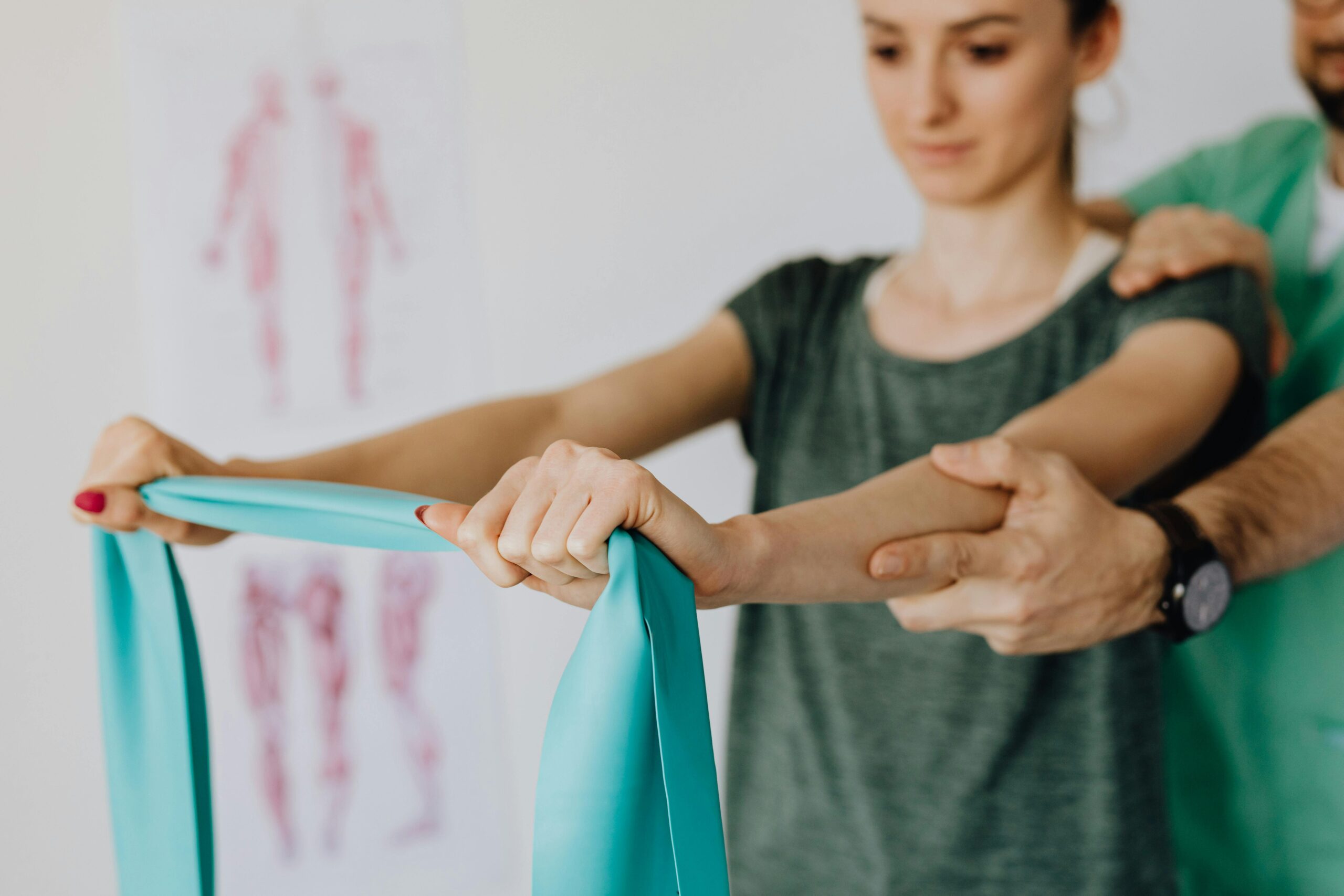
Your joints are the unsung heroes of daily movement, supporting everything from morning stretches to evening walks. Understanding how to protect, strengthen, and recover these vital connectors can transform your quality of life and athletic performance.

Joint health isn’t just about avoiding pain—it’s about building resilience that allows you to pursue your passions without limitation. Whether you’re an athlete pushing boundaries or someone simply wanting to move comfortably through daily activities, mastering joint tolerance and recovery is your pathway to sustained mobility and freedom.
Understanding Joint Tolerance: The Foundation of Movement 🏋️
Joint tolerance refers to your body’s capacity to withstand mechanical stress without injury or inflammation. Think of it as your joints’ shock absorption system—the better developed it is, the more activities you can safely enjoy.
This tolerance isn’t static; it changes based on conditioning, recovery practices, nutrition, and lifestyle factors. When you gradually expose joints to controlled stress through proper training, they adapt by strengthening surrounding tissues, improving synovial fluid production, and enhancing proprioceptive feedback.
The key distinction between building tolerance and causing damage lies in progressive overload versus sudden overexertion. Your joints need time to adapt to new demands, which is why rushed training programs often lead to injury while methodical approaches yield lasting results.
The Science Behind Joint Adaptation
When you exercise, your joints experience microstress that triggers adaptive responses. Cartilage compression during weight-bearing activities stimulates nutrient exchange, while ligaments and tendons gradually thicken in response to tension.
This biological remodeling process requires adequate recovery time—typically 48-72 hours for most joint structures. During this window, your body repairs micro-damage and builds stronger tissue architecture, ultimately increasing your joint tolerance threshold.
Strategic Loading: Building Resilient Joints Safely 💪
Progressive joint conditioning follows specific principles that balance challenge with recovery. Starting with low-impact movements and gradually increasing intensity allows your connective tissues to strengthen without overwhelming their current capacity.
Range of motion exercises should precede strength work, ensuring your joints move smoothly through their full arc before adding resistance. This approach lubricates joint surfaces and identifies any restrictions that need addressing before progressing to more demanding activities.
Essential Movement Patterns for Joint Health
Incorporating diverse movement patterns prevents repetitive stress injuries and promotes balanced joint development. Your training should include:
- Multi-directional movements that challenge joints from various angles
- Rotational exercises that improve joint mobility and stability simultaneously
- Isometric holds that strengthen supportive musculature without excessive joint compression
- Controlled eccentric movements that build tensile strength in connective tissues
- Balance challenges that enhance proprioception and joint protection mechanisms
Each category plays a distinct role in comprehensive joint conditioning. Neglecting any component leaves potential weaknesses that may surface under unexpected demands or as training intensity increases.
Recovery Protocols: The Missing Piece in Joint Health 🔄
Recovery isn’t passive rest—it’s an active process requiring intentional strategies. Your joints recover through nutrient delivery, inflammation management, and tissue remodeling, all of which you can optimize through targeted interventions.
The timing of recovery interventions matters significantly. Immediate post-exercise care focuses on managing acute inflammation and preventing excessive swelling, while longer-term recovery emphasizes tissue regeneration and adaptation consolidation.
Immediate Post-Activity Joint Care
The first 30 minutes after exercise represent a critical window for joint recovery initiation. Gentle movement maintains circulation without additional stress, helping flush metabolic waste products while delivering oxygen and nutrients to joint structures.
Ice therapy applied strategically to joints experiencing excessive warmth or swelling can modulate inflammatory responses. However, indiscriminate icing may actually impair the beneficial aspects of inflammation necessary for adaptation, so apply this tool judiciously based on specific joint responses.
Long-Term Recovery Strategies
Sleep quality directly impacts joint recovery, as growth hormone release during deep sleep stages facilitates tissue repair. Prioritizing 7-9 hours of quality sleep provides the foundation for all other recovery efforts.
Active recovery sessions using low-intensity movement keep joints mobile while promoting blood flow without adding significant mechanical stress. Activities like swimming, cycling at easy pace, or gentle yoga complement rest days effectively.
Nutrition’s Role in Joint Resilience and Repair 🥗
Your joints are living tissues requiring specific nutrients for maintenance and repair. Collagen synthesis, cartilage health, and inflammation management all depend on adequate nutritional support.
Protein intake becomes particularly important for connective tissue repair, with research suggesting 1.6-2.2 grams per kilogram of body weight for active individuals. The amino acids glycine, proline, and hydroxyproline specifically support collagen formation in joint structures.
Anti-Inflammatory Nutrition for Joint Health
Chronic inflammation accelerates joint degradation and slows recovery. Your dietary choices significantly influence inflammatory status through various mechanisms:
- Omega-3 fatty acids from fish, flaxseed, and walnuts reduce pro-inflammatory cytokine production
- Colorful vegetables provide polyphenols that modulate inflammatory pathways
- Turmeric and ginger contain compounds with demonstrated anti-inflammatory effects
- Adequate hydration maintains synovial fluid viscosity for optimal joint lubrication
- Limiting processed foods and excess sugar prevents inflammatory spikes
Supplements like glucosamine, chondroitin, and MSM show mixed research results, but some individuals report subjective benefits. Collagen peptides demonstrate more consistent evidence for supporting joint comfort and function when combined with proper training.
Recognizing the Warning Signs: When Joints Need Attention ⚠️
Distinguishing between productive training discomfort and problematic joint stress prevents minor issues from becoming serious injuries. Sharp, localized pain differs fundamentally from general muscle soreness and demands immediate attention.
Morning stiffness lasting beyond 30 minutes, persistent swelling, or joints that feel unstable or “catch” during movement signal that recovery protocols need adjustment or professional evaluation is warranted.
The Pain Scale Approach
Using a personalized pain scale helps track joint status objectively. On a 0-10 scale where zero represents no discomfort and ten represents severe pain:
| Pain Level | Description | Action Required |
|---|---|---|
| 0-2 | Normal training sensations, mild awareness | Continue current program |
| 3-4 | Noticeable but not limiting, improves with warmup | Monitor closely, emphasize recovery |
| 5-6 | Affects technique, persists through activity | Reduce intensity, modify exercises |
| 7+ | Sharp, worsening, or affecting daily activities | Rest and seek professional evaluation |
Tracking joint responses in a training journal reveals patterns that help optimize your approach. Noting which activities, volumes, or recovery strategies correlate with better or worse joint status guides personalized programming.
Mobility Work: The Bridge Between Strength and Recovery 🧘
Mobility differs from simple stretching by addressing joint capsule restrictions, muscular limitations, and movement control simultaneously. This comprehensive approach improves both joint tolerance and recovery capacity.
Daily mobility sessions lasting 10-15 minutes produce better results than occasional longer sessions. Consistency allows gradual tissue adaptation without triggering protective tension responses that limit progress.
Targeted Mobility Techniques
Controlled articular rotations (CARs) systematically move joints through their complete range while maintaining tension. This practice improves joint awareness, identifies restrictions, and maintains healthy joint capsules.
Loaded stretching combines flexibility work with light resistance, strengthening tissues at end-range positions where injuries often occur. This approach builds usable mobility rather than passive flexibility that doesn’t transfer to functional activities.
Age-Specific Joint Considerations Across Life Stages 📅
Joint tolerance and recovery needs evolve throughout life. Understanding these changes allows appropriate program adjustments that maintain joint health during each decade.
Younger individuals typically recover faster and tolerate higher training volumes, but this advantage can mask poor movement patterns that create problems later. Building quality movement foundations during youth provides dividends across the lifespan.
Maintaining Joint Health Beyond 40
Natural decreases in collagen production, hydration status, and hormone levels affect joint recovery as we age. However, consistent training actually stimulates adaptation at any age, with proper programming remaining effective for maintaining and even improving joint function.
Older athletes benefit from extended warmups, increased recovery time between intense sessions, and greater emphasis on mobility work. Strength training becomes increasingly important for maintaining the muscular support that protects joints from excessive stress.
Technology and Tools for Joint Health Monitoring 📱
Modern technology offers valuable tools for tracking joint health and optimizing recovery. Wearable devices monitor movement patterns, identify asymmetries, and track recovery metrics that inform training decisions.
Range of motion apps provide objective measurements of joint mobility over time, revealing whether your current approach is maintaining, improving, or compromising joint function. Regular assessment creates accountability and catches declining trends before they become problematic.
Creating Your Personalized Joint Health Protocol 🎯
Effective joint care requires individualization based on your specific activities, training history, and recovery capacity. Generic programs overlook the unique stresses your joints experience and the particular support they need.
Begin by identifying your highest-stress joints based on primary activities. Runners need extra attention for ankles, knees, and hips, while overhead athletes prioritize shoulders and elbows. Targeted conditioning and recovery for these areas prevents the most common breakdowns.
Building Your Weekly Joint Care Routine
A sustainable approach integrates joint care throughout your week rather than treating it as separate from training. Morning mobility primes joints for daily demands, pre-workout preparation optimizes performance, and evening recovery work facilitates adaptation.
Schedule at least two dedicated mobility sessions weekly, ensuring all major joints receive attention. Balance higher-intensity training days with active recovery focusing on joint health, creating a rhythm that promotes continuous improvement without accumulated stress.
Environmental Factors Affecting Joint Health 🌡️
Temperature, altitude, and humidity influence joint function and recovery. Cold weather increases tissue stiffness and requires extended warmup periods, while heat and humidity may increase swelling in vulnerable joints.
Indoor environments with low humidity can affect synovial fluid consistency, potentially requiring increased hydration and longer movement preparation. Awareness of these factors allows proactive adjustments that maintain consistent joint function despite environmental changes.
The Mind-Body Connection in Joint Recovery 🧠
Stress, sleep quality, and mental state significantly impact physical recovery through hormonal and neurological pathways. Chronic stress elevates cortisol, which impairs tissue repair and increases inflammatory responses throughout the body, including joints.
Mindfulness practices and breathing exercises activate parasympathetic nervous system responses that facilitate recovery. Just 10 minutes of focused breathwork or meditation can shift your body into recovery mode, enhancing the effectiveness of other joint care strategies.

Long-Term Joint Health: Beyond Immediate Performance ⏳
True mastery of joint tolerance and recovery extends beyond current athletic goals to lifelong mobility and function. The choices you make today directly impact your movement capacity decades from now.
Balancing ambitious training with appropriate recovery creates sustainable progress. Pushing through joint pain for short-term gains often results in long-term limitations that prevent participation in the activities you love most.
Investing in joint health represents investing in future freedom—the ability to play with grandchildren, pursue new activities, and maintain independence regardless of age. This perspective transforms joint care from tedious maintenance into meaningful self-care.
Your joints enable every adventure, support every goal, and carry you through life’s most meaningful moments. By mastering tolerance-building strategies and recovery protocols, you unlock potential that extends far beyond the gym or playing field into a life defined by capability rather than limitation. Start implementing these principles today, and your future self will thank you for the gift of sustained, pain-free movement. 🌟