Aging doesn’t mean slowing down or accepting a sedentary lifestyle. Staying physically active becomes even more crucial as we grow older, helping maintain independence, prevent chronic conditions, and enhance overall quality of life.

For older adults, the key to sustainable fitness lies in choosing exercises that strengthen the body while protecting vulnerable joints. Traditional high-impact workouts can place excessive stress on knees, hips, and shoulders that have experienced decades of wear. Joint-friendly exercises offer a solution that builds strength, improves balance, and increases mobility without causing pain or injury. This approach to fitness recognizes the unique needs of aging bodies while empowering seniors to remain active, vibrant, and strong throughout their golden years.
🏃♀️ Understanding Joint Health and the Aging Process
As we age, our joints undergo natural changes that affect mobility and comfort. Cartilage—the cushioning tissue between bones—gradually wears down, reducing shock absorption. Synovial fluid that lubricates joints decreases in production, leading to increased friction. Ligaments and tendons become less elastic, limiting range of motion and making injuries more likely.
These changes don’t mean exercise should be avoided. In fact, the opposite is true. Regular physical activity helps maintain joint flexibility, strengthens the muscles that support joints, and stimulates the production of synovial fluid. The key is selecting exercises that work with your body rather than against it.
Arthritis affects approximately 50% of adults over 65, making joint-conscious exercise particularly important for this demographic. Low-impact movements can actually reduce arthritis symptoms by decreasing inflammation, improving joint function, and managing weight that places additional stress on load-bearing joints.
💧 Water-Based Exercises: Nature’s Joint Protection
Aquatic exercise represents one of the most effective joint-friendly workout options for older adults. Water provides natural buoyancy that reduces body weight by approximately 90% when submerged to the neck, dramatically decreasing stress on joints while still providing resistance for muscle strengthening.
Water Walking and Aqua Jogging
Simply walking back and forth in a pool provides an excellent cardiovascular workout without the jarring impact of pavement. The water’s resistance requires muscles to work harder than during land-based walking, building strength throughout the legs, core, and arms. Aqua jogging with a flotation belt takes this concept further, allowing for running motions in deep water with zero impact on joints.
Swimming for Full-Body Conditioning
Swimming engages nearly every major muscle group while the water supports your body weight. Different strokes target various muscle groups—freestyle works shoulders and core, backstroke strengthens back muscles, and breaststroke focuses on chest and inner thighs. Even leisurely swimming provides substantial health benefits for older adults.
Water Aerobics Classes
Group aqua aerobics classes designed for seniors combine cardiovascular exercise with strength training and flexibility work. These classes typically incorporate pool noodles, foam dumbbells, and kickboards to add variety and challenge. The social component also provides mental health benefits and accountability that helps maintain exercise consistency.
🧘 Gentle Strength Training for Bone and Muscle Health
Resistance training remains essential for older adults, counteracting the natural muscle loss that occurs with aging—a condition called sarcopenia. After age 30, adults lose 3-5% of muscle mass per decade without intervention. Strength training also increases bone density, reducing osteoporosis risk and fracture likelihood.
Bodyweight Exercises Modified for Safety
Bodyweight exercises require no equipment and can be modified to match any fitness level. Wall push-ups provide upper body strengthening without the wrist and shoulder strain of floor push-ups. Chair squats build leg strength while providing security—simply standing and sitting repeatedly from a sturdy chair works quadriceps, glutes, and core muscles.
Heel raises strengthen calves and improve balance by having you stand behind a chair for support while lifting onto your toes and lowering slowly. Leg lifts can be performed while holding a countertop, raising one leg to the side, front, or back to strengthen hip muscles crucial for stability and fall prevention.
Resistance Band Training
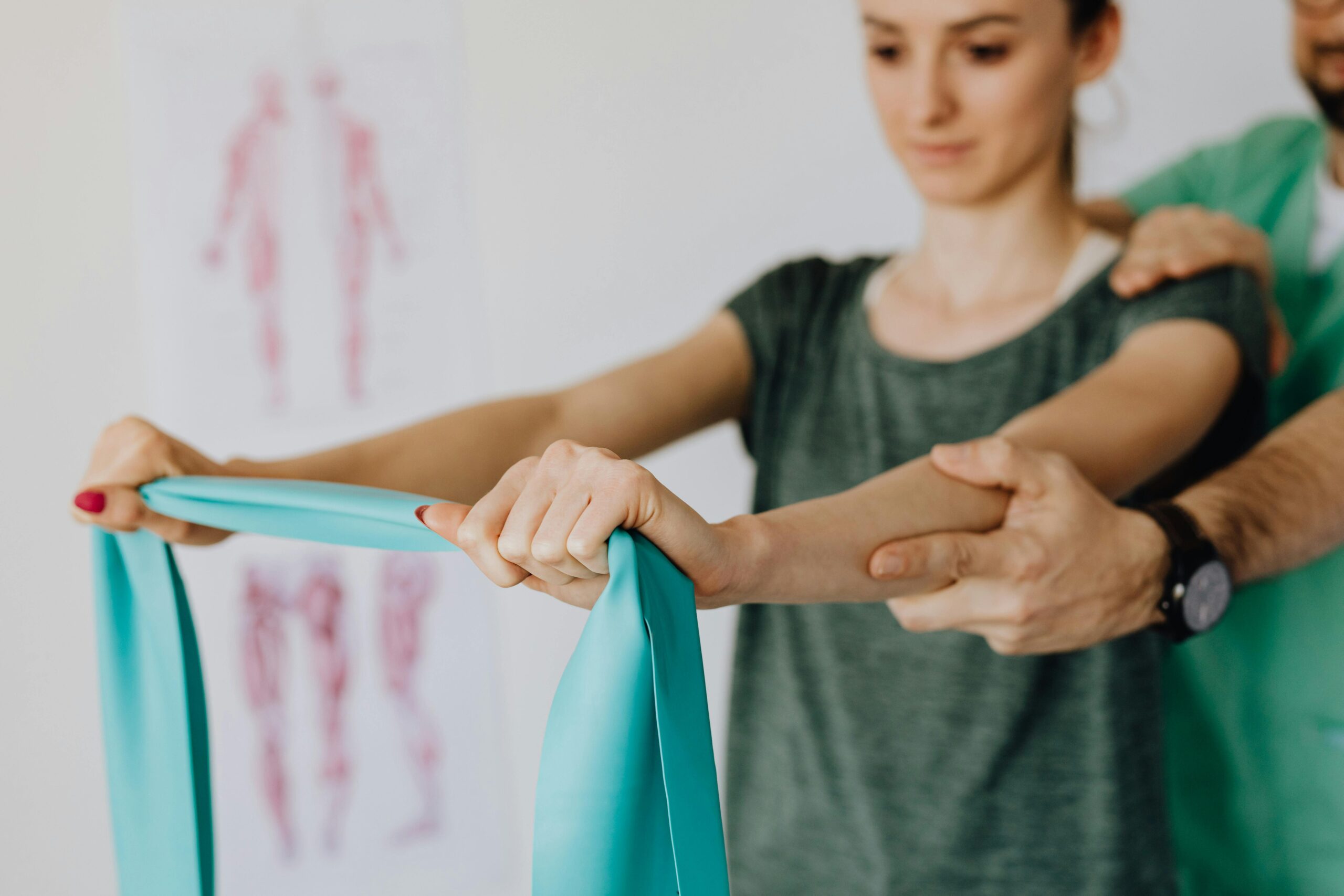
Resistance bands offer adjustable difficulty levels through different band tensions and provide smooth resistance throughout the movement range. Unlike free weights, bands don’t rely on gravity, allowing for exercises in any direction. Seated rows strengthen back muscles, bicep curls build arm strength, and leg presses target lower body without requiring getting on the floor.
Light Dumbbell Work
Light dumbbells (2-10 pounds depending on individual strength) allow for progressive overload while remaining joint-friendly. Shoulder presses, lateral raises, and chest flies can be performed seated for added stability. The key is focusing on controlled movements with proper form rather than heavy weights.
🌿 Flexibility and Balance: The Foundation of Mobility
Flexibility exercises maintain and improve range of motion, making daily activities like reaching, bending, and turning easier and safer. Balance training reduces fall risk—the leading cause of injury-related deaths among older adults.
Tai Chi: Ancient Practice, Modern Benefits
Tai Chi involves slow, flowing movements that improve balance, flexibility, and mental focus. Research shows Tai Chi reduces fall risk by up to 45% in older adults. The gentle, low-impact nature makes it accessible regardless of fitness level, and the meditative quality provides stress reduction alongside physical benefits.
Yoga Adapted for Seniors
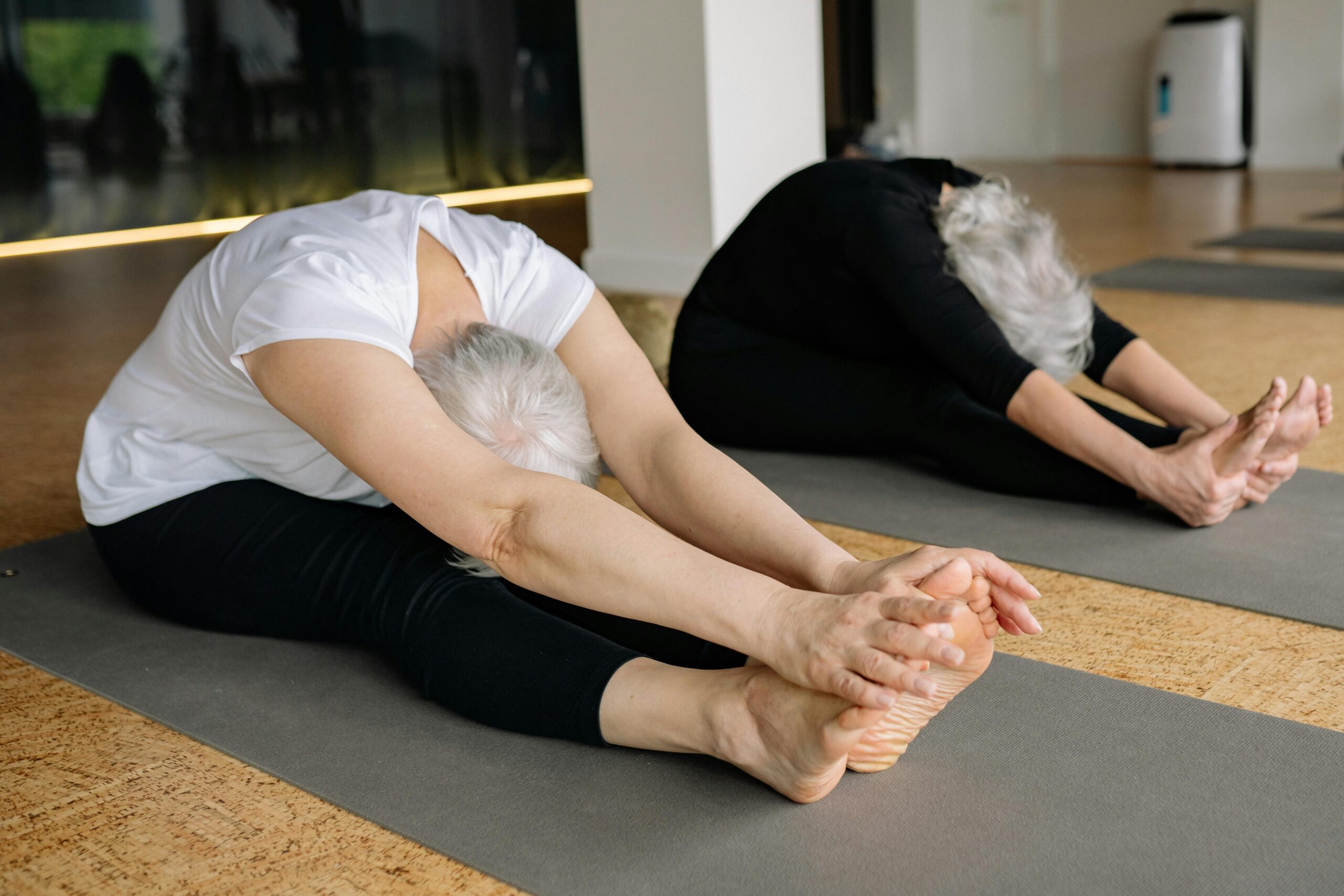
Chair yoga and gentle yoga classes modify traditional poses to accommodate limited flexibility and balance concerns. Poses like seated twists improve spinal mobility, cat-cow stretches enhance back flexibility, and tree pose (performed near a wall for support) strengthens balance. Yoga also emphasizes breath awareness, which can lower blood pressure and reduce anxiety.
Daily Stretching Routines
A simple daily stretching routine takes just 10-15 minutes but provides significant benefits. Focus on major muscle groups: neck rolls, shoulder shrugs, hamstring stretches, calf stretches, and hip flexor stretches. Hold each stretch for 20-30 seconds without bouncing, breathing deeply throughout. Stretching after light activity when muscles are warm yields better results and reduces injury risk.
🚴 Low-Impact Cardiovascular Options
Cardiovascular exercise strengthens the heart, improves circulation, enhances lung capacity, and supports healthy weight management. Low-impact options protect joints while delivering these vital benefits.
Walking: Simple Yet Powerful
Walking remains one of the most accessible forms of exercise, requiring no equipment beyond supportive shoes. A 30-minute daily walk can lower heart disease risk, improve mood, strengthen bones, and help control weight. Vary your routine by changing routes, incorporating gentle hills, or adding short intervals of slightly faster walking to increase intensity gradually.
Stationary Cycling
Cycling provides excellent cardiovascular conditioning with minimal joint stress. Recumbent bikes offer back support and easier mounting for those with mobility limitations. Start with 10-15 minutes and gradually increase duration as fitness improves. Many seniors find watching television or reading while cycling makes the time pass quickly and helps establish consistency.
Elliptical Training
Elliptical machines simulate running motions without impact, as feet never leave the pedals. The smooth, gliding movement is easier on knees and hips than treadmill use. Many models include movable handles that engage upper body muscles for a full-body workout. Begin with short sessions and low resistance, progressing as comfort and endurance increase.
📱 Technology Tools for Tracking Progress
Modern technology offers helpful tools for older adults embarking on fitness journeys. Fitness trackers monitor daily steps, heart rate, and sleep quality, providing motivation through measurable progress. Many seniors find that seeing their step count encourages additional movement throughout the day.
Exercise apps designed specifically for seniors provide guided workouts, progress tracking, and instructional videos demonstrating proper form. Features like adjustable timers, large text, and simple interfaces make these apps accessible for those less comfortable with technology.
🛡️ Safety Considerations and Injury Prevention
Exercise safety becomes increasingly important with age. Always consult healthcare providers before starting new exercise programs, especially if you have existing health conditions or take medications that might affect balance or heart rate.
Warning Signs to Watch For
Stop exercising immediately if you experience chest pain, severe shortness of breath, dizziness, or sudden sharp pain. Some muscle soreness after new activities is normal, but pain during exercise or joint pain that persists beyond a day or two signals a problem requiring professional evaluation.
Environmental Considerations
Exercise in temperature-controlled environments when possible, as older adults are more susceptible to heat exhaustion and hypothermia. Stay well-hydrated before, during, and after exercise. Wear appropriate footwear with good traction and support. Remove tripping hazards from exercise spaces and ensure adequate lighting.
The Importance of Warm-Up and Cool-Down
Spend 5-10 minutes before exercise performing light movements to gradually increase heart rate and warm muscles. This might include marching in place, arm circles, and gentle twisting. After exercise, cool down with lighter-intensity movements and stretching to prevent muscle stiffness and allow heart rate to return to normal gradually.
🍎 Supporting Exercise with Proper Nutrition
Physical activity and nutrition work synergistically to support health. Adequate protein intake becomes crucial for older adults to maintain muscle mass—aim for protein with each meal. Calcium and vitamin D support bone health, particularly important when engaging in strength training.
Hydration needs increase with exercise. Drink water before feeling thirsty, as thirst sensation diminishes with age. Dehydration can cause dizziness, fatigue, and confusion—symptoms sometimes mistaken for other age-related issues.
👥 Social Exercise: Building Community While Building Strength
Group exercise classes offer more than physical benefits. The social connections formed in senior fitness classes combat loneliness and isolation—serious health risks for older adults. Exercising with others provides accountability, making it easier to maintain consistency. Many gyms, community centers, and senior centers offer classes specifically designed for older adults at various fitness levels.
Walking groups combine cardiovascular exercise with social interaction. Many communities have organized senior walking clubs that meet regularly at parks, malls, or walking trails. The companionship makes exercise more enjoyable while providing safety in numbers.
🎯 Creating a Sustainable Exercise Routine
Consistency matters more than intensity for long-term health benefits. Start with modest goals—perhaps 10-15 minutes of activity three times weekly—and gradually increase duration and frequency. Schedule exercise at times when you typically have the most energy, whether that’s morning, afternoon, or early evening.
Sample Weekly Exercise Plan
A balanced weekly routine might include: aqua aerobics twice weekly for cardiovascular health and full-body conditioning; two strength training sessions focusing on major muscle groups with resistance bands or light weights; daily 20-minute walks for consistent movement; and yoga or Tai Chi twice weekly for flexibility and balance.
Allow rest days for recovery, but remember that rest doesn’t mean complete inactivity. Light stretching or leisurely walks on rest days promote circulation and prevent stiffness without overtaxing the body.
Overcoming Common Barriers
Many older adults face obstacles to regular exercise: limited mobility, chronic pain, lack of transportation, cost concerns, or simply not knowing where to start. Address these barriers proactively. Many exercises can be performed at home with minimal equipment. Online classes eliminate transportation needs. Community centers often offer low-cost or free senior fitness programs.
If chronic conditions like arthritis cause pain, exercise during times of day when symptoms are typically milder. Applying heat before exercise can reduce stiffness, while ice afterward can minimize inflammation. Pain medications timed appropriately (following doctor’s instructions) can allow for comfortable movement.
🌟 Celebrating Progress and Adjusting Goals
Track your progress through whatever method appeals to you: a simple calendar with workout days marked, a fitness journal noting exercises completed and how you felt, or a smartphone app with detailed metrics. Celebrate milestones—your first month of consistent exercise, improving from 10 to 20 minutes of activity, or noticing daily tasks becoming easier.
Remember that fitness is a journey without a final destination. As you grow stronger and more mobile, adjust your routine to maintain appropriate challenge. Add more repetitions, increase resistance band tension, walk slightly faster, or try new activities. The goal is continual engagement with physical activity appropriate for your current abilities.
💪 Embracing Active Aging for Enhanced Quality of Life
Regular joint-friendly exercise offers older adults the opportunity to remain independent, capable, and engaged with life. The physical benefits—stronger muscles, healthier joints, better balance, improved cardiovascular health—translate directly into easier performance of daily activities and reduced disease risk.
Beyond physical advantages, exercise provides mental health benefits through endorphin release, improved sleep quality, enhanced cognitive function, and reduced depression and anxiety symptoms. The sense of accomplishment from meeting fitness goals builds confidence that extends into other life areas.
Starting an exercise program may feel daunting, but remember that any movement is better than none. Begin where you are with what you can do, progress gradually, listen to your body, and seek guidance from healthcare providers and qualified fitness professionals. The investment you make in staying active today pays dividends in mobility, independence, and health for years to come. Your future self will thank you for taking action now to stay active and stay strong. 🌈