
Pain is not the end of your story—it’s often the beginning of your most profound transformation. When life pushes us into our darkest corners, we discover strengths we never knew existed.

Every person walking this earth will encounter moments that shake them to their core. These experiences, though unwelcome, carry within them the seeds of extraordinary growth. The question isn’t whether we’ll face hardship, but how we’ll choose to respond when it arrives. Our capacity to transform through pain determines not just our survival, but our ability to thrive beyond what we thought possible.
🌱 The Hidden Gifts Within Our Struggles
When we’re in the midst of suffering, the last thing we want to hear is that our pain serves a purpose. Yet countless stories throughout human history demonstrate that our greatest breakthroughs often emerge from our deepest wounds. This isn’t about romanticizing suffering or suggesting we should seek out pain—rather, it’s about recognizing the transformative potential that exists within difficult experiences.
Pain acts as a catalyst for change in ways that comfort never can. When everything is going smoothly, we rarely feel compelled to examine our lives, question our assumptions, or push beyond our current limitations. Adversity forces us out of complacency and into a space where growth becomes not just possible, but necessary for survival.
The concept of post-traumatic growth has gained significant attention in psychological research over the past decades. Studies show that individuals who navigate through trauma often report positive changes in five key areas: a greater appreciation for life, warmer relationships with others, a greater sense of personal strength, recognition of new possibilities, and spiritual development.
Recognizing the Difference Between Suffering and Growth
Not all pain automatically leads to growth. The distinction lies in our relationship with that pain. Suffering that remains unprocessed can become stuck energy that manifests as bitterness, resentment, or chronic emotional distress. Growth happens when we actively engage with our pain, allow ourselves to feel it fully, and then consciously choose to extract meaning and wisdom from the experience.
This process requires what psychologists call “reflective processing”—the ability to step back from our immediate emotional reactions and examine our experiences with curiosity rather than judgment. When we can ask ourselves “What is this teaching me?” instead of only “Why is this happening to me?”, we open doorways to transformation.
💪 Building Resilience Through Adversity
Resilience isn’t something we’re born with or without—it’s a capacity that develops through experience. Like a muscle that strengthens through resistance training, our psychological resilience grows stronger each time we face and overcome difficulty. The key word here is “through”—we must move through the pain, not around it or away from it.
People who develop strong resilience share certain characteristics. They maintain realistic optimism, viewing challenges as temporary rather than permanent. They cultivate strong support networks, recognizing that asking for help is a sign of strength, not weakness. They practice self-compassion, treating themselves with the same kindness they would offer a dear friend facing similar circumstances.
The Role of Mindset in Transformation
Carol Dweck’s research on growth mindset reveals a crucial truth: our beliefs about whether we can change fundamentally shape our ability to do so. When we approach painful experiences with a fixed mindset—believing that we are who we are and cannot fundamentally change—we close ourselves off from transformation. A growth mindset, however, allows us to see even our most difficult moments as opportunities for development.
This doesn’t mean adopting toxic positivity or pretending everything is fine when it isn’t. Rather, it involves holding two truths simultaneously: this is incredibly difficult AND I have the capacity to grow through this. Both statements can be true at the same time.
🔄 The Transformation Cycle: From Breaking to Breakthrough
Transformation through pain typically follows a recognizable pattern, though the timeline varies dramatically from person to person. Understanding this cycle can help us navigate our own difficult seasons with greater awareness and patience.
The Breaking Point
First comes the breaking—the moment when our old ways of being or thinking no longer work. This might arrive as a sudden crisis: the loss of a loved one, a health diagnosis, a relationship ending, or a career setback. Or it might build gradually, a slow accumulation of dissatisfaction until something finally gives way. This stage often feels like falling apart, and in a sense, we are. The structures we’ve built our lives upon are crumbling.
The Void: Sitting in the Unknown
After the breaking comes what many spiritual traditions call “the void”—that uncomfortable space between who we were and who we’re becoming. Nothing feels solid here. Our old identity no longer fits, but our new self hasn’t yet emerged. This is perhaps the most challenging phase because Western culture gives us few tools for sitting with uncertainty.
In this space, our work is primarily to resist the urge to rush through. We must allow ourselves to not know, to not have answers, to simply be with what is. Meditation, journaling, therapy, and contemplative practices can provide tremendous support during this phase.
The Emergence: New Patterns Taking Shape
Gradually, almost imperceptibly at first, new patterns begin to emerge. We notice small shifts in how we respond to situations. We discover interests or passions we’d never considered before. Relationships either deepen or naturally fall away. We start making different choices, guided by values that have been clarified through our ordeal.
This emergence phase requires patience and trust. The transformation is happening, but it’s organic and can’t be forced. Like a butterfly emerging from a chrysalis, the process has its own timeline that must be respected.
🛠️ Practical Tools for Transforming Pain into Growth
While transformation is ultimately a mysterious and personal process, certain practices consistently support people in moving through pain toward growth. These aren’t quick fixes but rather ongoing practices that create conditions for transformation.
Developing a Reflective Practice
Regular reflection helps us process experiences rather than simply react to them. This might take the form of journaling, talking with a therapist or trusted friend, or simply setting aside quiet time for contemplation. The goal is to create space between stimulus and response, giving ourselves room to choose how we’ll engage with our experiences.
Effective reflection asks questions like: What am I learning about myself through this? What old beliefs or patterns is this situation challenging? What would it look like to respond to this from my strongest, wisest self? What might be trying to emerge in my life right now?
Cultivating Mindfulness and Presence
Mindfulness practices teach us to be with difficult emotions without being overwhelmed by them. When we can observe our pain rather than becoming completely identified with it, we create space for transformation. This doesn’t minimize the pain—it actually allows us to feel it more fully while maintaining perspective.
Simple mindfulness practices include focused breathing, body scans, mindful walking, or using apps that guide meditation. The key is consistency rather than duration—even five minutes daily creates meaningful change over time.
Building and Leaning Into Community
We aren’t meant to transform in isolation. Sharing our struggles with others who can hold space for us without trying to fix us provides invaluable support. This might be a therapist, a support group, spiritual community, or trusted friends and family members.
Research consistently shows that social connection is one of the strongest predictors of resilience and post-traumatic growth. When we allow ourselves to be vulnerable with others, we discover we’re not alone in our pain, and this shared humanity itself becomes healing.
📚 Stories of Transformation: Learning From Those Who’ve Walked Before
Throughout history, some of humanity’s greatest teachers and leaders emerged from profound suffering. Viktor Frankl developed his influential psychological theories while surviving Nazi concentration camps. Maya Angelou transformed childhood trauma into powerful poetry and activism. Malala Yousafzai’s near-death experience strengthened her resolve to fight for education rights.
These aren’t superhuman individuals—they’re people who chose to meet their pain with presence and extract meaning from their suffering. Their stories remind us that transformation is possible and that our struggles might serve purposes we can’t yet see.
The Ordinary Transformations
But we don’t need to look only to famous figures. Every community contains people who’ve transformed through pain—the parent who became an advocate after losing a child, the person who found sobriety after hitting rock bottom, the individual who discovered their life’s purpose through illness or loss.
These ordinary transformations are no less profound than the famous ones. They remind us that the power to grow through difficulty lives within each of us, waiting to be activated by our willingness to engage with our experiences fully.
🌟 Redefining Success and Meaning After Pain
One of the most significant shifts that often accompanies transformation through pain is a fundamental redefinition of what matters. The superficial markers of success that once motivated us—status, money, appearance, achievement—often lose their grip. In their place emerges a deeper appreciation for connection, authenticity, purpose, and presence.
This isn’t about rejecting worldly success but about putting it in proper perspective. We recognize that our worth isn’t determined by our accomplishments but by something more fundamental—our inherent value as human beings and our capacity for love, compassion, and growth.
Creating Meaning From Our Experiences
Meaning-making is perhaps the most powerful tool we have for transforming pain into growth. This involves actively constructing a narrative about our experiences that acknowledges their difficulty while also recognizing how they’ve contributed to our development.
This isn’t about pretending bad things are actually good or that we should be grateful for suffering. Rather, it’s about acknowledging that while we didn’t choose our circumstances, we can choose what we make of them. We can decide whether our pain will diminish us or develop us.
🚀 Moving Forward: Integration and Continued Growth
Transformation isn’t a destination but an ongoing process. Once we’ve moved through a particularly difficult season, we don’t arrive at some permanent state of enlightenment. Instead, we integrate what we’ve learned and continue growing, likely facing new challenges that will call forth further transformation.
The wisdom we gain through one painful experience becomes a resource for navigating future difficulties. We develop what might be called “earned wisdom”—knowledge that comes not from books or theories but from direct experience. This wisdom can’t be taken from us and becomes part of who we fundamentally are.
Sharing Your Transformation With Others
Many people who’ve transformed through pain feel called to help others facing similar struggles. This isn’t about positioning ourselves as experts or saviors, but about offering companionship to those walking difficult paths. Our wounds, when properly healed, become sources of empathy and understanding that allow us to connect authentically with others’ pain.
This sharing completes a cycle—receiving support when we needed it, doing our own inner work, and then extending support to others. In this way, our personal transformation ripples outward, contributing to collective healing and growth.
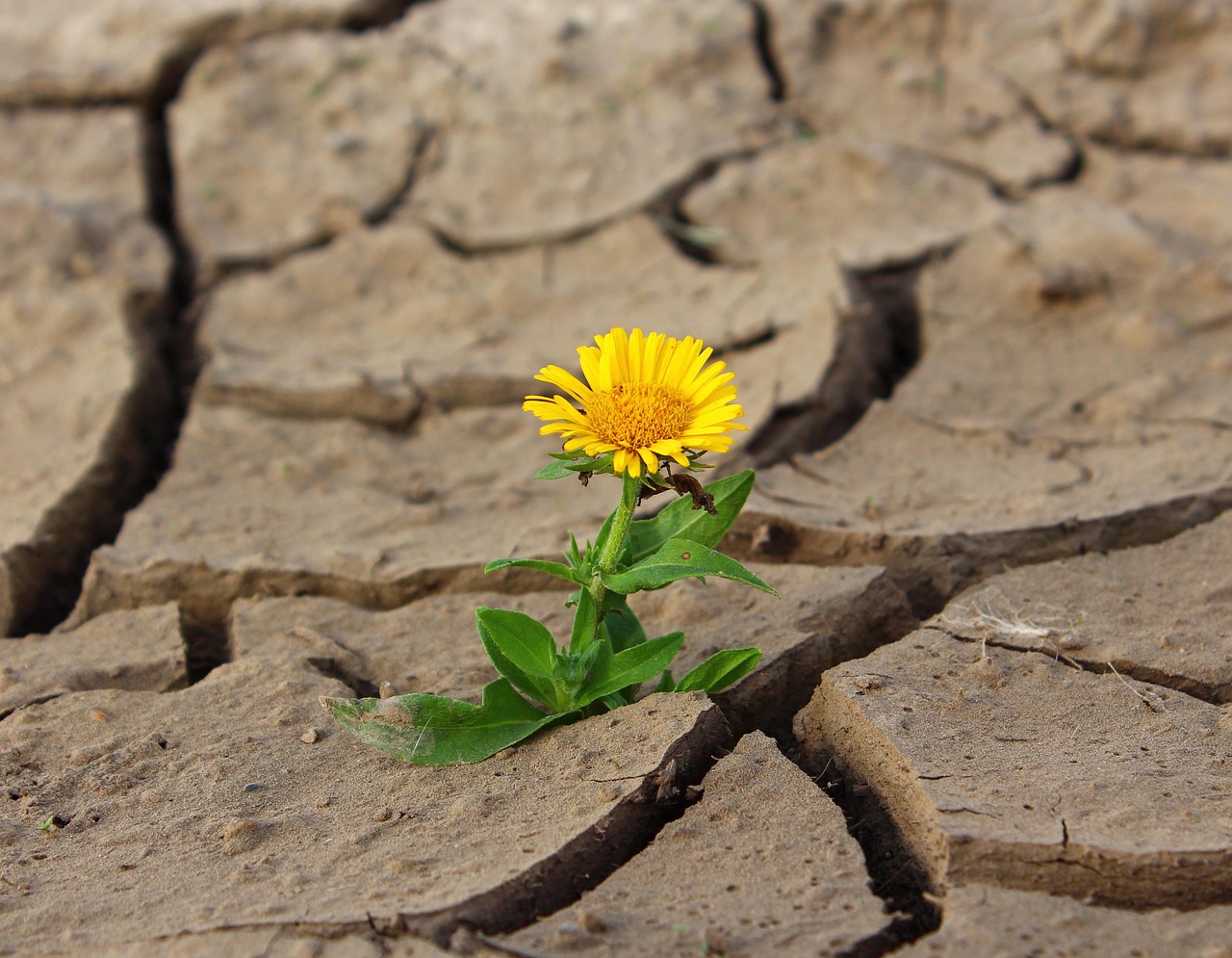
✨ Embracing the Journey With Open Hearts
The path of transformation through pain requires tremendous courage. It asks us to stay open when every instinct screams for us to close down and protect ourselves. It demands that we feel what hurts rather than numbing out. It insists we keep showing up even when we can’t see where we’re going.
But this courage isn’t about being fearless—it’s about being afraid and choosing to engage anyway. It’s about trusting that life’s toughest moments, while unwanted and painful, might also be doorways to becoming more fully ourselves than we’ve ever been before.
The transformation that comes through pain isn’t about becoming someone different—it’s about becoming more authentically who we already are beneath all the conditioning and defenses. Pain strips away what’s superficial, revealing our core strength, wisdom, and capacity for love.
As you navigate your own difficult seasons, remember that you’re not alone in this process. Countless others have walked through their own fires and emerged transformed. The pain you’re experiencing today might be the very thing that cracks you open to a more expansive, authentic, purposeful way of living. Trust the process, lean on your supports, practice self-compassion, and remain open to the unexpected gifts that can emerge from life’s toughest moments.
Your pain is real and valid, and your capacity for transformation through that pain is equally real. Both truths can coexist, and in that coexistence lies the possibility of profound growth and change that honors both your suffering and your strength.