
Mastering the perfect push-up form is one of the most valuable skills you can develop for upper body strength and overall fitness.

Whether you’re a beginner starting your fitness journey or an experienced athlete looking to refine your technique, understanding the essential cues for proper push-up execution will transform this fundamental movement into a powerful tool for building strength, enhancing stability, and improving performance. The push-up remains one of the most effective bodyweight exercises because it engages multiple muscle groups simultaneously while requiring minimal equipment and space.
Understanding the Anatomy of a Perfect Push-Up 💪
The push-up is far more than simply lowering and raising your body from the ground. It’s a complex movement pattern that requires coordination, strength, and proper muscle activation throughout your entire kinetic chain. When performed correctly, push-ups engage your chest, shoulders, triceps, core, glutes, and even your legs, creating a full-body tension that maximizes strength development.
Your pectoralis major and minor muscles work as primary movers during the pressing phase, while your anterior deltoids assist with shoulder flexion. The triceps brachii handle elbow extension, and your serratus anterior stabilizes your shoulder blades against your ribcage. Meanwhile, your core musculature—including the rectus abdominis, transverse abdominis, and obliques—works to maintain a rigid plank position throughout the movement.
The Foundation: Setting Up Your Starting Position
Before you even begin your first repetition, establishing the correct starting position sets the stage for perfect form throughout your set. Begin by placing your hands on the ground slightly wider than shoulder-width apart, with your fingers spread and pointing forward or slightly outward at about 10-15 degrees.
Your hand position creates the base of support for the entire movement. Position your hands so that when you’re at the bottom of the push-up, your forearms are relatively vertical when viewed from the side. This alignment maximizes mechanical efficiency and reduces unnecessary stress on your wrists and shoulders.
Hand Placement and Wrist Alignment ✋
Proper hand placement involves more than just width. Actively press your fingers into the ground and create a slight external rotation force—as if you’re trying to screw your hands into the floor and rotate them outward without actually moving them. This action engages your lats and creates shoulder stability through external rotation, protecting your shoulder joints and optimizing force production.
If you experience wrist discomfort, consider these modifications: use push-up handles or parallettes to maintain a neutral wrist position, perform push-ups on your fists with a neutral wrist, or use a slightly inclined surface to reduce the angle of wrist extension.
Creating Total Body Tension from Head to Toe
The difference between a mediocre push-up and an exceptional one often comes down to full-body tension. Think of your body as a solid plank of wood rather than a segmented chain. Every muscle should be engaged and contributing to the movement.
Start from the ground up: squeeze your quads to lock your knees into extension. Contract your glutes forcefully—this posterior chain activation helps maintain a neutral spine and prevents your hips from sagging. Brace your core as if you’re about to receive a punch to the stomach, creating intra-abdominal pressure that stabilizes your spine.
The Hollow Body Position
Elite gymnasts and strength athletes utilize what’s called a “hollow body” position during push-ups. This involves a slight posterior pelvic tilt, engaged abs, and a subtle protraction of the shoulder blades at the top position. This alignment creates maximum tension through the anterior chain and protects your lower back from hyperextension.
To find this position, imagine someone placed a broomstick along your spine. In a perfect push-up, that broomstick should maintain contact with the back of your head, your upper back between your shoulder blades, and your sacrum throughout the entire movement. Any deviation indicates a loss of spinal neutrality.
The Descent: Controlled Eccentric Strength 📉
The lowering phase of the push-up is where much of the strength-building magic happens. Eccentric muscle actions (when muscles lengthen under tension) create significant mechanical stress that drives adaptation and growth. A controlled descent also allows you to maintain proper form and positioning.
As you begin lowering yourself, think about pulling yourself toward the ground rather than simply dropping down. Initiate the movement by unlocking your elbows and allowing them to track backward at approximately a 45-degree angle from your torso—not straight out to the sides, which can stress your shoulder joints.
Elbow Path and Shoulder Mechanics
The optimal elbow position during push-ups depends somewhat on your goals and shoulder health. A 45-degree angle provides an excellent balance between chest engagement and shoulder safety for most people. Keeping elbows closer to your sides (around 20-30 degrees) emphasizes triceps more, while a wider angle increases pectoral involvement but may challenge shoulder stability.
During the descent, your shoulder blades should move naturally, allowing slight retraction and depression. Avoid forcefully pinching your shoulder blades together, as this can actually reduce the effectiveness of the exercise and limit your range of motion.
The Bottom Position: Depth and Stability Checkpoints ✅
The bottom of your push-up represents a critical position where many people compromise their form. Ideally, you should descend until your chest nearly touches the ground or until your upper arms reach parallel with the floor, whichever comes first while maintaining perfect alignment.
At the bottom, perform a quick mental scan: Is your core still braced? Are your glutes engaged? Is your head in a neutral position with your neck aligned with your spine? Have your hips sagged or your lower back arched excessively? These checkpoints ensure quality over quantity.
Range of Motion Considerations
While full range of motion generally produces better results, your individual mobility and strength levels should dictate your depth. If you cannot maintain perfect form throughout a full range push-up, there’s no shame in reducing the range temporarily or using a modification until you build the necessary strength and control.
Consider using a foam roller, yoga block, or even your fist placed on the ground as a tactile reference point. Descend until your chest touches this object, ensuring consistent depth across all repetitions without compromising form.
The Ascent: Explosive Power and Scapular Control 🚀
The pressing phase of the push-up should be deliberate and powerful. Drive through your hands, pressing the ground away from you rather than thinking about pushing yourself up. This mental cue engages more muscle fibers and creates a more forceful contraction.
As you press up, maintain the same body tension and alignment you established at the start. Your entire body should move as a single unit—your chest, hips, and legs should reach the top position simultaneously, not in segments. If your hips rise first or your chest leads the movement, you’re losing tension and reducing the exercise’s effectiveness.
Breathing Pattern and Timing
Proper breathing enhances performance and maintains core stability. Inhale through your nose during the descent, using that breath to increase intra-abdominal pressure and core bracing. As you press back up, exhale forcefully through your mouth or with pursed lips, coordinating the breath with the exertion phase.
Some advanced athletes prefer a different pattern: taking a breath at the top, holding it during the descent, then exhaling during the press. Experiment with both methods to discover which provides better stability and power for your body.
Common Form Breakdowns and How to Fix Them 🔧
Even with proper instruction, certain form issues appear frequently. Recognizing these faults and implementing corrections will accelerate your progress and reduce injury risk.
- Sagging Hips: This indicates weak core strength or inadequate glute activation. Focus on the hollow body position and actively squeeze your glutes throughout each rep. Consider practicing planks separately to build the necessary endurance.
- Flared Elbows: Elbows pointing directly out to the sides stress shoulder joints. Consciously tuck your elbows to a 45-degree angle and focus on the sensation of your triceps working.
- Forward Head Position: Craning your neck forward disrupts spinal alignment. Keep your gaze at a spot on the floor about 6-12 inches in front of your hands and maintain a neutral neck throughout.
- Incomplete Range of Motion: Stopping short of full depth or not fully extending at the top limits results. Use reference points and film yourself to ensure complete repetitions.
- Uneven Hand Pressure: Allowing your weight to shift excessively toward your wrists can cause pain. Actively engage your fingers and distribute pressure evenly across your entire palm.
Progressive Variations for Continued Development
Once you’ve mastered standard push-up form, numerous variations challenge your body in new ways and prevent plateaus. Each variation emphasizes different muscle groups or movement qualities while maintaining the fundamental principles of proper form.
Regression Options for Building Foundation
If full push-ups remain challenging, these regressions build strength while maintaining proper movement patterns:
- Wall Push-Ups: Perform push-ups against a wall to reduce the percentage of bodyweight you’re lifting while grooving the movement pattern.
- Incline Push-Ups: Use a bench, box, or sturdy elevated surface. The higher the incline, the easier the movement becomes.
- Knee Push-Ups: While often recommended, these can actually promote poor habits. If using this variation, maintain perfect alignment from your knees through your head, not from your feet.
- Eccentric-Only Push-Ups: Focus solely on the lowering phase, taking 3-5 seconds to descend, then resetting to the top position using your knees or standing up.
Advanced Progressions for Strength Athletes
After mastering standard push-ups with flawless form for high repetitions, these variations provide new challenges:
- Tempo Push-Ups: Manipulate the speed of different phases (e.g., 3 seconds down, 1 second pause, explosive up) to increase time under tension.
- Deficit Push-Ups: Elevate your hands on parallettes or weight plates to increase range of motion and chest stretch.
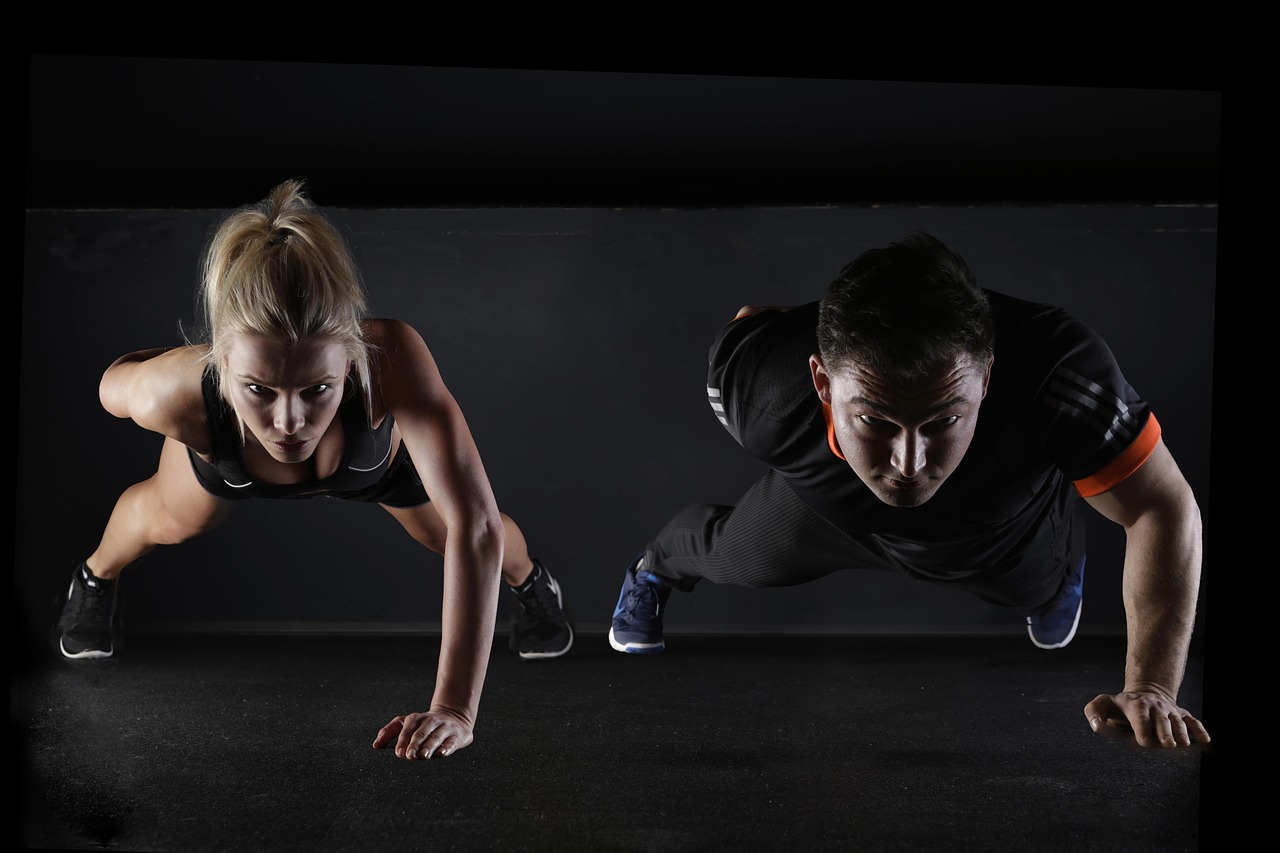
- Archer Push-Ups: Shift weight to one arm while the other extends, building toward one-arm push-up strength.
- Plyometric Push-Ups: Explosively press up so your hands leave the ground, developing power and rate of force development.
- Weighted Push-Ups: Add external resistance with a weight vest or plate on your back once bodyweight becomes too easy.
Programming Push-Ups for Maximum Results 📊
How you incorporate push-ups into your training program significantly impacts your results. Consider your goals, current fitness level, and recovery capacity when designing your push-up practice.
For pure strength development, perform push-ups early in your workout when you’re fresh, using challenging variations for lower repetitions (3-6 reps) with longer rest periods (2-3 minutes). For muscular endurance, perform higher repetitions (15-30+) with shorter rest periods (30-60 seconds).
Frequency matters too. Push-ups can be performed frequently due to their relatively low injury risk when done correctly. Many athletes successfully practice push-ups 4-6 days per week, varying intensity and volume across sessions to manage fatigue while accumulating volume.
Integrating Mind-Muscle Connection for Enhanced Activation 🧠
Beyond mechanical execution, developing awareness of which muscles are working during your push-ups can significantly enhance results. This mind-muscle connection involves consciously focusing on the target muscles throughout each repetition.
During your push-ups, periodically shift your attention to different muscle groups. Feel your chest muscles stretch at the bottom and contract at the top. Notice your triceps firing during the press. Sense your core muscles working to maintain your plank position. This heightened awareness improves motor control and can increase muscle activation.
Research suggests that internal focus (thinking about the muscles working) may be particularly beneficial for bodybuilding goals, while external focus (thinking about pushing the ground away) might optimize power output. Use both approaches depending on your session’s objective.
Tracking Progress Beyond Simple Repetitions
While counting repetitions provides basic feedback, more sophisticated tracking methods reveal true progress and help identify areas for improvement. Consider these metrics when assessing your push-up performance:
- Form Quality Score: Rate each set’s form quality on a scale of 1-10, ensuring you’re not sacrificing technique for quantity.
- Tempo Control: Track your ability to maintain specific tempos, such as 3-second eccentrics or 1-second pauses at the bottom.
- Volume Load: For weighted push-ups, calculate total volume (reps × sets × added weight) to track progressive overload.
- Rest Period Adherence: Monitor whether you’re maintaining prescribed rest intervals or needing additional recovery time.
- Video Analysis: Periodically film your sets to objectively assess form and identify subtle breakdowns that you might not feel.
Recovery and Adaptation Strategies for Push-Up Training
Consistent push-up practice places demands on your muscles, connective tissues, and nervous system. Implementing proper recovery strategies ensures continued progress without overuse injuries or burnout.
Allow adequate rest between high-intensity push-up sessions. While you might perform push-ups frequently, vary the intensity and volume to provide different recovery demands. Follow hard sessions with easier variations or reduced volume days.
Address mobility limitations that might compromise your form. Tight chest muscles, limited shoulder mobility, or restricted thoracic spine extension can all negatively impact push-up mechanics. Incorporate targeted stretching and mobility work for these areas on rest days or during warm-ups.
Transforming Your Push-Up Practice Into Lasting Strength
The journey toward perfect push-up form is ongoing, with each training session offering opportunities for refinement and improvement. By implementing the essential cues discussed—proper hand placement, full-body tension, controlled tempo, optimal elbow position, and consistent breathing—you’ll transform this fundamental movement into a powerful tool for building strength, stability, and performance.
Remember that quality always supersedes quantity. One perfectly executed push-up with complete tension, full range of motion, and proper alignment delivers more benefit than dozens of sloppy repetitions. Start with the basics, master the fundamentals, and progressively challenge yourself with appropriate variations as your strength and control improve. Your body will respond with increased muscle development, enhanced movement quality, and improved performance across all physical activities. 💯