
The squat is often called the king of all exercises, and for good reason. This fundamental movement pattern builds strength, enhances athletic performance, and supports functional fitness in everyday life.

Whether you’re a beginner stepping into the gym for the first time or an experienced lifter looking to refine your technique, mastering proper squat form is non-negotiable. Poor form not only limits your strength gains but also increases injury risk, particularly to the knees, lower back, and hips. Understanding the essential form cues will transform your squat from a potentially dangerous movement into a powerful tool for building muscle, burning fat, and developing full-body stability.
🎯 Why Squat Form Matters More Than Weight Lifted
Many gym-goers make the critical mistake of prioritizing weight over technique. Loading the bar with plates might stroke your ego, but improper form creates compensation patterns that lead to chronic pain and acute injuries. The squat is a full-body movement that requires coordination between your ankles, knees, hips, core, and upper back.
When you squat with proper form, you distribute load evenly across multiple joint systems. This balanced distribution maximizes muscle activation in your quadriceps, hamstrings, glutes, and core while minimizing stress on vulnerable structures like knee ligaments and spinal discs. Research consistently shows that movement quality predicts long-term training success better than the amount of weight lifted in any single session.
Perfect form also enhances neural adaptation. Your nervous system learns efficient movement patterns that translate to greater strength gains over time. Think of proper technique as an investment—the time you spend now perfecting your squat mechanics will pay dividends in the form of sustainable progress and injury-free training for years to come.
Setting Your Foundation: The Pre-Squat Checklist
Before you even begin the descent, your setup determines everything that follows. Start by positioning your feet at shoulder-width apart or slightly wider, with toes pointed forward or turned out 5-15 degrees. Foot placement varies based on individual anatomy, but this range works for most people.
Your stance should feel stable and natural. Test this by performing a few bodyweight squats and noticing where your knees naturally track. Your knee path should align with your toe direction throughout the movement—knees tracking inward (valgus collapse) indicates either mobility restrictions or activation issues that need addressing.
Bracing Your Core for Maximum Stability
Core bracing is arguably the most underrated aspect of squat technique. Before descending, take a deep breath into your belly, not your chest. Imagine you’re about to be punched in the stomach and tense your entire midsection in response. This creates intra-abdominal pressure that stabilizes your spine like an internal weight belt.
Hold this brace throughout the entire repetition. Many lifters make the mistake of breathing at the bottom of the squat, which releases tension and compromises spinal stability at the most vulnerable point. Maintain the brace until you’ve returned to the starting position, then exhale and reset for the next rep.
The Descent: Controlled Lowering with Intention
The eccentric (lowering) phase of the squat builds incredible strength and muscle tissue. Rather than dropping quickly into the bottom position, lower yourself with control over 2-3 seconds. This controlled tempo increases time under tension and gives your nervous system more opportunities to refine motor patterns.
Initiate the movement by simultaneously breaking at the hips and knees. Some coaches cue “hips back,” while others emphasize “knees forward.” The truth is both joints must move together for optimal mechanics. Overemphasizing hip hinge creates excessive forward lean, while focusing only on knee flexion can push your knees too far past your toes.
Depth Considerations and Individual Variation
Squat depth remains one of the most debated topics in strength training. The general recommendation is to squat until your hip crease drops below your knee joint—this is considered a full squat or “breaking parallel.” This depth maximizes glute and hamstring activation while building complete range-of-motion strength.
However, optimal depth varies based on your mobility, proportions, and training goals. If you have limited ankle dorsiflexion or hip mobility, forcing excessive depth with poor form does more harm than good. Work on your mobility while squatting to the depth you can control with perfect technique. Quality always trumps arbitrary depth standards.
🦵 Key Form Cues During the Squat Movement
Several critical form cues ensure safe and effective squatting. These cues provide feedback points you can consciously monitor during each repetition, gradually ingraining proper patterns through consistent practice.
Chest Up, Thoracic Extension Maintained
Keep your chest proud and your upper back tight throughout the movement. Imagine you’re trying to show off a logo on your shirt. This thoracic extension prevents the dreaded “butt wink” (posterior pelvic tilt at the bottom) and keeps the bar path vertical for maximum efficiency.
Your upper back should feel engaged and slightly fatigued after a heavy set of squats. If it doesn’t, you’re likely collapsing forward and placing excessive stress on your lower back. Squeeze your shoulder blades together and maintain this tension from start to finish.
Knees Out and Tracking Over Toes
As you descend, actively push your knees outward without letting your feet roll to the outside edges. This external rotation cue activates your glutes and creates stable knee tracking. Your knees should track directly over your second or third toe throughout the entire range of motion.
Knee valgus (inward collapse) is one of the most common and dangerous squat faults. It places enormous stress on the ACL and medial knee structures. If your knees cave inward, reduce the weight and focus on this cue. Strengthening your glute medius through targeted accessory work also helps correct this pattern.
Weight Distribution Through the Full Foot
Maintain contact with the ground through three points: the ball of your foot, your heel, and the outside edge of your foot. This creates a tripod base that maximizes stability. Many lifters shift their weight forward onto their toes as they descend, which compromises balance and knee health.
If you struggle to keep your heels down, you likely have ankle mobility restrictions. Elevating your heels slightly with small plates or squat wedges can help while you work on improving dorsiflexion through dedicated mobility drills.
The Ascent: Driving Through Your Feet
The concentric (rising) phase is where you produce force and build strength. As you transition from the bottom position, drive through your entire foot while maintaining all the positions you established during the descent. Think about pushing the floor away rather than pushing yourself up.
Keep your chest up and resist the temptation to let your hips rise faster than your shoulders. This “stripper squat” pattern (hips shooting up first) turns the movement into an inefficient good morning and places dangerous shear forces on your lower spine.
Maintaining Bar Path Efficiency
The bar should travel in a straight vertical line over your midfoot throughout the entire movement. Any horizontal deviation represents wasted energy and indicates a form breakdown. Video yourself from the side to assess your bar path—it’s one of the most revealing metrics of squat quality.
A forward bar path usually indicates you’re leading with your hips and not maintaining thoracic extension. A backward bar path suggests you’re overemphasizing sitting back or possibly have restricted ankle mobility. Make small adjustments and reassess until you achieve that coveted vertical line.
💪 Common Squat Mistakes and How to Fix Them
Even experienced lifters fall into bad habits. Recognizing these common errors helps you stay vigilant and maintain quality reps session after session.
- Excessive forward lean: This usually stems from weak quads, tight ankles, or poor core bracing. Focus on ankle mobility drills and pause squats to strengthen the bottom position.
- Shallow squats: Training through a limited range shortchanges your development. Work on mobility and gradually increase depth over several weeks.
- Bouncing out of the hole: Using stretch reflex to bounce out of the bottom reduces muscle tension and can injure connective tissue. Practice pause squats to eliminate this habit.
- Looking up or down: Extreme neck positions compromise spinal alignment. Maintain a neutral neck by picking a spot on the floor 6-8 feet in front of you and keeping your gaze fixed there.
- Uneven hip height: If one hip rises faster than the other, you have an asymmetry that needs addressing through unilateral work and mobility corrections.
Programming Your Squats for Maximum Results
Perfect form means nothing without intelligent programming. For strength development, perform squats 2-3 times per week with at least 48 hours between sessions. This frequency provides enough stimulus for adaptation while allowing adequate recovery.
Beginners should focus on bodyweight squats and goblet squats before progressing to barbell variations. Spend at least 4-6 weeks mastering the movement pattern with lighter loads. Rushing to heavy weights with poor form sets you up for frustration and injury.
Rep Ranges and Progression Strategies
For pure strength, work in the 3-6 rep range with 80-90% of your one-rep max. For muscle building (hypertrophy), aim for 6-12 reps at 65-80% intensity. For muscular endurance and pattern reinforcement, sets of 12-20 reps at lighter weights build work capacity and refine technique.
Progress by adding small increments of weight once you can complete all prescribed sets and reps with excellent form. Never sacrifice technique for heavier loading. A perfectly executed 135-pound squat builds more strength and muscle than a 225-pound grind with multiple form breakdowns.
🏋️ Squat Variations for Different Goals
The back squat is just one variation in a family of squat movements. Each variation emphasizes different muscle groups and movement qualities, allowing you to address weaknesses and keep training fresh.
Front Squat for Quad Development
The front squat places the bar across your front deltoids and collarbones, forcing a more upright torso position. This variation hammers your quadriceps and reinforces proper posture. It’s also more forgiving on the lower back, making it ideal for those with back sensitivity.
Box Squat for Power and Consistency
Squatting to a box teaches you to control the descent and eliminate the bounce reflex. Box squats are excellent for powerlifters and athletes who need explosive strength. The box provides consistent depth feedback, ensuring every rep hits your target range.
Bulgarian Split Squat for Unilateral Strength
This single-leg variation builds crushing leg strength while addressing left-right imbalances. The rear-foot elevated position increases range of motion and glute activation. Bulgarian split squats also require significant core stability, making them a complete lower-body exercise.
Mobility Work That Actually Improves Your Squat
Many squat limitations stem from mobility restrictions rather than strength deficits. Addressing these restrictions through targeted mobility work pays immediate dividends in squat depth and comfort.
Ankle dorsiflexion is crucial for maintaining an upright torso and achieving proper depth. Perform ankle mobility drills like wall ankle mobilizations and calf stretches several times per week. Hip flexor tightness also limits squat depth—couch stretches and hip flexor mobilizations help counteract excessive sitting.
Thoracic spine extension allows you to maintain chest-up position throughout the movement. Foam rolling your upper back and performing thoracic extension exercises over a foam roller improve this crucial component. Consistency matters more than intensity with mobility work—five minutes daily produces better results than occasional 30-minute sessions.
Taking Your Squat to Elite Levels
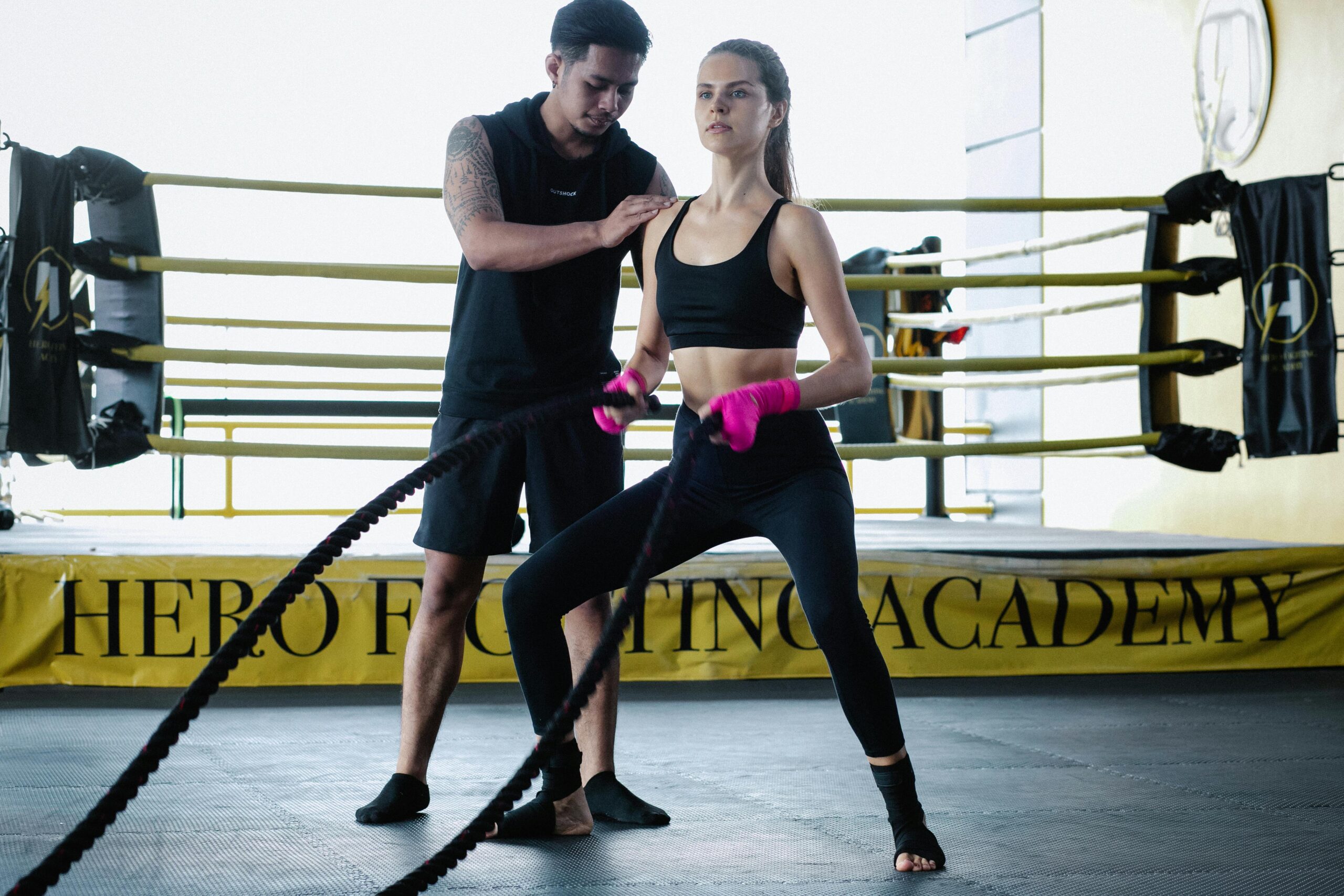
Once you’ve mastered the basics, small refinements can unlock new levels of performance. Film yourself regularly from multiple angles to identify subtle form breakdowns you can’t feel. Consider working with a qualified strength coach for personalized feedback and programming adjustments.
Compete with yourself rather than others. Track your progress through training logs that record weights, sets, reps, and subjective notes about technique and energy levels. This data reveals patterns and helps you make informed decisions about progression and recovery.
The perfect squat is a moving target that evolves as you develop strength, mobility, and body awareness. Embrace the journey of constant refinement rather than seeking a final destination. Every squat rep is an opportunity to practice excellence and build the foundation for lifelong strength and functional movement. Your future self will thank you for the time invested in mastering this essential movement pattern today.