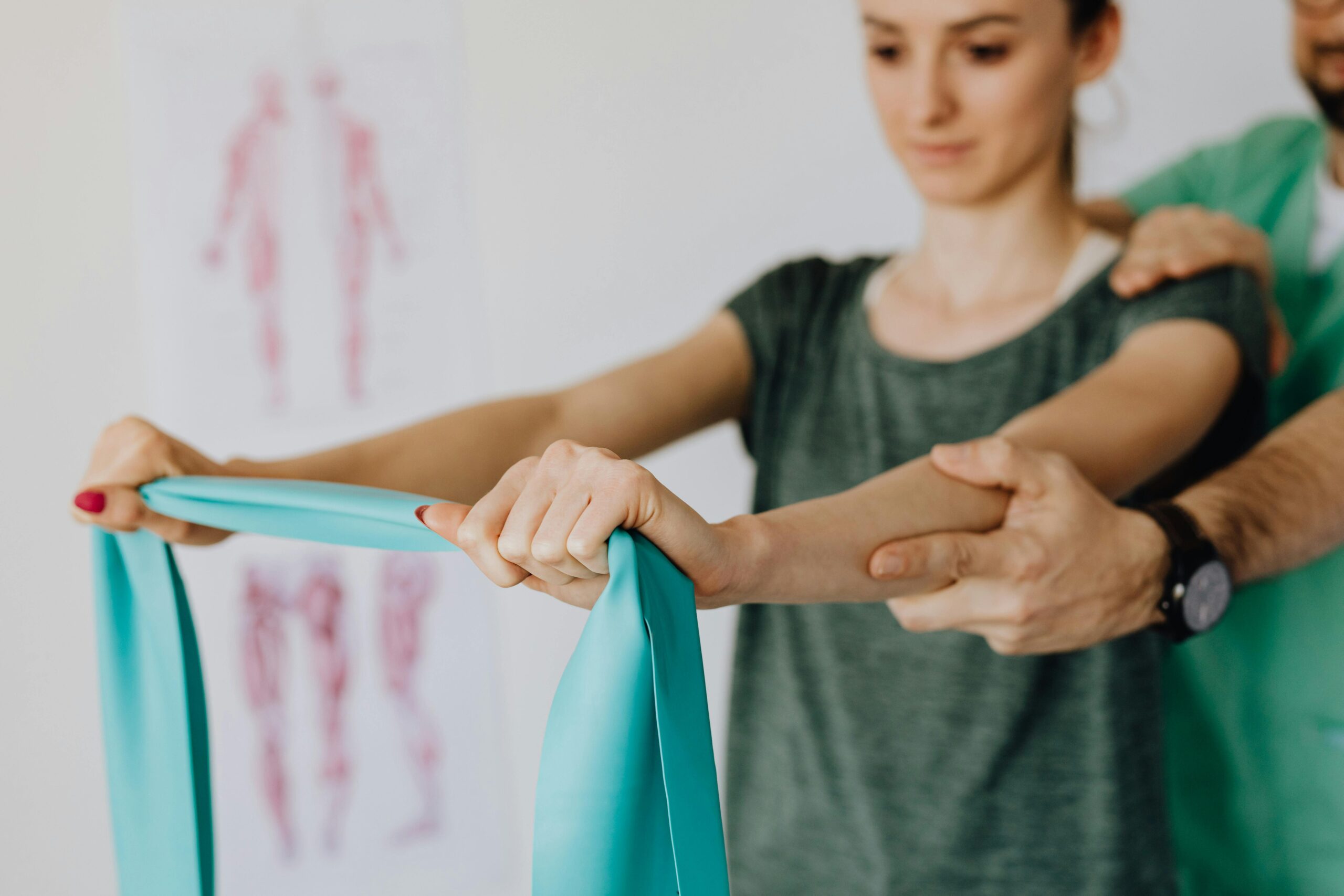
Movement is more than just physical action—it’s a gateway to building unshakeable confidence and discovering your inner strength. When you learn to control your momentum through stable, intentional movement, you unlock transformative potential in every aspect of your life.

The relationship between how we move and how we feel is profound yet often overlooked. Stable movement practices create a foundation that ripples through our mental, emotional, and physical well-being, establishing patterns that reinforce self-assurance and resilience.
🎯 The Science Behind Movement and Confidence
Research in neuroscience and biomechanics reveals fascinating connections between physical stability and psychological confidence. When we engage in controlled, balanced movements, our proprioceptive system—the network of sensors that tell us where our body is in space—sends positive feedback to our brain, creating a sense of mastery and control.
This neurological loop isn’t just theoretical. Studies demonstrate that people who practice stable movement patterns show measurable improvements in self-efficacy scores, stress resilience, and decision-making capabilities. The body teaches the mind what confidence feels like through repeated experiences of successful, controlled motion.
Our vestibular system, responsible for balance and spatial orientation, directly communicates with areas of the brain associated with emotional regulation. This explains why activities requiring balance and stability—from yoga to martial arts—consistently produce psychological benefits beyond simple physical fitness.
Understanding Stable Movement Fundamentals
Stable movement doesn’t mean slow or cautious movement. Rather, it refers to motion executed with awareness, control, and proper biomechanical alignment. This approach emphasizes quality over quantity, intentionality over randomness.
Core Principles of Movement Stability
The foundation of stable movement rests on several interconnected principles. First, proper alignment ensures that force transfers efficiently through your skeletal structure rather than stressing joints and soft tissues. Second, controlled breathing synchronizes with movement patterns, providing rhythm and oxygen to working muscles while calming the nervous system.
Third, progressive challenge ensures continuous adaptation without overwhelming your system. Your body thrives on gradual increases in difficulty, building confidence through achievable milestones. Fourth, mindful awareness transforms exercise from mechanical repetition into a practice of present-moment engagement.
The Momentum Equation
Physical momentum in movement contexts combines mass with velocity, but personal momentum involves much more. It encompasses consistency, skill progression, psychological readiness, and the compounding effects of positive habit formation. Each stable movement session deposits confidence capital into your personal account.
This accumulated momentum becomes self-reinforcing. Early successes make continued practice more appealing, while improved competence reduces the effort required for the same results. What once felt challenging becomes baseline, and new horizons of capability emerge.
🏋️ Building Your Foundation: Where to Begin
Starting a stable movement practice requires neither expensive equipment nor advanced athleticism. The most effective foundation-building exercises utilize your bodyweight and simple props, focusing on mastering fundamental patterns before adding complexity.
Essential Movement Patterns
Human movement can be categorized into seven primary patterns that form the basis of all complex activities. These include squatting, hinging at the hips, lunging, pushing, pulling, rotating, and gait (walking/running variations). Developing proficiency in these foundational movements creates transferable strength applicable across all physical activities.
Begin with bodyweight variations of each pattern, performing them slowly enough to maintain perfect form throughout. The squat teaches you to maintain a neutral spine while moving through your hips and knees. The hip hinge—the foundation of deadlifts and many athletic movements—develops posterior chain awareness and power.
Lunges challenge single-leg stability and reveal left-right imbalances common in most people. Pushing movements (push-ups, overhead presses) and pulling movements (rows, pull-ups) balance upper body development. Rotational exercises build core strength that protects your spine during daily activities. Gait work refines your most fundamental human movement pattern.
Creating Your Practice Space
While a dedicated training area isn’t mandatory, establishing a consistent practice environment supports habit formation. Choose a space with adequate room to move freely in all directions. Good lighting, comfortable flooring, and minimal distractions enhance focus and safety.
Your practice space should inspire movement rather than intimidate. Keep it simple initially—a clear floor space and perhaps a mirror for form checks suffices. As your practice evolves, you might add resistance bands, a stability ball, or simple weights, but elaborate equipment never substitutes for quality movement.
The Confidence-Movement Connection
Confidence isn’t something you suddenly acquire; it’s something you build through accumulated evidence that you’re capable. Stable movement provides that evidence in the most direct form possible—your body demonstrating increasing competence in real time.
Embodied Confidence vs. Cognitive Confidence
Cognitive confidence involves believing you can do something. Embodied confidence means your body has actually done it repeatedly, creating deep neurological patterns that don’t require conscious thought. This distinction matters tremendously when facing challenges.
Someone with purely cognitive confidence might talk themselves through a difficult situation, relying on rational self-talk to overcome doubt. Someone with embodied confidence moves through challenges with automatic competence, their body responding before conscious thought engages. Stable movement practice builds this deeper form of confidence.
The physical mastery translates metaphorically to other life domains. When you’ve experienced your body progressing from shaky instability to solid strength, you internalize a template for growth that applies beyond exercise. You develop visceral understanding that challenge precedes mastery, that discomfort signals growth, and that consistency produces results.
💪 Progressive Training Strategies
Progression keeps your practice engaging while continuously building capacity. Without progressive challenge, your body adapts to current demands and stops improving. Strategic progression maintains that crucial edge where growth happens.
The SAID Principle
Specific Adaptation to Imposed Demands (SAID) explains how your body changes in direct response to the stresses you place on it. If you repeatedly perform stable, controlled movements, your nervous system optimizes for stability and control. If you train explosive power, you develop that instead.
Understanding SAID allows intelligent training design. Want better balance? Incorporate progressive balance challenges. Need more endurance? Gradually extend duration and reduce rest periods. Seeking strength? Increase resistance while maintaining movement quality.
Progression Variables
- Volume: Increase the total work performed through more repetitions, sets, or training sessions
- Intensity: Add resistance, increase speed, or reduce rest periods to make sessions more challenging
- Complexity: Progress from simple to complex movement variations, combining patterns or adding instability
- Range of motion: Work toward fuller expression of movement patterns as mobility improves
- Tempo: Manipulate movement speed, particularly emphasizing slow eccentric (lowering) phases
- Frequency: Increase training sessions per week as recovery capacity improves
Adjust only one variable at a time to identify what drives your progress. This methodical approach prevents overtraining while ensuring continued adaptation.
🧠 The Mental Game: Mindfulness in Motion
Stable movement becomes exponentially more powerful when paired with mental presence. Mindful movement transforms routine exercise into meditation in motion, building both physical capacity and mental clarity simultaneously.
Cultivating Movement Awareness
Begin each session with a brief body scan, noting areas of tension, fatigue, or restriction. This check-in establishes baseline awareness and helps prevent injury by identifying when to modify intensity. During movement, direct attention to specific sensations—the feeling of your feet pressing into the ground, the engagement of your core muscles, the rhythm of your breath.
When your mind wanders (it will), gently redirect focus to physical sensation without judgment. This practice builds metacognitive awareness—the ability to notice what you’re noticing—which translates to better self-regulation in all contexts.
Breath as the Bridge
Breathing connects voluntary and involuntary nervous system functions, making it a powerful tool for managing both physical performance and psychological state. Coordinating breath with movement enhances efficiency, provides internal rhythm, and prevents the breath-holding that often accompanies challenging exercises.
General guidelines suggest exhaling during exertion (the “working” phase) and inhaling during the easier phase. However, certain practices like powerlifting utilize different breathing strategies. Experiment to discover what supports your performance and comfort.
Overcoming Plateaus and Obstacles
Progress rarely follows a linear upward trajectory. Plateaus, setbacks, and obstacles are inevitable components of any meaningful development journey. How you navigate these challenges often determines long-term success more than your initial talent or enthusiasm.
The Plateau as Teacher
Plateaus feel frustrating but serve important functions. They represent consolidation phases where your body integrates previous gains before the next growth spurt. They provide opportunities to refine technique, address weaknesses, or explore complementary training modalities.
When progress stalls, resist the urge to dramatically increase volume or intensity. Instead, audit your practice systematically. Are you sleeping adequately? Is nutrition supporting your goals? Have you been neglecting mobility work? Does your programming include sufficient variation and recovery?
Managing Setbacks
Injuries, illnesses, and life disruptions interrupt training inevitably. The goal isn’t avoiding setbacks entirely but minimizing their impact and returning to practice wisely. When facing interruptions, maintain whatever level of movement your situation permits rather than adopting all-or-nothing thinking.
Even during recovery from injury, you can often train unaffected areas, work on breathing exercises, or practice visualization—mental rehearsal of movements that maintains neural patterns. These strategies minimize deconditioning and accelerate return to full training.
📊 Tracking Progress and Celebrating Milestones
Objective tracking provides motivation and information that subjective assessment misses. Regular measurement reveals trends invisible day-to-day, helping identify what works and what needs adjustment.
| Metric Type | What It Measures | Tracking Frequency |
|---|---|---|
| Performance markers | Repetitions, duration, weight lifted, balance time | Each session |
| Subjective feel | Energy levels, difficulty rating, enjoyment | Each session |
| Physical measurements | Body composition, measurements, flexibility tests | Monthly |
| Functional capacity | Daily activity ease, sleep quality, stress resilience | Weekly |
The Power of Small Wins
Momentum builds through accumulated small victories rather than rare massive achievements. Celebrate holding a plank five seconds longer, completing an extra repetition, or simply showing up on a day you didn’t feel like training. These moments compound into transformative change.
Create a practice of acknowledging progress explicitly. Whether through journaling, sharing with a training partner, or simple internal recognition, marking achievements reinforces the behaviors that created them and builds positive associations with your practice.
🌟 Integrating Movement Into Daily Life
Formal training sessions provide concentrated practice, but true mastery comes from integrating movement principles throughout your day. This integration amplifies results while preventing the “active couch potato” syndrome—being sedentary except during designated exercise times.
Movement Snacking
Brief movement sessions distributed throughout the day complement longer training sessions while breaking up sedentary periods. A two-minute mobility flow between work tasks, a few squats while waiting for coffee to brew, or a quick wall-supported stretch maintain circulation and joint health.
These micro-sessions don’t replace structured training but enhance overall movement volume and keep your nervous system engaged with physical competence throughout the day. They also serve as behavioral cues that reinforce your identity as someone who moves well and often.
Environmental Design
Structure your environment to invite rather than obstruct movement. Place commonly used items on higher or lower shelves to encourage squatting and reaching. Consider a standing desk setup or a floor-based workspace that requires transitions between positions. Keep movement tools visible as reminders.
These environmental modifications reduce decision fatigue by making movement the path of least resistance rather than an additional task requiring willpower.
Building Community and Accountability
While movement can be a solitary practice, connection with others pursuing similar goals enhances consistency, provides accountability, and makes the journey more enjoyable. Community transforms individual effort into shared experience.
Finding Your People
Seek training partners, classes, or online communities aligned with your approach and values. Quality matters more than quantity—one supportive, committed partner often provides more value than a large unfocused group. Look for people slightly ahead of you who model possibilities while remaining accessible and encouraging.
Contribute to your community rather than only consuming support. Sharing your own struggles and victories, encouraging others, and offering what you’ve learned creates reciprocal relationships that sustain long-term engagement.
The Ripple Effect: Strength Beyond the Physical
Perhaps the most profound benefit of mastering stable movement extends beyond physical capacity. The confidence, discipline, and resilience developed through consistent practice influence every life domain. You carry differently in the world when your body moves with competence and control.
Professional challenges seem more manageable when you regularly overcome physical ones. Relationship difficulties feel less overwhelming when you’ve developed emotional regulation through mindful movement. Creative blocks diminish when you’ve trained your mind to persist through discomfort toward breakthrough.
The stable movement practice becomes a laboratory for developing life skills. Patience, persistence, self-awareness, goal-setting, and graceful failure management all emerge naturally from committed physical practice. These meta-skills transfer seamlessly to non-physical pursuits, compounding your return on investment.

Your Momentum Starts Now
Transformative change doesn’t require dramatic action or perfect circumstances. It requires starting where you are with what you have, then showing up consistently to build momentum one session at a time. Your future self—stronger, more confident, more capable—is built through the decisions you make today.
The journey of mastering your momentum through stable movement never truly ends. As you progress, new challenges emerge, deeper layers of practice reveal themselves, and your capacity continues expanding. This endless frontier keeps the practice engaging across decades rather than months.
Begin with a simple commitment: move with intention today. Notice how your body feels, challenge it appropriately, and honor its needs. Then repeat tomorrow. Through this accumulation of present moments, you build the confidence and strength that transform not just your body, but your entire life experience. The power has always been within you—stable movement simply provides the key to unlock it. 💫