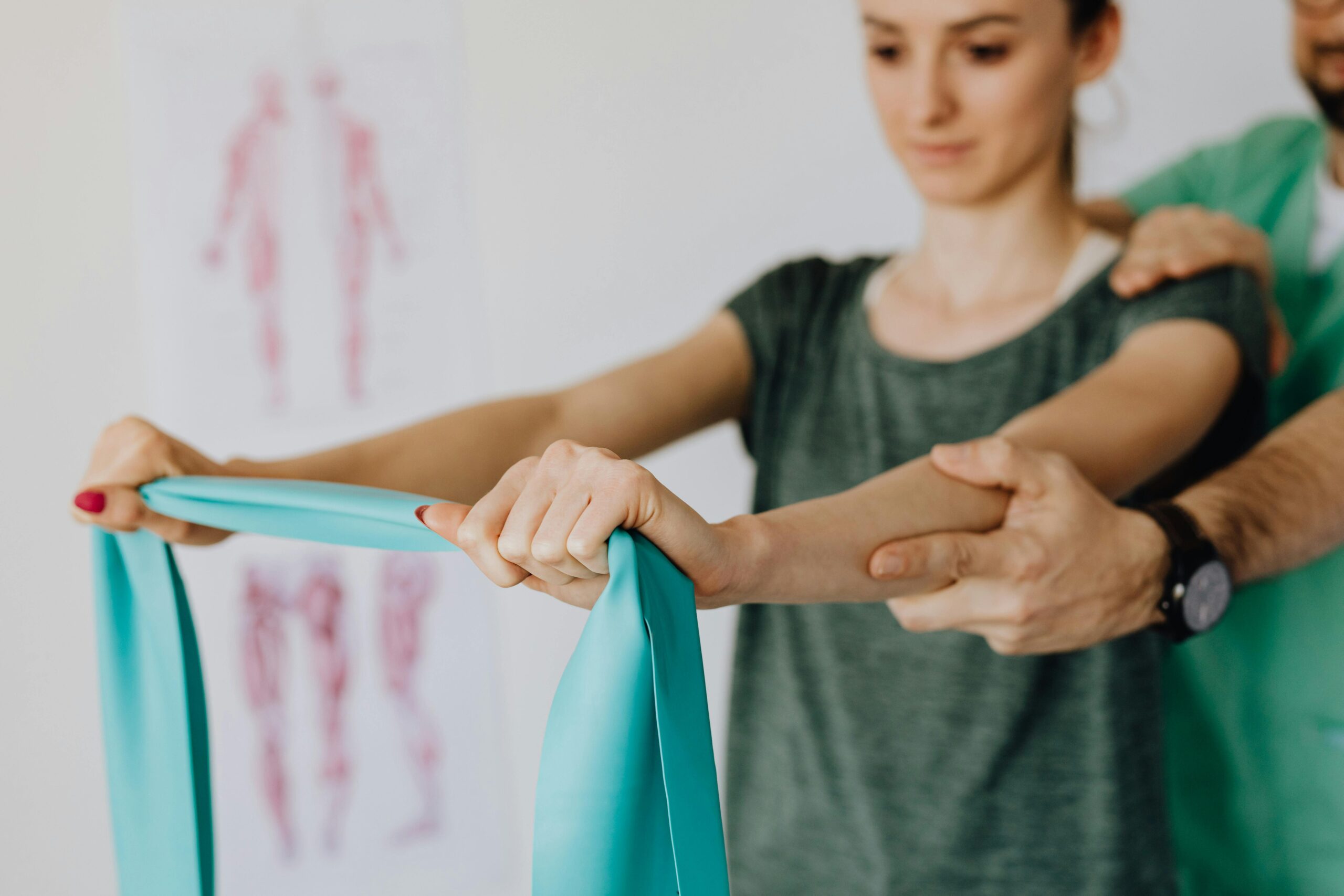
Building a resilient body isn’t just about lifting heavier weights or running faster miles. It’s about creating a foundation that supports every movement you make, protects your joints from wear and tear, and ensures longevity in your fitness journey.

Your core serves as the epicenter of all physical movement, acting as a stabilizing force that connects your upper and lower body. When properly strengthened, it reduces stress on vulnerable joints, improves posture, and transforms how you move through daily activities. This comprehensive approach to fitness prioritizes sustainability over quick fixes, ensuring your body remains functional and pain-free for years to come.
🎯 Understanding the Core-Joint Connection
The relationship between core strength and joint health is more profound than most people realize. Your core muscles—including the abdominals, obliques, lower back, pelvic floor, and hip muscles—form a muscular corset that stabilizes your spine and pelvis. When these muscles are weak or imbalanced, your joints compensate by taking on additional stress they weren’t designed to handle.
This compensation pattern leads to premature joint degeneration, chronic pain, and increased injury risk. Your knees, hips, shoulders, and lower back become vulnerable when your core cannot adequately support movement. Conversely, a strong core distributes forces evenly throughout your body, allowing joints to function within their optimal range without excessive pressure.
Research consistently demonstrates that individuals with robust core stability experience fewer overuse injuries and maintain better joint health throughout their lives. The protective mechanism works both ways: strengthening your core shields your joints, while mindful joint-friendly exercises build core strength without causing damage.
💪 The Foundation: Core Anatomy for Functional Strength
To effectively strengthen your core and protect your joints, understanding the muscular architecture is essential. Your core comprises multiple layers, each serving distinct functions that contribute to overall stability and movement quality.
The deepest layer includes the transverse abdominis, which acts like a natural weight belt, and the multifidus muscles along your spine. These muscles activate before any limb movement, preparing your body for load transfer. The middle layer consists of the internal and external obliques, responsible for rotation and lateral flexion. The outermost layer includes the rectus abdominis and erector spinae, which control flexion and extension movements.
Your pelvic floor and diaphragm serve as the bottom and top of this cylindrical core system, creating intra-abdominal pressure that stabilizes your spine during movement. When all these components work synergistically, they create a stable platform that protects your joints during everything from sitting at a desk to performing athletic activities.
🛡️ Joint-Protective Core Exercises That Deliver Results
Dead Bug Variations for Spinal Stability
The dead bug exercise exemplifies joint-friendly core training. Lying on your back with arms extended toward the ceiling and knees bent at 90 degrees, you alternately extend opposite arm and leg while maintaining a neutral spine position. This movement pattern teaches coordination between your core and limbs without compressing your spine or stressing your hip joints.
Progress this exercise by adding resistance bands, holding light weights, or slowing the tempo to increase time under tension. The key is maintaining consistent contact between your lower back and the floor, which ensures your deep core muscles are doing the work rather than your hip flexors or back extensors.
Pallof Press for Anti-Rotation Strength
Named after physical therapist John Pallof, this exercise builds tremendous anti-rotation strength that directly translates to joint protection during daily activities. Using a resistance band or cable machine anchored at chest height, you press the handle straight out from your chest while resisting the rotational pull of the band.
This movement strengthens your obliques and transverse abdominis in their primary function: preventing unwanted rotation. This capability is crucial for protecting your spine and hip joints during activities like carrying groceries, playing sports, or simply turning to look behind you while maintaining posture.
Bird Dog for Balance and Coordination
Starting on hands and knees, you extend opposite arm and leg simultaneously while maintaining a neutral spine and level hips. This exercise challenges your core’s ability to stabilize while your limbs move independently, mimicking real-world movement patterns like walking or running.
The bird dog strengthens the connection between your shoulder girdle and opposite hip through your core, creating diagonal stability patterns that protect multiple joints simultaneously. Focus on quality over quantity, holding each position for 5-10 seconds while breathing normally.
🏋️ Progressive Loading Without Joint Compromise
Building strength requires progressive overload, but this doesn’t mean you must constantly lift heavier weights. Joint-friendly progression involves multiple variables that challenge your core while respecting your body’s structural limits.
Time under tension represents one of the safest progression methods. Instead of adding weight to a plank, hold the position for longer durations or perform slow, controlled movements that extend the working time of each exercise. Unstable surfaces like balance boards or exercise balls increase core activation without additional load.
Reducing your base of support—moving from two-legged to single-legged exercises—dramatically increases core demands while using the same or even lighter weights. A single-leg Romanian deadlift with light dumbbells often provides more core challenge than a conventional deadlift with heavy weight, but with significantly less spinal compression and joint stress.
📊 Creating Your Joint-Safe Core Training Program
An effective core strengthening program balances different movement patterns and muscle groups while allowing adequate recovery. Here’s a strategic framework for building strength without joint damage:
- Frequency: Train core-specific exercises 3-4 times per week with at least one day between sessions
- Volume: Perform 3-4 exercises per session, with 2-3 sets of each movement
- Intensity: Work at 70-80% of maximum effort, prioritizing control over exhaustion
- Duration: Complete sessions in 15-20 minutes when focused on quality
- Variety: Rotate between stability, anti-rotation, anti-extension, and anti-flexion exercises
This framework provides sufficient stimulus for adaptation while preventing the overtraining that leads to compensatory movement patterns and eventual joint problems. Remember that core training should leave you feeling stable and strong, not exhausted and sore.
🔄 Movement Patterns That Strengthen While Protecting
Hip Hinge Mastery
The hip hinge represents one of the most fundamental movement patterns for core strength and joint protection. This pattern involves bending at the hips while maintaining a neutral spine, keeping your knees relatively stable, and engaging your posterior chain muscles.
Proper hip hinging takes stress off your lower back and knee joints while building tremendous strength in your glutes, hamstrings, and deep core stabilizers. Exercises like Romanian deadlifts, kettlebell swings, and good mornings all utilize this pattern. The key is initiating movement from your hips rather than your lower back.
Loaded Carries for Functional Integration
Carrying heavy objects might seem simple, but loaded carries provide unmatched core strengthening with direct carryover to daily life. Farmer’s walks, suitcase carries, and overhead carries force your core to stabilize against asymmetrical or challenging loads while maintaining proper posture.
These exercises strengthen your core in exactly the way you use it most: resisting unwanted movement while you’re upright and mobile. They build work capacity, grip strength, and mental toughness while protecting your spine and shoulder joints through proper loading mechanics.
⚠️ Common Mistakes That Sabotage Joint Health
Even with good intentions, many people unknowingly perform exercises that undermine joint health while attempting to strengthen their core. Recognizing these pitfalls helps you avoid setbacks and maintain progress.
Excessive spinal flexion exercises like traditional sit-ups and crunches create compressive forces that accelerate disc degeneration. While these movements might create abdominal muscle burn, they do so at the cost of spinal health, especially when performed with high repetition or additional weight.
Holding planks for excessively long periods with poor form represents another common mistake. Once your hips begin sagging or your shoulders round forward, you’re no longer strengthening your core effectively—you’re training poor movement patterns and stressing your shoulder and lower back joints.
Progressing too quickly without mastering foundational movements leads to compensation patterns where your body uses joints instead of muscles to complete exercises. This creates a dangerous cycle where you feel like you’re working hard but are actually accelerating joint wear while building minimal functional strength.
🧘 The Breathing Connection: Breath and Bracing
Proper breathing mechanics form an often-overlooked component of core strength and joint protection. Your diaphragm and pelvic floor function as integral parts of your core cylinder, and how you breathe during exercise dramatically affects spinal stability and intra-abdominal pressure.
The concept of “bracing” involves creating tension throughout your entire core by taking a breath into your belly and sides while simultaneously engaging your abdominal muscles. This creates intra-abdominal pressure that stiffens your spine, allowing it to handle loads safely. However, you must maintain this pressure while breathing—holding your breath during extended sets reduces oxygen delivery and increases blood pressure dangerously.
Practice diaphragmatic breathing by lying on your back with one hand on your chest and one on your belly. Breathe so that your belly hand rises while your chest hand remains relatively still. This breathing pattern activates your deep core muscles and establishes the foundation for proper bracing during exercise.
📱 Technology and Apps for Core Training
Modern technology offers valuable tools for learning proper form, tracking progress, and maintaining consistency in your core strengthening journey. Several applications provide guided workouts specifically designed for core development and joint protection.
Quality fitness applications offer video demonstrations, form cues, and progressive programs that adapt to your fitness level. Look for apps that emphasize movement quality over quantity, provide modifications for different experience levels, and include educational content about exercise science and biomechanics.
🍽️ Nutrition’s Role in Joint Health and Recovery
While this article focuses on movement and exercise, nutrition plays an indispensable role in joint health and recovery from training. Your body requires specific nutrients to repair connective tissue, reduce inflammation, and build the muscle that protects your joints.
Adequate protein intake supports muscle recovery and growth, with most active individuals benefiting from 0.7-1 gram of protein per pound of body weight daily. Omega-3 fatty acids from fish, flaxseed, or algae supplements provide anti-inflammatory benefits that support joint health. Collagen peptides may support connective tissue health, though research continues to evolve.
Hydration affects joint lubrication and disc health, with even mild dehydration potentially impacting performance and recovery. Aim for at least half your body weight in ounces of water daily, more if you exercise intensely or live in hot climates.
🎯 Integrating Core Work Into Your Existing Routine
You don’t need to abandon your current training program to prioritize core strength and joint protection. Strategic integration allows you to enhance your existing routine without adding excessive training volume.
Begin each workout with 5-10 minutes of core activation exercises like dead bugs, bird dogs, or planks performed with perfect form. This “primes” your nervous system to maintain core engagement throughout your session, improving performance and reducing injury risk during subsequent exercises.
Alternatively, include core-focused exercises between sets of your primary lifts. While resting between squat sets, perform Pallof presses or side planks. This approach maximizes training efficiency while ensuring your core receives adequate attention without extending workout duration.
On rest days from heavy training, perform lighter core-focused sessions that promote recovery while maintaining movement quality. These sessions might include mobility work, breathing exercises, and low-intensity stability training that reinforces proper movement patterns without adding fatigue.
🔬 The Science Behind Core Stability and Longevity
Research increasingly demonstrates that core strength correlates with overall health markers and longevity. Studies show that individuals who can perform challenging core exercises typically exhibit better metabolic health, lower injury rates, and maintain independence longer as they age.
The connection extends beyond simple correlation. Core strength enables you to remain active throughout life by protecting the joints that commonly limit movement in older adults. When your core effectively stabilizes your spine and pelvis, you reduce the cumulative stress that leads to degenerative joint conditions.
Furthermore, core training improves proprioception—your body’s awareness of its position in space. Enhanced proprioception reduces fall risk and improves reaction time, both crucial factors for maintaining quality of life and independence as you age.

💡 Building Your Sustainable Strength Foundation
Creating lasting change requires viewing core strengthening and joint protection as lifelong practices rather than temporary fixes. The exercises and principles outlined here provide a framework that adapts to your changing needs and capabilities throughout different life stages.
Start with foundational exercises performed with meticulous form, progressing only when you can complete movements with complete control and no compensation patterns. This patience in early stages prevents the joint problems that derail many fitness journeys and establishes movement quality that serves you for decades.
Consistency trumps intensity when building core strength for joint protection. Three focused 20-minute sessions weekly will deliver more sustainable results than sporadic high-intensity workouts that leave you too sore or injured to maintain regular practice.
Listen to your body’s signals, distinguishing between productive muscle fatigue and joint discomfort that indicates problematic stress. Productive core training creates a sensation of muscle engagement and mild fatigue, not sharp pain or joint aching that persists beyond your workout.
Your journey toward a stronger, safer, and healthier body through core strengthening represents an investment in your future self. Every plank held with perfect form, every dead bug performed with intention, and every breathing pattern practiced contributes to a body that moves better, feels better, and remains capable of the activities you love. The protective benefits extend far beyond the gym, influencing how you sit, stand, lift, and move through every aspect of daily life. By prioritizing joint-friendly core strengthening, you’re not just building muscle—you’re constructing a foundation for lifelong vitality and movement freedom. 💪