
Your ankles are the foundation of every step, jump, and pivot you make. When these critical joints lack stability and proprioceptive awareness, you’re setting yourself up for potential injuries that could sideline you from activities you love.

Proprioception—your body’s ability to sense its position in space—plays a crucial role in ankle stability and overall balance. Whether you’re an athlete looking to enhance performance, recovering from an ankle injury, or simply wanting to prevent future problems, understanding and training ankle proprioception can transform your movement quality and reduce injury risk significantly.
🦶 Understanding Ankle Proprioception: Your Body’s Built-In GPS System
Proprioception is often called your “sixth sense” because it operates below conscious awareness. In your ankles, specialized receptors called mechanoreceptors constantly send signals to your brain about joint position, movement speed, and the amount of force being applied. This feedback loop allows you to walk on uneven surfaces, adjust your balance when standing on one leg, and react quickly to prevent a fall.
When ankle proprioception is compromised—whether through injury, prolonged immobilization, or simply lack of training—these communication pathways weaken. The result? Slower reaction times, decreased stability, and a significantly higher risk of ankle sprains and other lower extremity injuries.
Research shows that individuals with poor ankle proprioception are up to three times more likely to experience ankle injuries compared to those with well-trained proprioceptive systems. The good news is that proprioception is trainable at any age or fitness level.
The Connection Between Balance Training and Injury Prevention
Balance and proprioception work hand-in-hand to keep you upright and injury-free. Your ankle joints must constantly make micro-adjustments to maintain equilibrium, especially during dynamic movements. When you train balance specifically, you’re simultaneously enhancing proprioceptive feedback mechanisms.
Studies in sports medicine have consistently demonstrated that athletes who incorporate regular balance and proprioception training experience fewer ankle injuries—sometimes reducing injury rates by up to 50%. This isn’t just relevant for elite athletes; weekend warriors, older adults, and anyone concerned about fall prevention can benefit tremendously.
Why Ankle Injuries Are So Common
Ankle sprains rank among the most frequent musculoskeletal injuries across all populations. Several factors contribute to this vulnerability:
- The ankle’s complex structure with multiple ligaments and tendons
- Constant exposure to ground reaction forces during movement
- Weakened proprioception from previous injuries or sedentary lifestyles
- Insufficient strength in stabilizing muscles around the ankle joint
- Poor movement patterns and compensations from other body areas
Understanding these risk factors empowers you to take proactive steps toward ankle health through targeted training approaches.
🎯 Essential Ankle Proprioception Exercises for Beginners
If you’re new to proprioceptive training, start with foundational exercises that challenge your balance in controlled environments. These movements build the neural pathways necessary for more advanced training later.
Single-Leg Stance
This deceptively simple exercise forms the cornerstone of ankle proprioception training. Stand on one foot with your hands on your hips or arms at your sides. Maintain this position for 30-60 seconds, focusing on keeping your ankle stable without excessive wobbling. The standing ankle should feel engaged but not tense.
Progress this exercise by closing your eyes, which removes visual input and forces your proprioceptive system to work harder. You can also add small head movements or arm reaches to increase difficulty.
Heel-to-Toe Walking
Walk in a straight line placing the heel of one foot directly against the toes of the other foot with each step. This tandem walking pattern narrows your base of support, challenging ankle stability and proprioceptive awareness. Perform 10-15 steps forward, then repeat walking backward for additional challenge.
Ankle Alphabet
While seated or lying down, trace the alphabet in the air with your big toe. This exercise moves your ankle through its complete range of motion while developing fine motor control and proprioceptive mapping. Complete the full alphabet on each ankle, focusing on smooth, controlled movements.
Intermediate Balance Training Techniques
Once you’ve mastered basic proprioception exercises, intermediate techniques introduce unstable surfaces and dynamic movements that more closely mimic real-world challenges your ankles face daily.
Balance Pad Standing
Standing on a foam balance pad or cushion creates an unstable surface that demands constant micro-adjustments from your ankle stabilizers. Begin with double-leg standing for 60 seconds, then progress to single-leg stance. The soft surface amplifies proprioceptive demands compared to stable ground.
Add complexity by performing gentle squats on the balance pad or playing catch with a partner while maintaining your balance. These compound tasks train your nervous system to manage multiple demands simultaneously.
Star Excursion Balance Test (Modified)
Stand on one leg and reach the opposite leg in eight different directions—forward, forward-right, right, back-right, backward, back-left, left, and forward-left—like the points of a star. Tap your toe lightly at the furthest comfortable distance in each direction, then return to center. This exercise trains dynamic stability and challenges your ankle’s ability to control movement in multiple planes.
Single-Leg Deadlift
This functional exercise combines balance training with hip and posterior chain strengthening. Stand on one leg, hinge forward at your hip while extending the opposite leg behind you, and reach your hands toward the ground. Keep your standing ankle stable throughout the movement. Perform 8-12 repetitions per side.
⚡ Advanced Proprioceptive Training for Athletes
Athletes and highly active individuals require proprioceptive training that mimics sport-specific demands. Advanced exercises incorporate speed, agility, and unpredictable elements that prepare ankles for competitive scenarios.
BOSU Ball Training
The BOSU ball (both sides up) provides an excellent unstable surface for advanced balance work. Try standing on the dome side with both feet, then progress to single-leg stance. Advanced variations include performing squats, lunges, or even plyometric movements like small hops on the BOSU.
For extreme challenge, flip the BOSU upside down so the flat platform is on top of the dome. This configuration creates maximum instability and demands elite-level proprioceptive control.
Perturbation Training
Perturbation involves unexpected disturbances to your balance that force rapid proprioceptive responses. Have a training partner gently push you from different directions while you maintain single-leg stance, or catch weighted balls while balancing. These unpredictable challenges train reactive stability that transfers directly to injury prevention during sport.
Agility Ladder Work
Quick footwork drills on an agility ladder develop proprioceptive speed and coordination. Exercises like single-leg hops through ladder rungs, lateral shuffles, and various hopping patterns train your ankles to process position information and respond rapidly. This type of training significantly reduces landing-related ankle injuries.
Strengthening Exercises to Support Ankle Stability
While proprioception training improves neural feedback, you also need adequate strength in the muscles that physically stabilize your ankles. A comprehensive program addresses both components.
Resistance Band Exercises
Using resistance bands, you can target all four directions of ankle movement:
- Plantarflexion: Point your toes against band resistance
- Dorsiflexion: Pull your toes toward your shin against resistance
- Inversion: Turn the sole of your foot inward
- Eversion: Turn the sole of your foot outward
Perform 2-3 sets of 15-20 repetitions in each direction, maintaining controlled movements throughout. These exercises strengthen the intrinsic stabilizers of the ankle joint.
Calf Raises and Variations
Strong calf muscles provide essential ankle support. Perform standing calf raises on flat ground, then progress to single-leg variations. For advanced training, perform calf raises on the edge of a step, allowing your heel to drop below the level of your toes for increased range of motion.
Toe Yoga
This exercise develops control of the small intrinsic muscles in your feet that contribute to ankle stability. Practice lifting just your big toe while keeping other toes down, then reverse by pressing your big toe down while lifting the other four toes. This seemingly simple exercise significantly improves foot and ankle proprioception.
🏥 Rehabilitation Protocols After Ankle Injury
If you’re recovering from an ankle sprain or other injury, proprioceptive training becomes even more critical. Injured ankles experience significant proprioceptive deficits that must be addressed to prevent re-injury.
Begin rehabilitation with gentle range-of-motion exercises like ankle pumps and circles within the first few days post-injury (assuming your healthcare provider approves). As swelling decreases and pain allows, progressively introduce the beginner proprioception exercises described earlier.
Progressive Rehabilitation Timeline
A typical ankle injury rehabilitation incorporating proprioceptive training follows this general progression:
- Week 1-2: Rest, ice, compression, elevation (RICE), gentle range-of-motion exercises
- Week 2-4: Basic strengthening with resistance bands, double-leg balance exercises
- Week 4-6: Single-leg balance work, introduction of unstable surface training
- Week 6-8: Dynamic balance exercises, sport-specific movement patterns
- Week 8+: Return to sport with continued proprioceptive maintenance training
Individual recovery timelines vary based on injury severity, so always follow your healthcare provider’s specific recommendations.
Creating Your Weekly Ankle Training Program
Consistency yields the best results with proprioceptive training. Ideally, incorporate ankle-specific exercises 3-5 times weekly, either as part of your regular workout routine or as standalone sessions.
A balanced weekly program might look like this:
- Monday: Strength focus with resistance band exercises and calf raises
- Wednesday: Balance training on stable surfaces, progressing difficulty
- Friday: Unstable surface training with foam pads or BOSU ball
- Saturday: Dynamic movements and sport-specific drills
Each session need only last 10-15 minutes to produce meaningful improvements. The key is regular, progressive training that continually challenges your proprioceptive system without overwhelming it.
💡 Common Mistakes to Avoid in Balance Training
Even with the best intentions, certain pitfalls can limit your progress or increase injury risk during proprioceptive training.
Progressing too quickly: Moving to advanced exercises before mastering fundamentals compromises technique and reduces training effectiveness. Build a solid foundation first.
Training only on flat surfaces: While important initially, exclusive training on stable ground doesn’t prepare your ankles for real-world terrain variations. Gradually incorporate unstable surfaces and outdoor training.
Neglecting both ankles: Even if one ankle has a history of injury, train both sides equally. Your “good” ankle still benefits from proprioceptive work, and bilateral training prevents compensatory imbalances.
Forgetting about footwear: Overly cushioned or supportive shoes can actually hinder proprioceptive feedback. When safe and appropriate, perform some training barefoot or in minimalist footwear to maximize sensory input.
Inconsistent practice: Sporadic training produces sporadic results. Proprioception requires regular stimulation to maintain and improve, much like any other fitness component.
The Role of Footwear in Ankle Proprioception
Your choice of footwear significantly impacts proprioceptive feedback. Thick-soled shoes with excessive cushioning dampen the sensory information reaching mechanoreceptors in your feet and ankles. While supportive shoes have their place—particularly during injury recovery—incorporating barefoot or minimalist training can enhance proprioceptive development.
Consider performing balance exercises barefoot on safe surfaces when possible. This allows maximum ground contact and sensory feedback. As you adapt, you might explore minimalist footwear for some activities, though transition gradually to avoid overuse injuries.
🌟 Long-Term Benefits Beyond Injury Prevention
While injury prevention motivates most people to start proprioceptive training, the benefits extend far beyond avoiding sprains and strains.
Improved athletic performance manifests through better agility, quicker directional changes, and more powerful push-off during running and jumping. Athletes often report feeling more confident in their movements after consistent balance training.
Enhanced body awareness translates to better posture and movement efficiency in daily activities. You’ll notice improved coordination and a reduced tendency to trip or stumble.
For older adults, balance training provides crucial fall prevention benefits that maintain independence and quality of life. Strong proprioception significantly reduces fall risk, which becomes increasingly important with age.
Mental benefits include improved focus and mind-body connection. The concentration required for challenging balance exercises creates a meditative quality that many find stress-relieving and mentally refreshing.
Tracking Your Progress and Setting Goals
Measuring improvement in proprioception and balance helps maintain motivation and guides program adjustments. Several simple tests can track your progress over time.
Time how long you can maintain single-leg stance with eyes closed—a reliable proprioception indicator. Retest monthly and watch your times improve from initial attempts of perhaps 10-15 seconds to eventually holding steady for 60 seconds or more.
The Y-Balance Test provides quantifiable reach distances in multiple directions. Record your initial measurements and retest every 4-6 weeks to document improvements in dynamic stability.
Simply noting subjective improvements matters too. Do you feel more stable during workouts? Can you navigate uneven terrain with greater confidence? These qualitative assessments validate the practical benefits of your training.
Integrating Ankle Training Into Your Lifestyle
The most effective proprioceptive training doesn’t always happen during structured exercise sessions. Look for opportunities throughout your day to challenge your ankle stability and balance.
Stand on one leg while brushing your teeth or waiting for coffee to brew. Walk on curbs or balance beams at parks. Take stairs two at a time occasionally. Choose standing desks over sitting. These micro-training moments accumulate significant benefits over time.
Outdoor activities like hiking on trails, beach walking, or even gardening on uneven ground provide natural proprioceptive training. Embrace these varied surfaces and movements as opportunities to strengthen your ankles functionally.
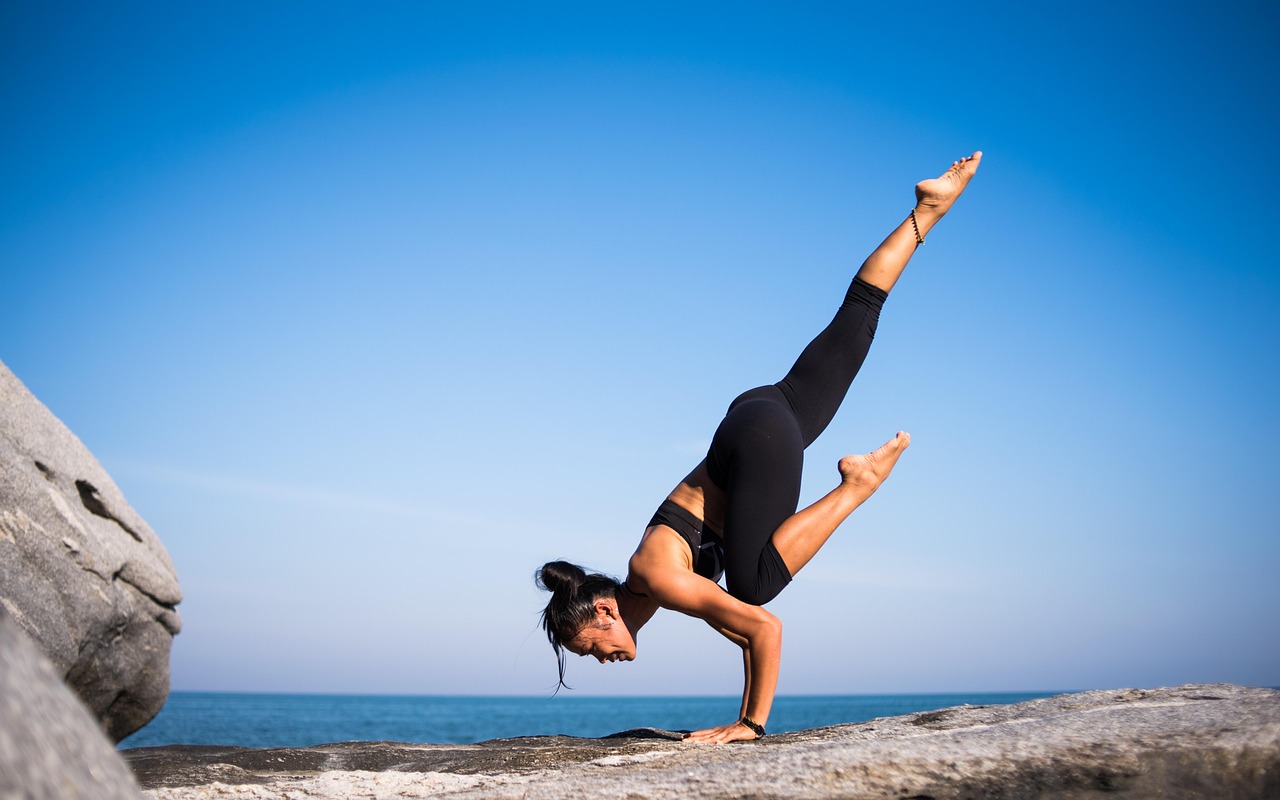
🎉 Taking the Next Step Toward Stronger, More Stable Ankles
Your journey toward improved ankle proprioception and balance begins with a single step—or more accurately, a single stance. The exercises and principles outlined in this guide provide a comprehensive roadmap for developing ankle stability that prevents injuries and enhances overall movement quality.
Start where you are, regardless of current fitness level or injury history. Begin with basic exercises and progress methodically. Consistency matters far more than intensity when training proprioception. Even brief daily practice yields remarkable improvements over weeks and months.
Remember that ankle health represents an investment in your long-term mobility and quality of life. The time you dedicate to balance and proprioceptive training pays dividends through injury prevention, improved performance, and the confidence to move freely in any environment.
Whether you’re an athlete pushing performance boundaries, someone recovering from injury, or simply committed to maintaining functional movement as you age, prioritizing ankle proprioception training positions you for success. Your ankles support everything you do—give them the attention they deserve, and they’ll carry you reliably through countless adventures ahead.