
Your spine is the pillar of every movement you make, yet most people overlook its critical role in daily strength and stability. Mastering core control isn’t just for athletes—it’s the foundation for pain-free living.

Whether you’re lifting groceries, playing with your kids, or sitting at a desk for hours, your spine stability determines how efficiently your body performs these tasks. Poor core control leads to compensatory movements, chronic pain, and reduced quality of life. The good news? Building a resilient, stable core is entirely achievable with the right blueprint.
🎯 Understanding the True Meaning of Core Stability
When most people think about core training, they picture endless crunches and six-pack abs. However, genuine core stability extends far beyond superficial muscles. Your core comprises a complex system of deep stabilizers that work harmoniously to protect your spine during every movement.
The core musculature includes the transverse abdominis, multifidus, pelvic floor, diaphragm, and the muscles surrounding your spine. These structures form what experts call the “inner unit”—a natural corset that maintains spinal alignment and distributes forces efficiently throughout your body.
True spine stability means your body can maintain optimal positioning under various loads and movements without compensating through other structures. This capability prevents wear and tear on joints, reduces injury risk, and creates a foundation for effortless strength in everything you do.
The Hidden Cost of Neglecting Spine Stability
Modern lifestyle habits have created an epidemic of core dysfunction. Prolonged sitting, smartphone posture, and sedentary behaviors weaken the stabilizing muscles that support your spine. The consequences manifest in ways you might not immediately connect to core weakness.
Chronic lower back pain affects approximately 80% of adults at some point in their lives, with poor core stability being a primary contributor. Beyond pain, unstable spines lead to decreased athletic performance, reduced balance, increased fall risk in older adults, and even digestive issues due to compromised diaphragm function.
The economic impact is staggering—billions are spent annually on back pain treatments that often address symptoms rather than the underlying stability deficit. Investing time in building proper core function prevents these issues before they develop into chronic conditions.
🧬 The Anatomy of Effortless Strength
Understanding how your body creates stability helps you train more effectively. Your spine consists of 33 vertebrae separated by intervertebral discs that act as shock absorbers. Without muscular support, this column would collapse under minimal load.
The stabilization system works in layers. Deep stabilizers activate before movement begins, creating a stable platform. Superficial muscles then generate force for the intended action. When this sequence breaks down, larger muscles compensate, leading to inefficient movement patterns and eventual breakdown.
The Inner Unit: Your Body’s Natural Weight Belt
The transverse abdominis wraps around your midsection like a corset, increasing intra-abdominal pressure to support the spine from within. The multifidus muscles attach directly to vertebrae, providing segmental stability. Your pelvic floor forms the base, while the diaphragm creates the top of this pressurized cylinder.
These muscles must work in perfect coordination. Breathing patterns directly influence core activation—proper diaphragmatic breathing enhances stability, while chest breathing undermines it. This connection explains why stress and anxiety, which alter breathing, often correlate with back pain episodes.
Assessing Your Current Stability Level
Before implementing any training program, you need to understand your starting point. Several simple tests reveal core stability deficits that might be sabotaging your strength and causing unnecessary strain.
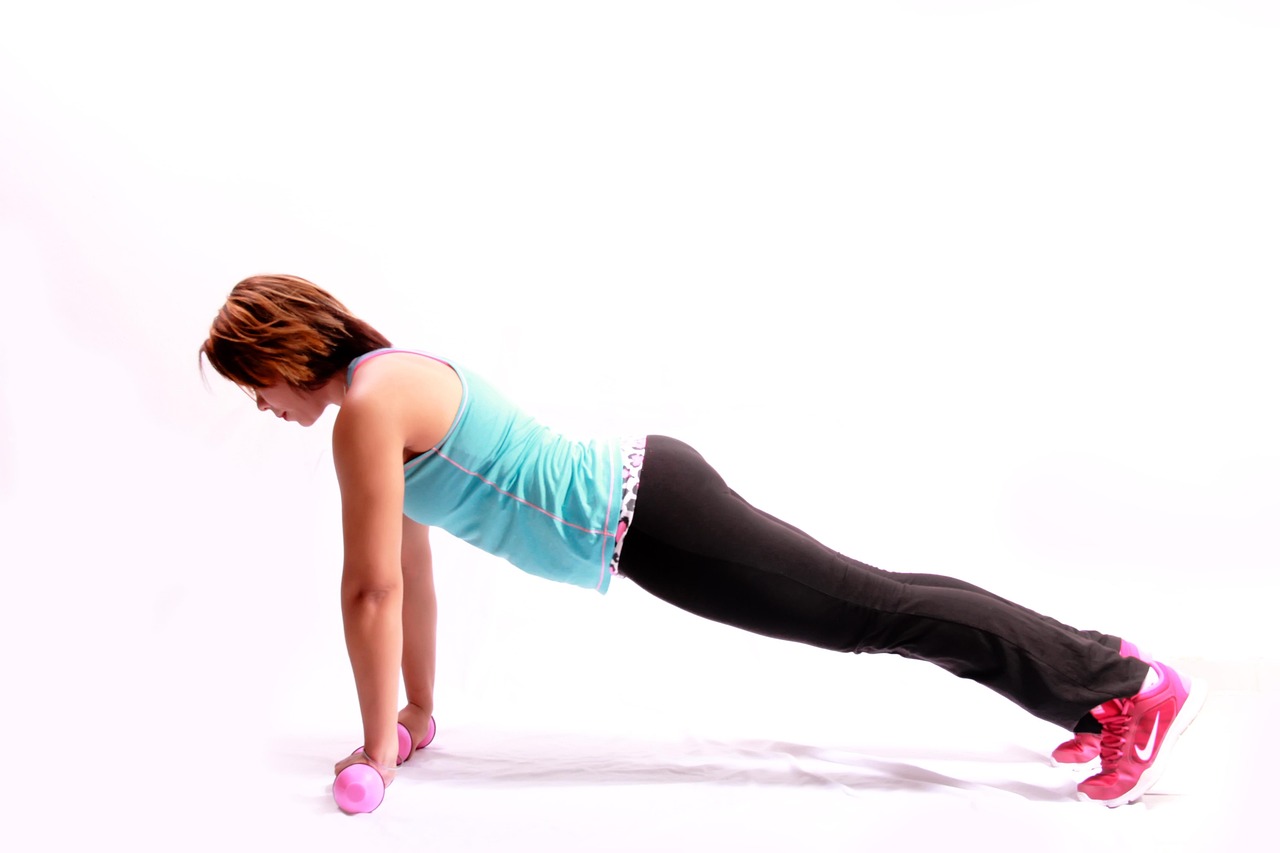
The plank hold test measures endurance of stabilizing muscles. Can you maintain a proper plank position for two minutes without your hips sagging or elevating? The single-leg balance test assesses functional stability—stand on one leg with eyes closed for 30 seconds. Difficulty maintaining position indicates stability issues.
Pay attention to compensatory patterns during everyday movements. Do you arch your back when reaching overhead? Does your belly protrude during exercise? These signs indicate your deep core isn’t engaging properly, forcing superficial muscles to work overtime.
💪 Building Your Foundation: Breathing and Bracing
All effective core training begins with mastering fundamental breathing patterns and bracing techniques. Without proper breathing mechanics, you’re building on an unstable foundation regardless of how many exercises you perform.
The 360-Degree Breathing Method
Lie on your back with knees bent, feet flat. Place one hand on your chest and one on your belly. Inhale through your nose, directing air into your abdomen, sides, and back—imagine your midsection expanding in all directions like a cylinder. Your chest hand should remain relatively still.
This breathing pattern optimally engages your diaphragm and activates the inner unit. Practice this for five minutes daily until it becomes automatic. The quality of your breathing directly determines the effectiveness of every stability exercise you’ll perform.
Learning to Brace Without Holding Your Breath
True bracing maintains intra-abdominal pressure while allowing continued breathing. Contract your core muscles as if preparing for a gentle punch to the stomach—about 30% of maximum tension. Maintain this while breathing normally using the 360-degree method.
This skill takes practice but transforms your strength capacity. Athletes who master breathing while bracing lift heavier weights with less injury risk. Office workers who maintain subtle core engagement throughout the day report significantly less back pain.
The Progressive Stability Training Blueprint
Effective core training follows a logical progression from stability to strength to power. Skipping steps leads to compensation patterns that undermine long-term results. This blueprint builds resilient spine stability systematically.
Phase 1: Static Stability Foundations
Begin with exercises that challenge your ability to maintain neutral spine position against minimal resistance. These movements teach your nervous system proper activation patterns before adding complexity.
- Dead Bug Variations: Lie on your back, arms extended toward ceiling, knees bent at 90 degrees. Slowly lower opposite arm and leg while maintaining lower back contact with the floor. This exercise teaches dissociation—moving limbs while keeping your core stable.
- Bird Dog Hold: From hands and knees, extend opposite arm and leg while keeping your torso completely still. Hold for 10-30 seconds. Focus on preventing rotation or side-bending at your spine.
- Pallof Press: Using resistance band or cable at chest height, press away from your body while resisting rotation. This anti-rotation exercise strengthens lateral stability essential for everyday movements.
Perform these exercises 3-4 times weekly, focusing on quality over quantity. Two perfect repetitions provide more benefit than ten sloppy ones. Progress only when you can maintain perfect form throughout entire sets.
Phase 2: Dynamic Stability Challenges
Once static positions feel controlled, introduce movement while maintaining stability. This phase bridges the gap between basic holds and real-world functional strength.
- Stir the Pot: In plank position on a stability ball, move your forearms in small circles. This forces your core to constantly adapt to changing balance demands.
- Single-Leg Romanian Deadlift: Balance on one leg while hinging at the hip, maintaining neutral spine throughout. This exercise builds stability under load and improves functional balance.
- Turkish Get-Up: This complex movement from lying to standing with a weight overhead develops stability through multiple planes and positions. Break it into segments initially, mastering each transition.
Phase 3: Loaded Stability Integration
The ultimate goal is applying stability under significant loads during compound movements. Your core should automatically engage during squats, deadlifts, overhead pressing, and carrying activities.
Focus on movements that challenge spine stability while building total-body strength. Farmer’s carries, goblet squats, single-arm overhead presses, and suitcase deadlifts all require exceptional core control while developing practical, functional strength.
⚡ Integrating Stability Into Daily Life
The true test of your stability training isn’t gym performance—it’s how effortlessly you move through daily activities. Applying these principles to everyday situations cements the neural patterns and creates lasting change.
Sitting With Purpose
Transform passive sitting into active core engagement. Sit toward the front of your chair, feet flat on the floor, spine neutral. Engage your core at about 20% intensity—just enough to feel muscles working but not enough to create tension. Maintain this engagement for increasing intervals throughout your day.
Set reminders every 30 minutes to check your posture and reset your core engagement. This practice prevents the slouching and deactivation that leads to back pain and muscular imbalances.
Lifting and Carrying Mechanics
Whether picking up a child, moving furniture, or carrying groceries, every lifting situation provides core training opportunity. Before lifting anything, take a 360-degree breath and brace your core. Hinge at your hips while maintaining neutral spine, using your legs to generate force.
Uneven loads like carrying a bag on one shoulder create unique stability challenges. Resist the urge to lean away from the weight. Instead, engage your core more intensely to maintain upright positioning. These real-world challenges often provide better functional training than isolated gym exercises.
🔧 Troubleshooting Common Stability Issues
Even with consistent practice, certain obstacles frequently derail progress. Recognizing and addressing these issues accelerates your development and prevents frustration.
The Neck Tension Trap
Many people compensate for weak core activation by tensing their neck and shoulders. If you finish core exercises with neck pain or headaches, you’re likely overusing superficial muscles. Focus on relaxing your jaw, shoulders, and neck while maintaining core engagement. This requires conscious practice but dramatically improves exercise effectiveness.
The Breath-Holding Habit
Holding your breath during exercise creates temporary rigidity but undermines true stability. Your muscles need oxygen to function optimally, and breath-holding limits endurance and performance. Practice maintaining core tension while breathing rhythmically—exhale during exertion, inhale during recovery, never completely relaxing your brace.
Overdoing It Too Soon
Enthusiasm often leads to excessive volume before your body adapts. Core muscles respond better to frequent, moderate training than occasional intense sessions. Start with short daily practices rather than marathon weekend workouts. Consistency trumps intensity in stability development.
Measuring Progress Beyond Aesthetics
Six-pack abs don’t necessarily indicate functional core strength. True progress manifests in improved movement quality, reduced pain, enhanced performance, and increased confidence in physical activities.
Track objective measures like plank hold duration, single-leg balance time, and lifting capacity in compound movements. Note subjective improvements—do you have more energy at day’s end? Has chronic back discomfort diminished? Can you play actively with children without next-day soreness?
Functional improvements often precede visible changes. Trust the process even when aesthetics lag behind performance gains. A strong, stable core transforms your physical capabilities regardless of whether it’s visible externally.
🌟 The Long-Term Stability Mindset
Building exceptional spine stability isn’t a 12-week program—it’s a lifetime practice. Your core training evolves with your changing needs, adapting to different life stages, activities, and goals.
View stability work as movement maintenance rather than temporary intervention. Just as you brush your teeth daily to prevent decay, daily core engagement prevents physical breakdown. This perspective shift transforms exercise from obligation to self-care ritual.
As your foundation strengthens, you’ll discover newfound freedom in movement. Activities that once caused apprehension become approachable. Physical confidence grows, enabling you to pursue adventures previously deemed too risky or demanding.
Creating Your Personalized Stability Practice
While this blueprint provides structure, your individual needs require customization. Consider your current fitness level, injury history, daily activities, and long-term goals when designing your practice.
Athletes need sport-specific stability training that addresses their unique movement demands. Office workers require strategies to counteract prolonged sitting. Parents lifting children need to prioritize rotational control and quick reflexive stability.
Start with the fundamentals—breathing and basic static holds—regardless of your fitness level. Build progressively, adding complexity only after mastering simpler variations. Listen to your body’s feedback, distinguishing productive challenge from harmful strain.
The Ripple Effect of Core Mastery
Exceptional spine stability creates benefits extending far beyond physical performance. Your posture improves, projecting confidence and authority. Energy levels increase as efficient movement reduces unnecessary fatigue. Mental clarity often improves alongside physical changes—the mind-body connection works both directions.
Reduced pain and increased capability open doors to experiences you might have avoided. Hiking adventures, recreational sports, active play with children—all become more accessible and enjoyable when backed by solid core stability.
Perhaps most importantly, investing in your physical foundation models healthy behavior for those around you. Children who see parents prioritizing movement develop better habits themselves. The impact of your stability practice extends beyond personal benefit to positive influence on your entire community.
Your spine supports every movement, every breath, every moment of your life. Mastering core stability isn’t about achieving perfect abs or impressive gym lifts—it’s about building the foundation for effortless strength in everything you do. Start with breathing, progress through systematic training, and integrate stability into daily life. The investment pays dividends in pain-free movement, enhanced performance, and confident capability for decades to come. Your journey to mastering your core begins with a single breath and a commitment to consistent practice. The ultimate spine stability blueprint isn’t complicated—it simply requires patience, attention, and daily dedication to moving well.