# Mastering Hip and Pelvis Stability: Unlock Progression and Overcome Chronic Laxity for Lasting Strength

Hip and pelvis stability forms the foundation of all human movement, yet remains one of the most overlooked aspects of fitness and rehabilitation programs worldwide.
Whether you’re an athlete seeking performance enhancement, a fitness enthusiast hitting training plateaus, or someone struggling with chronic pain and joint laxity, understanding the mechanics of hip and pelvic stability can transform your physical capabilities. The pelvis serves as the body’s central powerhouse, connecting the upper and lower body while orchestrating complex movement patterns that impact everything from walking to advanced athletic maneuvers.
🎯 Understanding the Hip-Pelvis Complex: Your Body’s Central Command
The hip and pelvis region comprises an intricate network of bones, joints, muscles, ligaments, and fascia working in concert to provide both mobility and stability. The pelvis consists of three bones—the ilium, ischium, and pubis—that fuse together and connect to the sacrum, forming the sacroiliac joints. These structures create the foundation upon which your entire kinetic chain operates.
The hip joint itself is a ball-and-socket joint designed for multidirectional movement while maintaining remarkable stability under load. However, this stability isn’t automatic—it requires precise coordination between passive structures like ligaments and active components such as muscles and neuromuscular control systems.
When this system functions optimally, you experience effortless movement, injury resistance, and the ability to generate powerful forces. When compromised, you may encounter chronic pain, movement compensations, reduced athletic performance, and increased injury susceptibility.
The Hidden Epidemic: Chronic Joint Laxity and Hypermobility
Joint laxity refers to excessive movement within a joint beyond normal physiological ranges. While some degree of flexibility is beneficial, excessive laxity—particularly in the hip and pelvis region—creates instability that the surrounding muscles must constantly compensate for.
Chronic laxity can stem from various sources:
- Genetic connective tissue disorders like Ehlers-Danlos Syndrome
- Hormonal fluctuations affecting collagen integrity
- Previous injuries that stretched or damaged ligaments
- Repetitive overstretching without adequate stability training
- Pregnancy-related relaxin hormone effects
- Poor movement patterns reinforced over time
The challenge with chronic laxity lies in its subtle presentation. Many individuals with hypermobile hips don’t realize their flexibility is actually a liability until pain, dysfunction, or injury forces attention to the issue.
Signs You May Be Dealing With Hip-Pelvis Instability
Recognizing instability early allows for intervention before significant dysfunction develops. Common indicators include:
- Clicking, popping, or grinding sensations in the hip during movement
- Difficulty maintaining balance during single-leg exercises
- Lower back pain that worsens with prolonged standing or walking
- Hip pain that seems to migrate or lacks a specific location
- Feeling like your hip might “give out” during certain movements
- Excessive flexibility without corresponding strength
- Chronic muscle tightness despite regular stretching
The Neuromuscular Foundation: Building Control Before Strength
Many training programs make the critical error of emphasizing strength before establishing proper neuromuscular control. This approach is like building a house on sand—no matter how strong the structure, the foundation cannot support it.
Neuromuscular control refers to your nervous system’s ability to coordinate muscle activation patterns precisely and efficiently. In the context of hip-pelvis stability, this means training your body to activate stabilizing muscles at the right time, with the right intensity, and in the correct sequence.
Proprioception: Your Body’s Internal GPS 📍
Proprioception is your body’s sense of position and movement in space. Specialized receptors in muscles, tendons, and joint capsules constantly feed information to your nervous system about joint angles, tension levels, and movement velocity.
When joint laxity exists, proprioceptive signals become distorted or delayed, creating a disconnect between what your body senses and what’s actually happening. This proprioceptive deficit must be addressed through specific training that recalibrates these sensing systems.
The Progressive Stability Framework: From Foundation to Function
Overcoming chronic laxity and building lasting hip-pelvis stability requires a systematic progression that respects your current capabilities while gradually expanding them. This framework consists of four distinct phases.
Phase 1: Positional Awareness and Isometric Control
The journey begins with learning to find and maintain neutral pelvic positions against minimal resistance. Exercises in this phase focus on static holds that teach your nervous system what proper alignment feels like.
Key exercises include supine pelvic tilts, quadruped holds with focus on neutral spine, and standing pelvic clock exercises. These movements may seem simple, but they establish crucial motor patterns that all future training builds upon.
Duration: 2-4 weeks, performing exercises daily with focus on quality over quantity.
Phase 2: Dynamic Stability With Controlled Movement
Once you can maintain pelvic positions statically, the next step introduces controlled movement while preserving stability. This phase bridges the gap between static control and functional movement.
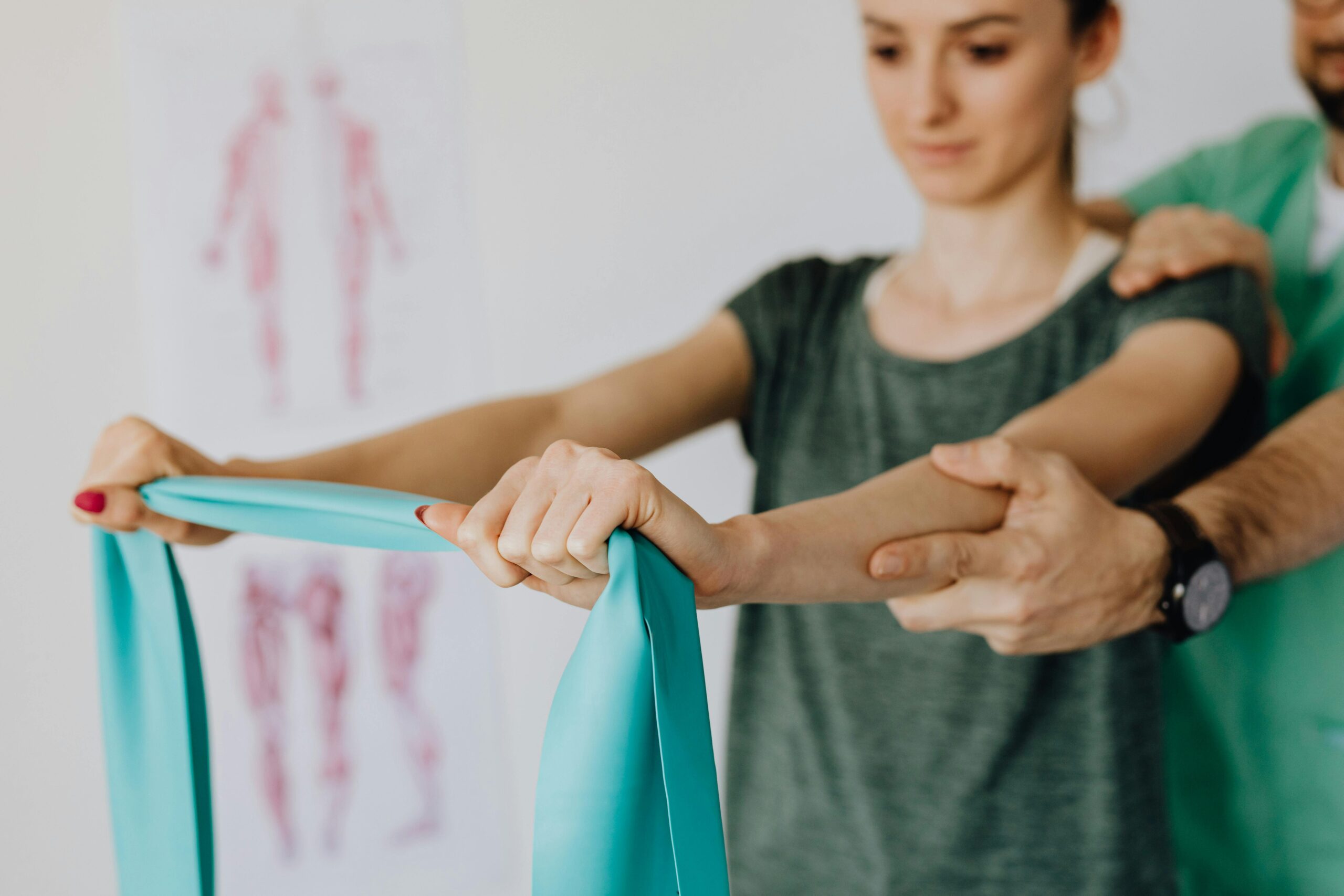
Effective exercises include bird-dogs with slow, controlled limb movements, side-lying clamshells with resistance bands, glute bridges with tempo variations, and single-leg deadlifts with minimal weight focusing on balance and control.
The key principle here is maintaining a stable pelvis and neutral spine while the limbs move through space—a fundamental requirement for nearly all functional activities.
Phase 3: Load Tolerance and Strength Development
With neuromuscular control established, you can safely introduce progressive loading. This phase develops the muscular strength needed to support the joint structures under increasing demands.
Training focuses on compound movements like squats, lunges, step-ups, and hip thrust variations with gradually increasing resistance. Single-leg exercises become increasingly important, as they challenge stability systems more intensely than bilateral movements.
This phase typically spans 8-12 weeks, with systematic progression in load, volume, or complexity every 2-3 weeks based on individual tolerance and adaptation.
Phase 4: Power Development and Sport-Specific Integration
The final phase introduces explosive movements and sport-specific patterns that demand rapid stabilization under dynamic conditions. Jump training, rotational power exercises, and agility drills challenge your stability systems at higher velocities and with unpredictable demands.
This phase is ongoing, as athletic demands continually evolve and adaptation requires progressive overload over extended periods.
💪 Essential Muscle Groups: The Stability Team
Hip-pelvis stability depends on coordinated activation of multiple muscle groups working as an integrated system. Understanding these key players helps you target training effectively.
| Muscle Group | Primary Function | Stability Role |
|---|---|---|
| Deep Hip Rotators | External rotation | Centering femoral head in socket |
| Gluteus Medius/Minimus | Hip abduction | Preventing hip drop during gait |
| Gluteus Maximus | Hip extension | Pelvic and lumbar stability |
| Deep Core (Transverse Abdominis) | Trunk stability | Intra-abdominal pressure regulation |
| Pelvic Floor | Support pelvic organs | Base of core stability system |
| Hip Flexors (Iliopsoas) | Hip flexion | Anterior pelvic stability |
Effective training addresses all these muscle groups in coordinated patterns rather than isolating individual muscles, reflecting how they function in real-world movement.
Breathing Mechanics: The Overlooked Stability Factor
The diaphragm, pelvic floor, transverse abdominis, and multifidus form what’s known as the “inner core unit”—a pressure system that provides foundational stability for all movement. Dysfunctional breathing patterns disrupt this system, compromising hip-pelvis stability regardless of muscle strength.
Proper breathing mechanics involve three-dimensional expansion of the ribcage and abdomen during inhalation, creating optimal intra-abdominal pressure that stabilizes the spine and pelvis. Exhalation should engage the deep core muscles, further enhancing stability.
Integrating proper breathing with movement—exhaling during the exertion phase of exercises, for example—dramatically enhances stability and force production while reducing injury risk.
Common Training Mistakes That Perpetuate Instability
Despite good intentions, many training approaches inadvertently worsen hip-pelvis instability. Avoiding these common errors accelerates progress and prevents setbacks.
Excessive Stretching Without Stability Work
Individuals with laxity often feel chronically tight, leading them to stretch excessively. However, this tightness is often a protective response to instability—the muscles guarding against excessive motion. More stretching only increases laxity while the underlying stability deficit remains unaddressed.
Progressing Too Quickly Through Movement Complexity
Adding load, speed, or complexity before establishing proper motor control patterns reinforces compensation strategies rather than correcting them. Patience in early training phases pays dividends in long-term outcomes.
Neglecting Single-Leg Training
Bilateral exercises allow stronger or more stable sides to compensate for weaker ones, masking asymmetries. Single-leg training exposes and addresses these imbalances, providing more targeted stability development.
Ignoring Pain Signals
Pain represents your body’s warning system indicating something isn’t right. Training through pain, particularly joint pain, often exacerbates underlying instability and tissue damage. Modifying exercises to work within pain-free ranges while addressing root causes produces better outcomes.
🔧 Practical Implementation: Your Weekly Training Template
Translating principles into practice requires a structured approach that fits within your lifestyle and training goals. Here’s a template adaptable to various situations:
Daily (5-10 minutes): Breathing exercises, positional awareness drills, and gentle mobility work focusing on movement quality rather than range.
3-4 times per week: Dedicated stability training sessions lasting 20-40 minutes, progressing through the framework phases appropriate to your current level.
2-3 times per week: Strength training emphasizing compound movements with proper pelvic stability maintained throughout all exercises.
1-2 times per week: Higher-intensity training or sport-specific work, once adequate stability foundations are established.
This structure ensures adequate frequency for motor learning while allowing recovery between sessions. Adjust volume and intensity based on individual recovery capacity and response to training.
Nutrition and Lifestyle Factors Supporting Joint Health
While exercise forms the cornerstone of stability development, nutritional and lifestyle factors significantly influence connective tissue health and recovery capacity.
Adequate protein intake (1.6-2.2g per kilogram body weight) supports muscle development and tissue repair. Collagen peptides, vitamin C, and foods rich in copper and manganese support collagen synthesis and connective tissue integrity.
Quality sleep provides essential recovery time when tissue repair and neuromuscular adaptation occur. Chronic sleep deprivation impairs motor learning, reduces force production, and increases injury risk.
Stress management deserves attention as chronic stress elevates cortisol, which degrades collagen and impairs tissue repair. Incorporating stress-reduction practices supports both physical recovery and training adaptation.
When to Seek Professional Guidance 🏥
While self-directed training produces excellent results for many individuals, certain situations warrant professional assessment and guidance from physical therapists, strength coaches, or sports medicine physicians.
Seek professional help if you experience persistent pain despite modifications, significant asymmetries or movement dysfunctions, symptoms suggesting more serious pathology (numbness, tingling, weakness), or if you have diagnosed connective tissue disorders requiring specialized programming.
A skilled practitioner can identify specific dysfunctions, design targeted interventions, and progress training appropriately based on individual presentation and goals.
Measuring Progress: Beyond the Scale and Mirror
Traditional fitness metrics like weight, body composition, or muscle size don’t adequately capture improvements in stability and movement quality. More appropriate measures include:
- Increased duration holding stability positions with proper form
- Ability to perform single-leg exercises with better balance and control
- Reduced pain during daily activities or exercise
- Improved proprioceptive awareness and body positioning
- Enhanced athletic performance in sport-specific movements
- Decreased frequency of compensatory muscle tightness
Tracking these qualitative improvements provides motivation and helps identify when progression to more challenging training phases is appropriate.
The Long Game: Stability as a Lifelong Practice
Building hip-pelvis stability isn’t a destination but rather an ongoing process of refinement and maintenance. Even after overcoming initial instability issues, continued attention prevents regression and supports advancing performance goals.
View stability training as you would brushing teeth—a fundamental practice that maintains health and prevents problems rather than a temporary intervention addressing acute issues. This mindset shift transforms how you approach training and ensures long-term success.
The investment in mastering hip and pelvis stability pays dividends across all aspects of physical function. From reduced injury risk and pain to enhanced athletic performance and the freedom to move confidently through life’s demands, stable hips and pelvis provide the foundation upon which all movement excellence is built.
By understanding the principles outlined here and applying them systematically within your training, you unlock progression previously limited by instability, overcome chronic laxity that has held you back, and develop lasting strength that serves you for years to come. The journey requires patience, consistency, and attention to detail, but the transformation in how your body moves and feels makes every effort worthwhile.