
Joint stability is the foundation of every movement you make, whether you’re lifting weights, running, or simply reaching for something on a shelf. Without proper stability, your muscles can’t generate optimal force, and your risk of injury increases dramatically.

Progressive muscle activation techniques offer a systematic approach to building the strength and control your joints need to function optimally. By understanding how to engage the right muscles at the right time, you can transform your movement quality, reduce pain, and unlock performance levels you never thought possible. This comprehensive guide will walk you through the essential principles and practical strategies to master joint stability.
🎯 Understanding the Foundation: What Is Joint Stability?
Joint stability refers to the ability of muscles, ligaments, and connective tissues to maintain proper alignment and control during movement. Unlike joint mobility, which focuses on range of motion, stability ensures that movement occurs safely within that range. Think of it as the difference between having a door that swings freely versus one that stays exactly where you position it.
The human body contains approximately 360 joints, each requiring specific stability mechanisms. Major joints like the shoulders, hips, knees, and spine depend heavily on muscle activation patterns to maintain their integrity. When these patterns break down due to injury, sedentary lifestyle, or improper training, compensatory movements develop that eventually lead to pain and dysfunction.
The Science Behind Progressive Muscle Activation
Progressive muscle activation works on the principle of neuromuscular re-education. Your nervous system controls muscle function through motor patterns stored in your brain and spinal cord. When you repeatedly perform movements incorrectly or certain muscles become dormant, these patterns become dysfunctional.
Research shows that muscle activation occurs in specific sequences. For example, in a healthy shoulder, the rotator cuff muscles should activate before the larger deltoid muscles during arm elevation. When this timing is disrupted, the shoulder joint experiences excessive stress, leading to impingement and potential injury.
Progressive techniques gradually retrain these patterns by starting with isolated muscle contractions, then integrating them into functional movements, and finally challenging them under load and speed. This systematic approach ensures lasting changes in how your nervous system controls movement.
🔍 Identifying Your Stability Weaknesses
Before implementing activation techniques, you need to assess where your stability deficits exist. Common indicators include chronic joint pain, feeling unstable during certain movements, inability to maintain proper form under fatigue, or having joints that feel “loose” or hyperextended.
Self-Assessment Strategies
Start by examining your movement quality during basic patterns. Can you perform a single-leg stand for 30 seconds without wobbling? Does your knee cave inward during squats? Do your shoulders round forward during overhead movements? These observations reveal which joints need attention.
Video recording yourself during exercise provides invaluable feedback. What feels stable might look completely different on camera. Pay attention to joint alignment, compensatory movements, and asymmetries between your left and right sides.
Core Stability: The Central Command Center
Your core muscles act as the foundation for all limb movements. A stable core creates a solid platform from which your arms and legs can generate force efficiently. Core stability isn’t about having visible abs—it’s about coordinating deep stabilizing muscles like the transverse abdominis, multifidus, and pelvic floor.
Progressive Core Activation Protocol
Begin with breathing exercises that engage your deep core muscles. Place your hands on your lower abdomen and practice “drawing in” your navel toward your spine while maintaining normal breathing. This activates the transverse abdominis without creating excessive intra-abdominal pressure.
Progress to dead bug variations, where you maintain core engagement while moving your limbs. Start with small movements and gradually increase range of motion as control improves. The key is maintaining a neutral spine throughout—if your lower back arches away from the floor, you’ve lost core stability.
Advanced progressions include loaded carries, anti-rotation exercises, and dynamic movements that challenge your core from multiple angles simultaneously. These exercises train your core to stabilize reflexively, which is how it functions during real-world activities.
💪 Shoulder Stability: Building a Resilient Upper Body
The shoulder joint sacrifices stability for mobility, making it particularly vulnerable to injury. The rotator cuff muscles—supraspinatus, infraspinatus, teres minor, and subscapularis—provide dynamic stability by centering the humeral head in the socket during movement.
Rotator Cuff Activation Sequence
Start with external rotation exercises using light resistance bands. Position your elbow at 90 degrees and rotate your forearm outward, focusing on feeling the muscles at the back of your shoulder working. Perform 15-20 slow, controlled repetitions.
Wall slides teach proper scapular movement patterns. Stand with your back against a wall and slowly slide your arms overhead, keeping your elbows and wrists in contact with the wall. This simple exercise reveals shoulder stability limitations and gradually improves overhead mechanics.
Progress to more challenging variations like prone Y-T-W exercises, where you lift your arms in different patterns while lying face-down. These movements strengthen the scapular stabilizers while teaching proper shoulder blade positioning.
Hip Stability: Power Generation Starts Here
Hip stability determines the quality of virtually every lower body movement. The gluteus medius and minimus, along with the deeper hip rotators, prevent excessive hip drop, knee valgus, and compensatory movements throughout the kinetic chain.
Glute Activation Fundamentals
Many people struggle to properly engage their glutes due to prolonged sitting and dominance of hip flexor and quadriceps muscles. Begin with glute bridges, focusing on squeezing your glutes at the top position rather than just lifting your hips. Hold the contraction for 3-5 seconds before lowering.
Side-lying hip abduction specifically targets the gluteus medius. Lie on your side with your bottom leg bent for stability and lift your top leg while maintaining neutral hip alignment. The movement should be small and controlled—momentum indicates you’re using compensatory muscles.
Single-leg balance exercises challenge hip stability in functional positions. Start with simple single-leg stands, then progress to reaching movements, mini-squats, and eventually dynamic activities like single-leg hops.
🦵 Knee Stability: Protecting Your Most Vulnerable Joint
Knee injuries often result from stability deficits at the hip or ankle rather than the knee itself. However, training proper knee alignment and muscle activation patterns around the joint significantly reduces injury risk.
Terminal knee extensions strengthen the vastus medialis oblique (VMO), the quadriceps muscle responsible for the final degrees of knee extension. Place a resistance band around your knee and anchor it behind you, then straighten your leg completely while maintaining tension. This exercise is particularly valuable for anyone with patellofemoral pain.
Step-down exercises assess and improve knee stability during deceleration. Stand on a step and slowly lower your opposite foot toward the ground while maintaining proper knee alignment. Your knee should track over your second toe throughout the movement without caving inward.
Ankle Stability: The Often-Overlooked Foundation
Ankle instability affects everything above it in the kinetic chain. Chronic ankle sprains often result from inadequate rehabilitation that leaves stabilizing muscles weak and proprioception impaired.
Rebuilding Ankle Strength and Control
Alphabet exercises improve ankle mobility while teaching motor control. Trace the alphabet with your foot, making letters as large as possible. This simple drill activates all the small muscles around the ankle joint.
Balance board training challenges proprioception and reactive stability. Start with double-leg balance on an unstable surface, then progress to single-leg stands, and eventually add dynamic movements like catches and tosses while balancing.
Resistance band exercises in all four directions—dorsiflexion, plantarflexion, inversion, and eversion—strengthen the muscles that stabilize the ankle joint. Perform 15-20 slow repetitions in each direction.
🎨 Integrating Stability Into Functional Movement
Isolated activation exercises are just the beginning. The ultimate goal is integrating these stability patterns into complex, functional movements that mirror real-life activities and sports demands.
Start by adding stability challenges to basic movement patterns. For example, perform squats on an unstable surface, add a balance component to pressing movements, or incorporate perturbations that force your body to stabilize reactively.
Movement complexity should increase gradually. Once you can maintain stability during slow, controlled movements, increase speed. Then add external load. Finally, introduce unpredictable elements that require reflexive stabilization.
Programming Progressive Activation Training
Effective programming balances frequency, intensity, and volume. Stability work should occur at least 3-4 times weekly, as motor learning requires consistent repetition. However, these sessions don’t need to be lengthy—focused 15-20 minute sessions often produce better results than occasional marathon workouts.
Sample Weekly Structure
Begin each training session with 5-10 minutes of targeted activation work for the joints you’ll be using. Before lower body workouts, perform glute and hip stability exercises. Before upper body sessions, activate your rotator cuff and scapular stabilizers.
Dedicate at least one session weekly to pure stability work without heavy loading. This allows you to focus entirely on movement quality and neuromuscular control without the fatigue that comes from strength training.
Track your progress through objective measures like balance times, number of repetitions with perfect form, or video comparisons over time. These metrics help you determine when to progress to more challenging variations.
⚠️ Common Mistakes and How to Avoid Them
The most frequent error is progressing too quickly. Stability adaptations occur in the nervous system, which requires time and repetition. Moving to advanced exercises before mastering basics results in reinforcing poor movement patterns.
Another mistake is only training stability in isolated, controlled environments. While this is appropriate initially, eventually you must expose your joints to varied, unpredictable challenges that develop robust, adaptable stability.
Many people also neglect the mind-muscle connection during stability work. This training requires focused attention on which muscles are activating and how movements feel. Distracted training yields poor results.
Nutrition and Recovery Considerations
Joint stability relies on healthy connective tissues. Adequate protein intake supports muscle development, while collagen peptides and vitamin C promote ligament and tendon health. Omega-3 fatty acids reduce inflammation that can impair muscle activation.
Sleep quality directly affects neuromuscular function. During deep sleep, your nervous system consolidates motor learning from training. Aim for 7-9 hours of quality sleep nightly to maximize stability adaptations.
Active recovery strategies like foam rolling, mobility work, and light movement help maintain tissue quality without interfering with stability adaptations. These practices should complement rather than replace targeted activation work.
🚀 Advanced Strategies for Athletes
Athletes require sport-specific stability that withstands high forces and velocities. Plyometric exercises with proper landing mechanics train reactive stability. Chaos training, where unpredictable perturbations are applied during movement, develops robust stabilization reflexes.
Sport-specific drills should incorporate stability challenges that mirror competition demands. Soccer players benefit from single-leg stability during kicking motions. Basketball players need reactive ankle and knee stability during cutting movements.
Periodization principles apply to stability training just as they do to strength work. During base-building phases, emphasize foundational stability. As competition approaches, maintain stability work but reduce volume to prevent fatigue while retaining adaptations.
Long-Term Maintenance and Injury Prevention
Once you’ve developed solid joint stability, maintenance becomes the priority. Continue performing activation exercises 2-3 times weekly, even if you feel perfectly stable. These sessions serve as insurance against gradual degradation of movement quality.
Periodically reassess your stability using the same tests you performed initially. This helps identify emerging weaknesses before they become problems. Video analysis every few months reveals subtle changes in movement patterns that might otherwise go unnoticed.
View stability training as a lifelong practice rather than a short-term fix. The human body constantly adapts to the demands placed upon it. Consistent attention to joint stability ensures you move well throughout your entire life, maintaining independence and quality of movement as you age.
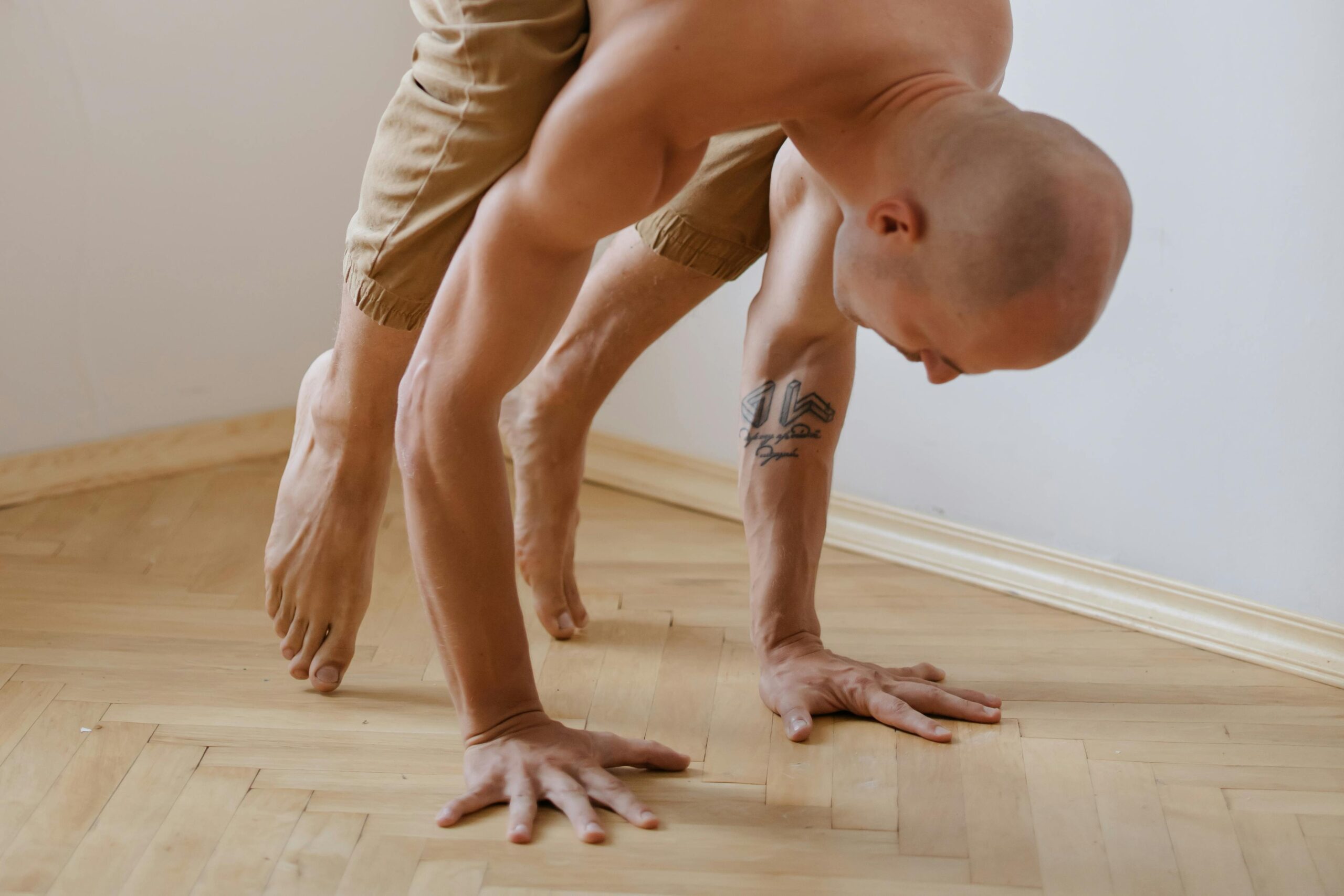
🎯 Taking Action: Your Next Steps
Begin today by assessing your current stability in major joints. Perform simple tests like single-leg balance, wall slides for shoulders, and glute bridges for hip activation. These baseline assessments guide your initial focus areas.
Start with just two or three exercises targeting your weakest links. Perform these daily for two weeks, focusing intensely on movement quality and muscle activation. Consistency with a few key exercises produces better results than sporadic training with many exercises.
As movements become easier and control improves, gradually progress to more challenging variations. Remember that true stability develops over months, not weeks. Patient, consistent practice transforms movement patterns at the neurological level, creating lasting changes that enhance both performance and injury resilience.
Master joint stability through progressive muscle activation, and you’ll unlock a level of strength, mobility, and movement confidence that transforms every physical activity you undertake. Your joints will feel stronger, your movements will become more efficient, and your risk of injury will decrease dramatically. The investment you make in stability training pays dividends in every aspect of your physical life.