Your joints are the unsung heroes of every movement you make. From reaching for your morning coffee to playing with your kids or grandkids, healthy joints make life flow effortlessly and painfully remind you when something’s wrong.

Most people don’t think about joint health until pain arrives. But here’s the truth: the small, consistent actions you take today determine whether you’ll move freely and confidently decades from now. Micro-stability routines—short, targeted exercises that strengthen the supportive structures around your joints—are your secret weapon for long-term mobility, reduced injury risk, and a body that feels younger than its years.
Why Joint Stability Matters More Than Strength Alone 💪
When most people think about fitness, they picture building bigger muscles or improving cardiovascular endurance. While these are important, they often overlook a critical component: joint stability. Your muscles might be strong, but if the joints they surround lack stability, you’re essentially building a powerful engine on a shaky foundation.
Joint stability refers to your body’s ability to maintain or control joint movement and position. It involves a complex interaction between ligaments, tendons, muscles, and proprioceptive feedback from your nervous system. Without adequate stability, even simple movements can lead to compensation patterns that eventually cause pain, inflammation, and injury.
The shoulders, hips, knees, and ankles are particularly vulnerable to stability issues. These joints bear significant load during daily activities and athletic movements. When stability is compromised, surrounding muscles must work overtime to compensate, leading to fatigue, tension, and eventually breakdown.
The Hidden Cost of Poor Joint Stability
Poor joint stability creates a cascade of problems throughout your body. When one joint lacks stability, neighboring joints often become overly mobile to compensate, creating imbalances that ripple through your entire kinetic chain. This compensation pattern is why knee pain might actually stem from hip instability, or why shoulder issues could be related to poor thoracic spine mobility.
Over time, these imbalances accelerate joint wear and tear, increasing your risk of osteoarthritis and chronic pain conditions. The good news? Micro-stability routines can interrupt this cycle before it becomes problematic.
Understanding Micro-Stability Routines: Small Investments, Massive Returns 🎯
Micro-stability routines are brief, focused exercises designed to activate and strengthen the small stabilizer muscles around your joints. Unlike traditional strength training that targets large muscle groups, these routines work the often-neglected muscles responsible for joint control and positioning.
What makes them “micro” is their accessibility: they typically take just 5-10 minutes and can be performed anywhere without special equipment. This makes them perfect for busy schedules and ensures consistency—the true key to long-term joint health.
The beauty of micro-stability work lies in its cumulative effect. Just as daily tooth brushing prevents cavities better than occasional deep cleanings, daily micro-stability practice builds resilient joints that withstand the demands of your life.
The Science Behind Micro-Dosing Movement
Research in motor control and rehabilitation has consistently shown that frequent, low-intensity movement patterns are superior to occasional high-intensity sessions for building lasting stability. This approach allows your nervous system to ingrain proper movement patterns without the fatigue that can compromise form.
When you practice stability exercises daily, you’re essentially rewiring your neuromuscular system. Your brain becomes more efficient at recruiting the right muscles at the right time, creating automatic stabilization that protects your joints during all activities.
Essential Daily Micro-Stability Routines for Every Major Joint
Let’s explore practical, evidence-based micro-stability routines you can implement today. These exercises target the most commonly problematic joints and can be adapted to any fitness level.
Shoulder Stability: Protecting Your Most Mobile Joint 🔄
The shoulder joint sacrifices stability for mobility, making it particularly vulnerable to injury. Your rotator cuff muscles—four small muscles that wrap around the shoulder joint—are responsible for keeping the ball centered in the socket during movement.
Wall Angels (2 minutes): Stand with your back against a wall, arms in a “W” position. Slowly slide your arms up the wall while maintaining contact with your elbows and backs of hands. This activates scapular stabilizers and improves shoulder positioning.
Prone Y-T-W Series (3 minutes): Lie face-down with arms extended. Form the letters Y, T, and W with your arms, lifting them slightly off the ground and squeezing your shoulder blades together. Hold each position for 5 seconds, performing 8-10 repetitions of each letter.
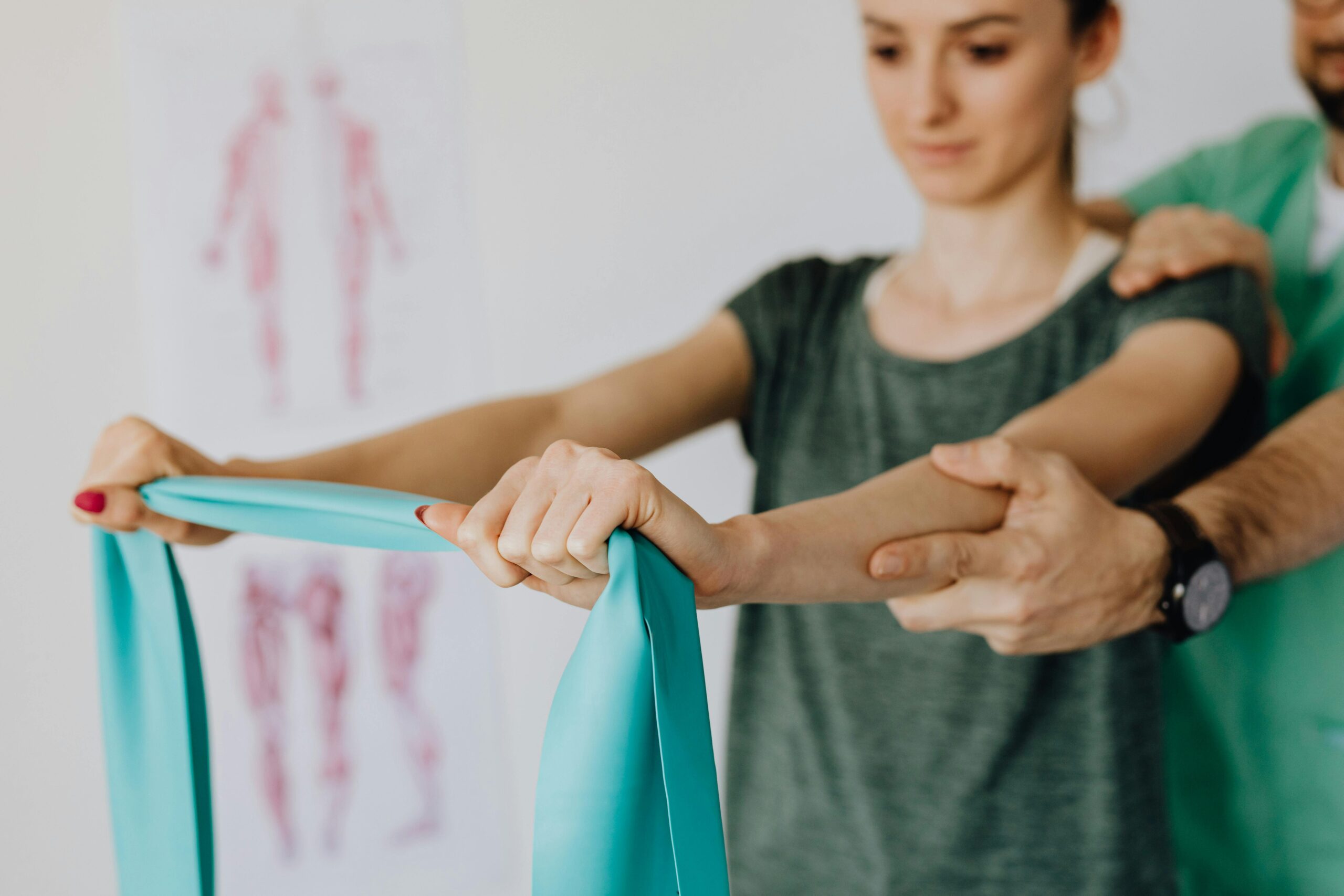
Banded External Rotations (2 minutes): Using a resistance band or even a towel, perform slow external rotations with your elbow bent at 90 degrees. This directly targets the rotator cuff muscles responsible for shoulder stability.
Hip Stability: The Foundation of Lower Body Function
Your hips are the powerhouse of movement, connecting your upper and lower body. Hip instability often manifests as knee pain, lower back discomfort, or balance issues.
Single-Leg Balance Series (3 minutes): Stand on one leg for 30 seconds, then progress by closing your eyes or reaching in different directions. This simple exercise dramatically improves hip stabilizer activation and proprioception.
Clamshells (2 minutes): Lying on your side with knees bent, keep your feet together while lifting the top knee. This targets the gluteus medius, a critical hip stabilizer often weakened by prolonged sitting.
Fire Hydrants (2 minutes): From a hands-and-knees position, lift one leg out to the side while maintaining a stable pelvis. This activates multiple hip stabilizers and challenges rotational control.
Knee Stability: Preventing the Most Common Joint Injury 🦵
Knee stability depends heavily on the muscles above and below it, particularly the quadriceps, hamstrings, and ankle stabilizers. Most knee problems stem from poor control of knee position during movement.
Terminal Knee Extensions (2 minutes): Place a resistance band around your knee from behind. Slightly bend and then fully straighten your knee against the resistance. This strengthens the VMO (vastus medialis oblique), crucial for knee tracking.
Step-Downs (3 minutes): Stand on a low step and slowly lower the opposite foot toward the ground, maintaining knee alignment over your toes. This eccentric exercise builds strength in functional positions.
Heel-Toe Rocks (2 minutes): Rock slowly from your heels to your toes and back, maintaining soft knees throughout. This improves ankle-knee coordination and balance.
Ankle Stability: Your Foundation for Everything Else
Ankle instability is incredibly common, especially after sprains. Unfortunately, most people never properly rehabilitate ankle injuries, leading to chronic instability and increased risk of re-injury.
Alphabet Tracing (2 minutes): While seated or standing on one leg, trace the alphabet with your foot. This mobilizes the ankle through all ranges of motion while building small muscle endurance.
Single-Leg Stance on Unstable Surface (3 minutes): Stand on one leg on a pillow, folded towel, or balance pad. The unstable surface forces your ankle stabilizers to work constantly, building resilience.
Toe-Heel Walks (2 minutes): Walk forward on your toes for 20 steps, then backward on your heels. This strengthens the muscles that control ankle position and improves proprioception.
Creating Your Personalized Micro-Stability Practice ✨
The key to success with micro-stability routines is consistency, not perfection. Here’s how to build a sustainable practice that fits your life and addresses your specific needs.
Identifying Your Weak Links
Not everyone needs to work on every joint equally. Pay attention to your body’s signals. Do you feel unstable when standing on one leg? Does your shoulder click or feel weak overhead? Do your knees cave inward when you squat?
These observations guide you toward the joints that need the most attention. While a balanced approach is ideal, prioritizing your most vulnerable areas yields the fastest improvements in how you feel and move.
The 10-Minute Morning Routine
One effective approach is combining exercises into a 10-minute morning routine that addresses all major joints. This might look like:
- 2 minutes: Ankle stability work (alphabet tracing and single-leg stance)
- 2 minutes: Knee stability exercises (step-downs or terminal knee extensions)
- 3 minutes: Hip stability series (single-leg balance, clamshells, fire hydrants)
- 3 minutes: Shoulder stability work (wall angels and Y-T-W series)
Performing this routine before breakfast primes your nervous system for the day ahead and ensures you complete it before life gets busy.
Integration Throughout Your Day
Another approach distributes micro-stability work throughout your day. Spend 2-3 minutes on ankle stability while your morning coffee brews. Practice single-leg balance while brushing your teeth. Do shoulder stability work during commercial breaks or between work tasks.
This distributed approach keeps your joints engaged throughout the day and breaks up periods of prolonged sitting or repetitive postures.
Tracking Progress and Staying Motivated 📊
Unlike strength training where you can easily see weights increasing, stability improvements are often subtle. However, they’re no less significant. Pay attention to these markers of progress:
- Reduced joint discomfort during daily activities
- Improved balance and confidence during single-leg tasks
- Less fatigue in surrounding muscles after activity
- Better posture and body awareness
- Decreased clicking, popping, or grinding in joints
- Enhanced performance in sports or fitness activities
Consider keeping a simple journal noting how your joints feel each week. Over time, you’ll notice patterns and improvements that keep you motivated to maintain your practice.
Leveraging Technology for Consistency
Several apps can help you build and maintain your micro-stability practice. Movement tracking apps provide reminders, demonstrate proper form, and log your consistency.
Setting phone reminders at consistent times can also help establish the routine until it becomes automatic. The goal is making stability work as habitual as brushing your teeth.
Common Mistakes That Undermine Your Stability Work ⚠️
Even with the best intentions, certain mistakes can limit your results or even increase injury risk. Here are the most common pitfalls to avoid:
Rushing Through Movements: Stability work requires slow, controlled movement. Speed introduces momentum that allows you to bypass the stabilizer muscles you’re trying to strengthen. If you can’t perform an exercise slowly with good form, regress to an easier variation.
Ignoring Pain Signals: Mild muscle fatigue is expected, but joint pain is a red flag. If an exercise causes sharp or increasing joint pain, stop immediately and consider consulting a healthcare professional. Pain is your body’s warning system—listen to it.
Inconsistent Practice: Performing stability work intensely for a week, then skipping two weeks, yields minimal results. Your nervous system needs frequent repetition to create lasting changes. Five minutes daily beats 30 minutes once weekly.
Neglecting Progression: As your stability improves, exercises that once challenged you become easy. Continue progressing by adding unstable surfaces, closing your eyes, or combining movements to maintain adaptation stimulus.
Amplifying Your Results: Complementary Strategies for Joint Health 🌟
While micro-stability routines form the foundation of joint health, several complementary strategies amplify your results and accelerate progress.
Movement Nutrition: Varied, Frequent Position Changes
Just as dietary variety ensures nutritional completeness, movement variety prevents the repetitive stress that damages joints. Throughout your day, consciously vary your positions: alternate between sitting, standing, and floor positions. Take movement breaks every 30-45 minutes. Walk different routes and on varied terrain.
This “movement nutrition” complements your micro-stability work by exposing your joints to diverse challenges that build comprehensive resilience.
Recovery and Regeneration
Joint tissues rebuild and strengthen during recovery periods, not during exercise. Prioritize sleep quality, as growth hormone released during deep sleep is essential for tissue repair. Stay adequately hydrated—your joint cartilage is about 80% water and requires proper hydration for optimal function.
Consider gentle mobility work on days when you want to move but need lower intensity. Controlled articular rotations (CARs) that move each joint through its full range of motion maintain joint health without adding stress.
Nutrition for Joint Resilience
While no food can replace proper movement, certain nutrients support joint health. Omega-3 fatty acids from fish or algae sources reduce inflammation. Vitamin D supports bone health and immune function. Collagen peptides may support cartilage integrity, though research is still emerging.
More importantly, maintaining a healthy body weight reduces mechanical stress on weight-bearing joints, particularly the knees and hips. Every pound of excess weight creates multiple pounds of force on your joints during activities like walking or climbing stairs.
Adapting Your Practice Across Life Stages and Situations 🔄
Your stability needs evolve throughout life and change based on your activities and circumstances. A flexible approach ensures your practice remains relevant and effective.
For Active Athletes and Weekend Warriors
If you’re highly active, view micro-stability work as injury prevention insurance. Perform joint-specific routines before activities that stress particular joints. Runners benefit from ankle and hip stability work. Overhead athletes need extra shoulder attention. Cyclists should focus on hip and knee stability.
After intense training sessions, lighter stability work aids recovery while maintaining neural patterns. This active recovery approach keeps you consistent without overtaxing already-fatigued tissues.
For Desk Workers and Sedentary Lifestyles
Prolonged sitting creates specific stability challenges, particularly in the hips and shoulders. Your hip flexors become short and tight, while glutes weaken from disuse. Shoulders round forward, and scapular stabilizers become inhibited.
For desk workers, emphasizing hip and shoulder stability work counteracts these postural patterns. Consider performing brief stability exercises every hour as movement breaks that refresh both body and mind.
For Older Adults Prioritizing Independence
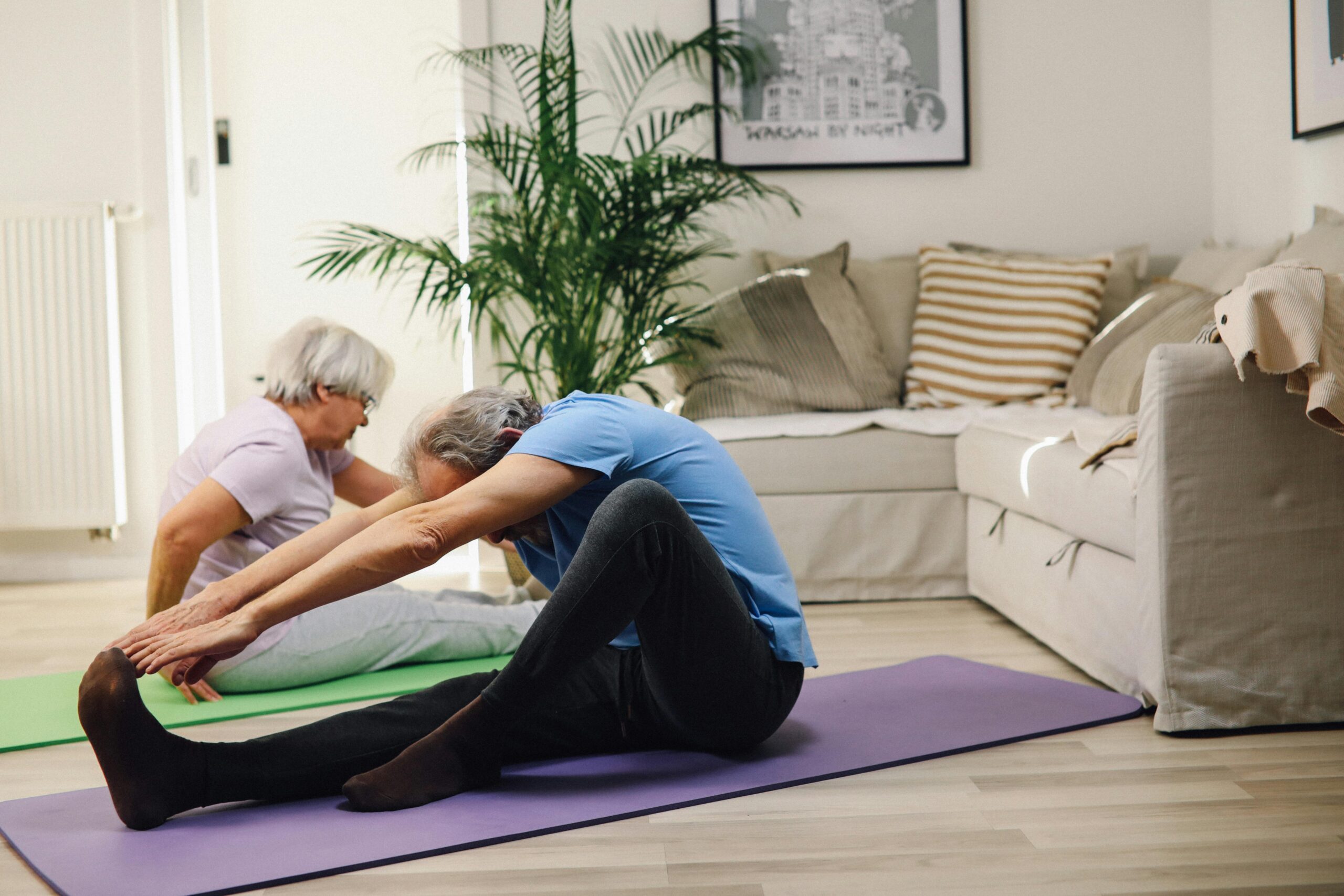
As we age, joint stability becomes increasingly critical for fall prevention and maintaining independence. Balance-focused stability work deserves extra emphasis. Start with supported variations—practicing near a wall or counter for safety—and gradually progress toward unsupported exercises.
Ankle and hip stability exercises directly translate to improved balance and reduced fall risk. The confidence gained from improved stability often encourages increased activity, creating a positive cycle that enhances overall quality of life.
Building Your Lifelong Joint Health Foundation Today 🏗️
The difference between people who move freely and confidently in their later years and those limited by joint problems often comes down to the small, consistent actions taken decades earlier. Micro-stability routines represent one of the highest-return investments you can make in your long-term health and independence.
Starting today, even with just five minutes of focused stability work, you begin building the foundation for pain-free movement tomorrow, next year, and decades from now. Your future self—the one who plays on the floor with grandchildren, hikes mountain trails, or simply moves through daily life without discomfort—will thank you for the consistency you demonstrate today.
Joint health isn’t about dramatic transformations or intensive programs. It’s about showing up daily with intentional, targeted practice that accumulates into extraordinary long-term results. Your joints carry you through every moment of your life. Give them the attention and care they deserve, and they’ll support you for years to come.
The path to stronger, pain-free movement begins with a single step—or rather, a single stability exercise. What will you practice first? Choose one joint, select two exercises, and commit to just five minutes today. That’s how lasting change begins: not with perfection, but with consistent, purposeful action repeated day after day. Your joints, your movement, and your future self all deserve this investment. Start now.