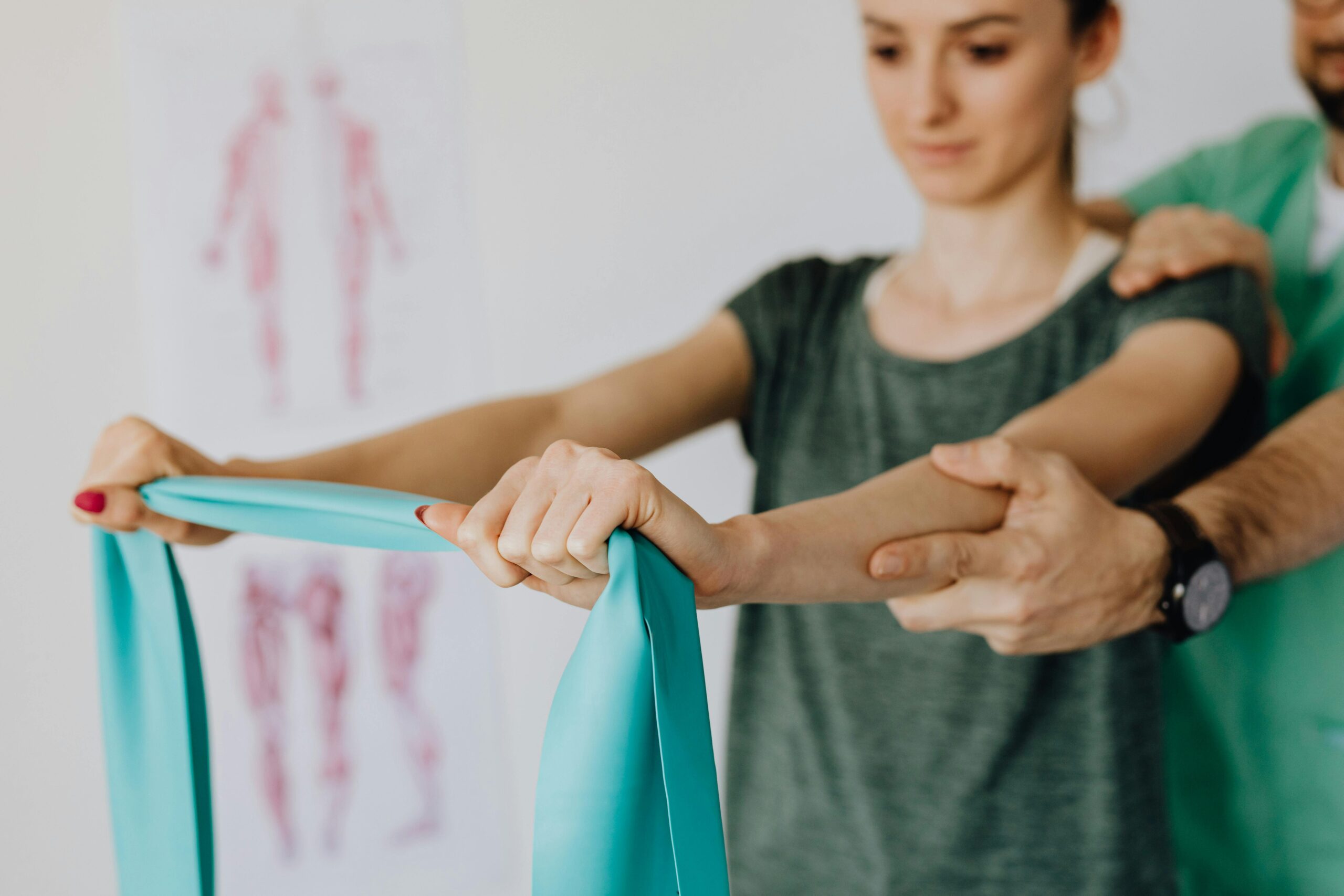
Daily life demands more from our bodies than we often realize. From carrying groceries to reaching overhead shelves, every household task requires a foundation of strength, balance, and coordination that many of us take for granted until we struggle.

Functional stability training isn’t about lifting the heaviest weights or running marathons—it’s about mastering the movements you perform every single day. This approach to fitness focuses on preparing your body for real-world activities, making household tasks safer, easier, and less exhausting. Whether you’re bending to load the dishwasher, climbing stairs with laundry baskets, or standing on a step stool to change a lightbulb, functional stability ensures your body moves efficiently and safely through these essential movements.
🏠 Understanding Functional Stability for Daily Living
Functional stability combines three critical components: strength, balance, and neuromuscular control. Unlike traditional exercise programs that isolate individual muscles, functional training teaches different muscle groups to work together, mimicking the complex movement patterns you use throughout your day.
Your core muscles serve as the foundation for nearly every household movement. When you vacuum, mop floors, or carry groceries, your core stabilizes your spine while your limbs perform the work. Without adequate core stability, compensatory patterns develop, leading to inefficient movement, fatigue, and increased injury risk.
Balance isn’t just about standing on one foot—it’s the dynamic ability to maintain control while moving through space. Every time you reach into a high cabinet, step over a pet, or navigate a cluttered room, you’re challenging your balance system. A functional stability program systematically improves this capacity, making these everyday moments safer and more confident.
⚡ The Real-World Benefits You’ll Experience
The advantages of functional stability training extend far beyond the exercise session itself. Within weeks of starting a structured program, most people notice significant improvements in how they feel during everyday activities.
Reduced fatigue ranks among the most immediately noticeable benefits. When your body moves efficiently, tasks require less energy. What once left you exhausted—like cleaning the entire house or gardening for an afternoon—becomes manageable without the next-day soreness.
Injury prevention represents another crucial advantage. The majority of household injuries occur during seemingly simple tasks: reaching awkwardly, losing balance, or overextending while carrying objects. Functional stability training teaches your body to recognize and correct unstable positions before they result in falls or strains.
Confidence in movement transforms how you approach daily tasks. Instead of hesitating before climbing a ladder or avoiding certain activities due to balance concerns, you’ll move with assurance. This psychological benefit often proves as valuable as the physical improvements.
🎯 Essential Movement Patterns to Master
Seven fundamental movement patterns form the backbone of household tasks. Mastering these patterns through progressive training ensures you’re prepared for virtually any daily activity.
Squatting and Bending
Every time you pick something off the floor, sit down, or unload the dishwasher, you’re squatting. Proper squat mechanics protect your knees and lower back while maximizing strength and efficiency. The functional approach emphasizes maintaining neutral spine alignment, distributing weight evenly through your feet, and using your hips and legs rather than straining your back.
Pushing and Pulling
Vacuuming, opening heavy doors, moving furniture, and pulling weeds all require coordinated pushing and pulling strength. These movements engage your shoulders, chest, back, and core in integrated patterns. Training these patterns improves not just strength but also the timing and coordination necessary for efficient force production.
Rotating and Twisting
Rotation occurs constantly during household tasks—reaching across your body, looking behind you, or sweeping. Poor rotational control contributes to many back injuries. Functional training teaches controlled rotation from the hips and thoracic spine while maintaining core stability, protecting vulnerable areas like the lower back.
Carrying and Walking
Loaded carries—walking while holding objects—challenge stability, grip strength, and postural control simultaneously. Whether carrying groceries, laundry, or a child, your body must maintain alignment against asymmetrical loads. Training carrying capacity translates directly to easier, safer daily activities.
💪 Building Your Foundation: Beginner Exercises
Starting a functional stability program doesn’t require expensive equipment or gym membership. These foundational exercises can be performed at home using minimal equipment, gradually building the strength and balance necessary for more challenging movements.
Wall Squats with Stability Hold
Stand with your back against a wall, feet shoulder-width apart and about two feet from the wall. Slide down until your thighs are parallel to the floor, as if sitting in an invisible chair. Hold this position for 20-30 seconds, focusing on keeping your core engaged and weight evenly distributed. This exercise builds leg strength and endurance while teaching proper squat mechanics in a controlled environment.
Single-Leg Balance Progressions
Begin by standing on one foot for 30 seconds, using a countertop for light fingertip support if needed. As this becomes easier, progress to standing on one foot without support, then with eyes closed, and eventually while performing tasks like brushing your teeth. This simple progression dramatically improves balance for activities like putting on pants, stepping over obstacles, or reaching while standing.
Modified Planks for Core Stability
Start with hands and knees on the floor, hands directly under shoulders. Engage your core by pulling your belly button toward your spine, maintaining a neutral spine position. Hold for 15-30 seconds, breathing normally. This modified plank builds the core endurance necessary for maintaining good posture during prolonged household tasks without the intensity of a full plank.
Sit-to-Stand Repetitions
Using a sturdy chair, practice standing up and sitting down without using your hands for assistance. Focus on keeping your weight centered over your feet, chest lifted, and movement controlled in both directions. Perform 10-15 repetitions, resting as needed. This fundamental movement pattern directly translates to dozens of daily activities.
🔥 Intermediate Challenges: Elevating Your Practice
Once foundational movements feel comfortable and controlled, intermediate exercises add complexity and challenge to continue building capacity for demanding household tasks.
Dynamic Lunges with Rotation
Step forward into a lunge position, then rotate your torso toward the front leg. Return to center and step back to starting position. Alternate legs for 10 repetitions per side. This exercise combines stepping, balance, and rotation—perfect preparation for activities like vacuuming, mopping, or gardening that require reaching while in asymmetrical stances.
Farmer’s Carries
Hold a moderately heavy object in each hand (water jugs, bags, or dumbbells work well). Walk forward for 30-60 seconds, maintaining upright posture and level shoulders. This exercise directly mimics carrying groceries or moving objects around your home while building grip strength, core stability, and postural endurance.
Step-Ups with Overhead Reach
Using a sturdy step or low bench, step up with one foot, bringing the other foot up to meet it. As you step up, reach both arms overhead. Step back down with control. Perform 8-10 repetitions per leg. This movement combines leg strength, balance, and overhead mobility—essential for tasks like reaching high shelves or changing smoke detector batteries.
Bird Dogs with Hold
From hands and knees, simultaneously extend your right arm forward and left leg back, creating a straight line from fingertips to toes. Hold for 5-10 seconds, then switch sides. This exercise challenges core stability, balance, and coordination in ways that translate to any activity requiring you to reach while maintaining stability.
📊 Sample Weekly Training Schedule
Consistency matters more than intensity when building functional stability. This sample schedule provides sufficient training stimulus while allowing adequate recovery, fitting into even busy household routines.
| Day | Focus Area | Duration | Key Exercises |
|---|---|---|---|
| Monday | Lower Body Strength | 20-25 minutes | Wall squats, sit-to-stands, step-ups |
| Tuesday | Balance & Core | 15-20 minutes | Single-leg stands, planks, bird dogs |
| Wednesday | Active Recovery | 10-15 minutes | Gentle stretching, walking |
| Thursday | Upper Body & Rotation | 20-25 minutes | Push-ups (modified), rows, rotational lunges |
| Friday | Integrated Movement | 25-30 minutes | Farmer’s carries, step-ups with reach, dynamic patterns |
| Weekend | Flexibility Choice | 15-30 minutes | Any favorite exercises or outdoor activities |
🛡️ Safety Considerations and Modifications
Functional stability training should enhance your capability, never create new problems. Understanding proper progression and knowing when to modify exercises ensures safe, effective training.
Start conservatively, especially if you’re new to structured exercise or returning after a break. It’s better to find exercises too easy initially than to overreach and experience setbacks. You can always increase difficulty, but recovering from injury interrupts progress significantly.
Listen to your body’s signals carefully. Muscle fatigue and mild discomfort during exercise are normal and expected. Sharp pain, joint discomfort, or symptoms that persist after exercise indicate you need to modify or scale back. Functional training should leave you feeling capable and energized, not depleted or hurting.
Modify exercises based on your current abilities and any existing conditions. If balance is challenging, always keep a stable surface within reach. If floor exercises prove difficult, many movements can be adapted to standing or seated positions. The goal is progressive challenge within your current capacity, not forcing yourself into positions your body isn’t ready to handle.
🎪 Incorporating Training Into Daily Routines
The beauty of functional stability training lies in how seamlessly it integrates into everyday life. You don’t need to carve out large blocks of time or change your entire schedule to build these capacities.
Practice exercises while completing household tasks. Engage your core consciously while washing dishes. Practice single-leg balance while brushing your teeth. Perform wall squats while waiting for coffee to brew. These micro-sessions accumulate throughout the day, reinforcing movement patterns in the contexts where you’ll actually use them.
Transform household chores into training opportunities. Focus on maintaining perfect squat form while loading the dishwasher. Consciously engage proper lifting mechanics when moving laundry baskets. Use vacuuming as an opportunity to practice controlled lunging and rotation. This mindful approach turns necessary tasks into functional training sessions.
Set environmental reminders that prompt movement practice. Place a balance disc near where you stand frequently. Keep resistance bands visible in high-traffic areas. These visual cues encourage spontaneous practice sessions that supplement formal training time.
🌟 Tracking Progress and Celebrating Wins
Measuring improvement in functional stability differs from traditional fitness metrics. Rather than focusing solely on weight lifted or distance run, pay attention to how daily activities feel and what you’re able to accomplish.
Notice when household tasks become easier. Can you clean the entire house without breaks? Do stairs feel less challenging? Can you carry more grocery bags in one trip? These practical improvements represent genuine functional gains that matter for quality of life.
Track balance and stability benchmarks. Record how long you can hold a single-leg stand, how many step-ups you complete without fatigue, or how steady you feel on unstable surfaces. Revisit these tests monthly to see objective improvements.
Celebrate non-scale victories enthusiastically. Maybe you reached a high shelf without hesitation, carried a heavy object without strain, or recovered quickly when you stumbled. These moments demonstrate real-world capacity improvements that directly enhance daily living.
🚀 Advanced Applications: Beyond Basic Household Tasks
As your functional stability improves, you’ll discover capabilities extending beyond everyday household tasks. The strength, balance, and coordination you’ve developed open doors to activities you may have previously avoided or found challenging.
Outdoor activities become more accessible and enjoyable. Hiking on uneven terrain, gardening for extended periods, or playing with children or grandchildren all demand functional stability. Your training creates capacity for these enriching activities that enhance quality of life beyond basic household maintenance.
Seasonal challenges become manageable rather than dreaded. Shoveling snow, raking leaves, spring cleaning marathons, or holiday decorating all require sustained strength and stability. Your improved functional capacity makes these periodic demands feel less overwhelming.
Emergency situations benefit from functional stability. Whether catching yourself during a slip, reacting quickly to prevent a fall, or managing unexpected physical demands, your trained neuromuscular system responds more effectively to protect you from injury.
💡 Long-Term Sustainability and Lifestyle Integration
The ultimate goal of functional stability training isn’t completing a program—it’s developing sustainable habits that maintain and enhance capacity throughout life. This requires shifting perspective from exercise as a temporary intervention to movement as an integral part of daily living.
View your body as a tool requiring regular maintenance. Just as you wouldn’t expect a car to run forever without oil changes, your body needs consistent attention to maintain optimal function. Functional stability training provides that maintenance, keeping your movement system healthy and capable.
Adjust your program as your life changes. Different seasons, life stages, and circumstances require flexibility in how you train. The principles of functional stability remain constant, but specific applications adapt to your current needs and available resources.
Build a community around functional movement. Share your progress with friends or family members, train together when possible, or join groups focused on functional fitness. Social connection enhances adherence and makes training more enjoyable.

🏆 Empowering Independent Living Through Movement
Functional stability training ultimately serves a purpose deeper than completing household tasks more easily—it preserves independence, dignity, and quality of life as we age. The capacity to care for yourself, your home, and your loved ones represents fundamental autonomy that’s worth protecting.
Every squat, balance exercise, and carrying drill represents an investment in your future self. The stability you build today determines whether you’ll confidently navigate your home decades from now or struggle with basic activities. This long-term perspective motivates consistent practice even when immediate results feel incremental.
Start where you are, use what you have, and do what you can. Functional stability training doesn’t require perfection—it requires consistent effort applied intelligently over time. Whether you begin with wall-supported squats or advanced balance challenges, every step forward enhances your capacity for independent, confident living. Your household tasks deserve a body that’s strong, stable, and prepared to meet their demands with ease and grace.