Balance training is one of the most underrated components of fitness, yet it holds the key to preventing falls, improving athletic performance, and building functional strength that translates to everyday life. Whether you’re recovering from an injury, aging gracefully, or simply looking to enhance your physical capabilities, mastering balance at home is both achievable and essential.

The beauty of stability training lies in its accessibility. You don’t need expensive equipment or a gym membership to dramatically improve your balance and coordination. With consistent practice using simple progression templates, you can develop the stability and confidence that transforms how you move through the world.
🏠 Why Balance Training Matters More Than You Think
Balance isn’t just about standing on one leg without wobbling. It’s a complex skill that involves your vestibular system, proprioception, vision, and muscular coordination working together seamlessly. As we age, these systems naturally decline, which is why falls become increasingly common after age 65. However, research shows that targeted balance training can reverse these declines at any age.
Beyond fall prevention, improved balance enhances athletic performance across all disciplines. Runners become more efficient, weightlifters can handle heavier loads safely, and yoga practitioners deepen their practice. Even daily activities like carrying groceries, playing with children, or navigating uneven sidewalks become easier and safer with better stability.
The psychological benefits are equally compelling. As your balance improves, you gain physical confidence that spills over into other areas of life. You move with greater certainty, take on new physical challenges, and maintain independence longer as you age.
Understanding the Foundation: What Creates Stability
Before diving into specific exercises, it’s important to understand what creates stability in the human body. Balance relies on three primary systems working in harmony: your visual system provides information about your environment, your vestibular system in your inner ear detects head position and movement, and your proprioceptive system senses where your body parts are in space.
Your core muscles play a crucial role as well, acting as stabilizers that keep your torso upright and aligned. When we talk about “core,” we’re not just referring to six-pack abs, but rather the entire cylinder of muscles surrounding your spine, including your deep abdominals, back muscles, pelvic floor, and diaphragm.
Additionally, ankle strength and mobility significantly impact balance. Your ankles are your first line of defense when you begin to lose stability, making micro-adjustments to keep you upright. Weak or stiff ankles compromise this protective mechanism.
⚖️ The Progressive Balance Training Framework
Effective balance training follows a logical progression from easier to more challenging variations. This systematic approach ensures you build a solid foundation before attempting advanced exercises, reducing injury risk while maximizing results.
Level 1: Building Your Baseline Stability
Start with exercises that challenge your balance while maintaining a wide base of support. These foundational movements teach your body to engage stabilizer muscles and improve proprioception without overwhelming your system.
Begin with tandem stance, where you place one foot directly in front of the other, heel to toe, as if standing on a tightrope. Hold this position for 30 seconds on each side, using a wall or chair for light support if needed. Focus on distributing your weight evenly and keeping your core engaged.
Weight shifts are another excellent starting point. Stand with feet hip-width apart and slowly shift your weight from one foot to the other, lifting the unweighted foot slightly off the ground. This teaches controlled weight transfer, a skill essential for walking and more advanced balance work.
Clock reaches add a dynamic element while maintaining safety. Stand on one leg and imagine you’re at the center of a clock face. Reach your free leg toward 12 o’clock, then return to center. Continue reaching toward different “hours” on the clock, maintaining your balance throughout.
Level 2: Single-Leg Stability and Dynamic Movement
Once you can comfortably hold tandem stance for 60 seconds without support, progress to single-leg exercises. These dramatically increase the challenge to your stabilizer muscles and proprioceptive system.
Single-leg stance forms the cornerstone of intermediate balance training. Stand on one leg for 30-60 seconds, keeping your standing leg slightly bent and your core engaged. To increase difficulty, close your eyes, turn your head from side to side, or stand on an unstable surface like a folded towel or cushion.
Single-leg deadlifts combine balance with functional strength. Stand on one leg, hinge forward at the hips while extending your free leg behind you for counterbalance. Reach toward the ground with your hands, then return to standing. This exercise strengthens your posterior chain while challenging stability in multiple planes.
Dynamic movements like single-leg hops add power and reactive balance training. Perform small hops on one leg, focusing on soft landings and immediate stabilization. Start with vertical hops, then progress to forward, backward, and lateral variations.
Level 3: Advanced Stability and Complex Patterns
Advanced balance training introduces unpredictability, multiple planes of motion, and reduced visual feedback. These challenges more closely mimic real-world scenarios where balance is tested unexpectedly.
Eyes-closed variations of any balance exercise significantly increase difficulty by removing visual feedback, forcing your vestibular and proprioceptive systems to work harder. Start with short durations and always practice in a safe environment with support nearby.
Unstable surface training using balance pads, BOSU balls, or even couch cushions creates an ever-changing environment your body must constantly adapt to. Perform squats, lunges, or simply stand on these surfaces to challenge your stabilizers in new ways.
Rotational exercises like single-leg wood chops or medicine ball tosses while balancing add multi-planar movement patterns. These complex movements demand coordination between your balance systems and functional movement, building real-world stability.
📋 Your 4-Week Balance Progression Template
Consistency trumps intensity when developing balance. Following a structured template ensures progressive overload while allowing adequate recovery for neurological adaptation.
Week 1-2: Foundation Phase
Practice balance exercises 5-6 days per week for 10-15 minutes. Focus on Level 1 exercises, performing each for 2-3 sets of 30-60 seconds per side. Quality matters more than duration—stop when your form deteriorates.
During this phase, establish a pre-practice routine: perform ankle circles, calf raises, and gentle hip mobilization before balance work. This preparation activates the muscles and joints most involved in stability.
Week 3-4: Building Complexity
Continue daily practice but extend sessions to 15-20 minutes. Introduce Level 2 exercises while maintaining one or two foundational movements. Your progression might include 2 sets of tandem stance (60 seconds each), 3 sets of single-leg stance (30-45 seconds each side), and 2 sets of clock reaches (8 reaches per side).
Add environmental variations to create progressive challenge without changing exercises. Practice in different rooms, on different flooring surfaces, or with varying lighting conditions.
Beyond Week 4: Continuing Progress
After four weeks of consistent practice, assess your progress. Can you comfortably hold single-leg stance for 60 seconds? Are you ready for eyes-closed variations or unstable surfaces? Use these milestones to guide your progression into Level 3 exercises.
Maintain variety by rotating through different exercises rather than doing the same routine daily. This prevents adaptation plateaus and keeps training engaging.
🎯 Integrating Balance Training Into Your Existing Routine
Balance work doesn’t require dedicated workout sessions. The beauty of stability training is its versatility—you can practice anywhere, anytime, often while doing other activities.
Morning routines offer perfect opportunities. Brush your teeth while standing on one leg, alternating sides halfway through. During your morning coffee, practice tandem stance or weight shifts. These micro-sessions accumulate significant practice time without requiring additional commitment.
Incorporate balance challenges into strength training by performing exercises on one leg or unstable surfaces. Single-leg Romanian deadlifts, Bulgarian split squats, and single-leg overhead presses simultaneously build strength and stability.
Active recovery days are ideal for focused balance work. When your muscles need rest from intense training, your nervous system can still benefit from low-intensity stability practice that doesn’t create significant fatigue.
Common Mistakes That Sabotage Balance Progress
Many people approach balance training with misconceptions that limit their progress. Understanding and avoiding these pitfalls accelerates improvement.
Progressing too quickly is perhaps the most common error. Balance development requires neurological adaptation, which takes time. Rushing to advanced exercises before mastering fundamentals builds a shaky foundation that ultimately limits potential.
Holding your breath during balance exercises creates unnecessary tension and reduces core stability. Practice rhythmic breathing throughout all balance work, treating it as seriously as the physical positioning.
Training only on flat, predictable surfaces fails to prepare you for real-world challenges. While stability is important, gradually introducing variable surfaces creates more robust balance capabilities.
Neglecting ankle mobility and strength undermines balance improvement. If your ankles are stiff or weak, incorporate specific ankle exercises like alphabet draws (tracing the alphabet with your toes), calf raises, and ankle dorsiflexion stretches.
💪 The Strength-Balance Connection
Balance and strength exist in a synergistic relationship—each enhances the other. Strong muscles provide the force necessary to maintain and recover balance, while good balance allows you to safely challenge your strength with heavier loads and more complex movements.
Compound exercises like squats, deadlifts, and overhead presses naturally develop stabilizer strength when performed with proper form. These movements require coordinated muscle activation patterns similar to those used in balance challenges.
Unilateral training—exercises performed one limb at a time—bridges the gap between pure balance work and traditional strength training. Single-leg squats, split squats, and single-arm presses demand stability while building functional strength.
Core training specifically targeting anti-rotation and anti-lateral flexion strengthens your ability to resist unwanted movement. Exercises like Pallof presses, suitcase carries, and plank variations with limb lifts develop this crucial component of balance.
🧠 The Mindfulness Element: Mental Focus for Physical Stability
Balance training offers unique opportunities to develop mind-body connection. Unlike exercises where you can somewhat “zone out,” balance demands present-moment awareness, making it a moving meditation of sorts.
Cultivate internal awareness during balance practice by noticing subtle weight shifts, muscle activations, and proprioceptive feedback. This mindful approach accelerates learning and deepens the neural pathways responsible for stability.
Breathing techniques enhance balance by promoting relaxation and core engagement. Practice diaphragmatic breathing during holds, using your breath as an anchor when you feel yourself becoming unstable.
Visualization creates neural rehearsal that supplements physical practice. Mentally rehearse balance exercises during downtime, imagining yourself stable, confident, and controlled. This mental practice strengthens the same neural pathways activated during physical training.
Adapting Balance Training for Special Populations
Balance training benefits everyone, but certain populations require modified approaches to ensure safety and effectiveness.
Older adults should prioritize safety by always practicing near stable support. Focus on functional movements that translate directly to daily activities: stepping over obstacles, reaching in different directions while standing, and practicing getting up from the floor safely.
Athletes can integrate sport-specific balance challenges that mimic competitive demands. Basketball players might practice single-leg landings, runners can work on single-leg plyometrics, and martial artists benefit from dynamic rotational balance exercises.
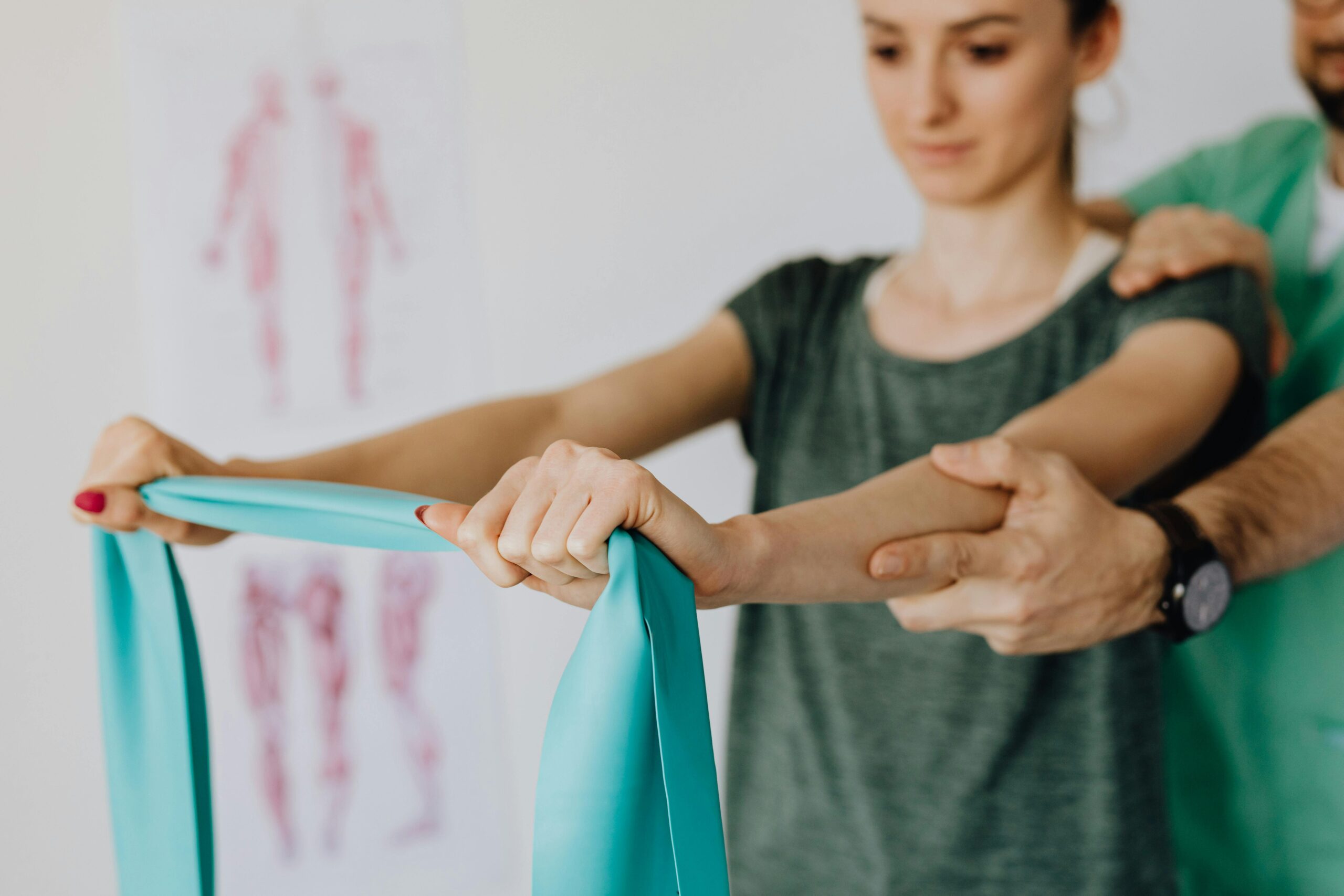
Individuals recovering from injury should work with healthcare providers to develop appropriate progressions. Balance training is often crucial for rehabilitation, but exercise selection must respect healing timelines and current limitations.
Measuring Your Balance Progress
Tracking improvement maintains motivation and identifies areas needing attention. Several simple tests provide objective measures of balance development.
The single-leg stance test measures basic stability. Simply time how long you can stand on each leg with eyes open, then repeat with eyes closed. Record your best times monthly to track progress. Healthy adults under 60 should achieve 30+ seconds with eyes open; older adults should aim for 15+ seconds.
The Y-balance test assesses dynamic stability and reach. Mark three lines on the floor forming a Y shape. Stand at the center on one leg and reach as far as possible along each line with your free leg, without losing balance. Measure your reaches and compare between sides to identify asymmetries.
Functional assessments like the timed up-and-go test evaluate real-world balance. Time yourself standing from a chair, walking 10 feet, turning around, walking back, and sitting down. Improvements in this test indicate better functional stability.
Building Confidence Through Consistent Practice
The ultimate goal of balance training extends beyond physical capability to psychological confidence. As your stability improves, you naturally move with greater assurance, take on new challenges, and maintain independence.
Celebrate small victories along your balance journey. Notice when you navigate an icy sidewalk more confidently, recover from a stumble more quickly, or simply feel more stable during daily activities. These real-world improvements represent the true value of your practice.
Your balance training doesn’t end after completing the four-week template. Stability requires ongoing maintenance, but the time investment decreases once you’ve built a foundation. A few minutes of daily practice sustains the gains you’ve worked hard to achieve.
Remember that balance development isn’t linear. Some days you’ll feel remarkably stable; others, you’ll struggle with exercises you’ve mastered before. This variability is normal and reflects the complex nature of balance, which is influenced by fatigue, stress, sleep quality, and numerous other factors.
By committing to regular balance practice using these progressive templates, you’re investing in long-term health, functionality, and confidence. Start today with just five minutes of foundational exercises, and watch as your stability—and your life—transforms through this simple but powerful practice. Your future self, moving confidently and independently through the world, will thank you for the time you invest now in mastering your balance at home. 🌟