Your joints are the unsung heroes of every movement you make, from lifting weights at the gym to carrying groceries or playing with your kids. Protecting them isn’t just about avoiding pain today—it’s an investment in mobility, independence, and quality of life for decades to come.

The reality is that joint pain affects millions of people worldwide, with studies showing that approximately 54 million adults in the United States alone have been diagnosed with some form of arthritis. But here’s the good news: with the right equipment and approach, you can significantly reduce your risk of joint damage while actually building stronger, more resilient joints. This comprehensive guide will walk you through the essential equipment choices that protect your joints during workouts and daily activities, helping you stay active and pain-free for years to come.
🏋️ Why Joint Protection Should Be Your Top Priority
Before diving into specific equipment recommendations, it’s crucial to understand why joint protection matters so much. Your joints are complex structures where bones meet, cushioned by cartilage and lubricated by synovial fluid. Unlike muscles, cartilage has limited blood supply, meaning it heals slowly and can deteriorate over time with excessive wear and tear.
High-impact activities, improper form, inadequate support, and repetitive stress can all contribute to joint degradation. Once cartilage is damaged, it rarely regenerates fully, leading to conditions like osteoarthritis, chronic pain, and reduced mobility. The key is prevention—and the right equipment plays a fundamental role in that prevention strategy.
Footwear: Your Foundation for Joint Health 👟
Everything starts from the ground up. Your choice of footwear dramatically impacts the stress transferred through your ankles, knees, hips, and even your spine. Poor footwear can create a domino effect of joint problems throughout your kinetic chain.
Training Shoes With Proper Cushioning
For general gym workouts and cardio activities, invest in quality cross-training shoes with adequate cushioning. Look for shoes with shock-absorbing midsoles that reduce impact forces by up to 30-40%. Brands like ASICS, Brooks, and New Balance offer excellent options with gel or foam cushioning systems specifically designed to protect joints during high-impact movements.
Lifting Shoes for Stability
When performing heavy compound lifts like squats and deadlifts, consider weightlifting shoes with flat, firm soles and elevated heels. These provide a stable base that improves ankle mobility and allows for better form, reducing unnecessary stress on knee and hip joints. The elevated heel helps maintain a more upright torso position, which protects your lower back.
Activity-Specific Footwear
Running requires different support than basketball, which differs from tennis or hiking. Activity-specific shoes are designed with the unique movement patterns and impact forces of each sport in mind. Running shoes, for example, should be replaced every 300-500 miles to maintain optimal joint protection as the cushioning deteriorates over time.
Supportive Braces and Sleeves: Targeted Joint Protection 🦵
Joint braces and compression sleeves serve multiple purposes: they provide stability, improve proprioception (your body’s awareness of joint position), increase blood flow, and can reduce pain during and after exercise.
Knee Sleeves and Braces
Knee sleeves made from neoprene material offer compression that keeps the joint warm and provides mild support during squats, lunges, and other leg exercises. For those with existing knee issues or recovering from injury, hinged knee braces provide more substantial support by limiting excessive movement while still allowing normal range of motion.
Wrist Wraps for Pressing Movements
During bench presses, overhead presses, and push-ups, wrist wraps help maintain neutral wrist alignment and prevent hyperextension. This is especially important when lifting heavy weights, as the wrist joint can be particularly vulnerable to strain when supporting substantial loads.
Elbow Sleeves
Compression elbow sleeves provide warmth and support during pulling and pressing exercises. They’re particularly beneficial for those experiencing tennis elbow, golfer’s elbow, or general joint discomfort during upper body workouts.
Ankle Support
For activities involving lateral movements, jumping, or uneven surfaces, ankle braces or high-top shoes provide crucial stability that protects against sprains while reducing stress on the ankle joint complex.
🏋️♀️ Exercise Equipment That Loves Your Joints
Not all exercise equipment is created equal when it comes to joint health. Some machines and tools are specifically designed to minimize joint stress while still delivering effective workouts.
Resistance Bands: Variable Tension Without Joint Compression
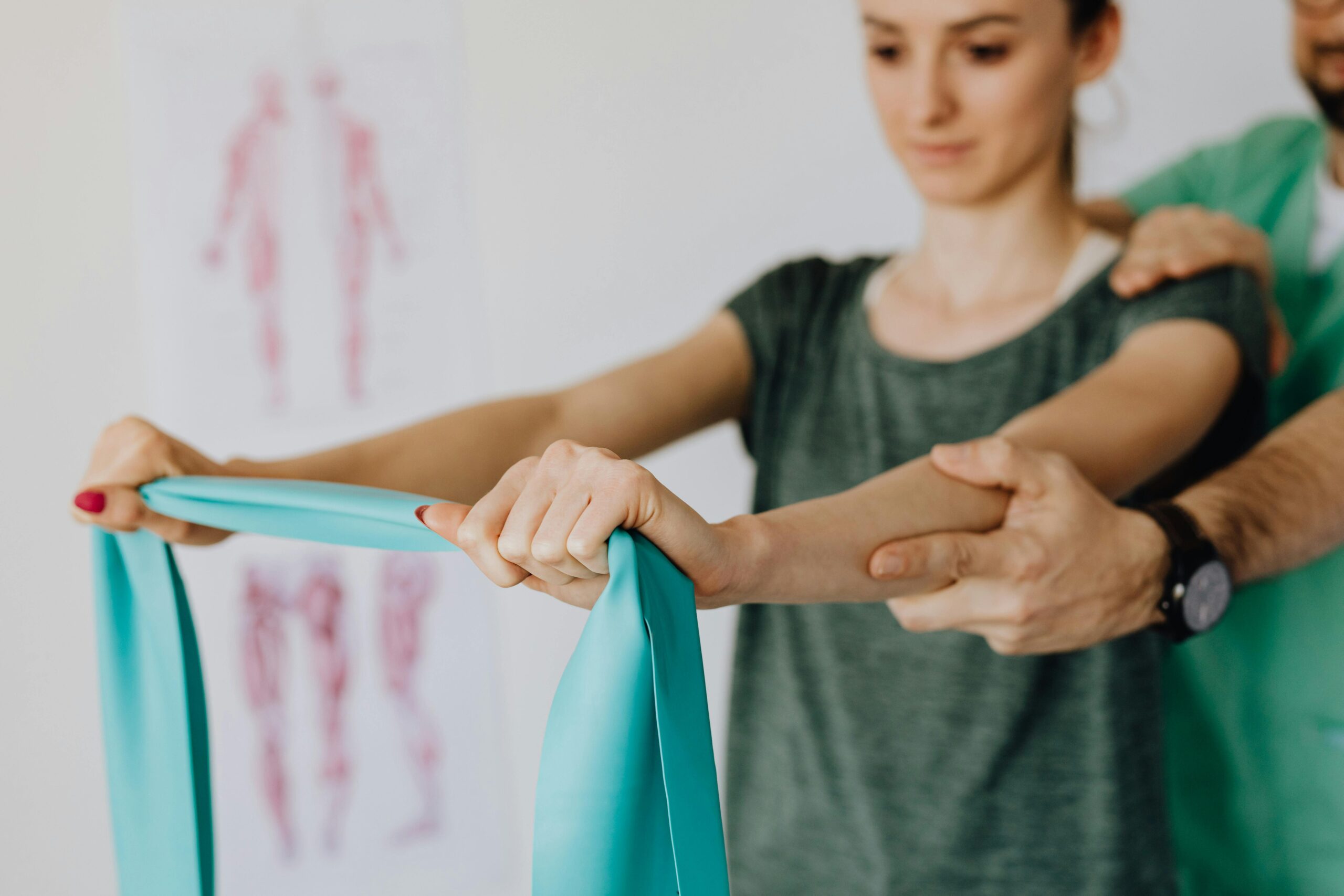
Resistance bands provide accommodating resistance that matches your strength curve throughout each exercise’s range of motion. Unlike free weights that create maximum stress at your weakest point, bands reduce joint compression while still building strength effectively. They’re particularly excellent for shoulder rehabilitation and strengthening exercises.
Cable Machines for Constant Tension
Cable machines allow for smooth, controlled movements with constant tension throughout the entire range of motion. They enable you to adjust angles easily, finding positions that feel comfortable for your joints while still challenging your muscles. The pulley system eliminates the jerky, momentum-driven movements that can stress joints.
Elliptical Trainers: Low-Impact Cardio
Elliptical machines provide excellent cardiovascular conditioning without the repetitive impact of running. Studies show that ellipticals reduce ground reaction forces by up to 75% compared to running on a treadmill, making them ideal for maintaining cardiovascular fitness while protecting knee, hip, and ankle joints.
Recumbent Bikes for Spine-Friendly Cardio
Recumbent bikes support your back while providing effective lower body cardiovascular training. The reclined position reduces stress on the lumbar spine and allows people with back issues to maintain their fitness without aggravating their condition.
Suspension Trainers (TRX)
Suspension training systems allow you to use your body weight for resistance while adjusting the difficulty by changing your body angle. The instability requires core engagement and allows for natural movement patterns that don’t force your joints into compromised positions.
Protective Gear for Daily Activities 🛡️
Joint protection isn’t just for the gym. Many daily activities place significant stress on your joints, and simple equipment modifications can make a tremendous difference in long-term joint health.
Ergonomic Tools and Handles
For gardening, household repairs, or any activities requiring grip strength, ergonomic tools with cushioned, enlarged handles reduce stress on finger, wrist, and elbow joints. These designs distribute force across a larger surface area and require less grip strength to maintain control.
Knee Pads for Ground Work
Whether you’re gardening, cleaning floors, or doing home repairs, quality knee pads protect your kneecaps from direct pressure and provide cushioning that prevents damage to the patellar tendon and bursa. Look for gel-filled or foam pads with secure strapping systems.
Anti-Fatigue Mats
If you stand for extended periods while cooking, working at a standing desk, or in your profession, anti-fatigue mats reduce stress on ankle, knee, hip, and back joints. These cushioned surfaces encourage subtle movements and reduce the static loading that contributes to joint stiffness and pain.
Proper Lifting Equipment
Hand trucks, dollies, lifting straps, and furniture sliders all help you move heavy objects without placing excessive stress on your joints. These simple tools can prevent acute injuries and reduce the cumulative wear that leads to chronic joint problems.
💪 Accessories That Enhance Joint-Friendly Training
Lifting Straps: Save Your Grip, Save Your Joints
When performing heavy pulling exercises like deadlifts and rows, lifting straps allow you to maintain your grip without overworking the small muscles and joints of your hands and wrists. This enables you to train your larger muscle groups effectively without grip strength becoming the limiting factor that forces you to use compensatory movement patterns.
Weightlifting Belt: Core Support for Your Spine
A quality lifting belt increases intra-abdominal pressure, providing support for your spine during heavy compound movements. This doesn’t mean your core doesn’t work—it means you have additional support that reduces compressive forces on spinal discs and joints. Use belts strategically for your heaviest sets rather than throughout your entire workout.
Foam Rollers and Massage Tools
Regular soft tissue work using foam rollers, massage balls, or percussion massage devices improves tissue quality, increases blood flow, and maintains flexibility—all factors that contribute to healthier joints. Tight muscles create joint compression and alter movement patterns, so addressing muscle tension is essential for joint health.
Yoga Blocks and Props
These simple tools allow you to modify stretching and mobility exercises to match your current flexibility level without forcing joints into extreme positions. Yoga blocks bring the ground closer to you, reducing the range of motion required and allowing you to work within comfortable, safe ranges while gradually improving flexibility.
🧘 Recovery Equipment: Essential for Long-Term Joint Health
Recovery is when your body repairs and adapts. Proper recovery equipment helps reduce inflammation, improve circulation, and maintain tissue health—all critical for joint longevity.
Cold and Heat Therapy
Ice packs reduce inflammation after intense workouts or activities, while heat therapy increases blood flow and reduces stiffness. Reusable gel packs that can be frozen or heated provide versatile joint care options. For chronic joint issues, contrast therapy (alternating between cold and heat) can be particularly beneficial.
Compression Garments
Compression sleeves, tights, and tops improve blood flow, reduce muscle oscillation during exercise, and may decrease recovery time. Better circulation means more nutrients delivered to joint tissues and faster removal of metabolic waste products.
Quality Sleep Surface
Your mattress and pillow significantly impact joint health. A supportive mattress maintains spinal alignment throughout the night, while proper pillows prevent neck strain. Consider your sleep position when selecting these items—side sleepers need different support than back or stomach sleepers.
Creating Your Joint-Protection Equipment Kit 🎒
Building a comprehensive joint protection setup doesn’t mean buying everything at once. Prioritize based on your activities, existing issues, and budget. Here’s a suggested progression:
- Priority 1: Proper footwear for your primary activities—this is non-negotiable and provides the foundation for everything else
- Priority 2: Support for any joints currently experiencing discomfort (knee sleeves, wrist wraps, etc.)
- Priority 3: Recovery tools like foam rollers and ice/heat packs to address tissue quality and inflammation
- Priority 4: Protective gear for daily activities based on your lifestyle and occupation
- Priority 5: Specialized training equipment that reduces joint stress while maintaining workout effectiveness
Smart Training Principles to Complement Your Equipment ⚡
Even the best equipment won’t protect your joints if your training approach is flawed. Combine your equipment choices with these principles for optimal joint health:
Progressive Overload Done Right: Increase training loads gradually, allowing joints time to adapt. Sudden jumps in volume, intensity, or frequency are recipes for joint problems regardless of equipment quality.
Prioritize Technique: Perfect form distributes forces correctly across joints and muscles. Compromised form concentrates stress on vulnerable structures. Sometimes using less weight with better form is actually more challenging and more effective.
Include Variety: Repetitive stress injuries develop from doing the same movements constantly. Vary your exercises, angles, and equipment to distribute stress differently across your joints.
Listen to Your Body: Pain is a signal, not something to ignore or “push through.” Distinguish between productive training discomfort and joint pain that indicates a problem. Equipment can help, but it can’t override poor judgment.
Maintain Mobility and Flexibility: Tight tissues restrict joint movement and create compensatory patterns. Regular stretching and mobility work should be as much a part of your routine as strength training.
When to Seek Professional Guidance 🩺
Equipment is an important tool, but it’s not a substitute for professional medical advice. Consult with healthcare professionals in these situations:
- Persistent joint pain lasting more than a few weeks despite rest and appropriate modifications
- Joint swelling, warmth, or redness that doesn’t resolve quickly
- Significant limitation in joint range of motion or function
- Joint instability or feeling like a joint might “give out”
- Before starting a new exercise program if you have existing joint conditions
Physical therapists, sports medicine physicians, and certified athletic trainers can provide personalized assessments and recommendations that complement your equipment choices with targeted exercises and treatment strategies.
🌟 Your Joints Are Worth the Investment
Protecting your joints through smart equipment choices is one of the most valuable investments you can make in your long-term health and quality of life. The relatively small financial investment in proper footwear, supportive gear, and joint-friendly equipment pales in comparison to the costs—both financial and personal—of managing chronic joint problems or undergoing joint replacement surgery later in life.
Remember that your joints have to last your entire lifetime. Unlike a car that you can replace, your joints are original equipment that you need to maintain carefully. The good news is that with the right approach and equipment, you can not only protect your joints but actually strengthen them, maintaining an active, pain-free lifestyle well into your later years.
Start with the basics—proper footwear and support for any currently problematic joints—then gradually build your joint-protection toolkit based on your activities and needs. Your future self will thank you for the care you take today. Every workout, every daily activity, and every movement is an opportunity to either protect or damage your joints. Choose protection, choose the right equipment, and choose long-term health over short-term convenience.
Your joints carry you through life’s adventures—from hiking mountain trails to dancing at weddings to playing with grandchildren. Give them the support they deserve, and they’ll keep you moving strong for decades to come. The time to start protecting your joints is now, and with the equipment guidance provided here, you have everything you need to make joint health a sustainable, lifelong priority.