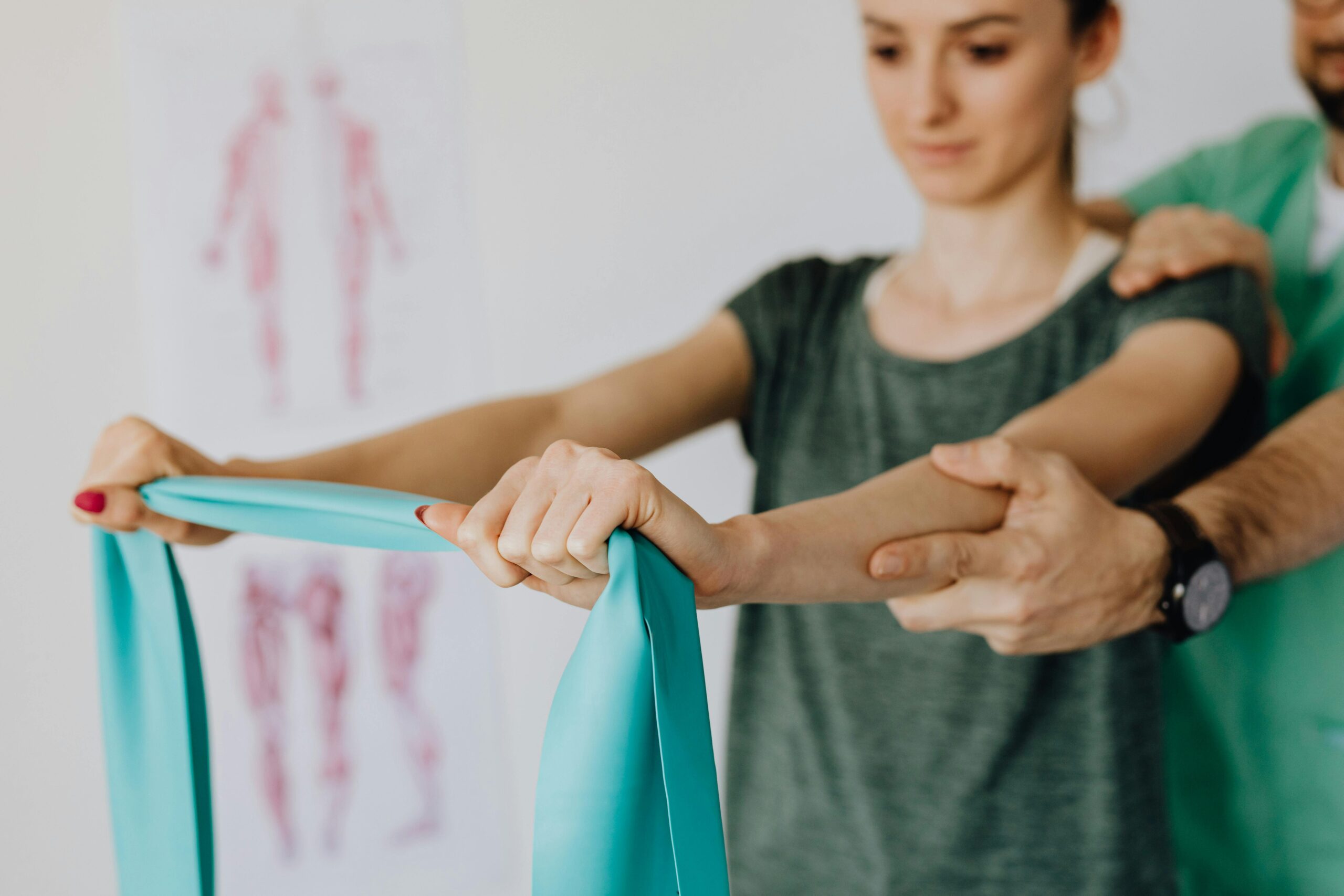
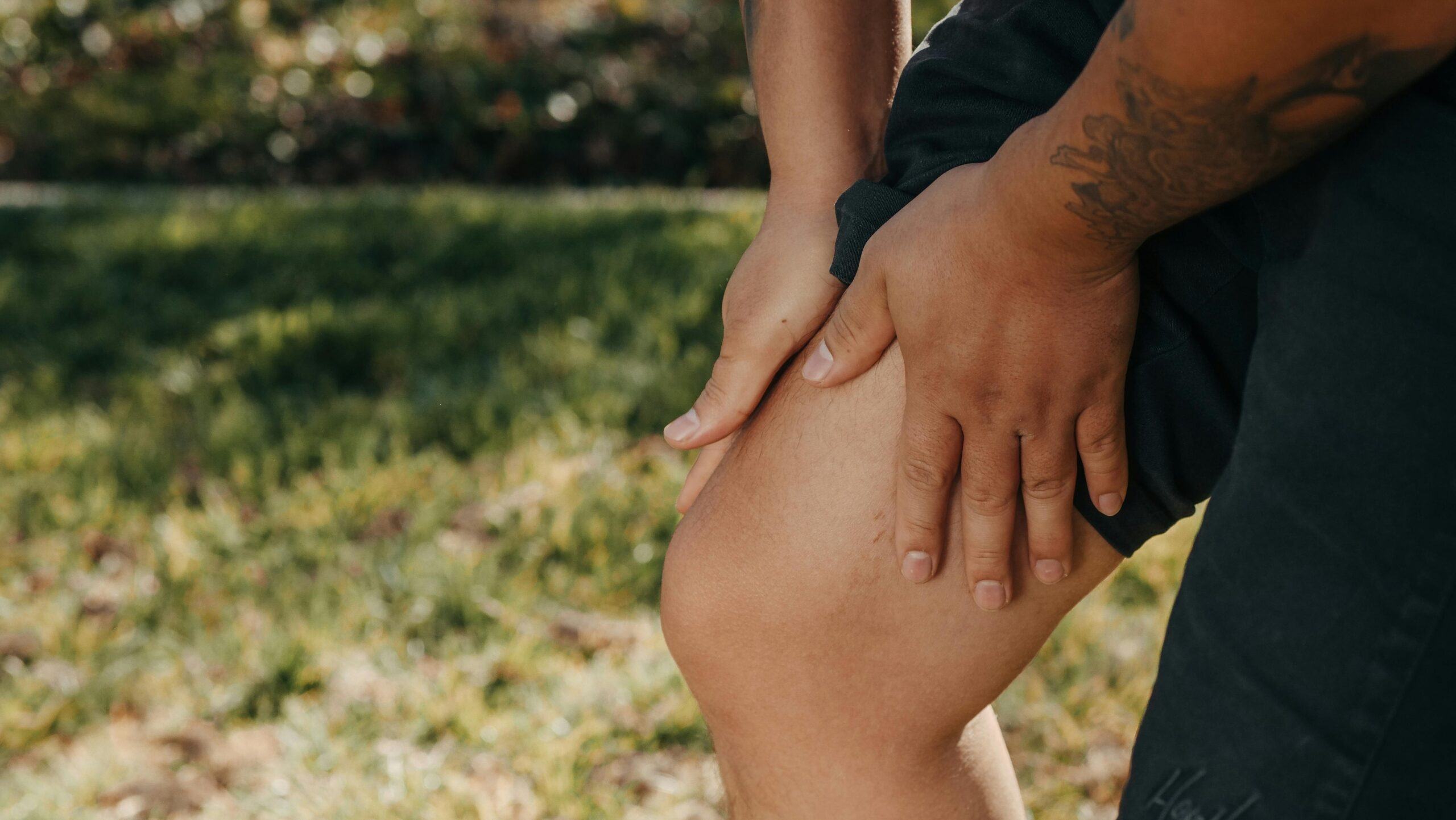
Your joints are the unsung heroes of your body, working tirelessly to keep you moving, bending, and living an active life. Yet many everyday habits silently chip away at their health, leading to discomfort that could be avoided.

Joint pain affects millions worldwide, often stemming not from age or disease, but from preventable lifestyle choices. Understanding how your daily routines impact joint health is the first step toward lasting mobility and comfort. This comprehensive guide reveals expert-backed strategies to protect your joints, eliminate harmful habits, and embrace movement without pain.
🦴 Understanding What Really Irritates Your Joints
Before addressing solutions, it’s crucial to recognize what causes joint irritation in the first place. Your joints are complex structures where bones meet, cushioned by cartilage and lubricated by synovial fluid. When this delicate system faces repeated stress, inflammation, or improper use, discomfort inevitably follows.
Common irritants include prolonged static positions, repetitive movements without variation, inadequate hydration affecting synovial fluid production, and inflammatory responses triggered by certain lifestyle factors. The good news? Most of these are within your control to modify.
The Hidden Culprits Behind Joint Discomfort
Many people unknowingly engage in habits that gradually wear down joint integrity. Excessive body weight places additional stress on weight-bearing joints like knees and hips, with every extra pound multiplying the load during movement. Poor posture creates uneven pressure distribution, forcing certain joints to compensate and overwork.
Dehydration reduces the viscosity of synovial fluid, diminishing its protective cushioning effect. Inflammatory foods trigger systemic responses that can manifest as joint swelling and stiffness. Even well-intentioned exercise, when performed with improper form or excessive intensity, can irritate rather than strengthen.
💧 Hydration: Your Joints’ Best Friend
Water comprises approximately 80% of your cartilage composition, making proper hydration fundamental to joint health. When you’re adequately hydrated, your synovial fluid maintains optimal viscosity, providing superior shock absorption and reducing friction between joint surfaces.
Aim for at least eight glasses of water daily, increasing intake during physical activity or hot weather. Herbal teas and water-rich foods like cucumbers, watermelon, and celery contribute to your hydration goals while providing additional nutrients that support connective tissue health.
Signs Your Joints Need More Water
Joint stiffness upon waking, increased clicking or popping sounds during movement, and heightened sensitivity after exercise can all indicate inadequate hydration. Unlike muscle tissue, cartilage lacks direct blood supply, relying instead on fluid movement to transport nutrients and remove waste products.
This makes consistent hydration patterns more important than occasional heavy water intake. Your body cannot store excess water for future joint lubrication, so regular sipping throughout the day proves more effective than gulping large amounts infrequently.
🏋️ Movement Patterns That Protect Rather Than Punish
The phrase “motion is lotion” perfectly captures the relationship between movement and joint health. Regular, varied movement stimulates synovial fluid circulation, nourishes cartilage, and maintains the range of motion. However, the type and quality of movement matter enormously.
Low-impact activities like swimming, cycling, and walking provide cardiovascular benefits without excessive joint stress. These exercises strengthen supporting muscles while maintaining joint flexibility. Contrast this with high-impact activities performed on hard surfaces, which can gradually damage cartilage through repetitive shock.
The 30-Minute Rule for Joint Protection
Remaining in any single position for extended periods allows joints to stiffen and muscles to weaken. Whether sitting at a desk or standing in one spot, aim to change positions every 30 minutes. Simple movements like shoulder rolls, ankle circles, or a brief walk refresh joint fluid and prevent the discomfort associated with prolonged immobility.
For desk workers, this might mean setting hourly reminders to stand and stretch. For those with standing jobs, shifting weight between feet, using anti-fatigue mats, and incorporating seated breaks maintains joint comfort throughout long shifts.
🥗 Anti-Inflammatory Eating for Joint Comfort
Your diet profoundly influences systemic inflammation levels, which directly impact joint health. Certain foods act as natural anti-inflammatories, while others trigger inflammatory responses that manifest as joint pain, swelling, and reduced mobility.
Omega-3 fatty acids found in fatty fish, walnuts, and flaxseeds reduce inflammatory compounds in the body. Colorful fruits and vegetables provide antioxidants that combat oxidative stress affecting joint tissues. Turmeric, ginger, and green tea contain powerful anti-inflammatory compounds that numerous studies have linked to reduced joint discomfort.
Foods That Silently Sabotage Joint Health
Processed foods high in refined sugars and trans fats promote inflammatory pathways throughout the body. Excessive alcohol consumption interferes with nutrient absorption and increases inflammation markers. Some individuals experience joint flare-ups from nightshade vegetables like tomatoes, peppers, and eggplants, though this varies considerably between people.
Keeping a food and symptom journal helps identify personal triggers. You may discover that certain foods correlate with increased joint stiffness or pain within hours or days of consumption, allowing you to make informed dietary adjustments.
⚖️ Weight Management and Joint Longevity
The relationship between body weight and joint health cannot be overstated. Research consistently shows that each pound of excess body weight exerts approximately four pounds of pressure on knee joints during walking. This multiplies to six pounds during stair climbing and even more during running or jumping.
Weight loss significantly reduces joint stress, with studies demonstrating that losing just 10 pounds can halve the risk of developing knee osteoarthritis. Beyond mechanical stress reduction, maintaining a healthy weight decreases inflammatory fat tissue that releases compounds promoting joint degradation.
Sustainable Approaches to Protective Weight Management
Crash diets and extreme restrictions often backfire, leading to muscle loss that weakens joint support structures. Instead, focus on gradual, sustainable changes that preserve muscle mass while reducing excess fat. Combine mindful eating with regular low-impact exercise to create a manageable routine that protects rather than stresses your joints.
Strength training deserves special mention, as increased muscle mass around joints provides critical stabilization and shock absorption. Even modest increases in leg strength substantially reduce knee pain and improve function in people with existing joint issues.
🧘 Flexibility and Strength: The Dynamic Duo
Joint health requires balance between flexibility and strength. Tight muscles pull joints out of optimal alignment, creating uneven wear patterns. Weak muscles fail to stabilize joints adequately, allowing excessive movement that damages cartilage and connective tissues.
Incorporate both stretching and strengthening exercises into your routine. Yoga and Pilates offer excellent combinations of flexibility work and controlled strength building with minimal joint impact. Focus particularly on muscle groups surrounding your most vulnerable joints—quadriceps and hamstrings for knees, hip flexors and glutes for hips, and core muscles for spine support.
Daily Stretching Routines That Make a Difference
Consistency matters more than duration when establishing flexibility habits. Even five minutes of targeted stretching daily produces better results than occasional lengthy sessions. Morning stretches prepare joints for the day’s activities, while evening routines help release accumulated tension.
Hold stretches for 20-30 seconds without bouncing, breathing deeply to encourage muscle relaxation. Never stretch to the point of pain; mild discomfort indicates an effective stretch, while sharp pain signals you’ve exceeded safe limits and risk injury.
👟 Footwear Choices That Ripple Upward
Your footwear affects your entire kinetic chain, from feet through ankles, knees, hips, and spine. Poor shoe choices create alignment issues that force joints throughout your body to compensate, often manifesting as pain far from your feet.
Supportive shoes with adequate cushioning absorb shock that would otherwise transfer to ankle, knee, and hip joints. Replace athletic shoes every 300-500 miles or when you notice reduced cushioning. Avoid wearing high heels regularly, as they shift body weight forward, increasing pressure on knee joints and altering spinal alignment.
Matching Footwear to Activity
Different activities require different support characteristics. Running shoes provide forward-motion cushioning but lack lateral support needed for tennis or basketball. Cross-training shoes offer versatility for gym workouts, while walking shoes prioritize heel-to-toe flexibility.
For those spending long hours on their feet, consider custom orthotics if standard shoes don’t provide adequate arch support. Proper foot mechanics establish the foundation for healthy joint alignment throughout your entire body.
😴 Sleep Position and Joint Recovery
Quality sleep facilitates joint repair and inflammation reduction, but sleeping position matters tremendously. Certain positions maintain neutral spine alignment and minimize joint stress, while others create hours of sustained pressure or awkward angles.
Back sleeping with a pillow under your knees maintains natural spinal curves and reduces hip and knee stress. Side sleeping with a pillow between your knees keeps hips, pelvis, and spine aligned. Avoid stomach sleeping, which hyperextends the neck and often involves twisted spine positions that strain multiple joint areas.
Creating a Joint-Friendly Sleep Environment
Your mattress should provide support without excessive firmness that creates pressure points. Most people benefit from medium-firm mattresses that contour to body shape while maintaining spinal alignment. Replace mattresses every 7-10 years as materials degrade and lose supportive properties.
Pillows deserve equal attention—your head and neck should remain aligned with your spine, neither tilted upward nor dropped downward. Side sleepers typically need thicker pillows than back sleepers to fill the space between shoulder and head.
🧊 Heat Versus Cold: Strategic Applications
Knowing when to apply heat versus cold can dramatically impact joint comfort and recovery. These therapeutic tools work through different mechanisms and suit different situations.
Cold therapy constricts blood vessels, reducing inflammation and numbing acute pain. Apply ice packs within 48 hours of joint injury or after activities that cause swelling. Never apply ice directly to skin; wrap it in a towel and limit applications to 15-20 minutes.
When Warmth Works Wonders
Heat increases blood flow, relaxes muscles, and improves flexibility in stiff joints. Use heating pads, warm baths, or warm compresses before activities to prepare joints for movement. Heat therapy particularly benefits chronic conditions like arthritis, where morning stiffness responds well to warmth.
Some people find alternating heat and cold effective for persistent joint issues. This contrast therapy pumps fresh blood and nutrients into the area while flushing inflammatory compounds. Always end with cold to minimize any activity-induced inflammation.
🎯 Ergonomics and Daily Environment Adjustments
Your physical environment significantly influences joint stress throughout the day. Small ergonomic adjustments accumulate to create substantial differences in long-term joint health.
Position computer monitors at eye level to prevent neck strain. Adjust chair height so feet rest flat on the floor with knees at 90-degree angles. Keep frequently used items within easy reach to avoid repetitive twisting or overreaching that strains shoulders and spine.
Home Modifications for Joint Protection
Consider practical changes that reduce daily joint stress. Install grab bars in bathrooms to minimize strain when standing from toilets or entering bathtubs. Use jar openers and ergonomic kitchen tools that require less grip force. Raise garden beds to waist height, eliminating the need for prolonged kneeling or bending.
These accommodations aren’t admissions of weakness but intelligent strategies that preserve joint health for activities you truly enjoy. Prevention always surpasses attempting to reverse joint damage after it occurs.
🧠 Stress Management and Inflammatory Response
Chronic stress elevates cortisol and other hormones that increase systemic inflammation, directly impacting joint comfort. The mind-body connection in joint health proves stronger than many realize, with psychological stress manifesting as physical symptoms.
Incorporate stress-reduction practices like meditation, deep breathing exercises, or progressive muscle relaxation into your daily routine. Even brief sessions of 10-15 minutes produce measurable reductions in inflammatory markers and improvements in pain perception.
The Power of Mindful Movement
Activities combining physical movement with mental focus—such as tai chi, qigong, or mindful walking—offer dual benefits for joint health. These practices reduce stress while improving balance, flexibility, and body awareness that helps prevent injury-causing falls or awkward movements.
Research consistently shows that people who practice mindfulness techniques report lower pain levels and better function than those with similar joint conditions who don’t employ these strategies. Your mental approach to joint health matters as much as physical interventions.
🔄 Building Your Personal Joint Protection Plan
Armed with these expert insights, create a personalized strategy addressing your specific needs and risk factors. Start by identifying your three most problematic habits from those discussed, then systematically address each over coming weeks.
Set realistic, measurable goals like “drink 8 glasses of water daily” rather than vague intentions like “be healthier.” Track your progress and joint comfort levels to identify which interventions produce the most noticeable improvements for your unique situation.
Remember that joint protection is a marathon, not a sprint. Small, consistent changes compound over months and years into dramatic differences in mobility, comfort, and quality of life. Your joints have served you faithfully—now it’s time to return the favor with daily habits that honor their remarkable complexity and support their continued function.
By implementing these evidence-based strategies, you’re not just avoiding pain—you’re investing in decades of comfortable movement, independence, and the freedom to pursue activities you love without limitation. Your future self will thank you for the protective measures you establish today. 💪