
Living with chronic pain or managing a long-term health condition means navigating the unpredictable waves of flare-ups that can disrupt your life without warning.

These painful episodes can leave you feeling defeated, exhausted, and questioning your ability to maintain the progress you’ve worked so hard to achieve. However, flare-ups don’t have to define your journey. With the right mindset, strategies, and support systems in place, you can not only recover from these setbacks but emerge stronger and more resilient than before. Understanding how to respond effectively during and after a flare-up is essential to transforming temporary setbacks into opportunities for growth and deeper self-awareness.
🔍 Understanding What’s Really Happening During a Flare-Up
A flare-up represents a temporary intensification of symptoms that can affect anyone managing conditions like arthritis, fibromyalgia, autoimmune disorders, chronic fatigue syndrome, or inflammatory bowel disease. These episodes vary significantly in duration and intensity, lasting anywhere from a few hours to several weeks.
Recognizing the physiological mechanisms behind flare-ups helps remove the self-blame many people experience. Your body isn’t failing you—it’s responding to triggers, whether they’re stress-related, environmental, dietary, or related to activity levels. Inflammation markers often spike during these periods, and your nervous system may become hypersensitive, amplifying pain signals.
Common triggers include weather changes, hormonal fluctuations, inadequate sleep, overexertion, emotional stress, dietary choices, and even seemingly minor infections. Identifying your personal trigger patterns through careful observation creates a foundation for better management and prevention strategies moving forward.
💪 The Immediate Response: What to Do When a Flare-Up Strikes
The first 24-48 hours of a flare-up are critical for minimizing its duration and intensity. Your immediate response can significantly influence your recovery trajectory, making it essential to have a prepared action plan.
Implement Your Emergency Protocol
Create a personalized flare-up kit before you need it. This should include prescribed medications, heating pads or ice packs, compression garments, nutritious easy-to-prepare foods, and contact information for your healthcare team. Having these resources readily available reduces stress when you’re already struggling.
Don’t hesitate to adjust your schedule immediately. Pushing through severe symptoms often extends flare-up duration significantly. Give yourself permission to cancel non-essential commitments and communicate your needs clearly to family, friends, and employers when appropriate.
Strategic Rest and Activity Balance
Complete bed rest isn’t always the answer. While severe symptoms require genuine rest, gentle movement often helps reduce stiffness and maintain circulation. Listen carefully to your body’s signals—there’s a significant difference between discomfort that improves with gentle movement and pain that signals you need complete rest.
Practice pacing by breaking activities into manageable segments with rest intervals. This approach prevents the boom-and-bust cycle where good days lead to overactivity followed by extended recovery periods.
🧠 The Mental Game: Protecting Your Psychological Wellbeing
Flare-ups challenge not just your physical body but your mental resilience. The emotional toll of setbacks can sometimes outlast the physical symptoms themselves, making psychological strategies equally important as physical interventions.
Acknowledge your feelings without judgment. Frustration, anger, sadness, and fear are completely normal responses to increased pain and limitation. Suppressing these emotions typically intensifies them, while acceptance allows them to move through you more quickly.
Reframing the Narrative
Instead of viewing flare-ups as failures or permanent setbacks, consider them temporary detours rather than destinations. This perspective shift doesn’t minimize your suffering but prevents catastrophic thinking patterns that worsen both pain perception and emotional distress.
Practice self-compassion actively. Speak to yourself with the same kindness you’d offer a close friend experiencing similar challenges. Research consistently shows that self-compassion reduces pain intensity, improves coping abilities, and accelerates recovery from health setbacks.
Mindfulness and Pain Management Techniques
Mindfulness meditation specifically designed for chronic pain can reduce suffering even when pain levels remain unchanged. These techniques help you observe pain sensations without the added layer of resistance and emotional reactivity that amplifies discomfort.
Breathing exercises, progressive muscle relaxation, and guided imagery provide immediate tools for managing pain spikes. Apps designed for chronic pain management offer structured programs that guide you through these evidence-based techniques. 🧘♀️
📊 Tracking Patterns: Your Path to Prevention
Detailed symptom tracking transforms seemingly random flare-ups into predictable patterns you can anticipate and sometimes prevent. This systematic approach empowers you with actionable insights about your condition.
| What to Track | Why It Matters | How Often |
|---|---|---|
| Pain levels (1-10 scale) | Identifies severity trends | 2-3 times daily |
| Activities performed | Reveals exertion triggers | End of day |
| Food intake | Uncovers dietary connections | With each meal |
| Sleep quality | Links rest to symptoms | Each morning |
| Stress levels | Highlights emotional triggers | Evening reflection |
| Weather conditions | Identifies environmental factors | Daily notation |
Digital health tracking applications simplify this process significantly, offering reminders, pattern analysis, and shareable reports for healthcare providers. Consistent tracking over several months reveals connections that might otherwise remain hidden.
🍽️ Nutrition as Medicine: Eating to Support Recovery
During flare-ups, your nutritional needs intensify as your body marshals resources for healing and inflammation management. Strategic dietary choices can either support or hinder your recovery process.
Anti-Inflammatory Eating Principles
Focus on whole foods rich in omega-3 fatty acids, antioxidants, and phytonutrients. Fatty fish, leafy greens, berries, nuts, seeds, and colorful vegetables provide compounds that actively reduce inflammatory markers throughout your body.
Eliminate or minimize common inflammatory triggers including processed foods, refined sugars, excessive alcohol, and foods you’ve identified as personal triggers through elimination diets or medical testing. Even temporary removal during flare-ups can accelerate healing.
Practical Eating Strategies During Difficult Times
Prepare flare-up friendly meals when you’re feeling well. Batch cooking and freezing nutritious options ensures you maintain proper nutrition even when cooking feels impossible. Simple preparations like smoothies, soups, and one-pot meals require minimal effort while delivering maximum nutritional value.
Stay adequately hydrated, as dehydration intensifies pain perception and fatigue. Herbal teas with anti-inflammatory properties like ginger, turmeric, or green tea provide both hydration and therapeutic benefits.
🤝 Building Your Support Network
Isolation during flare-ups is common but counterproductive. Human connection provides both practical assistance and emotional sustenance that accelerates recovery and improves long-term outcomes.
Communicate your needs clearly and specifically. Rather than general requests for help, identify concrete tasks others can assist with—grocery shopping, meal preparation, childcare, or simply providing company without expectations for entertainment or conversation.
Professional Support Systems
Maintain regular contact with your healthcare team, even during stable periods. This ongoing relationship ensures faster response times during flare-ups and allows for treatment adjustments based on evolving patterns.
Consider adding complementary practitioners to your team. Physical therapists, occupational therapists, psychologists specializing in chronic pain, and nutrition specialists offer perspectives and interventions that enhance conventional medical care.
Peer Support Communities
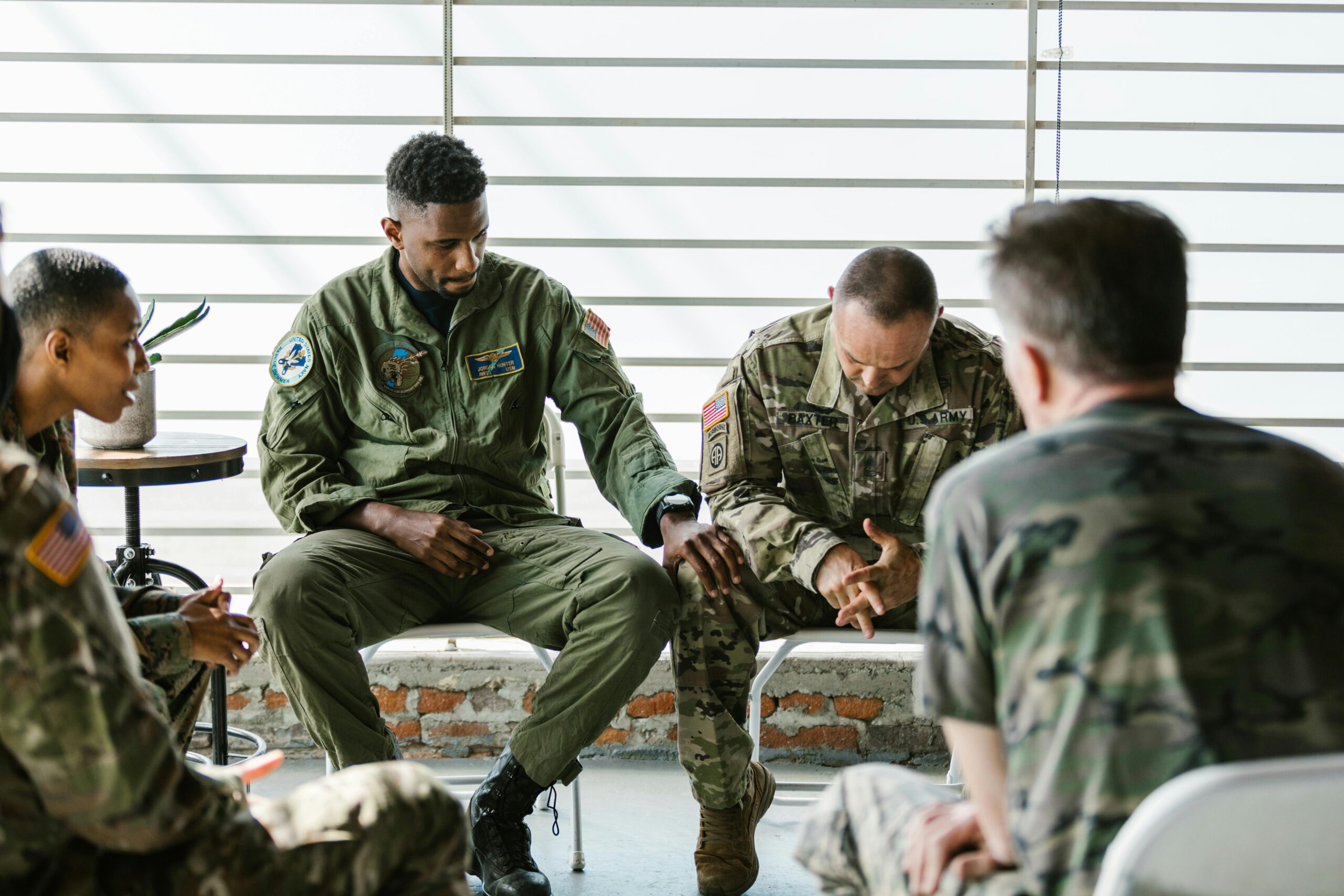
Connecting with others who truly understand your experience provides validation and practical wisdom that even well-meaning friends and family cannot offer. Online communities, local support groups, and condition-specific organizations create spaces for sharing strategies and encouragement. 💚
⚡ The Gradual Return: Rebuilding Without Relapsing
The recovery phase requires as much strategic thinking as the acute flare-up period. Many people experience extended symptoms or immediate relapses because they resume normal activities too quickly or inconsistently.
Implement graded activity increases, expanding your capabilities by small, measurable increments. This might mean adding five minutes to your walking duration weekly or gradually reintroducing specific exercises under professional guidance.
Setting Realistic Milestones
Define success in small, achievable steps rather than expecting immediate return to pre-flare-up functioning. Celebrate progress markers like decreased medication needs, improved sleep quality, or ability to perform specific tasks that were temporarily impossible.
Anticipate setbacks within recovery as normal fluctuations rather than complete failures. Minor symptom increases don’t necessarily indicate full relapse—they’re often temporary responses to slightly overdoing activity that resolve with minor adjustments.
🛡️ Creating Your Flare-Up Prevention Strategy
While not all flare-ups are preventable, strategic lifestyle modifications significantly reduce their frequency and severity. Prevention requires consistent implementation of protective practices during both symptomatic and asymptomatic periods.
- Maintain consistent sleep schedules prioritizing both duration and quality
- Practice stress management techniques daily, not just during crises
- Implement pacing strategies even when feeling well to prevent overexertion
- Continue anti-inflammatory dietary patterns as a lifestyle rather than temporary intervention
- Stay current with prescribed treatments and preventive medications
- Schedule regular movement appropriate to your condition and current capacity
- Create environmental modifications that reduce unnecessary physical stress
- Develop emotional regulation skills through therapy or structured programs
Weather and Environmental Management
For those whose symptoms respond to weather patterns, environmental controls become especially important. Maintain consistent indoor temperatures, use humidifiers or dehumidifiers as needed, and plan outdoor activities during optimal conditions when possible.
Consider relocating important activities from high-symptom seasons to better periods when you have scheduling flexibility. This proactive approach prevents the disappointment of cancellations due to predictable flare-ups.
🌱 Transforming Setbacks Into Growth Opportunities
Each flare-up, while challenging, offers valuable information about your body, your limits, and your resilience. Approaching these experiences with curiosity rather than pure frustration transforms them from purely negative events into learning opportunities.
Document what worked and what didn’t during each episode. This personalized knowledge base becomes increasingly valuable over time, allowing you to refine your response strategies and share effective approaches with your healthcare team.
Building Unshakeable Resilience
Resilience isn’t about avoiding difficulties—it’s about developing the capacity to navigate them effectively. Each successfully managed flare-up strengthens your confidence in your ability to handle future challenges.
Recognize the skills you’ve developed through managing your condition. Problem-solving, self-advocacy, patience, and adaptability are valuable capabilities that extend beyond health management into all life areas.
✨ Thriving Beyond Survival: Redefining Success
True recovery extends beyond symptom reduction to encompass quality of life, meaningful activities, and genuine wellbeing despite ongoing health challenges. This requires redefining what thriving means within your current reality.
Identify activities and relationships that provide meaning and joy even within physical limitations. Purpose and connection contribute significantly to wellbeing independent of symptom levels, creating resilience that transcends physical experiences.
Set goals aligned with your values rather than purely physical benchmarks. Achievement might look different than originally imagined, but meaningful accomplishment remains entirely possible regardless of physical limitations.
Advocating for Your Ongoing Needs
Effective self-advocacy ensures you receive appropriate support and accommodations in work, social, and healthcare settings. Clearly communicating your needs without minimizing or exaggerating creates understanding and practical solutions.
Educate important people in your life about your condition using reliable resources. Understanding reduces frustration on all sides and creates realistic expectations that strengthen rather than strain relationships.
🎯 Your Forward Path: Implementing Sustainable Changes
Knowledge without implementation remains purely theoretical. The difference between those who merely survive flare-ups and those who genuinely thrive lies in consistent application of recovery principles.
Start with one or two changes rather than attempting complete lifestyle overhauls that become overwhelming. Build gradually, allowing new habits to become established before adding additional modifications.
Remember that setbacks don’t erase progress. Your overall trajectory matters more than individual difficult days or weeks. Recovery isn’t linear—it includes ups and downs that collectively move toward improved management and quality of life.
Flare-ups will likely remain part of your experience, but they don’t have to control your life or define your future. With proper preparation, responsive strategies, and resilient mindset, you can bounce back stronger after each episode, building the skills and confidence needed to not just survive but genuinely thrive despite chronic health challenges. Your journey continues forward, informed by experience and strengthened by each obstacle you’ve successfully navigated. 🌟