
Pain is a universal human experience, but how we understand and address it can dramatically transform our healing journey. When swelling and stiffness enter the equation, they don’t just add complexity—they completely redefine the puzzle we’re trying to solve.

These physical manifestations are more than uncomfortable symptoms; they’re vital clues your body provides about what’s happening beneath the surface. Understanding their role changes everything about your approach to recovery, opening pathways to relief that might otherwise remain hidden.
🧩 Decoding the Body’s Warning System
Your body communicates through physical sensations, and swelling and stiffness are two of its most eloquent speakers. When tissues become inflamed, blood flow increases to the affected area, bringing with it healing compounds but also causing that familiar puffiness. This swelling isn’t your enemy—it’s actually your body’s first responder team arriving at the scene.
Stiffness, meanwhile, often serves as a protective mechanism. When joints or muscles sense vulnerability, they restrict movement to prevent further damage. Think of it as your body’s internal safety lock, engaging automatically when it detects a threat to your structural integrity.
The challenge lies in distinguishing between protective inflammation that aids healing and chronic inflammation that hinders it. Acute swelling following an injury typically subsides within days as healing progresses. Chronic swelling that persists for weeks or months signals a different conversation your body is trying to have with you.
The Interconnected Triangle: Pain, Swelling, and Stiffness
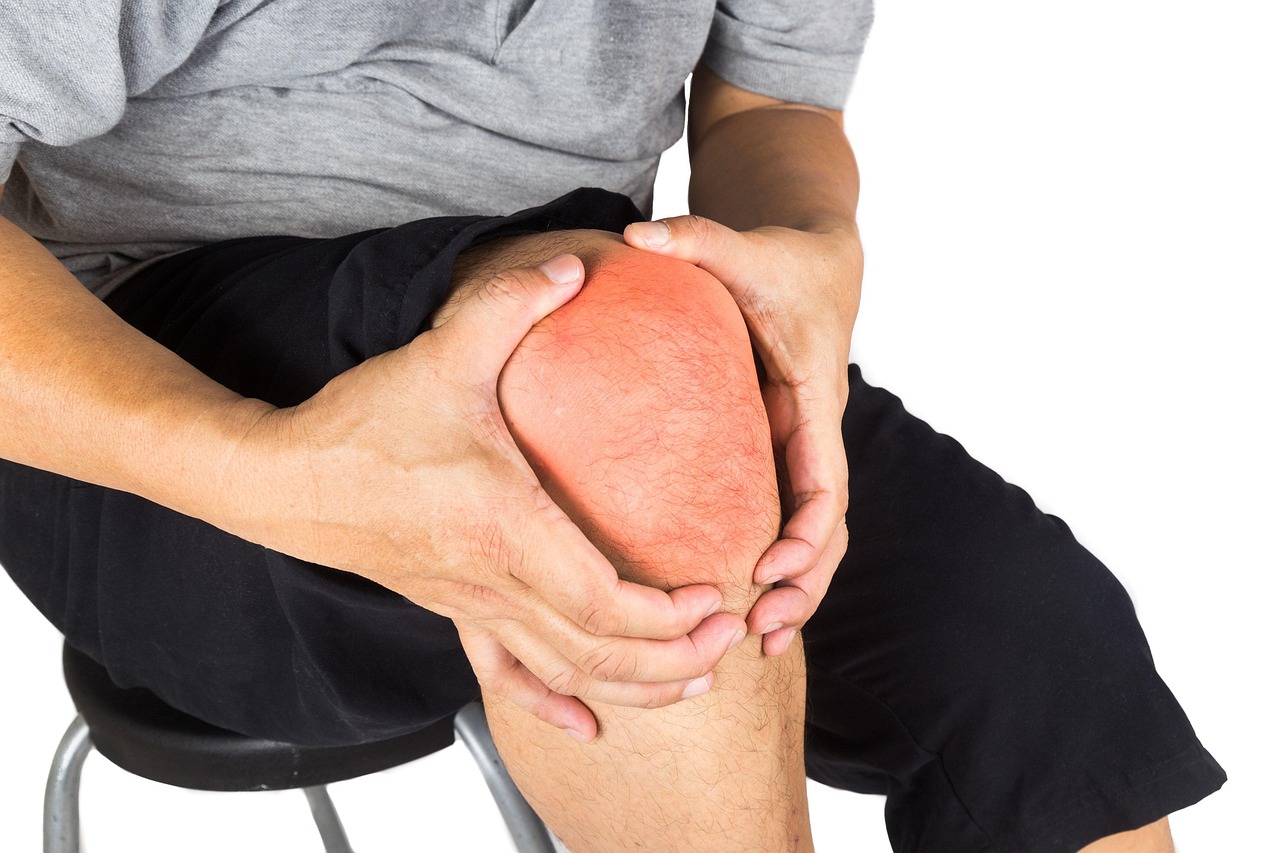
These three symptoms rarely travel alone. They form an interconnected triangle where each element influences the others, creating cycles that can either promote healing or perpetuate discomfort. Pain causes muscle tension, which leads to stiffness. Stiffness reduces movement, which can increase swelling. Swelling puts pressure on nerve endings, which amplifies pain.
Breaking this cycle requires addressing all three components simultaneously rather than focusing on just one. Many people make the mistake of only targeting pain with medications while ignoring the underlying swelling and stiffness that feed it.
Why Traditional Approaches Sometimes Fall Short
Conventional pain management often relies heavily on pharmaceutical interventions that mask symptoms without addressing root causes. While medications certainly have their place, especially in acute situations, they represent only one piece of a much larger puzzle.
The most effective recovery strategies acknowledge that your body is a complex system where everything connects. Reducing swelling naturally decreases pressure on pain receptors. Improving flexibility through gentle movement reduces stiffness. These mechanical changes can sometimes achieve what medications alone cannot.
🔍 Identifying Your Specific Pain Pattern
Not all pain, swelling, and stiffness patterns are created equal. Your specific combination provides diagnostic clues that can guide your recovery strategy. Morning stiffness that improves with movement suggests different underlying issues than stiffness that worsens throughout the day.
Swelling that appears suddenly and severely requires different attention than gradual accumulation of fluid over weeks. Sharp, stabbing pain indicates different tissue involvement than dull, aching discomfort. Becoming a detective of your own symptoms empowers you to communicate more effectively with healthcare providers and make better self-care decisions.
Tracking Symptoms for Better Outcomes
Maintaining a symptom journal transforms vague complaints into actionable data. Note when symptoms intensify, what activities precede flare-ups, and which interventions provide relief. Patterns emerge over time that might not be obvious from day to day.
Consider tracking these elements:
- Time of day when symptoms are worst or best
- Activities that trigger or alleviate discomfort
- Weather conditions and their correlation with symptoms
- Sleep quality and its relationship to next-day pain levels
- Dietary factors that might influence inflammation
- Stress levels and emotional states during symptom changes
Movement as Medicine: The Paradox of Rest and Activity
One of the most counterintuitive aspects of managing swelling and stiffness is that complete rest often makes things worse. While acute injuries require initial rest, prolonged immobility leads to increased stiffness, muscle atrophy, and actually slows healing.
The key is finding the sweet spot between protective rest and therapeutic movement. Gentle, controlled motion pumps fluid away from swollen areas, maintains joint lubrication, and prevents the adhesions that cause chronic stiffness. This doesn’t mean pushing through severe pain—it means respecting your body’s signals while gradually expanding your comfort zone.
Creating Your Personalized Movement Plan
Effective therapeutic movement starts slowly and progresses gradually. Water-based exercises provide excellent options for painful joints because buoyancy reduces stress while resistance builds strength. Gentle yoga and tai chi combine movement with mindfulness, addressing both physical and mental aspects of pain.
Range-of-motion exercises should be performed daily, even when uncomfortable, to prevent progressive stiffness. Start with movements that stay within your pain-free range, then gradually extend that range as tissues adapt and strengthen.
💧 The Fluid Dynamic: Understanding Lymphatic Flow
Your lymphatic system plays a crucial but often overlooked role in managing swelling. Unlike your cardiovascular system with its powerful pump (the heart), lymphatic fluid relies on muscle contractions and body movement to circulate. When you’re immobile due to pain, lymphatic drainage slows, allowing fluid accumulation.
Manual lymphatic drainage techniques, whether performed by a therapist or learned for self-application, can dramatically reduce swelling. These gentle, rhythmic strokes encourage fluid movement toward lymph nodes where it can be processed and eliminated.
Elevation is another powerful yet simple tool. Positioning swollen limbs above heart level allows gravity to assist drainage, reducing pressure and discomfort. Compression garments can also support lymphatic flow, but should be fitted properly to avoid creating new circulation problems.
Nutritional Strategies for Inflammation Management
What you eat directly influences inflammatory processes throughout your body. While no single food will cure chronic pain, dietary patterns significantly impact your body’s inflammatory baseline. An anti-inflammatory eating approach emphasizes whole foods while minimizing processed items that promote inflammation.
Foods That Fight Inflammation
Omega-3 fatty acids found in fish, flaxseed, and walnuts have well-documented anti-inflammatory properties. Colorful fruits and vegetables provide antioxidants that neutralize inflammatory compounds. Turmeric, ginger, and other spices contain bioactive substances that modulate inflammation pathways.
Adequate hydration is equally important. Water helps flush inflammatory byproducts from tissues and maintains the fluid balance necessary for proper lymphatic function. Aim for clear or pale yellow urine as an indicator of proper hydration status.
Foods That May Worsen Symptoms
Refined sugars and processed carbohydrates can spike inflammatory markers. Excessive omega-6 fatty acids, common in many vegetable oils, may promote inflammation when consumed in disproportionate amounts relative to omega-3s. Some individuals find that dairy, gluten, or nightshade vegetables trigger their symptoms, though these sensitivities vary greatly between people.
🧘 The Mind-Body Connection in Pain Processing
Pain doesn’t exist solely in injured tissues—it’s processed and interpreted by your brain. Chronic pain actually changes neural pathways, making your nervous system more sensitive to pain signals over time. This phenomenon, called central sensitization, means that effective pain management must address psychological and neurological factors alongside physical ones.
Stress amplifies pain perception and increases muscle tension, which feeds directly into the pain-stiffness cycle. Mindfulness practices, meditation, and breathing exercises can interrupt this pattern by activating your parasympathetic nervous system, which promotes relaxation and healing.
Practical Techniques for Pain Modulation
Progressive muscle relaxation involves systematically tensing and releasing muscle groups, helping you identify and release held tension you might not consciously notice. Guided imagery redirects your brain’s attention away from pain signals while promoting relaxation responses. Even simple deep breathing exercises activate vagus nerve pathways that dampen pain perception.
Cognitive behavioral approaches help you recognize and modify thought patterns that intensify suffering. Catastrophic thinking about pain actually amplifies the experience, while acceptance-based approaches can reduce its emotional impact even when physical sensations remain.
Temperature Therapy: Ice, Heat, and Strategic Application
Temperature modulation is one of the most accessible pain management tools, yet many people use it incorrectly. Ice reduces acute inflammation and numbs nerve endings, making it ideal for new injuries with active swelling. Heat increases circulation and relaxes tight muscles, making it better for chronic stiffness and tension.
The timing matters significantly. Ice applied immediately after injury minimizes initial swelling. Heat applied too early can increase inflammation. For chronic conditions, alternating hot and cold (contrast therapy) pumps fluid through tissues and can reduce persistent swelling.
| Condition Type | Recommended Temperature | Duration | Frequency |
|---|---|---|---|
| Acute injury (first 48 hours) | Ice/Cold | 15-20 minutes | Every 2-3 hours |
| Chronic stiffness | Heat | 15-20 minutes | 2-3 times daily |
| Persistent swelling (chronic) | Contrast (alternating) | 3-5 cycles | Once daily |
| Muscle tension | Heat | 20 minutes | As needed |
⚕️ When to Seek Professional Intervention
Self-management strategies work well for many conditions, but certain warning signs indicate the need for professional evaluation. Swelling accompanied by redness, warmth, and fever might indicate infection requiring immediate medical attention. Progressive weakness or numbness could signal nerve compression that needs intervention.
Pain that doesn’t respond to rest and over-the-counter measures within a few weeks deserves professional assessment. Similarly, if pain significantly impacts your ability to work, sleep, or perform daily activities, you shouldn’t simply endure it—healthcare providers can offer interventions ranging from physical therapy to injections to surgical options when appropriate.
Building Your Healthcare Team
Comprehensive pain management often requires multiple specialists working collaboratively. Physical therapists design exercise programs and provide manual therapy. Occupational therapists help modify daily activities to reduce strain. Pain psychologists address the emotional and cognitive aspects of chronic pain. Integrative medicine practitioners may offer acupuncture, massage, or other complementary approaches.
Don’t hesitate to advocate for yourself if one approach isn’t working. Pain is subjective and individual—what works for someone else might not work for you, and you deserve providers who listen and adjust treatment accordingly.
🌟 Creating Your Personalized Recovery Roadmap
Transforming your relationship with pain, swelling, and stiffness requires a comprehensive, personalized approach. Start by identifying your specific symptom pattern through careful observation and tracking. Address all three components of the pain triangle simultaneously rather than focusing exclusively on one element.
Incorporate gentle, progressive movement into your daily routine, respecting pain signals while gradually expanding your capabilities. Support your body’s healing processes through anti-inflammatory nutrition and proper hydration. Use temperature therapy strategically based on whether you’re dealing with acute inflammation or chronic stiffness.
Don’t neglect the psychological dimension—your thoughts, stress levels, and coping strategies profoundly influence your pain experience. Practice stress management techniques daily, not just when symptoms flare. Build a healthcare team that addresses your needs holistically, and don’t settle for “just living with it” when interventions might significantly improve your quality of life.
The Journey Forward: Patience and Persistence
Recovery from chronic pain, swelling, and stiffness rarely follows a straight line. You’ll experience good days and setbacks, periods of progress and plateaus. This doesn’t mean your efforts are failing—it’s simply the nature of healing complex conditions. Celebrate small victories: a little more flexibility, slightly reduced swelling, one good night’s sleep.
Consistency matters more than perfection. A simple routine followed regularly produces better results than an intensive program abandoned after two weeks. Start with manageable changes and build gradually. Your body adapted to painful patterns over time; it needs time to adapt to healthier ones.
Remember that you’re not just managing symptoms—you’re retraining your nervous system, rebuilding tissue health, and creating new movement patterns. This transformation happens incrementally, cell by cell, day by day. Trust the process, listen to your body, and know that every positive choice you make contributes to your healing journey. The pain puzzle that once seemed impossibly complex becomes clearer when you understand how its pieces connect, giving you the power to reshape your path toward relief and lasting recovery.