The hinge movement pattern is one of the most fundamental yet often misunderstood mechanics in human movement. Whether you’re lifting groceries, playing sports, or training in the gym, mastering this essential pattern can transform your physical capabilities and protect you from injury.

Understanding how to properly execute a hip hinge isn’t just about performing better deadlifts or kettlebell swings. It’s about developing a movement foundation that carries over into virtually every aspect of your physical life, from daily activities to athletic performance. The difference between those who move with grace and power and those who struggle with chronic pain often comes down to this single movement pattern.
🔍 What Exactly Is a Hip Hinge?
A hip hinge is a fundamental movement pattern where you bend primarily at the hips while maintaining a neutral spine. Unlike a squat, which involves significant knee and ankle flexion, the hinge emphasizes posterior chain engagement—your glutes, hamstrings, and lower back muscles working in harmony.
Think of your body as a door, with your hips acting as the hinges. When executed correctly, your torso tilts forward while your hips push backward, creating a powerful lever that can generate tremendous force while distributing load safely across your body’s strongest structures.
This movement pattern appears everywhere in functional activities: picking up objects from the floor, bending to tie your shoes, swinging a golf club, or even maintaining good posture while sitting. When you hinge poorly, you place excessive stress on your spine’s vulnerable structures, setting yourself up for injury and inefficiency.
The Biomechanical Foundation of an Effective Hinge
Understanding the biomechanics behind the hinge reveals why this pattern is so crucial for movement quality. Your hip joint is designed as a ball-and-socket structure capable of tremendous range of motion and force production. When you hinge properly, you’re utilizing this joint’s design as intended.
The spine, conversely, is designed primarily for stability, not mobility. While it does possess some flexion and extension capacity, repeatedly loading a flexed spine under heavy loads creates cumulative microtrauma to the intervertebral discs and supporting ligaments. The hinge pattern respects this anatomical reality by keeping the spine neutral while movement occurs at the hips.
Force Distribution and Load Management
When you master the hinge, you’re essentially creating a more efficient lever system. The posterior chain muscles—your body’s largest and most powerful muscle groups—can handle significantly more load than the smaller stabilizers of your spine. By shifting the movement emphasis to these powerhouses, you multiply your strength potential while simultaneously reducing injury risk.
Research consistently demonstrates that proper hip hinge mechanics reduce compressive and shear forces on the lumbar spine by up to 40% compared to flexion-dominant movement patterns. This isn’t just theoretical—it translates directly into both performance enhancement and longevity.
🎯 Key Form Cues for Mastering Your Hip Hinge
Developing an effective hinge requires attention to several critical elements. These form cues serve as checkpoints to ensure you’re executing the pattern with optimal mechanics.
The Neutral Spine Position
Your spine should maintain its natural curves throughout the entire hinge movement. This doesn’t mean rigidly flat—your lumbar spine has a natural lordotic curve, your thoracic spine a kyphotic curve. Neutral means preserving these natural positions rather than exaggerating or eliminating them.
A helpful cue is to imagine a broomstick running along your back, making contact at three points: your head, upper back, and sacrum. Throughout your hinge, these three points should maintain contact with this imaginary rod. Any loss of contact indicates you’ve lost neutral positioning.
Hip Positioning and the Posterior Weight Shift
The defining characteristic of a proper hinge is the posterior movement of your hips. As your torso inclines forward, your hips must push backward to maintain balance. This creates the characteristic “hip back” position that distinguishes a hinge from a squat.
Many people struggle with this concept initially because it feels counterintuitive. Your weight should shift toward your heels—you should be able to wiggle your toes at the bottom of the movement. If your weight is forward on the balls of your feet, you’re likely squatting rather than hinging.
Knee Positioning and the Soft Knee Concept
While the hinge minimizes knee flexion compared to a squat, your knees shouldn’t be locked rigid. A “soft knee” position—slight flexion of roughly 10-20 degrees—allows for optimal force transmission while protecting your knee joints.
The knees should track in line with your toes throughout the movement, neither caving inward nor splaying excessively outward. This alignment ensures optimal load distribution through your lower extremities and prevents unwanted stress on the knee structures.
Shoulder Pack and Upper Body Tension
Your shoulders should remain “packed”—pulled down and back, creating stability in your shoulder girdle. This upper body tension creates what strength coaches call “proximal stability for distal mobility,” meaning a stable torso allows for powerful hip movement.
Imagine trying to squeeze something between your shoulder blades or tucking your shoulder blades into your back pockets. This activation creates a rigid torso that efficiently transfers force from your lower body through your core and into whatever load you’re managing.
Progressive Strategies for Hinge Mastery 💪
Learning the hinge pattern follows a logical progression from simple to complex. Rushing this process typically results in ingrained compensatory patterns that become increasingly difficult to correct.
Wall Touch Drill
This fundamental drill provides immediate feedback about your hinge pattern. Stand facing away from a wall, approximately arm’s length distance. As you hinge, your glutes should make contact with the wall while your spine remains neutral. If you can’t reach the wall or your spine rounds significantly, you need to work on hip mobility and pattern recognition.
The Dowel Rod Feedback Method
Hold a dowel rod, broomstick, or PVC pipe along your spine, maintaining the three-point contact mentioned earlier. Practice your hinge while preserving this contact. This drill provides immediate proprioceptive feedback when you lose neutral positioning, accelerating your learning curve substantially.
Resistance Band Assistance
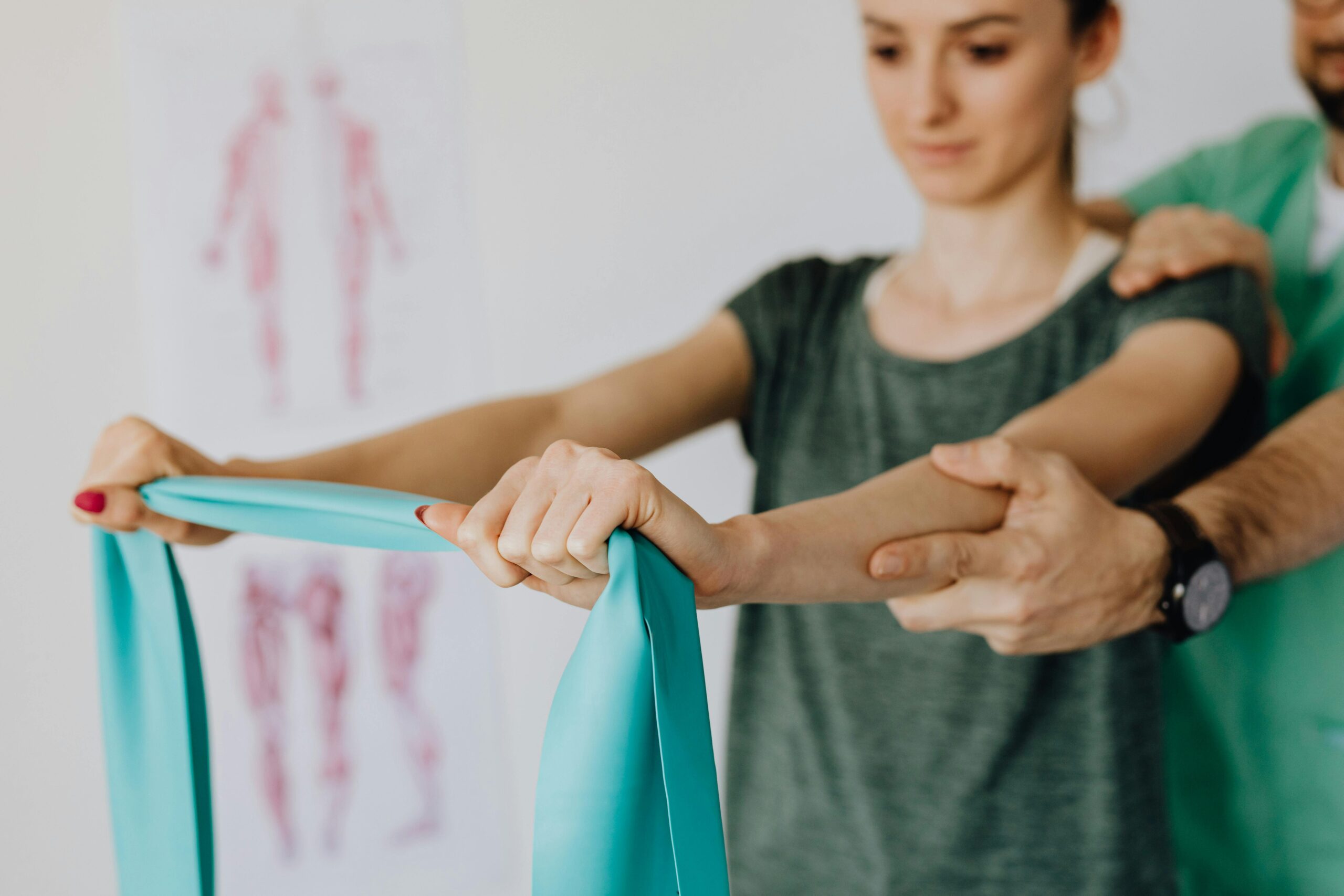
Loop a resistance band around a sturdy anchor point at hip height. Hold the band with both hands at your hip crease, then allow the band tension to pull your hips backward as you hinge. This external feedback helps your nervous system understand the proper movement direction and loading pattern.
Common Hinge Mistakes and Corrections
Even experienced athletes frequently demonstrate hinge pattern dysfunctions. Recognizing these common errors helps you avoid developing counterproductive movement habits.
The Squat-Hinge Confusion
Many people inadvertently turn their hinges into squats by allowing excessive knee flexion. While squats are valuable movements, confusing the two patterns prevents you from developing true hinge proficiency. Focus on minimal knee bend and maximal hip displacement to reinforce the distinction.
Spinal Flexion Under Load
Rounding your lower back during a hinge is perhaps the most dangerous common error. This “cash-in” of spinal position typically occurs when you lack either hip mobility or awareness of neutral positioning. If you can’t hinge to the required depth without spinal flexion, reduce the range of motion until your mobility improves.
Forward Weight Shift
When your weight shifts forward onto the balls of your feet, you’ve lost the fundamental hip-dominant character of the hinge. This error usually indicates inadequate posterior chain engagement or poor balance. Consciously driving your weight toward your heels corrects this compensation.
🏋️ Applying the Hinge Pattern Across Different Contexts
The beauty of mastering the hinge is its universal applicability. This pattern forms the foundation for numerous loaded exercises and daily activities.
The Conventional Deadlift
The deadlift represents the hinge pattern under load. All the form cues discussed apply directly: neutral spine, hip-dominant movement, posterior weight shift, and full-body tension. The deadlift is essentially a loaded hinge with the added complexity of gripping and lifting an external object.
Kettlebell Swings and Ballistic Training
The kettlebell swing adds velocity to the hinge pattern, requiring explosive hip extension. This ballistic application develops power output while reinforcing proper mechanics under dynamic conditions. The swing teaches you to generate force through hip drive rather than upper body pulling.
Romanian Deadlifts for Hamstring Development
The Romanian deadlift (RDL) emphasizes the eccentric or lowering phase of the hinge, making it exceptional for developing hamstring strength and control. The RDL typically involves a shorter range of motion than conventional deadlifts, with the weight staying off the floor between repetitions.
Daily Life Applications
Beyond structured exercise, the hinge pattern protects your spine during countless daily activities. Proper hinge mechanics when lifting grocery bags, picking up children, or retrieving items from low shelves dramatically reduces cumulative spinal stress and injury risk.
Mobility Prerequisites for Optimal Hinging
While the hinge is a fundamental pattern, certain mobility requirements must be met to execute it properly. Identifying and addressing your specific limitations accelerates your progress significantly.
Hip Flexion Mobility
Adequate hip flexion—your ability to fold at the hip joint—is non-negotiable for proper hinging. Most people need approximately 90-110 degrees of hip flexion to hinge effectively. Limited hip mobility forces compensatory spinal flexion, exactly what we’re trying to avoid.
Test your hip flexion by lying on your back and pulling one knee toward your chest while keeping the opposite leg flat. If your lower back arches significantly or the straight leg lifts off the ground, you likely have hip flexion restrictions requiring targeted mobility work.
Hamstring Length and Tension Management
Tight hamstrings frequently limit hinge depth by preventing the hips from flexing fully. However, the solution isn’t simply aggressive stretching. The hamstrings often feel “tight” because they’re weak or because your nervous system is protecting you from unstable positions.
Instead of static stretching, focus on loaded hamstring strengthening through exercises like RDLs with controlled eccentric phases. This approach simultaneously improves strength and length while teaching your nervous system to accept greater ranges of motion.
Ankle Mobility Considerations
While ankle mobility matters less for hinging than squatting, adequate dorsiflexion still contributes to overall movement quality. Restricted ankles can subtly alter weight distribution and force you into compensatory patterns. Including ankle mobility work in your warm-up routine supports optimal movement mechanics.
🧠 Neuromuscular Coordination and Motor Learning
Developing a masterful hinge isn’t just about strength or mobility—it requires sophisticated neuromuscular coordination. Your nervous system must learn to sequence muscle activation properly while inhibiting counterproductive patterns.
This motor learning process takes time and repetition. Early in your training, you’ll need conscious attention to execute proper form. With consistent practice, the pattern becomes increasingly automatic, eventually requiring minimal conscious oversight. Neuroscience research suggests this automatization process typically requires several hundred quality repetitions.
Breathing Mechanics and Intra-Abdominal Pressure
Proper breathing creates intra-abdominal pressure that stabilizes your spine during loaded hinges. The technique involves breathing deeply into your belly before initiating the movement, then maintaining this pressure throughout the lift.
Think of creating a pressurized cylinder with your torso—breath creates pressure against your abdominal wall while your core muscles contract to contain it. This “360-degree brace” provides superior spinal protection compared to simply sucking your belly in or holding your breath haphazardly.
Programming Considerations for Hinge Development
Integrating hinge pattern training into your program requires strategic planning. The hinge involves large muscle groups and significant neural demands, influencing recovery requirements and exercise sequencing.
Begin each training week with hinge pattern work while you’re neurologically fresh. Fatigue degrades motor control, increasing injury risk during technically demanding movements. Place hinges early in your sessions before smaller accessory work.
Frequency depends on your training experience and recovery capacity. Beginners benefit from 2-3 weekly hinge sessions using moderate loads and perfect technique. Advanced trainees might hinge 3-4 times weekly, varying intensities and movement variations to manage fatigue while accumulating sufficient training volume.
Assessing Your Hinge Pattern Progress 📊
Objective assessment helps you track improvement and identify persistent limitations. Regular testing provides motivation while highlighting areas requiring additional attention.
Video analysis offers invaluable feedback that surpasses subjective feel. Record your hinges from the side view, checking for neutral spine maintenance, proper hip displacement, and appropriate weight distribution. Compare videos across training cycles to document technical improvements.
Load progression serves as another progress indicator. As your hinge pattern improves, you’ll safely handle heavier weights while maintaining technical precision. However, never sacrifice form for load—building compensation patterns ultimately limits your long-term development.

Unlocking Your Movement Potential Through Hinge Mastery
The hip hinge represents far more than a single exercise or movement pattern. It’s a fundamental skill that influences your entire movement vocabulary, athletic performance, and long-term physical health. When you invest time mastering this essential pattern, the dividends compound across every aspect of your physical life.
Your journey toward hinge mastery requires patience, consistent practice, and honest self-assessment. The payoff—increased strength, enhanced resilience, and efficient movement—makes this investment one of the most valuable you can make in your physical development. Every quality repetition refines your motor control, bringing you closer to movement excellence that serves you both in the gym and throughout daily life.
Start where you are, progress systematically, and remain committed to quality over quantity. Your body will reward your dedication with capabilities you might not have imagined possible, all built on the foundation of this simple yet profound movement pattern. 🎯