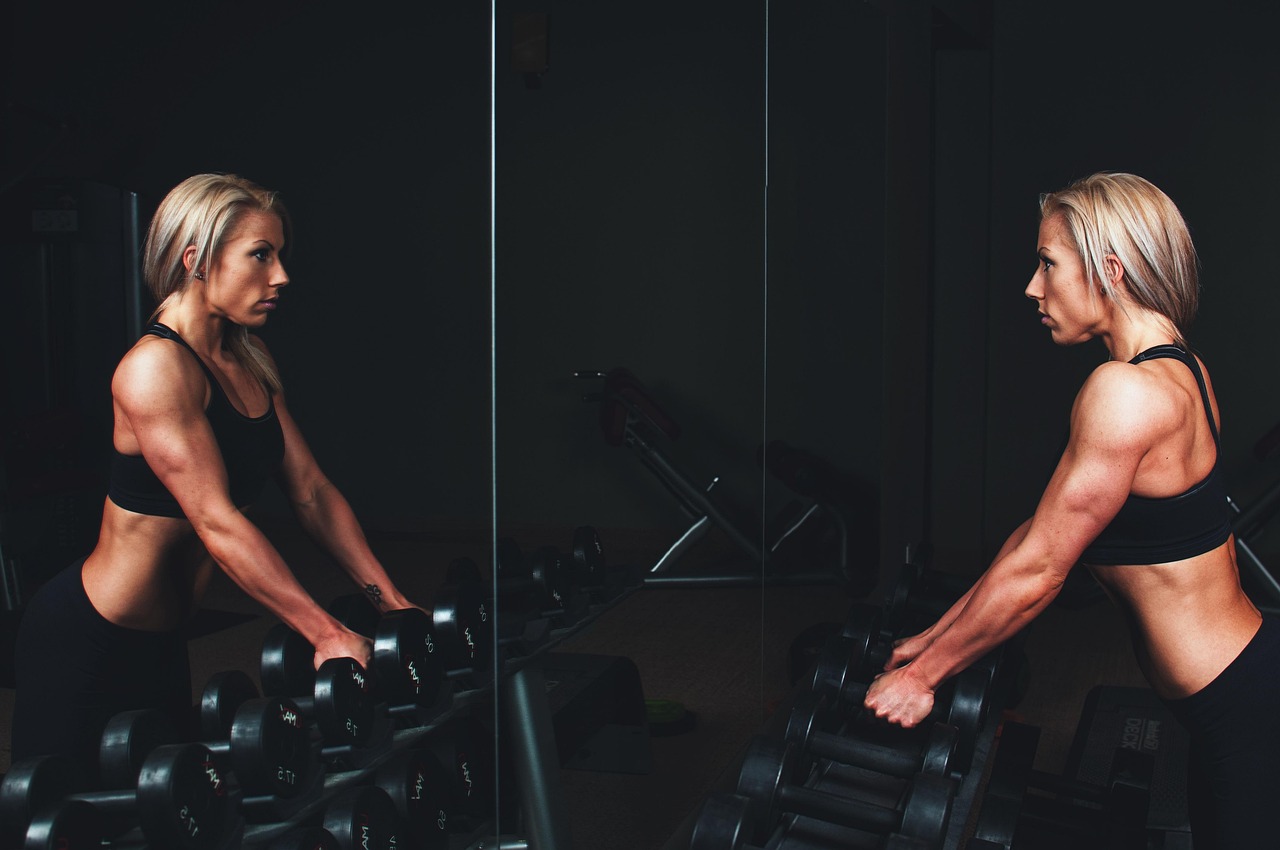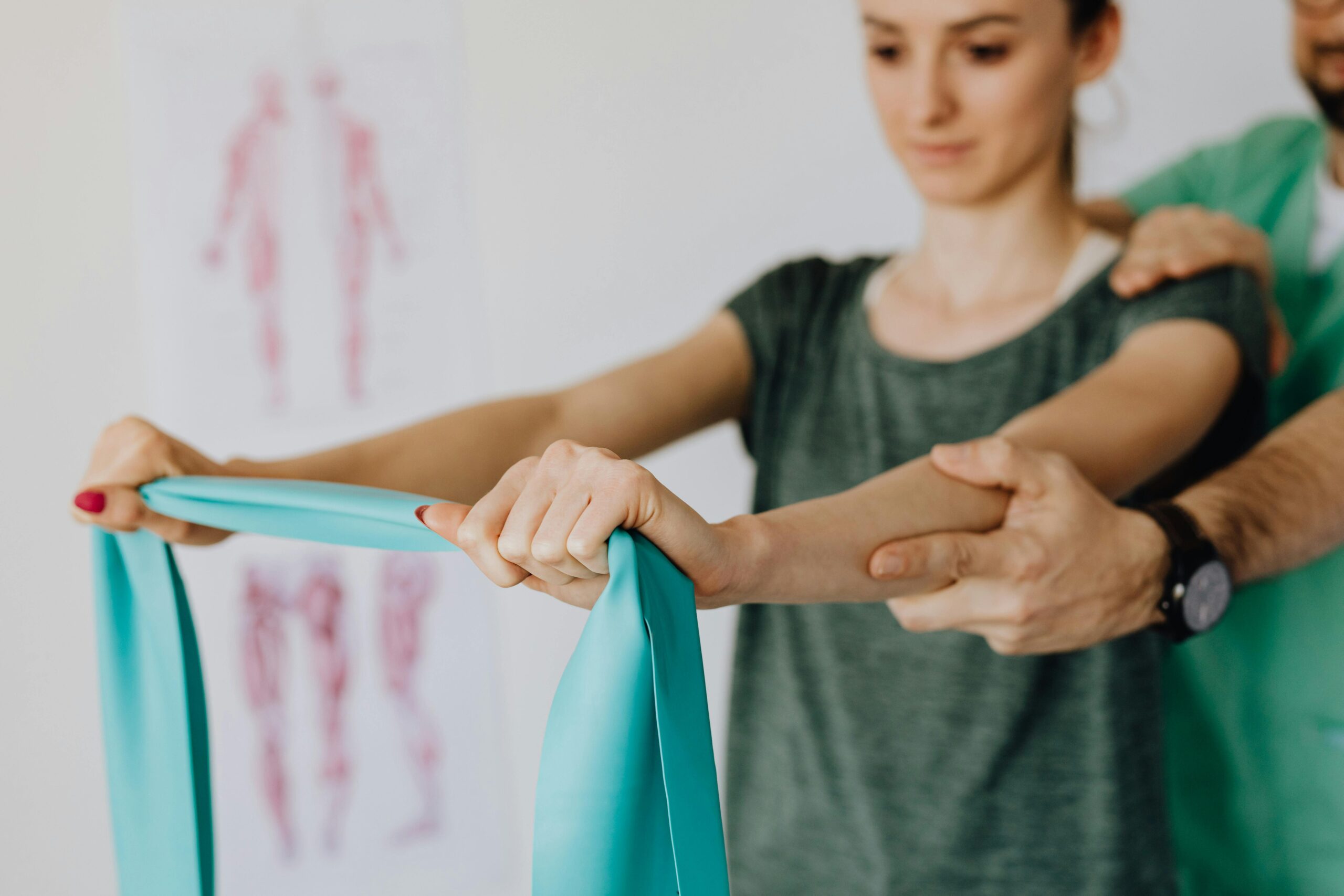
Achieving fitness goals doesn’t require expensive gym memberships or bulky equipment. With the right knowledge and dedication, you can master perfect form at home and build a stronger, healthier body using minimal gear.

Home workouts have revolutionized the fitness landscape, offering convenience, privacy, and cost-effectiveness. Whether you’re a beginner or an experienced athlete, understanding proper form is the foundation of any successful training program. This comprehensive guide will walk you through everything you need to know about performing effective workouts in your own space while minimizing injury risk and maximizing results.
🏋️ Why Perfect Form Matters More Than Equipment
Before investing in fancy workout gear, it’s crucial to understand that proper form trumps everything else. Many fitness enthusiasts make the mistake of focusing on how much weight they can lift or how many reps they can complete, completely ignoring their technique. This approach leads to injuries, muscle imbalances, and disappointing results.
Perfect form ensures that you’re targeting the intended muscle groups effectively. When you perform exercises with correct alignment and controlled movements, you create optimal tension in the muscles, leading to better strength gains and hypertrophy. Additionally, proper technique protects your joints and connective tissues from unnecessary stress.
Studies have shown that bodyweight exercises performed with excellent form can be just as effective as weighted exercises for building strength and muscle mass, especially for beginners and intermediate fitness enthusiasts. The key is understanding movement patterns and maintaining strict control throughout each repetition.
Essential Minimal Gear for Home Workouts 💪
While bodyweight exercises form the foundation of home training, a few inexpensive pieces of equipment can significantly expand your exercise options and progression potential. Here’s what you actually need:
- Resistance Bands: Versatile, portable, and affordable, these provide variable resistance for dozens of exercises
- Adjustable Dumbbells: If budget allows, a set of adjustable dumbbells offers incredible exercise variety
- Yoga Mat: Essential for floor work, providing cushioning and grip
- Pull-up Bar: Doorway-mounted bars enable one of the most effective upper body exercises
- Stability Ball: Great for core work and adding instability to traditional exercises
The beauty of minimal gear is that it forces you to focus on movement quality rather than relying on machines to guide your form. This develops better body awareness and functional strength that translates to real-world activities.
Mastering the Fundamental Movement Patterns 🎯
All exercises can be categorized into several fundamental movement patterns. Mastering these patterns with perfect form is your ticket to a well-rounded, injury-free fitness routine.
The Push Pattern
Pushing movements work your chest, shoulders, and triceps. The push-up is the king of bodyweight pushing exercises. To perform a perfect push-up, start in a plank position with hands slightly wider than shoulder-width. Keep your body in a straight line from head to heels, engaging your core throughout. Lower yourself until your chest nearly touches the floor, keeping your elbows at a 45-degree angle from your body. Press back up while maintaining full-body tension.
Common mistakes include flaring the elbows out too wide, sagging hips, or not achieving full range of motion. Record yourself from the side to check your form, or use a mirror for immediate feedback.
The Pull Pattern
Pulling exercises target your back muscles, biceps, and rear shoulders. If you have a pull-up bar, the pull-up and its variations are unmatched for back development. Start with a dead hang, shoulders engaged (not relaxed). Pull yourself up by driving your elbows down and back, focusing on squeezing your shoulder blades together. Your chin should clear the bar at the top.
If pull-ups are too challenging, start with inverted rows using a sturdy table or low bar. Resistance band rows are also excellent alternatives that allow you to master the pulling pattern with proper form.
The Squat Pattern
Squatting is fundamental to lower body strength and functionality. For a perfect bodyweight squat, stand with feet shoulder-width apart, toes slightly pointed out. Initiate the movement by pushing your hips back as if sitting into a chair. Keep your chest up and weight on your heels. Descend until your thighs are at least parallel to the ground, ensuring your knees track over your toes without collapsing inward.
The squat pattern appears in countless daily activities, making it one of the most important movements to master. Practice in front of a mirror or record yourself to ensure proper knee and hip alignment.
The Hinge Pattern
Hip hinges work your posterior chain—glutes, hamstrings, and lower back. Single-leg Romanian deadlifts are perfect for home training. Stand on one leg, maintain a slight bend in the knee, and push your hips back while lowering your torso forward. Your back should remain straight throughout, and you should feel a stretch in your hamstring. Return to standing by driving your hips forward and squeezing your glutes.
This pattern is crucial for preventing lower back injuries and developing powerful hip extension, which translates to better athletic performance and everyday function.
Building Your Perfect Form Training Program 📋
Now that you understand the fundamental patterns, it’s time to structure a comprehensive program. A well-designed home workout routine should balance all movement patterns, allow for adequate recovery, and progressively challenge your body.
Weekly Structure for Beginners
If you’re new to fitness or returning after a long break, start with three full-body workouts per week, allowing at least one rest day between sessions. Each workout should include one exercise from each fundamental pattern, performed for 3-4 sets of 8-12 repetitions. Focus entirely on form rather than speed or volume.
Example beginner week: Monday (full-body), Wednesday (full-body), Friday (full-body), with active recovery like walking or gentle stretching on other days.
Intermediate Progressive Overload
Once you’ve mastered basic form and built a foundation of strength, you can increase frequency to 4-5 days per week and implement progressive overload. This means gradually increasing the challenge through various methods: adding reps, increasing time under tension, shortening rest periods, or progressing to more difficult exercise variations.
Consider splitting your training into upper/lower body days or push/pull/legs routines. This allows you to train more frequently while giving muscle groups adequate recovery time.
Form-Focused Training Techniques 🔍
Several training techniques specifically help you develop and maintain perfect form while still challenging your muscles effectively.
Tempo Training
Controlling the speed of your repetitions dramatically improves form and muscle engagement. Try a 3-1-3-1 tempo: three seconds lowering, one second pause at the bottom, three seconds lifting, one second pause at the top. This controlled pace eliminates momentum and forces you to maintain proper positioning throughout the entire range of motion.
Pause Reps
Adding a 2-3 second pause at the most challenging point of an exercise (usually the bottom position) removes the stretch reflex and ensures you’re using proper muscle activation rather than bouncing through the movement. This technique is incredibly effective for mastering form and building strength in weak positions.
Isometric Holds
Holding positions like plank, wall sit, or the bottom of a squat teaches your body to maintain proper alignment under tension. These holds build tremendous core stability and body awareness, which directly improves form in dynamic exercises.
Using Technology to Perfect Your Form 📱
Modern technology offers incredible tools for monitoring and improving your exercise technique at home. Your smartphone is a powerful coaching device when used strategically.
Recording your workouts from multiple angles allows you to analyze your form objectively. Set up your phone on a stable surface and record a few sets of each exercise. Compare your form to instructional videos from qualified trainers, looking specifically at joint angles, spine position, and movement smoothness.
Fitness apps can provide structured workout programs, form cues, and progress tracking. Many offer video demonstrations showing perfect form from multiple angles, along with common mistakes to avoid.
Some advanced applications use your phone’s camera and AI technology to provide real-time form feedback, analyzing your movement patterns and alerting you to technique issues as they happen. While not perfect, these tools can be valuable supplements to your training education.
Common Form Mistakes and How to Fix Them ⚠️
Even with the best intentions, certain form mistakes appear repeatedly in home workouts. Recognizing and correcting these issues will accelerate your progress and keep you safe.
Compensatory Movement Patterns
Your body naturally finds the path of least resistance. If a muscle is weak or tight, other muscles will compensate, leading to poor form. For example, if your glutes are weak, your lower back may take over during squats, increasing injury risk. Address these imbalances with targeted mobility work and activation exercises before your main workout.
Insufficient Core Engagement
Nearly every exercise requires core stability, yet many people train with relaxed midsections. Before each set, practice bracing your core as if preparing for someone to punch your stomach. This full-body tension protects your spine and improves force transfer between upper and lower body.
Rushing Through Reps
Speed often destroys form. While explosive training has its place, most home workouts benefit from controlled, deliberate repetitions. If you can’t maintain perfect form throughout the entire set, you’re either going too fast or the exercise is too difficult—scale back and rebuild with proper technique.
Progression Strategies Without Adding Weight 🚀
One concern about minimal gear workouts is how to continue progressing. Fortunately, numerous methods allow you to increase difficulty while maintaining perfect form.
Leverage Changes: Adjusting your body position changes the exercise difficulty dramatically. For example, progressing from knee push-ups to regular push-ups to decline push-ups to one-arm push-ups represents massive strength increases without any equipment.
Unilateral Training: Single-leg or single-arm variations roughly double the challenge on the working limb while improving balance and addressing strength imbalances. Bulgarian split squats, single-leg deadlifts, and one-arm rows are excellent progressions.
Increased Range of Motion: Using elevated surfaces to increase the distance you move adds difficulty. Push-ups with hands on blocks allowing your chest to sink lower, or deficit squats standing on platforms, both increase the challenge significantly.
Instability Training: Performing exercises on unstable surfaces like a stability ball forces your stabilizer muscles to work harder. However, ensure you’ve mastered the exercise on stable ground first—never sacrifice form for instability.
Recovery and Mobility: The Hidden Form Enhancers 🧘
Perfect form isn’t just about what happens during your workout. Your body’s mobility, flexibility, and recovery status directly impact your ability to maintain proper positions during exercises.
Tight hips prevent proper squat depth. Limited shoulder mobility compromises overhead pressing form. Inadequate recovery leaves you fatigued, making it difficult to maintain tension and control. Address these factors as seriously as you approach your training.
Dedicate 10-15 minutes daily to mobility work, focusing on areas that limit your exercise form. Hip flexor stretches, thoracic spine rotations, and shoulder dislocations with a band or towel are particularly valuable for most people. This investment pays massive dividends in exercise performance and injury prevention.
Quality sleep, adequate protein intake, and proper hydration all support recovery and your ability to train with excellent form. When you’re well-recovered, your nervous system functions optimally, allowing precise motor control and proper muscle activation patterns.
Creating Your Optimal Training Environment at Home 🏠
Your workout space significantly influences your training quality. You don’t need a dedicated home gym, but thoughtfully arranging your training area improves focus and form.
Clear sufficient space for exercises in all directions. Nothing disrupts form faster than worrying about hitting furniture. Ensure adequate lighting so you can see your body positions clearly. A mirror, if available, provides immediate form feedback, though it’s not essential.
Minimize distractions during workouts. Silence notifications, choose a time when interruptions are unlikely, and create a mental boundary around your training time. Focused attention on form and muscle engagement produces far better results than distracted, rushed workouts.
Consider the flooring surface. Hard floors work for most exercises but may be uncomfortable for floor work without a mat. If you’re doing jumping exercises in an apartment, a thick mat or foam tiles can reduce noise and impact.
Measuring Progress Beyond the Scale 📊
When you’re training for perfect form with minimal gear, traditional metrics like weight lifted don’t apply. Instead, track progress through multiple meaningful indicators.
| Progress Metric | How to Track | Why It Matters |
|---|---|---|
| Form Quality | Video analysis monthly | Primary indicator of technique mastery |
| Reps at Tempo | Workout log with tempo notation | Shows strength gains with controlled form |
| Exercise Variations | Note progressions achieved | Demonstrates advancing skill level |
| Recovery Time | Soreness and energy levels | Indicates adaptation and conditioning |
| Body Composition | Photos and measurements monthly | Visual results of consistent training |
Celebrate form victories—the first perfectly executed pistol squat, holding a plank with impeccable alignment for three minutes, or completing a set of pull-ups with full range of motion. These achievements represent genuine progress that builds a foundation for lifelong fitness.
Staying Motivated on Your Form-First Journey 🎉
Training at home with minimal equipment requires self-discipline and intrinsic motivation. Without the external accountability of a gym or trainer, you must cultivate internal drive.
Set process-based goals rather than outcome-based ones. Instead of “lose 20 pounds,” aim for “complete four workouts weekly with perfect form.” This focus keeps you engaged with the daily actions that produce results rather than fixating on distant outcomes.
Document your journey through photos, videos, and training logs. Looking back at your starting point provides powerful motivation during plateaus. Seeing your form improve over months of dedicated practice is incredibly rewarding and reinforces the value of your approach.
Connect with online communities focused on bodyweight training and home fitness. Sharing your progress, asking form questions, and supporting others creates accountability and inspiration. Many successful home fitness enthusiasts credit community support as crucial to their long-term consistency.
Remember that mastering perfect form is a journey without a final destination. There’s always subtle refinement possible, new variations to learn, and deeper mind-muscle connections to develop. Embrace this ongoing process rather than seeking a finish line, and you’ll maintain motivation for years to come.
Training at home with minimal gear and perfect form isn’t a compromise or limitation—it’s a philosophy that prioritizes movement quality, body awareness, and sustainable progress. By focusing on mastering fundamental patterns, implementing smart progression strategies, and maintaining consistency, you can achieve remarkable fitness results in your own space. The equipment you need is minimal, but the potential for transformation is unlimited when you commit to excellence in every repetition.