Single-leg training represents one of the most effective yet underutilized methods for building true functional strength. This comprehensive guide will transform your understanding of balance, stability, and unilateral power development.

Whether you’re an athlete looking to enhance performance, a fitness enthusiast seeking to break through plateaus, or someone recovering from injury, mastering single-leg exercises will revolutionize your training approach. The benefits extend far beyond simple balance improvements, impacting everything from injury prevention to explosive power generation.
🔥 Why Single-Leg Training Changes Everything
Traditional bilateral exercises like squats and deadlifts have their place, but they mask a critical weakness many people carry: significant strength imbalances between sides. When you train on one leg, there’s nowhere to hide. Your dominant side can’t compensate for your weaker side, forcing both legs to develop equally.
Research consistently demonstrates that single-leg exercises activate stabilizer muscles at significantly higher rates than bilateral movements. The demand on your core, hip stabilizers, and ankle proprioceptors creates a neuromuscular adaptation that transfers directly to sports performance and daily activities.
Beyond muscle activation, unilateral training directly addresses the reality of human movement. Running, climbing stairs, kicking, and most athletic movements occur on one leg at a time. Training in this manner creates functional strength that actually applies to how you move in the real world.
The Science Behind Balance and Stability
Balance is not a simple skill—it’s a complex interplay between your vestibular system, visual input, proprioceptive feedback, and muscular coordination. When you challenge this system through single-leg exercises, you’re essentially upgrading your body’s operating system.
Your proprioceptors—sensory receptors located in muscles, tendons, and joints—provide constant feedback about body position in space. Single-leg training dramatically enhances this feedback loop, improving your body’s ability to make micro-adjustments that prevent falls and injuries.
Studies show that improved balance correlates strongly with reduced injury risk, particularly for knee and ankle injuries. The enhanced neuromuscular control developed through unilateral training means your body can react more quickly and effectively to unexpected forces or unstable surfaces.
💪 Core Benefits of Single-Leg Training Programs
The advantages of incorporating single-leg exercises into your routine extend across multiple dimensions of fitness and functional capability. Understanding these benefits will motivate you to prioritize this training method.
Injury Prevention and Rehabilitation
Single-leg exercises are invaluable for identifying and correcting asymmetries before they lead to injury. Physical therapists consistently use unilateral assessments to identify dysfunction and prescribe corrective exercises. By incorporating these movements proactively, you address weaknesses before they become problems.
The controlled instability inherent in single-leg work strengthens the small stabilizing muscles around joints, particularly the ankles and knees. These muscles act as your body’s shock absorbers and steering mechanisms, reducing stress on passive structures like ligaments and cartilage.
Enhanced Athletic Performance
Athletes across all sports benefit from improved unilateral strength and balance. Runners experience better economy of movement, basketball players demonstrate superior cutting ability, and soccer players generate more powerful kicks. The transfer effect from single-leg training to sport-specific movements is remarkably direct.
Explosive power development also improves through single-leg plyometric exercises. Training one leg at a time allows you to develop greater force production per leg than bilateral exercises typically permit, ultimately increasing your total power output.
Functional Strength for Daily Living
Everyday activities—walking up stairs, getting out of chairs, maintaining balance on uneven ground—all require single-leg stability and strength. As we age, balance becomes increasingly important for maintaining independence and preventing falls, which represent a leading cause of injury in older adults.
🎯 The Ultimate Single-Leg Training Progression
A well-designed single-leg program progresses systematically from basic stability exercises to advanced strength and power movements. This progression ensures you build a solid foundation before advancing to more challenging variations.
Level 1: Foundation and Stability
Begin your single-leg journey with exercises that emphasize balance and control before adding significant load or complexity. These foundational movements teach proper alignment and activate the stabilizing muscles necessary for more advanced work.
Single-Leg Stance: Simply standing on one leg for 30-60 seconds challenges your balance system and activates stabilizers throughout your lower body and core. Progress by closing your eyes, standing on an unstable surface, or adding head movements.
Single-Leg Romanian Deadlift (Bodyweight): This hip hinge pattern develops posterior chain strength while demanding significant balance control. Focus on maintaining a neutral spine and controlled movement throughout the range of motion.
Reverse Lunges: Stepping backward reduces knee stress compared to forward lunges while building unilateral leg strength. The controlled descent and ascent teach proper movement mechanics and develop eccentric strength.
Level 2: Strength Development
Once you’ve established solid balance and movement patterns, progressively add load and complexity to build genuine single-leg strength. This phase transforms stability into functional power.
Bulgarian Split Squats: This exercise ranks among the most effective lower-body strength builders. The elevated rear foot creates a greater range of motion and increased load on the working leg, producing substantial strength adaptations.
Loaded Single-Leg Romanian Deadlifts: Adding weight to the hip hinge pattern develops serious posterior chain strength. Use dumbbells, kettlebells, or a barbell to progressively overload this fundamental movement.
Step-Ups: Stepping onto elevated platforms with additional weight builds functional strength that transfers directly to stair climbing and hill running. Vary the height and load to continue progression.
Level 3: Power and Advanced Movements
Advanced single-leg training incorporates plyometric elements and complex movement patterns that develop explosive power and dynamic stability. These exercises should only be attempted after mastering the previous levels.
Single-Leg Bounds: This plyometric exercise develops explosive power in the horizontal plane. Focus on maximum distance while maintaining control upon landing.
Pistol Squats: The ultimate bodyweight single-leg strength exercise requires tremendous strength, mobility, and balance. Progress gradually using assistance until you can perform full-range pistol squats unassisted.
Single-Leg Box Jumps: Combining vertical power production with single-leg stability creates a highly demanding exercise that develops explosive strength and landing mechanics simultaneously.
📋 Sample Weekly Training Structure
Integrating single-leg work into your existing program requires strategic planning to ensure adequate recovery while maximizing adaptation. Here’s a framework that balances unilateral and bilateral training effectively.
| Day | Focus | Key Exercises | Sets x Reps |
|---|---|---|---|
| Monday | Lower Strength | Bulgarian Split Squats, Single-Leg RDLs | 3-4 x 8-10 per leg |
| Wednesday | Power & Stability | Single-Leg Bounds, Box Step-Ups | 3 x 5-6 per leg |
| Friday | Strength Endurance | Reverse Lunges, Single-Leg Glute Bridges | 3 x 12-15 per leg |
| Daily | Balance Practice | Single-Leg Stance variations | 2-3 x 30-60 seconds |
This structure provides three dedicated single-leg training sessions weekly, with daily balance work to continually challenge your proprioceptive system. Adjust volume and intensity based on your recovery capacity and training experience.
⚠️ Common Mistakes and How to Avoid Them
Even experienced exercisers make critical errors when beginning single-leg training. Recognizing and correcting these mistakes accelerates your progress and reduces injury risk.
Progressing Too Quickly
The most common error involves advancing to challenging variations before establishing proper stability and movement patterns. Rushing through progressions leads to compensation patterns that undermine the benefits of unilateral training and increase injury risk.
Spend adequate time at each progression level. If you can’t perform an exercise with excellent form for the prescribed repetitions, you’re not ready to advance. Quality always trumps difficulty in single-leg training.
Neglecting the Weaker Side
Many people perform fewer repetitions or use less weight on their weaker side, perpetuating existing imbalances. Always match the volume and load on both sides, even if your weaker leg struggles more. This approach forces both sides to adapt equally over time.
Poor Alignment and Compensation Patterns
Watch for knee valgus (inward collapse), excessive trunk lean, or foot pronation during single-leg exercises. These compensations indicate inadequate strength or mobility in specific areas. Address these issues with corrective exercises rather than pushing through with poor form.
🏋️ Equipment and Tools for Enhanced Training
While bodyweight exercises provide an excellent foundation, certain equipment can enhance your single-leg training program by adding variety, progression options, and specific stability challenges.
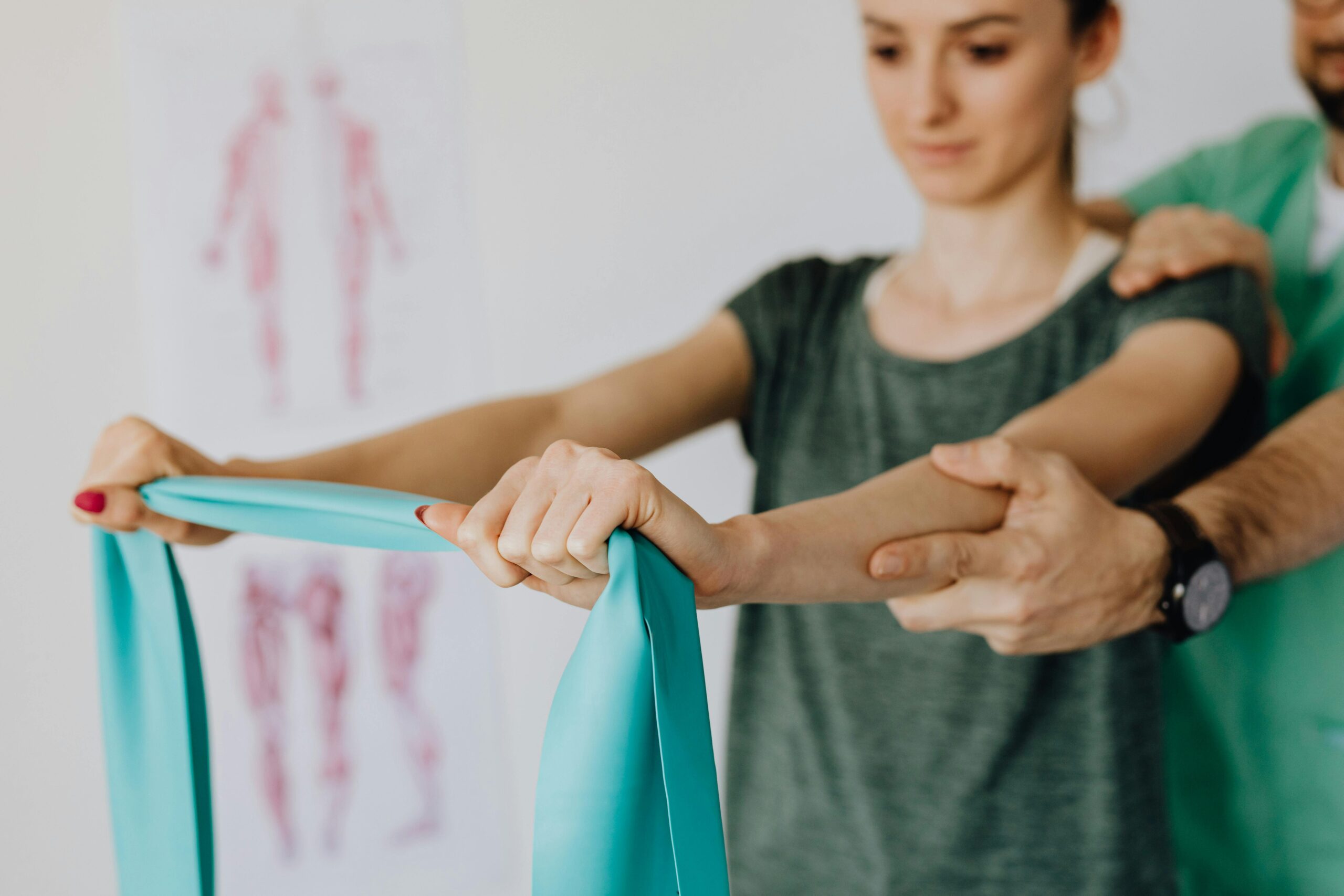
Resistance Bands: Perfect for adding accommodating resistance to single-leg exercises or providing assistance during challenging movements like pistol squats. Bands also enable effective single-leg hip strengthening exercises.
Balance Pads and BOSU Balls: These unstable surfaces increase the balance challenge of basic exercises, forcing greater stabilizer activation. Use strategically rather than exclusively, as solid ground training remains essential.
Suspension Trainers: TRX-style systems allow for scalable assistance during difficult single-leg exercises, making advanced movements accessible while you build strength toward unassisted versions.
Dumbbells and Kettlebells: Essential for progressively loading single-leg movements. Kettlebells particularly excel for single-leg deadlift variations due to their design and center of mass.
Mobility Requirements for Optimal Performance
Single-leg exercises often expose mobility limitations that bilateral movements mask. Addressing these restrictions enhances your ability to perform unilateral exercises with proper form and full range of motion.
Hip mobility proves especially critical for single-leg training success. Restrictions in hip flexion, extension, or internal rotation limit your ability to perform exercises like Bulgarian split squats and pistol squats effectively. Incorporate targeted hip mobility work into your warm-up routine.
Ankle dorsiflexion—the ability to bring your shin forward over your foot—significantly impacts single-leg squat patterns. Limited dorsiflexion forces compensations higher up the kinetic chain, typically appearing as excessive forward trunk lean or heel elevation.
Thoracic spine mobility influences your ability to maintain an upright posture during single-leg exercises. A stiff mid-back forces excessive compensation from the lower back, increasing injury risk and reducing exercise effectiveness.
🎓 Programming Strategies for Long-Term Success
Sustainable progress in single-leg training requires thoughtful programming that balances challenge with recovery, varies stimuli, and periodically tests progress to ensure continued adaptation.
Periodization Principles
Cycle through different training emphases to prevent plateaus and ensure comprehensive development. Spend 3-4 weeks focusing on stability and motor control, followed by 4-6 weeks emphasizing strength development, then 2-3 weeks incorporating power elements.
This wavelike progression prevents overuse injuries while systematically developing all aspects of single-leg capability. After completing a full cycle, reassess your starting point—you’ll likely handle what once seemed like advanced exercises with relative ease.
Deload and Recovery Weeks
Every 4-6 weeks of progressive training, implement a deload week with reduced volume (approximately 50% of normal training load) to facilitate recovery and adaptation. Single-leg exercises are neurologically demanding, and strategic recovery prevents accumulated fatigue from derailing progress.
Tracking Progress Effectively
Document your single-leg training performance meticulously. Record not just weight and repetitions, but also subjective balance quality, fatigue levels, and any compensation patterns you notice. This detailed tracking reveals patterns and guides programming adjustments.
Regular assessment through standardized tests provides objective progress markers. Time how long you can hold a single-leg stance with eyes closed, or test your maximum single-leg box jump height quarterly to quantify improvements.
Nutrition and Recovery for Unilateral Training
The neuromuscular demands of single-leg training require adequate nutritional support and recovery strategies to maximize adaptation and prevent overtraining.
Protein intake remains crucial for muscle repair and growth. Aim for 1.6-2.2 grams per kilogram of body weight daily, distributed across multiple meals to optimize muscle protein synthesis throughout the day.
Sleep quality directly impacts balance, coordination, and strength development. The motor learning component of single-leg training particularly depends on adequate sleep for consolidation of neural adaptations. Prioritize 7-9 hours of quality sleep nightly.
Hydration affects proprioception and neuromuscular function. Even mild dehydration impairs balance and coordination, undermining the benefits of your training. Maintain consistent hydration throughout the day, particularly before training sessions.
🚀 Taking Your Single-Leg Training to the Next Level
Once you’ve mastered the fundamentals and established a consistent training rhythm, these advanced strategies will continue challenging your balance, strength, and stability capabilities.
Incorporate tempo variations to increase time under tension and challenge stability throughout different phases of movement. Try 3-second eccentric lowering phases in Bulgarian split squats or 2-second pauses at the bottom of single-leg deadlifts.
Add complexity through multi-planar movements that challenge stability in different directions. Lateral step-ups, single-leg rotational deadlifts, and curtsy lunges develop strength and balance across all movement planes.
Implement unilateral loading strategies where you hold weight on only one side during single-leg exercises. This creates additional anti-rotation and anti-lateral flexion demands on your core, building even greater functional stability.
Your Path to Mastery Starts Now
Transforming your balance, stability, and unilateral strength doesn’t happen overnight, but consistent application of these principles produces remarkable results. Start where you are, progress systematically, and trust the process.
Single-leg training represents a paradigm shift from simply moving weight to developing true functional capability. The strength, balance, and body awareness you develop through dedicated unilateral work creates a foundation for lifelong movement quality and injury resilience.
Begin today with simple single-leg stance holds and gradually progress through the levels outlined in this guide. Your future self—stronger, more balanced, and more capable—will thank you for the investment you make in mastering single-leg training. The journey to exceptional balance and stability starts with that first challenging step on one leg. 💪