
Core strength isn’t just about flashy six-pack abs or endless crunches. True functional stability comes from mastering anti-rotation and anti-extension movements that protect your spine.

These foundational movement patterns train your midsection to resist unwanted motion, creating a bulletproof core that transfers power efficiently while keeping your back safe during daily activities and athletic performance. Whether you’re lifting groceries, swinging a golf club, or deadlifting heavy weight, anti-rotation and anti-extension exercises build the ironclad stability your body desperately needs.
🛡️ Understanding Anti-Rotation and Anti-Extension Core Training
Before diving into progressions, you need to understand what these terms actually mean and why they matter more than traditional core exercises.
Anti-rotation training teaches your core to resist rotational forces. Think of standing upright while someone tries to twist your torso—your obliques, transverse abdominis, and deep stabilizers work overtime to keep you steady. This translates directly to sports performance, injury prevention, and everyday movements where your spine needs to stay neutral despite external forces.
Anti-extension work focuses on preventing your lower back from arching excessively. When you carry something heavy in front of you or hold a plank position, gravity tries to pull your lumbar spine into hyperextension. Your anterior core muscles must engage to maintain proper spinal alignment and prevent lower back strain.
Why Traditional Crunches Fall Short
Standard sit-ups and crunches only train your core through one plane of motion—flexion. Real-world activities require your midsection to stabilize against multiple forces simultaneously. Anti-rotation and anti-extension exercises create functional strength that actually protects your spine during complex movements.
Research consistently shows that people with better anti-rotation and anti-extension strength experience fewer back injuries and demonstrate superior athletic performance. Your core’s primary job is stability, not movement, making these exercise categories essential for anyone serious about building genuine strength.
💪 Anti-Rotation Progression: From Beginner to Advanced
Proper progression prevents injury while systematically building bulletproof rotational stability. Start conservatively and master each level before advancing.
Level 1: Pallof Press Iso Hold
The Pallof press iso hold serves as your foundation for anti-rotation training. Attach a resistance band or cable at chest height, stand perpendicular to the anchor point, and hold the handle at your sternum with both hands. Press the handle straight out in front of your chest and hold this position for 20-30 seconds, resisting the band’s pull to rotate your torso.
Focus on keeping your shoulders square, hips level, and breathing naturally. Your entire core should feel engaged, especially the obliques on the side closest to the anchor point. This exercise teaches basic anti-rotation mechanics without movement complexity.
Level 2: Pallof Press with Movement
Once you can hold the iso position comfortably for 30 seconds, add controlled pressing movement. From the same starting position, slowly press the handle away from your chest, pause briefly, then bring it back to your sternum. The key challenge is maintaining perfectly square shoulders throughout the entire range of motion.
Perform 3 sets of 10-12 repetitions per side, focusing on control rather than speed. If your torso rotates even slightly during the press, reduce the resistance and prioritize proper form.
Level 3: Half-Kneeling Pallof Press
The half-kneeling position reduces your base of support, dramatically increasing core stabilization demands. Kneel on the knee furthest from the anchor point while keeping your other foot planted forward at 90 degrees. This stance creates an inherently less stable position that forces deeper core engagement.
Perform the same pressing movement from this position, maintaining perfectly vertical torso alignment. You’ll notice your hip stabilizers and obliques working significantly harder. This variation builds exceptional functional strength for rotational sports and unilateral movements.
Level 4: Split-Stance Pallof Press with Step
Add dynamic movement by stepping forward as you press the handle away, then stepping back as you return to the starting position. This coordination challenge mimics real-world scenarios where you must maintain core stability while your body moves through space.
The stepping action tries to pull your torso into rotation, making your anti-rotation muscles work overtime. Start with small steps and gradually increase the range of motion as your control improves.
Level 5: Single-Arm Landmine Press
Place a barbell in a landmine attachment or corner, load one end with weight, and press it overhead with one arm while standing. The offset load creates massive rotational forces that your core must resist to keep your torso centered.
This advanced anti-rotation exercise builds incredible functional strength while also developing shoulder stability and total-body coordination. Start light and focus on preventing any torso rotation or side-bending during the press.
🔒 Anti-Extension Progression: Building Plank Power
Anti-extension training protects your lower back from the hyperextension that causes most chronic pain issues. These progressions build bulletproof anterior core strength.
Level 1: Plank Hold on Knees
Begin with a modified plank position on your knees rather than your toes. Place your forearms on the ground with elbows directly under shoulders, engage your core, and create a straight line from head to knees. Hold for 30-60 seconds while maintaining a neutral spine position.
The shorter lever arm reduces the challenge, allowing you to master proper positioning before advancing. Focus on engaging your abs to prevent your hips from sagging toward the floor—this hip sag represents the anti-extension failure you’re training to prevent.
Level 2: Standard Plank Hold
Progress to a full plank on your toes, creating a straight line from head to heels. Your body weight creates a significantly stronger extension force trying to pull your lower back into an arch. Squeeze your glutes, engage your abs, and breathe steadily while holding for 45-60 seconds.
Common mistakes include holding your breath, allowing your hips to pike upward, or letting your lower back sag. Film yourself from the side to ensure proper alignment throughout the entire hold.
Level 3: Plank with Alternating Arm Lift
From a standard plank position, slowly lift one hand off the ground and reach it forward for 2-3 seconds, then return it to the floor and repeat with the opposite arm. Removing one support point dramatically increases anti-rotation and anti-extension demands simultaneously.
The key challenge is preventing any torso rotation or hip sagging when you lift your hand. Your remaining arm, opposite leg, and entire core must work together to maintain perfect alignment. Perform 3 sets of 8-10 lifts per side.
Level 4: Body Saw
Place your feet on furniture sliders, a towel on smooth flooring, or specialized workout sliders. From a plank position, slowly slide your body backward by pushing through your forearms, extending your body 4-6 inches, then pull yourself back to the starting position.
This back-and-forth movement constantly changes the lever arm length and force angle, creating exceptional anti-extension demands. Your core must work throughout the entire range of motion rather than just holding one static position.
Level 5: Ab Wheel Rollout
The ab wheel rollout represents one of the most challenging anti-extension exercises available. Kneel on a mat with both hands gripping an ab wheel, then slowly roll the wheel forward while maintaining a neutral spine. Roll out as far as you can control without your hips sagging, then pull yourself back to the starting position.
Most people can only roll out a few inches at first—that’s perfectly normal. As your anti-extension strength improves, you’ll gradually roll further until you can achieve a nearly full extension. Eventually, progress to standing rollouts for the ultimate anti-extension challenge.
⚡ Advanced Combination Movements for Elite Stability
Once you’ve mastered basic anti-rotation and anti-extension progressions individually, combine them for maximum core development.
Bird Dog Exercise
Start on hands and knees in a tabletop position. Simultaneously extend your right arm forward and left leg backward, creating a straight line from fingertips to toes. Hold for 3-5 seconds, return to the starting position, then repeat with opposite limbs.
This deceptively challenging exercise combines anti-rotation and anti-extension demands while also building balance and coordination. Your core must prevent both rotation and extension while maintaining stability on just two support points.
Single-Leg Romanian Deadlift
Standing on one leg, hinge at the hip while reaching toward the ground with both hands, extending your free leg behind you for counterbalance. Your core must resist both rotation and extension forces while your hip stabilizers work to maintain balance.
This functional movement pattern translates directly to athletic performance and daily activities. Start with bodyweight only, then progress to holding dumbbells or kettlebells for additional resistance.
Suitcase Carry
Hold a heavy dumbbell or kettlebell in one hand and walk for 30-60 seconds. The offset load tries to pull your torso into side-bending and rotation, forcing your entire core to engage intensely to keep your spine neutral and shoulders level.
This loaded carry variation builds incredible functional core strength while also improving grip strength and mental toughness. The simple act of walking with uneven load creates profound stability adaptations.
📊 Sample Weekly Core Training Protocol
Integrate anti-rotation and anti-extension work into your existing training program with this balanced approach:
| Day | Focus | Exercises | Sets x Reps/Time |
|---|---|---|---|
| Monday | Anti-Rotation | Pallof Press, Landmine Press | 3×12 each side |
| Wednesday | Anti-Extension | Plank Hold, Body Saw | 3×45-60 seconds |
| Friday | Combination | Bird Dog, Suitcase Carry | 3×10 each side / 3x40m |
This frequency allows adequate recovery between sessions while providing sufficient stimulus for continuous improvement. Adjust volume and intensity based on your individual recovery capacity and training experience.
🎯 Common Mistakes and Correction Strategies
Even with proper progressions, technical errors can limit results and increase injury risk. Watch for these common problems:
Holding Your Breath
Many people unconsciously hold their breath during core exercises, especially challenging isometric holds. This creates excessive intra-abdominal pressure and limits performance duration. Practice steady nasal breathing throughout all exercises—your core can still engage fully while breathing normally.
Progressing Too Quickly
Ego-driven progression leads to form breakdown and missed development opportunities. If you can’t maintain perfect technique for the prescribed duration or repetitions, you’re not ready for the next level. Spend extra time mastering each progression before advancing.
Neglecting Hip Position
Your pelvis position determines whether your core muscles can function optimally. Excessive anterior pelvic tilt (arched lower back) or posterior tilt (rounded lower back) both compromise core engagement. Maintain neutral spine alignment by engaging both abs and glutes simultaneously.
🔬 The Science Behind Core Stability Training
Understanding the physiological mechanisms behind anti-rotation and anti-extension training helps you appreciate why these exercises work so effectively.
Your core musculature consists of multiple layers working together. The deepest layer includes the transverse abdominis and multifidus, which create intra-abdominal pressure and segmental spine stability. The middle layer features the internal and external obliques, which primarily resist rotation. The superficial layer includes the rectus abdominis and erector spinae, which control flexion and extension.
Anti-rotation and anti-extension exercises activate all these layers simultaneously in coordinated patterns that match real-world demands. Research using electromyography (EMG) shows that exercises like the Pallof press and plank variations create higher core muscle activation than traditional crunches while placing less compressive stress on spinal discs.
Studies also demonstrate that improved core stability directly enhances performance in virtually every athletic movement. Better stability allows more efficient force transfer from lower to upper body, reduces energy leaks during complex movements, and provides a solid platform for limb acceleration.
💡 Integration with Your Overall Training Program
Anti-rotation and anti-extension work shouldn’t exist in isolation—integrate it strategically with your other training components for maximum benefit.
As a Warmup Component
Perform lighter anti-rotation and anti-extension exercises as part of your warmup to activate core stabilizers before heavy compound lifts. Two sets of Pallof presses and plank holds prepare your midsection for the stability demands of squats, deadlifts, and overhead pressing.
As Accessory Work
Include these core exercises after your main strength work when your nervous system is still fresh enough for quality technique but your primary lifts are complete. This approach allows maximum focus on both strength training and core development without compromising either.
As Active Recovery
Lower-intensity anti-rotation and anti-extension variations work excellently as active recovery between training days. Light resistance Pallof presses and modified planks promote blood flow and maintain motor patterns without creating excessive fatigue.
🚀 Taking Your Core Strength to the Next Level
After mastering the fundamental progressions outlined above, continue challenging your core with these advanced strategies:
Increase time under tension by slowing down movement speeds or extending isometric holds. A 5-second eccentric lowering phase on body saws creates significantly greater muscle tension than faster repetitions. Similarly, extending plank holds from 60 to 90 seconds demands adaptation.
Add unstable surfaces strategically. Performing anti-rotation and anti-extension exercises on slightly unstable surfaces like Bosu balls or suspension trainers increases stabilization demands. However, don’t sacrifice load—stability work with appropriate resistance beats unstable surface training with minimal resistance.
Incorporate loaded variations gradually. Once you can perform 15-20 bodyweight bird dogs with perfect form, add ankle weights or hold light dumbbells. For planks, wear a weighted vest or have a partner place plates on your back. Progressive overload applies to core training just like any other strength work.
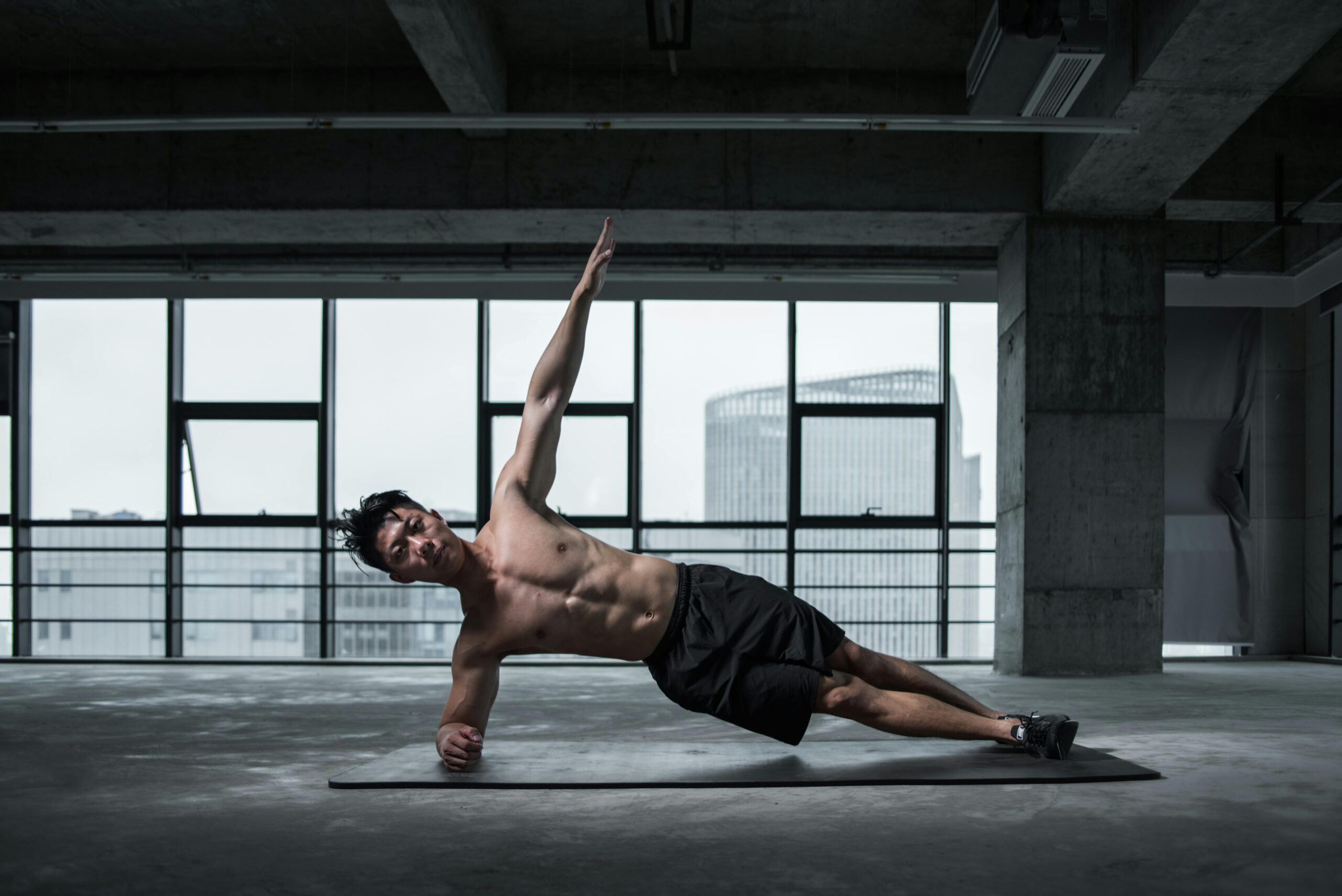
🎖️ Building Your Ironclad Core: Final Implementation Tips
Consistency and patience separate those who build genuine core strength from those who spin their wheels. These exercises don’t provide the immediate burn of endless crunches, but they deliver superior functional results over time.
Film yourself regularly to ensure technique remains pristine as fatigue accumulates. What feels like a solid plank might reveal significant hip sagging or rotation when viewed objectively. Video feedback accelerates learning and prevents reinforcing poor movement patterns.
Track your performance metrics systematically. Record hold times, resistance levels, and repetitions completed for each exercise. Visible progress on paper motivates continued effort and helps you identify when you’re truly ready to advance to the next progression level.
Remember that core strength development follows the same principles as any other training adaptation—progressive overload, adequate recovery, and consistent practice over months and years. Your ironclad core won’t appear overnight, but stick with these anti-rotation and anti-extension progressions, and you’ll build stability that protects your spine and enhances every athletic endeavor for life.